
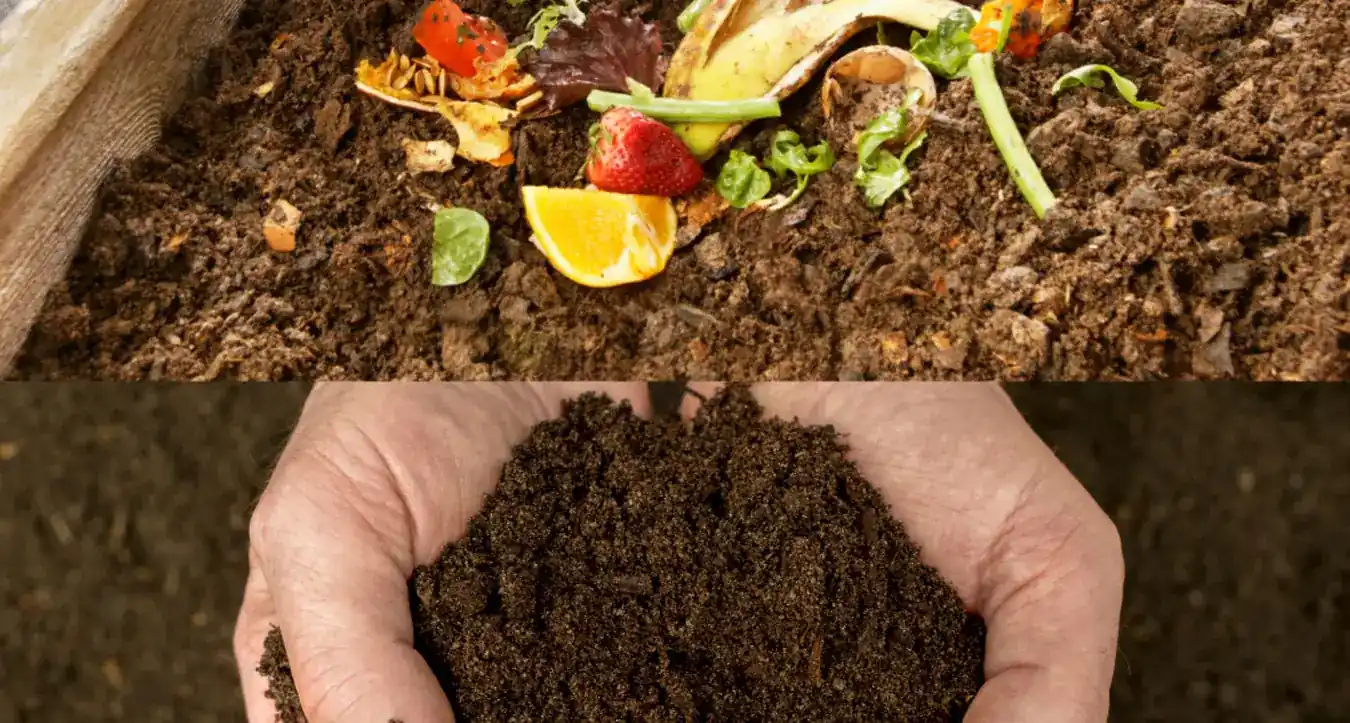
As global agriculture faces increasing pressure to produce more food with fewer environmental impacts, the conversation around sustainable fertilisers has intensified. One solution gaining strong momentum is the use of organic fertiliser derived from food waste composters. With millions of tonnes of food waste generated annually, transforming this material into a valuable agricultural input presents a compelling opportunity, not just for waste reduction, but also for improving soil health and farm productivity.
The answer is not a simple yes or no. Instead, it depends on a combination of scientific, economic, environmental, and practical factors.
In this article, we explore the full picture, benefits, challenges, and future potential to help farmers, agribusinesses, and sustainability-focused organisations make informed decisions.
- But the key question remains: is organic fertiliser from food waste processors truly viable for agriculture?
Understanding Food Waste – Derived Organic Fertiliser
Food waste–based fertiliser is created by processing organic waste such as fruit and vegetable scraps, leftovers, and agricultural by-products into nutrient-rich materials. This can be achieved through several methods, including:
- Composting
- Anaerobic digestion
- Fermentation
Advanced microbial processing
These processes break down organic matter into forms that can be applied to soil, returning nutrients like nitrogen (N), phosphorus (P), and potassium (K) back into the agricultural cycle.
Food waste is naturally rich in organic matter and nutrients, making it a valuable resource. However, its composition can vary widely depending on the source, which introduces both opportunities and challenges.
- The Case for Viability: Key Benefits
1. Closing the Loop with a Circular Economy
One of the strongest arguments for food waste fertiliser is its role in the circular economy. Instead of sending organic waste to a landfill, where it generates methane emissions, it is repurposed into a productive agricultural input.
- This approach:
- Reduces landfill waste
- Cuts greenhouse gas emissions
Recovers valuable nutrients
Research highlights that converting food waste into fertiliser supports sustainable agriculture while improving resource efficiency.
- 2. Improved Soil Health
- Unlike synthetic fertilisers, organic fertilisers contribute to long-term soil quality. They:
- Increase soil organic matter
- Improve water retention
- Enhance soil structure
Support beneficial microbial activity
Studies show that organic amendments derived from waste can significantly improve soil health and fertility, leading to better crop resilience over time.
This is particularly important in regions with degraded soils or intensive farming systems where chemical inputs have reduced soil vitality.
3. Sustainable Nutrient Supply
Food waste contains essential plant nutrients, including nitrogen, phosphorus, and micronutrients. These nutrients are released more slowly than synthetic fertilisers, providing a controlled nutrient supply.
- While this slow-release nature can be a limitation in some cases, it also:
- Reduces nutrient leaching
- Minimises environmental pollution
Improves nutrient-use efficiency over time
This makes food waste fertiliser particularly suitable for long-term soil conditioning and sustainable farming systems.
- 4. Reduced Dependence on Chemical Fertilisers
- The overuse of synthetic fertilisers has led to several issues:
- Soil degradation
- Water pollution (eutrophication)
- Increased production costs
High energy consumption in manufacturing
Organic fertilisers from food waste offer a viable alternative or complement, helping farmers reduce reliance on chemical inputs while maintaining productivity.
- 5. Cost and Waste Management Benefits
- For municipalities, food processors, and commercial facilities, converting waste into fertiliser can:
- Reduce waste disposal costs
- Create new revenue streams
Improve sustainability credentials
For farmers, locally produced organic fertiliser can sometimes be more affordable than imported chemical fertilisers, especially in regions facing supply chain disruptions.
- The Challenges: What Limits Viability?
- While the benefits are significant, several barriers must be addressed before widespread adoption.
1. Inconsistent Nutrient Composition
One of the biggest challenges is variability. Food waste is not uniform, and its nutrient content can fluctuate based on:
- Source (household, commercial, industrial)
- Type of food waste
- Processing method
- This inconsistency makes it difficult to standardise fertiliser products and predict crop outcomes.
2. Nutrient Availability and Timing
Unlike synthetic fertilisers, nutrients in organic fertilisers are often in complex forms that require microbial breakdown before plants can absorb them.
- This leads to:
- Delayed nutrient availability
Potential mismatch with crop demand
Farmers must carefully manage application timing and integrate organic fertilisers into broader nutrient management plans.
- 3. Pathogens and Contamination Risks
- Food waste, especially when it includes meat or dairy, can contain:
- Pathogens
- Heavy metals
Chemical residues
Proper processing (e.g., high-temperature composting or controlled digestion) is essential to ensure safety. Without it, there is a risk of contaminating soil and crops.
- 4. Scalability and Commercial Feasibility
- Many food waste fertiliser technologies are still in:
- Pilot stages