
Food Waste Composting For Municipalities And Schools
Municipal programmes and school canteens both need on-site treatment that residents and students can actually see working.
Talk To An Engineer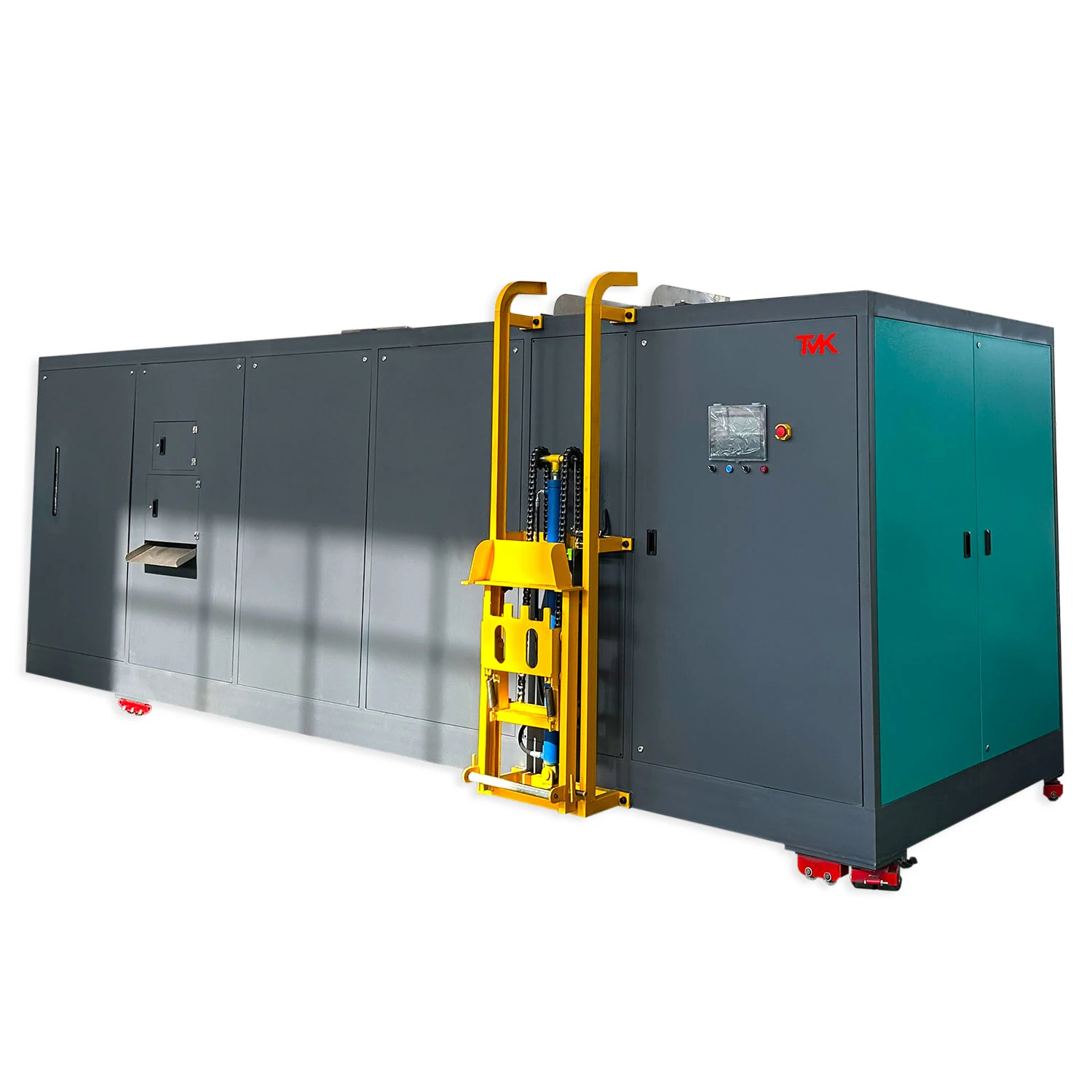
What Makes Waste Hard To Handle Here
What The Machine Has To Deliver
- Municipal-scale capacity
- Safe operation around students
- Documented process conditions
- Compost usable on public green space
Models That Fit This Industry
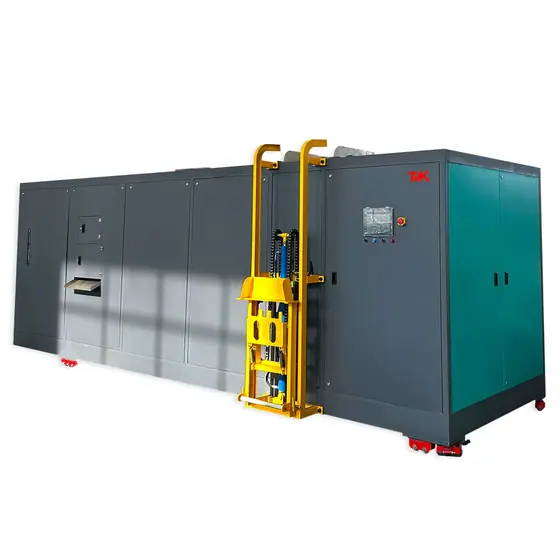
5 Tons Composting System
5000 kg/day composting system for central food waste collection sites
5000 kg/dayDetails →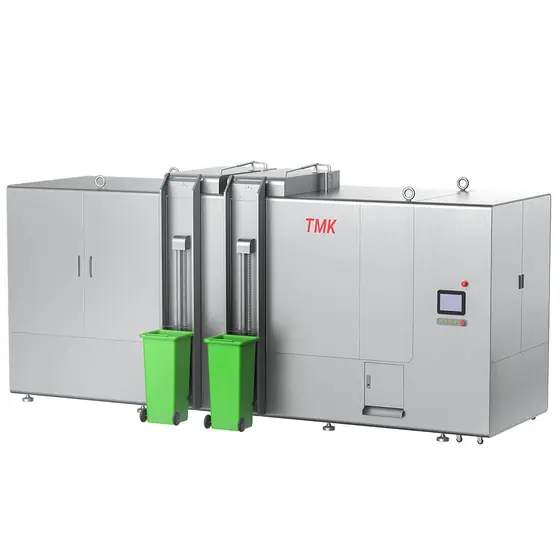
TMK-5000 Waste Recycling Machine
5000 kg/day waste recycling machine with one-touch automatic control
5000 kg/dayDetails →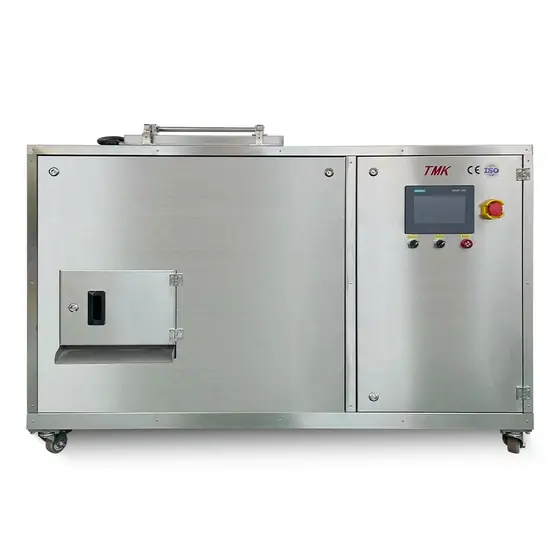
TMK-100 Food Waste Compost Machine
100 kg/day composter producing compost with over 80% organic matter
100 kg/dayDetails →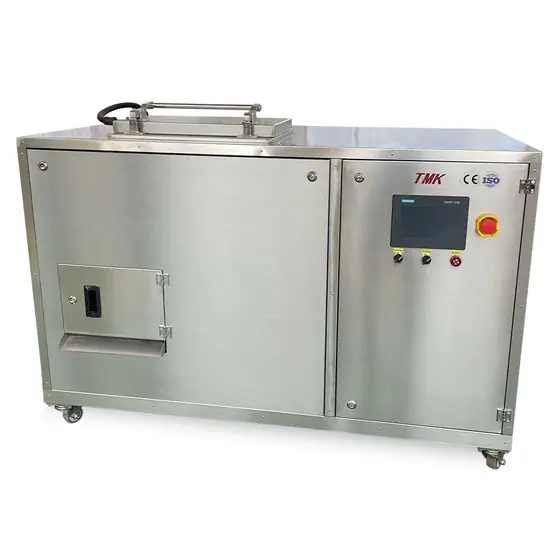
TMK-50 Kitchen Compost Machine
50 kg/day kitchen composter with a 70C hygienization stage
50 kg/dayDetails →Where The Machine Goes On Site
What TMK Provides Beyond The Machine
Consultation
We review your geographical environment and needs, then recommend the food waste system and management approach that fits.
Installation And Training
Installation service, operator training and maintenance service are part of the delivery, as they were on the Liberia turnkey project.
Ongoing Supply
Microbe culture replenishment on an annual basis, plus sawdust or dry garden waste as the bulking consumable.
Related Solutions
Related Cases
Municipalities And Schools Composting Questions
How do we size a composting machine for municipalities and schools?
Size against measured daily kilograms and the peak day rather than the average. TMK covers 1 kg to 5000 kg a day, so the machine can be matched rather than approximated.
Will the machine create odour on site?
Deodorizers are part of the machine. On the larger models a biofilter scrubs the gases produced during composting and mixing, so only odour-free air is released.
Does the waste have to be perfectly segregated?
100% segregation may not be required on several models, but plastics, glass, metal, textiles and wood must be kept out because they occupy chamber space and can damage the machine.
What happens to the compost afterwards?
Approximately 10% to 15% of the input becomes compost. It can go onto the site's own landscaping, be donated to nurseries or farmers, or be collected by a local government body depending on where you are.
How much staff time does it need?
The machines are fully automatic and do not need a skilled operator. On average compost is offloaded once a week when the machine runs at full capacity.
Composting For Municipalities And Schools
Send the daily food waste volume for the site and we will come back with the model, the datasheet and the price.