
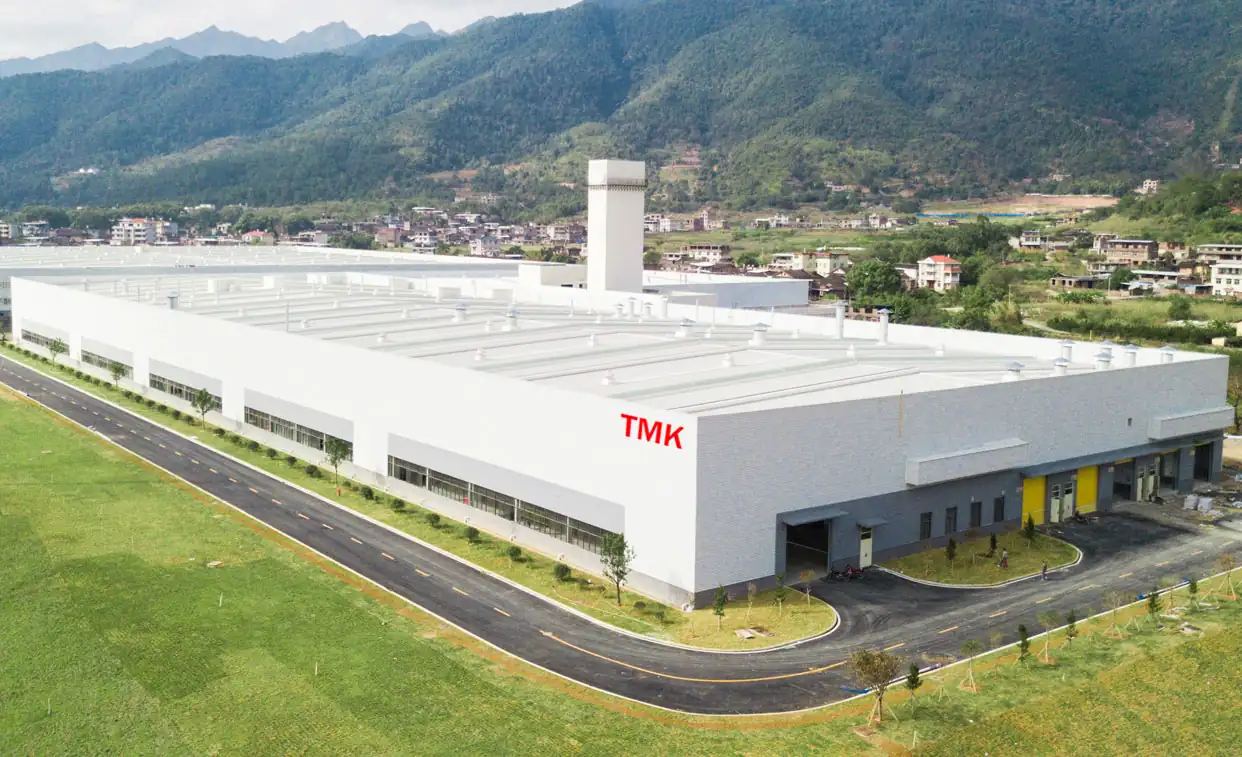
Turn Food Waste Into Compost In 24 Hours
On-site aerobic composting machines from 1 kg to 5000 kg a day. Up to 90% volume reduction, odour controlled, fully automatic.
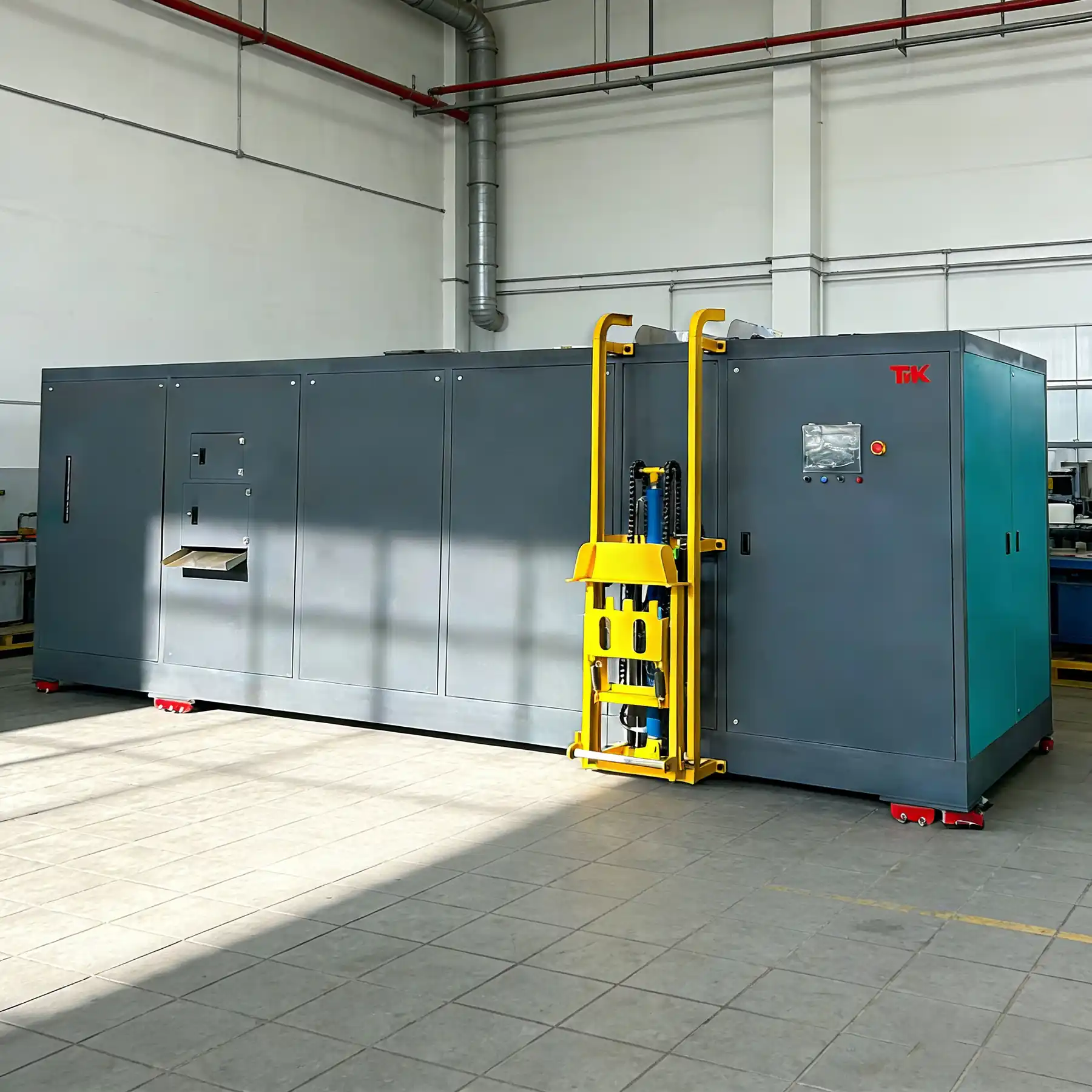
From A 5 kg Countertop Unit To A 5 Tonne System
One microbial process across the whole range, so hotels, canteens, hospitals and food factories size the machine to the waste rather than the other way round.

Delivered Installed And Supported In 50+ Countries
Dealers in Europe, South America, Africa and Asia, plus turnkey projects where TMK handles shipment, installation, commissioning and operator training.
Aerobic Composting Machines For Every Scale Of Food Waste
TMK designs and manufactures aerobic food waste composting machines. Thirteen models cover 1 kg a day on a kitchen counter through to 5000 kg a day at a central collection site, all built on the same microbial process.
Who We Serve
Hotels, restaurants, canteens, hospitals, schools, residential communities, markets, food processing plants, municipalities and composting facilities in more than 50 countries.
The Problem We Solve
Wet organic waste is expensive to store, expensive to haul and generates methane in landfill. Treating it at the point where it is produced removes the transport, cuts volume by up to 90%, and returns a nutrient-rich soil amendment instead of a disposal bill.
Why Buyers Choose TMK
One microbial technology proven across the full capacity range, machines built in carbon steel or SS 304 for daily food service duty, PLC control with odour handling built in, and a dealer network across Europe, South America, Africa and Asia.
What You Get Back
Nutrient-rich compost with more than 80% organic matter, hygienized at 70C, ready to use after curing at roughly one part compost to ten parts soil.
Three Ranges Covering 1 kg To 5000 kg A Day
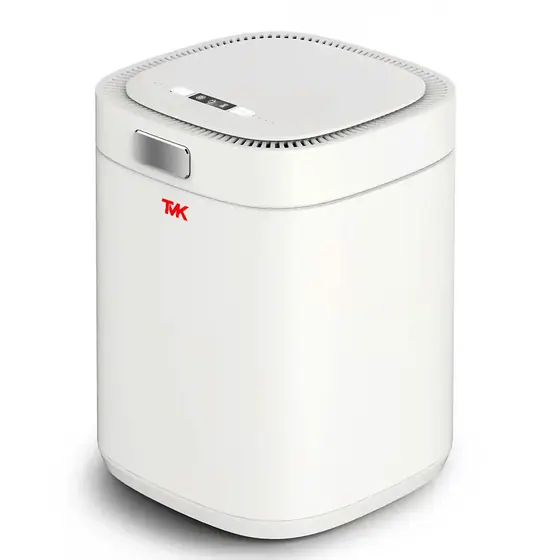
Household Composter
Electric home composting units for small-scale waste generators that produce a few kilograms of food waste a day
View range →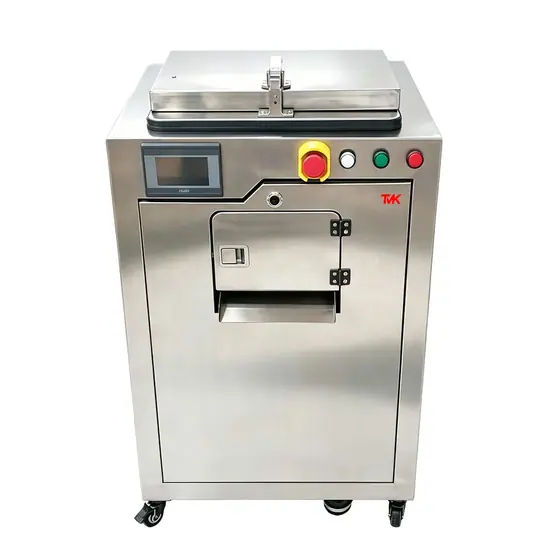
Commercial Composter
All-in-one on-site composting machines that reduce food waste volume by up to 90% in 24 hours
View range →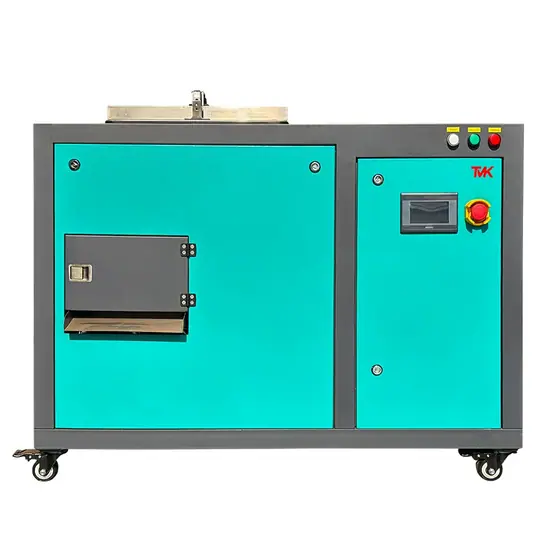
Carbon Steel Series
Carbon steel bodied composting machines from 30 kg to 5000 kg a day for cost-conscious industrial duty
View range →Every TMK Composting Machine
Twenty machines, one microbial process. Size the machine to your measured daily waste volume rather than to a bin count.
Food Waste Disposer Machine
Countertop grinding and drying disposer that finishes in about 6 hours
1 kg/dayDetails →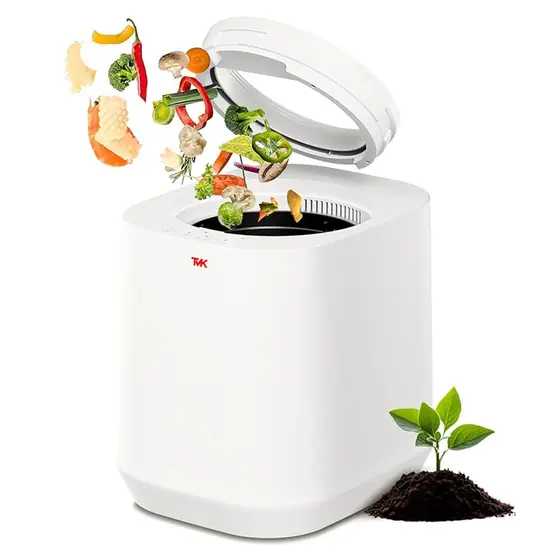
TMK-2 Home Compost Machine
1.5 to 2.5 kg/day indoor composter lab-tested for home use
2 kg/dayDetails →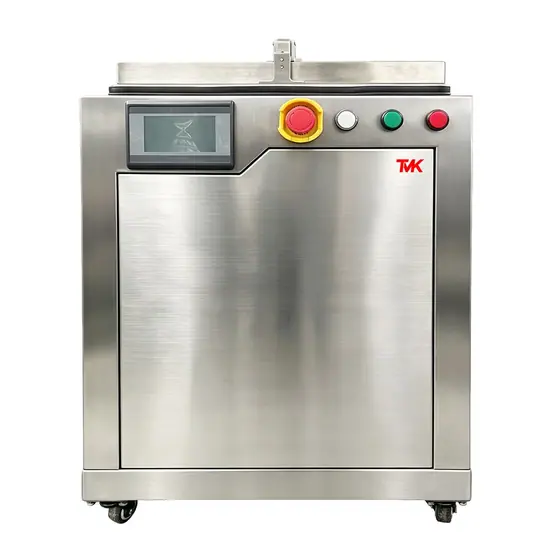
TMK-5 Electric Compost Machine
5 kg/day household composter with one-off microbe dosing
5 kg/dayDetails →TMK-10 Electric Food Composter
10 kg/day electric food composter for homes offices and cafes
10 kg/dayDetails →30KGs TMK Composter
Carbon steel 30 kg/day composter for apartments cafes and small canteens
30 kg/dayDetails →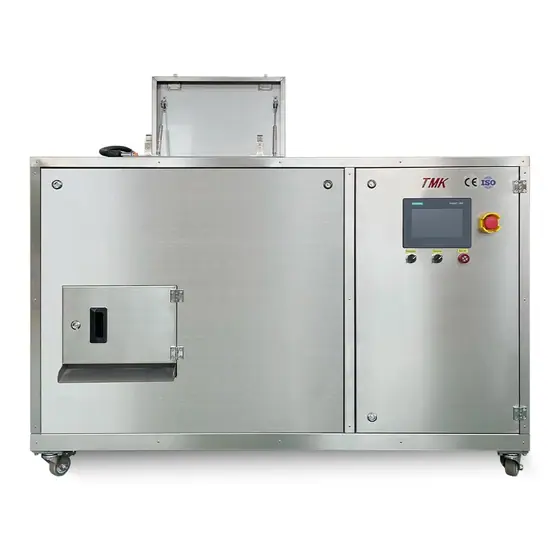
TMK-30 Food Compost Machine
30 kg/day SS 304 food composter with a 3 year guarantee
30 kg/dayDetails →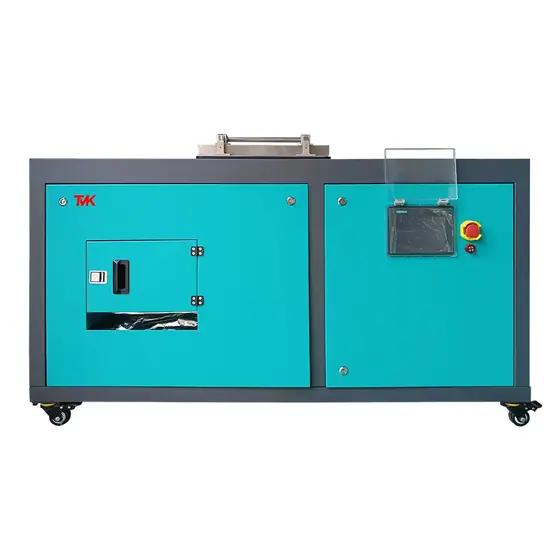
50KG Kitchen Composter
50 kg/day kitchen composter using mesophilic and thermophilic microbes
50 kg/dayDetails →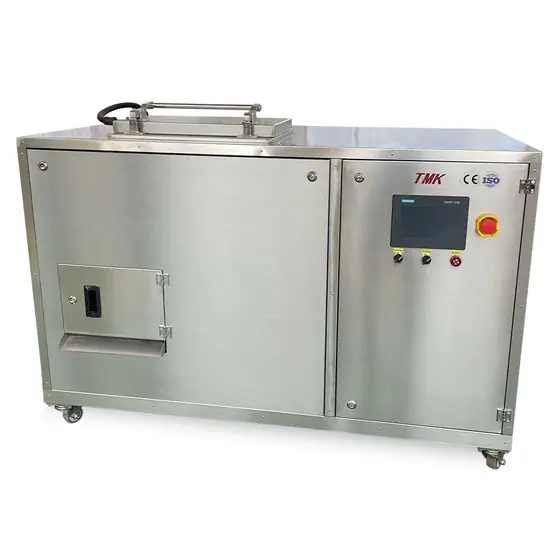
TMK-50 Kitchen Compost Machine
50 kg/day kitchen composter with a 70C hygienization stage
50 kg/dayDetails →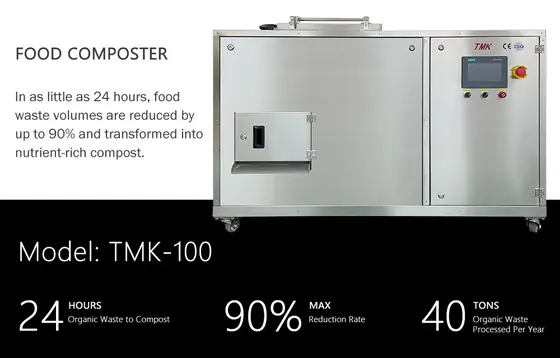
100KG In Vessel Composter
100 kg/day in-vessel composter for commercial kitchens and institutions
100 kg/dayDetails →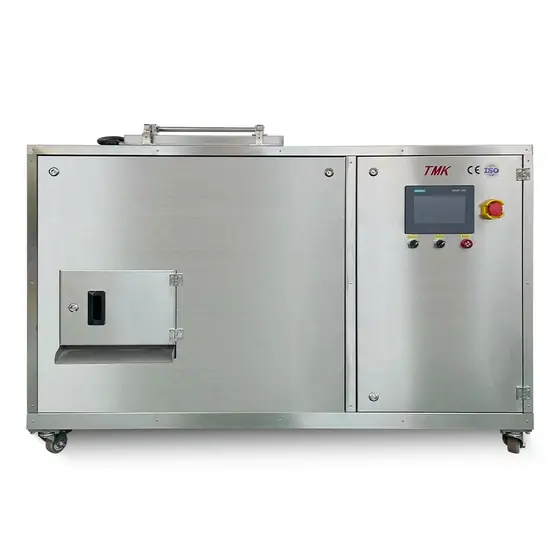
TMK-100 Food Waste Compost Machine
100 kg/day composter producing compost with over 80% organic matter
100 kg/dayDetails →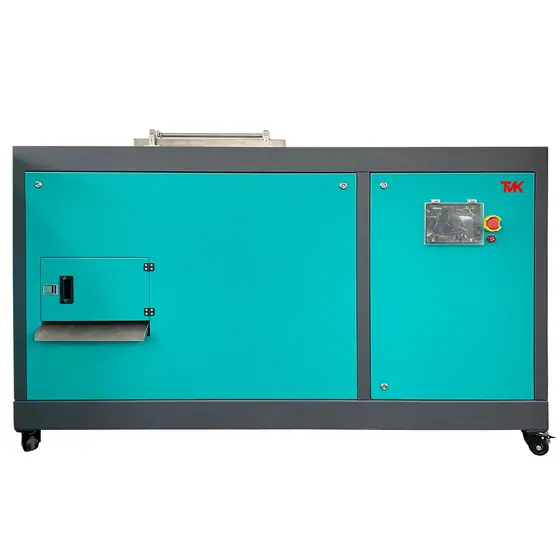
150KG Waste to Compost Machine
150 kg/day in-vessel composter with PLC-controlled central shaft
150 kg/dayDetails →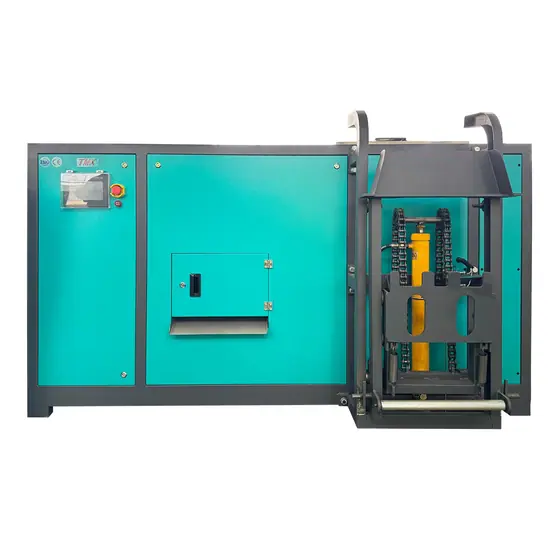
TMK-200 Kitchen Waste Compost Machine
200 kg/day PLC composter running at 20 dB in SS 304
200 kg/dayDetails →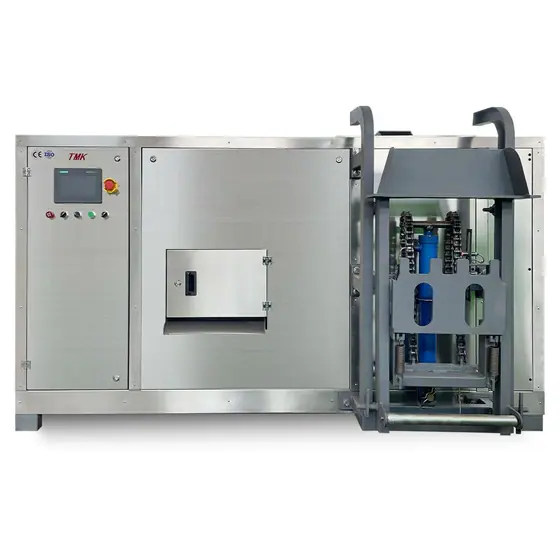
TMK-300 Organic Waste Compost Machine
300 to 320 kg per cycle composter in SS 304 with ceramic heating
300 kg/dayDetails →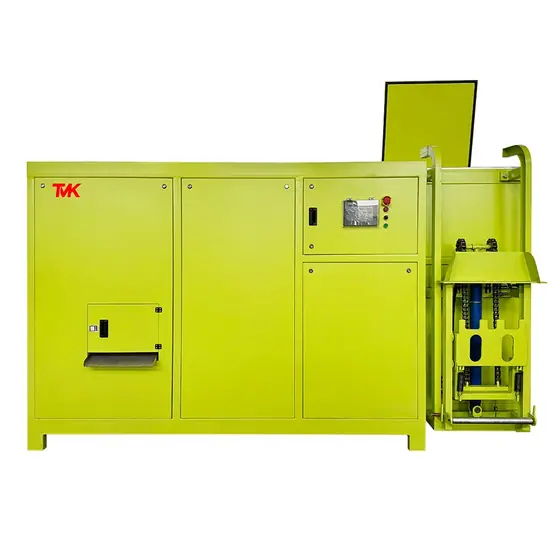
500KG Composting Equipment
500 kg/day composting equipment with a built-in shredder and deodorizing system
500 kg/dayDetails →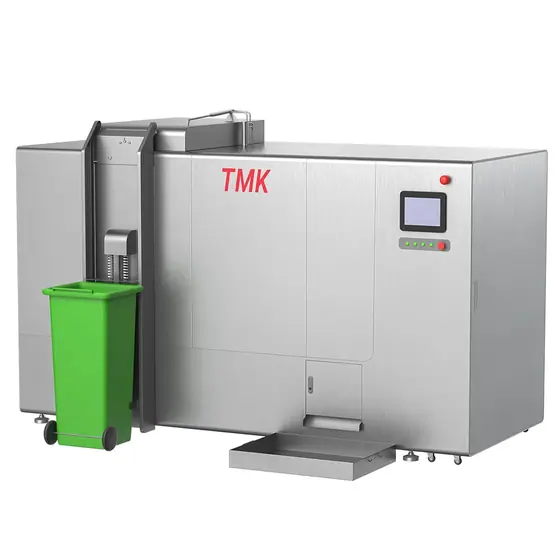
TMK-500 Waste Compost Machine
500 kg/day PLC waste composter with an inbuilt biofilter
500 kg/dayDetails →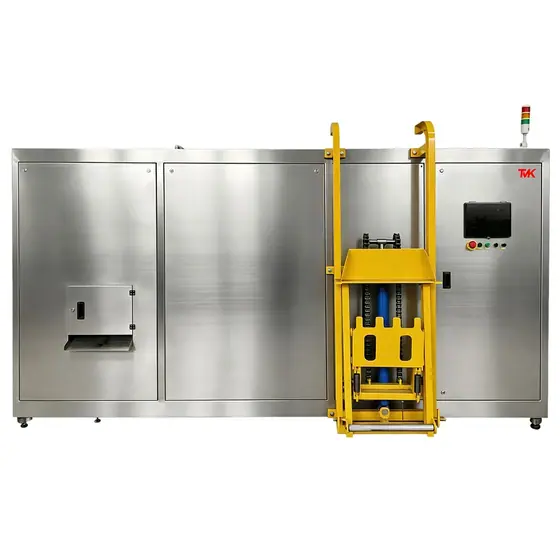
TMK-1000 Commercial Compost Machine
1000 kg/day commercial composter with humidity-triggered heating
1000 kg/dayDetails →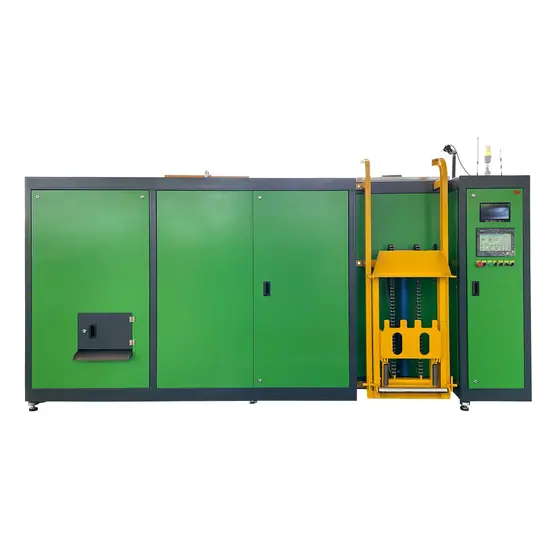
2000KG Industrial Composter
2000 kg/day industrial composter with Siemens PLC and HMI control
2000 kg/dayDetails →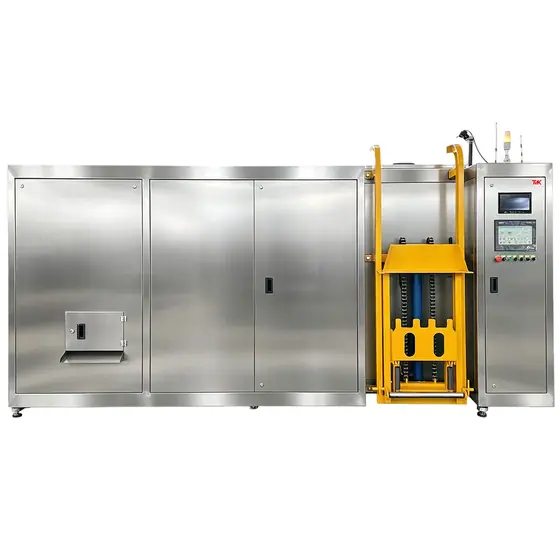
TMK-2000 Compost Fertilizer Machine
2000 to 2200 kg/day compost fertilizer machine with 80 to 85% volume reduction
2000 kg/dayDetails →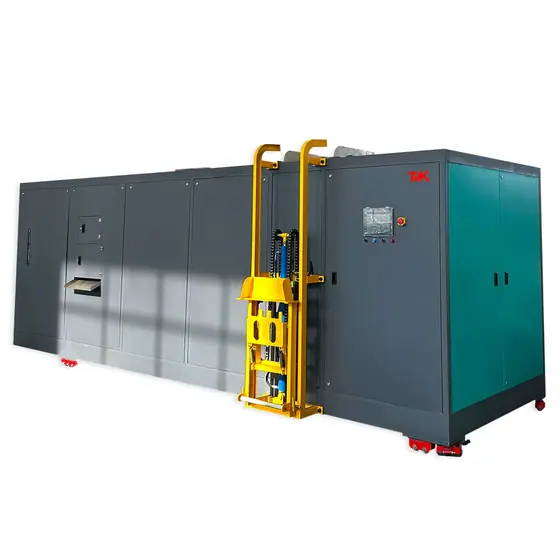
5 Tons Composting System
5000 kg/day composting system for central food waste collection sites
5000 kg/dayDetails →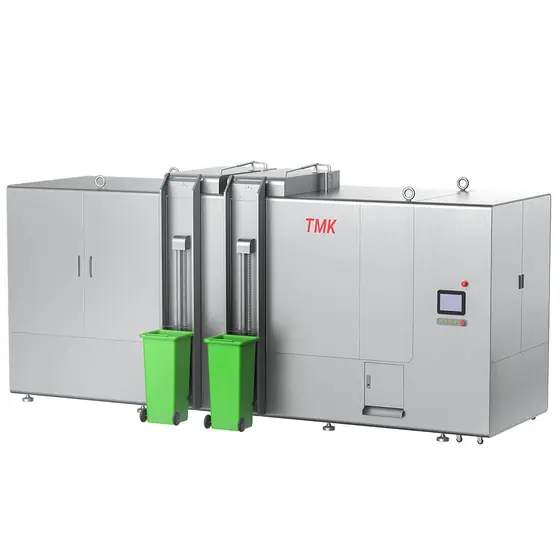
TMK-5000 Waste Recycling Machine
5000 kg/day waste recycling machine with one-touch automatic control
5000 kg/dayDetails →Inside A 24 Hour Composting Cycle
Segregated organic waste goes in with roughly 10% sawdust and 0.1% composting culture. What comes out is compost, not dried waste.
Load
Segregated organic waste goes into the chamber, by hand on small units or through an automatic bin lifter on large ones.
Mix And Aerate
Internal rotating arms mix the material while a ventilation fan or blower introduces the airflow aerobic microbes need.
Ferment
Micro-organisms activate and multiply at regulated temperatures of 50C or higher, breaking organic matter down and evaporating moisture.
Hygienize
At the end of the cycle the tank is raised to 70C for one hour, which eliminates harmful bacteria in the finished material.
Deodorize
A deodorizer or biofilter absorbs the gases produced during composting so that only odour-free air leaves the machine.
Discharge
Nutrient-rich compost is offloaded, then cured for two to four weeks before use at roughly one part compost to ten parts soil.
Industries That Treat Waste Where It Is Produced
Hotels And Resorts
Hotel kitchens, banqueting and guest catering generate wet waste around the clock, in a building where odour is never…
Residential And Society Complexes
Apartment blocks and housing societies produce a steady communal wet waste stream that nobody wants stored in the…
Restaurants And Catering
A restaurant kitchen turns out prep waste and plate waste every service, and storage space behind the line is the one…
Markets And Supermarkets
Vegetable markets and supermarkets discard produce daily, and that waste is wet, heavy and expensive to move.
Municipalities And Schools
Municipal programmes and school canteens both need on-site treatment that residents and students can actually see…
Canteens And Cafeterias
Staff canteens and cafeterias concentrate a whole building's food waste into two short service windows a day.
Shopping Centres
A food court concentrates the waste of a dozen tenants into one service corridor, and the landlord carries the disposal…
Agriculture And Farms
Farms already have the organic residues and the land that needs the compost. What is missing is a controlled process…
From A Kitchen Counter To A Central Collection Site
Household Composting
An electric composting unit in the kitchen turns daily scraps into a soil amendment within 24 hours, with no yard and no waiting.
Read the approach →
Commercial On Site Composting
Treating food waste where it is produced removes collection frequency, haulage distance and landfill gate fees from the cost model.
Read the approach →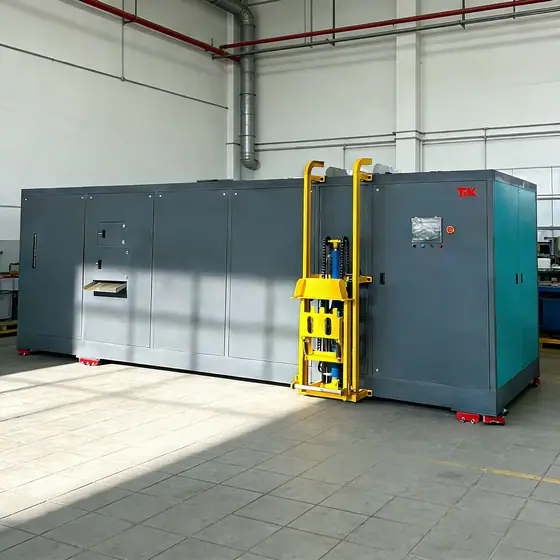
Large Scale Composting Systems
A 5 tonne machine paired with sorting, separation, shredding and squeezing reaches 8 tonnes a day at a central collection site.
Read the approach →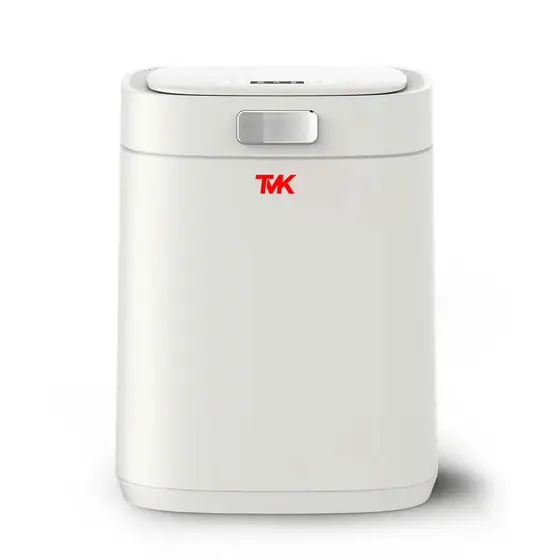
Food Waste Pre Treatment
Shredding, drying and moisture removal before composting are what turn a rated capacity into an achieved capacity.
Read the approach →Installations And Deliveries Worldwide
30 Tons Food Waste Composting System In Liberia
Large volumes of organic waste were being generated across several sources with no on-site treatment capacity, leaving landfill as the only route and…
Read the case →5 Ton Composting System Set Up In Southeast Asia
Food waste arrived contaminated with plastics, metals and oversized objects, and carried a high moisture content that limited how much a composting…
Read the case →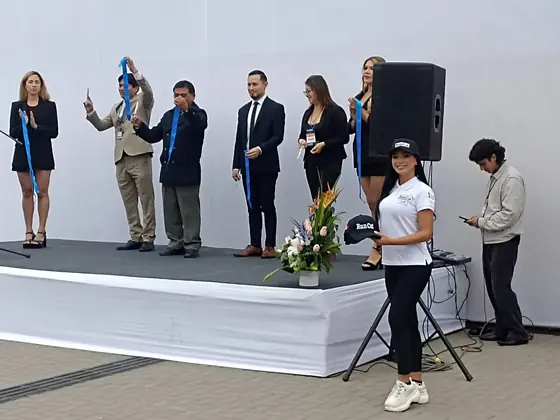
TMK Composting Machines At Local Exhibitions In Peru
Agriculture is a significant sector in Peru, but composting equipment was unfamiliar to many potential users who had no way to see a machine working…
Read the case →Composting Guides For Buyers And Operators
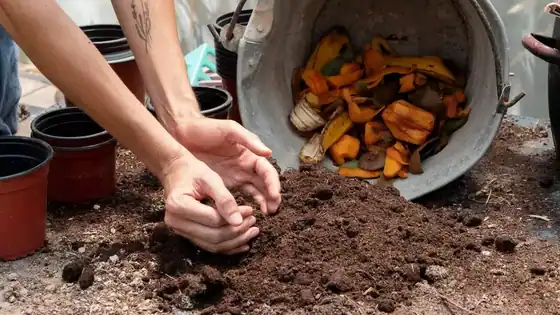
Green Gold: The Ultimate Guide to Compost and Manure for a Thriving…
Green Gold: The Ultimate Guide to Compost and Manure for a Thriving
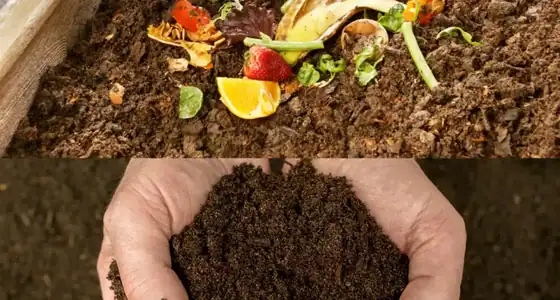
The Earth’s Best-Kept Secret: Embracing Composting as the Ultimate…
Unveiling a green revolution: Welcome to the world of composting, the Earth’s best-kept secret. In an era…
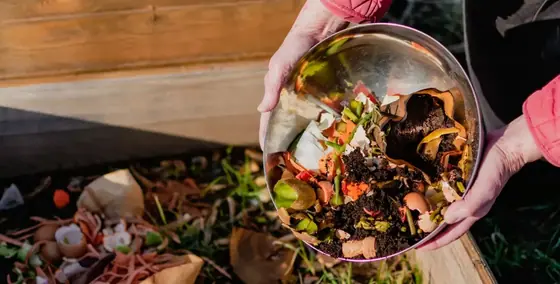
Turning Food Waste into Fertilizer by TMK Composter
The issue of food waste worldwide should not be overlooked, as it contributes to a range of environmental…
From Waste to Resource: How Batch Composting is Changing Our Approach…
From Waste to Resource: How Batch Composting is Changing Our Approach to
Composting Machine Questions Buyers Ask First
Longer answers on machine loading, consumables and compost use are in the full FAQ.
What is organic waste or wet garbage?
Items that come from nature and decompose. Kitchen waste and garden waste are the common examples.
What is an organic waste composter?
A machine used for the treatment and recycling of organic waste or wet garbage. It is a self-contained system capable of performing micro-organism-based composting in controlled conditions, and the end product is organic fertilizer.
What can I put into the machine?
The rule of thumb is that anything a human can consume, raw or cooked, can go into the machine. That includes food waste, fish, fish bones, meat, meat bones, poultry, poultry bones, vegetables, fruits, peels, pasta, rice, bread and pastry, eggshells, manure and yard trimmings.
Can I put meat and dairy products into the machine?
Yes. There is a hygienization function that heats the unit to a minimum of 70C for 60 minutes, which kills 97.3 to 99.9% of harmful pathogens and bacteria such as E. coli and salmonella. After that the compost is safe to use as fertilizer.
What cannot be put into the machine?
Anything that is not organic, for example plastic, glass and metal products. Putting these items in can lead to machine damage and malfunction. Textiles, wood and coconut shells should also be avoided.
Can I put bones into the machine?
Small bones such as chicken and fish bones can go in. Large swine bones, lamb shank bones and cow bones are not recommended. Because of the inbuilt shredder, bones are broken into small pieces but cannot be fully decomposed.
Can I put seafood shells into the machine?
Only soft shells such as shrimp or prawn shells. Lobster, crab, mussel and clam shells will not break down because of their high calcium level and can damage the machine.
Can I put yard trimmings into the machine?
The machines handle a small amount of yard trimmings such as grass and leaves. Plant roots are not recommended because they can wrap around the machine's axis and blades.
Tell Us How Much Food Waste You Produce
Send your daily volume in kilograms and the type of site. We will come back with the model that fits, the datasheet and a price.