
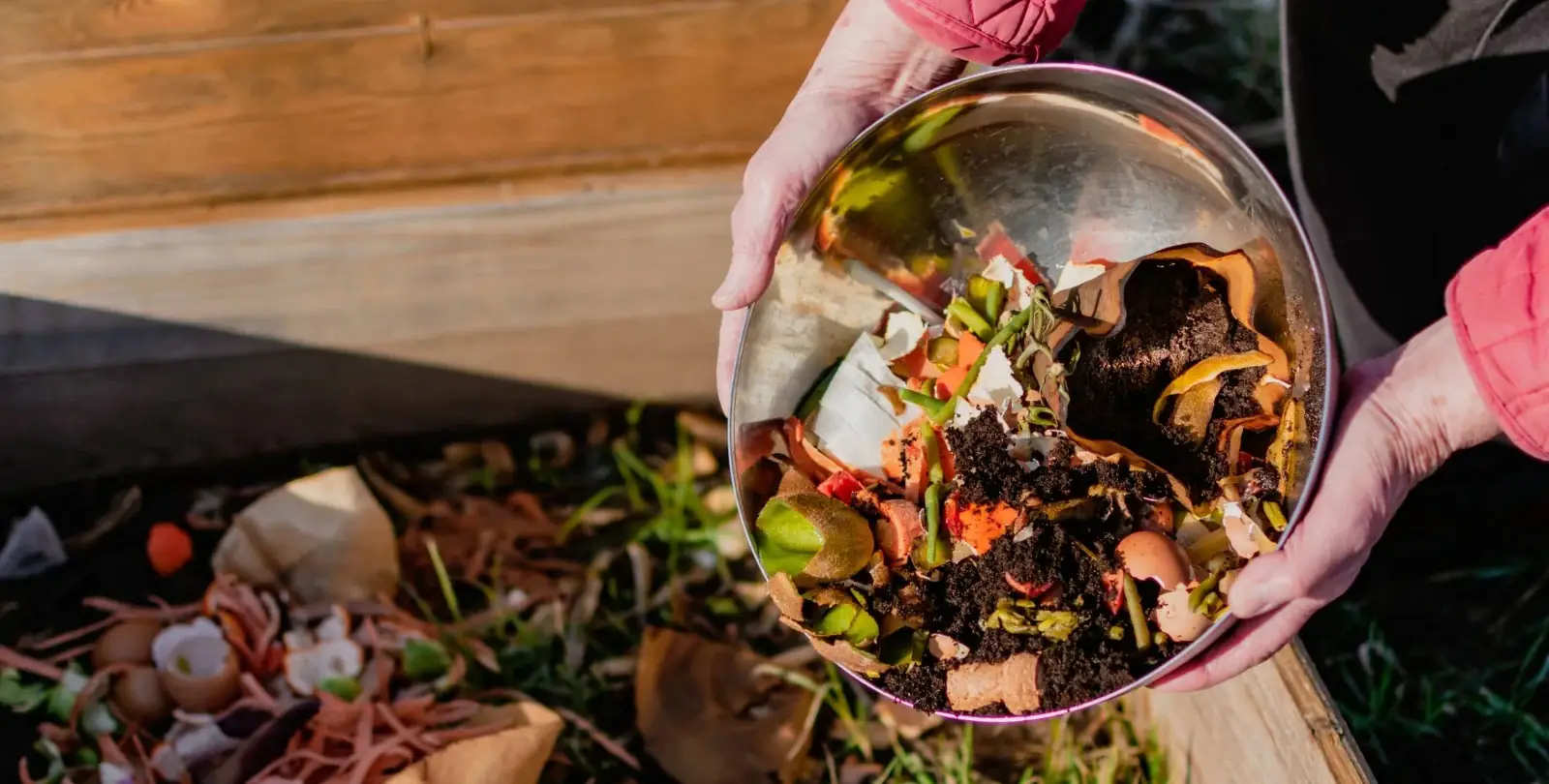
The issue of food waste worldwide should not be overlooked, as it contributes to a range of environmental challenges, including increased greenhouse gas emissions, excessive landfill use, and more.
When it comes to food waste management, however, companies often face multiple obstacles, including a lack of funding, infrastructure, and awareness. That said, as sustainability efforts increase, it’s more important than ever that organizations are aware of their options, ensuring they stay up to date with changing legislation.
While there are various waste management solutions available, one stands out for its long-lasting impact: composting.
Keep reading to explore the benefits of turning food waste into fertilizer, how to convert food waste into fertilizer, and the types of businesses that can benefit the most from composting programs.
Key Takeaways
One of the biggest benefits of making fertilizer from food waste is its ability to divert organic waste from landfills, which in turn reduces pollution, lowers methane emissions, and contributes to more sustainable agricultural practices.
Businesses that compost can potentially reduce waste disposal fees, gain a new revenue stream, and enjoy long-term savings from using food waste fertilizer in landscaping, agriculture, or other green initiatives.
Businesses that focus on reducing waste and improving waste management strategies can leverage these practices in their marketing and corporate social responsibility initiatives. This helps them improve their brand image, establish themselves as industry leaders, and appeal to eco-conscious consumers.
While nearly every type of business can benefit from better food waste management, restaurants, supermarkets, and food manufacturers can gain advantages due to their high levels of food waste.
Can Food Waste Be Used as Fertilizer?
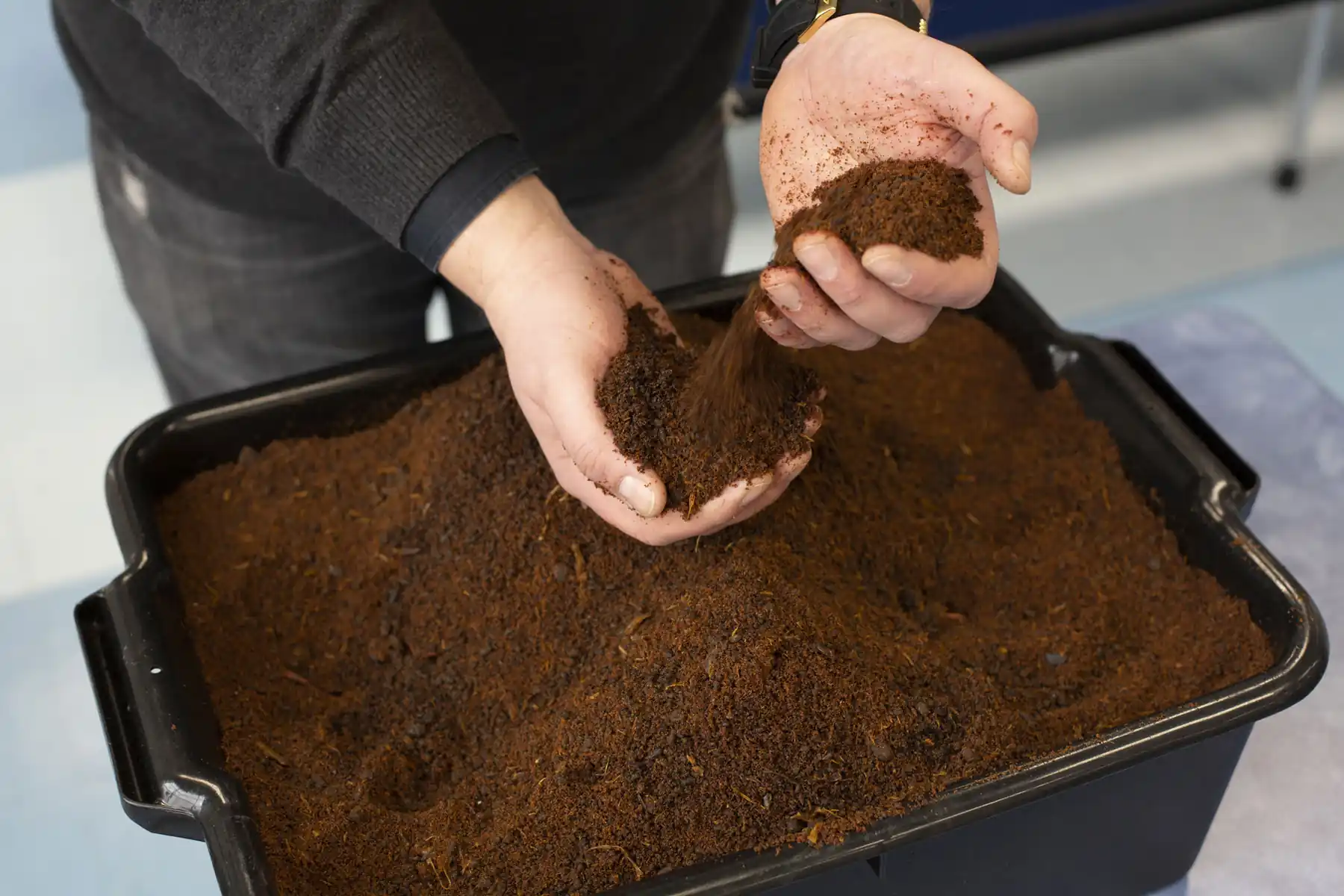
Yes, food waste can be used as fertilizer. When composted, food waste is transformed into a nutrient-rich soil amendment that can be used to improve soil health and reduce erosion, making it a valuable waste management approach.
That said, fertilizer is only one of the products that can be made from food waste. Other valuable outputs include the production of biogas from food waste and biochar feedstock, both of which provide environmental benefits.
What foods can be turned into fertilizer?
To successfully turn food waste into fertilizer, you must know which items can and cannot be composted. It’s important to note that not all composting programs are the same; while many large-scale programs with advanced technology can handle a wider variety of food waste, smaller programs may have different guidelines.
For that reason, it’s important to review the specific requirements outlined by your composting program of choice.
That said, here are the foods that typically can and cannot be used when converting food waste into fertilizer.
- Types of Food Waste Suitable for Fertilizer
- Common types of food waste used as fertilizer include:
- Fruits and vegetables
- Grains and pasta
- Bread
- Eggshells
- Dairy products
- Coffee grounds
Meat scraps (programs with advanced composting systems)
Almost every type of food can be composted, as many items are rich in nutrients that contribute to soil health. For instance, fruits and vegetables are rich in potassium and nitrogen, while coffee grounds help boost soil fertility.
Meat waste is also typically accepted in large-scale composting programs that have advanced technology to process it. That said, some programs may advise against it since meat waste typically takes longer to break down than plant-based materials.
- Food Waste That Requires Caution
- Items that may not be accepted by composting programs include:
- Heavily processed foods
- Rotten food
- Food stickers
- Grease or oil
- Diseased plants
Pet waste
Rotten food makes this list because it needs to be handled with caution, but that doesn’t necessarily mean it can’t be composted. In fact, composting rotten food helps increase the diversity of microbes in compost by breaking down tough materials that other organisms can’t handle. That said, there are some molds that you must look out for, such as black mold, that may be harmful to the composting process.
Why Use Food Waste as Fertilizer?
Composting is a valuable component of the food waste management hierarchy due to its array of benefits, which include:
Environmental impact: One of the biggest benefits of making fertilizer from food waste is its ability to divert food waste from landfills, which in turn reduces pollution, lowers methane emissions from food waste, and contributes to more sustainable agricultural practices.
Nutrient recycling: Food waste is rich in nutrients, such as nitrogen, phosphorus, and potassium, which improve soil structure, enhance water retention, and promote higher yields. This, in turn, reduces the need for chemical fertilizers, making it an environmentally friendly solution in the agricultural sector.
Cost efficiency: Businesses that compost can potentially reduce waste disposal fees, gain a new revenue stream, and enjoy long-term savings from using food waste fertilizer in landscaping, agriculture, or other green initiatives.
- How is Food Waste Converted into Fertilizer?
- So, how to turn food waste into fertilizer?
- Here’s what you should know about the food waste to fertilizer process:
Collection and sorting of food waste:
The very first step of composting is collecting and sorting food waste, which involves safely separating organic waste from non-compostable items. To streamline this process and ensure compliance during transportation, businesses can partner with a waste management company. Since organized waste streams improve the quality of the final product, these partnerships help optimize efficiency and produce a superior product.
Decomposition and composting:
Microorganisms play a crucial role in breaking down food waste into compost. This process requires careful management of temperature, moisture, and aeration to optimize microbial activity and accelerate the breakdown of materials. Over time, the decomposed material transforms into nutrient-rich compost, which can be used to enrich soil and support sustainable agricultural practices.
Industrial composting vs. small-scale methods:
While both home and industrial composting methods offer an array of benefits, they have key differences that set them apart. For instance, large-scale composting, which is used by businesses and municipalities to manage food waste, is more likely to use advanced technologies to streamline processes. These technologies, as well as the large quantity of waste in industrial composting, allow for a wider range of materials to be composted. Industrial processes can also implement innovative strategies, such as the anaerobic digestion of food waste, to turn organic waste into biogas (a renewable energy source) and digestate (a byproduct that can be used as fertilizer).
Machines and technology:
Waste-to-fertilizer machines are an important part of converting organic waste into nutrient-rich fertilizer. As we’ll discuss below, emerging technology plays a critical role in automating and accelerating the composting process, allowing for better quality compost.
Curing the fertilizer:
Curing the fertilizer involves allowing the compost to stabilize after the active decomposition phase, which helps further break down any remaining organic matter. This process ensures that the compost matures into a safe and effective soil amendment, free from pathogens and odors. Proper curing is essential for producing a high-quality, valuable final product that enhances soil health and fertility.
How Converting Food Waste into Fertilizer Benefits Businesses
Using food waste for fertilizer offers businesses unique benefits that encourage long-lasting growth, including:
In-house use:
Businesses in sectors like agriculture, landscaping, and hospitality can use the fertilizer they produce to improve soil health. This includes using food waste as fertilizer to enrich soil in lawns, grow fresh produce without chemicals, and increase yields.