
- Composter-News
Uses of Organic Waste Composting Machine
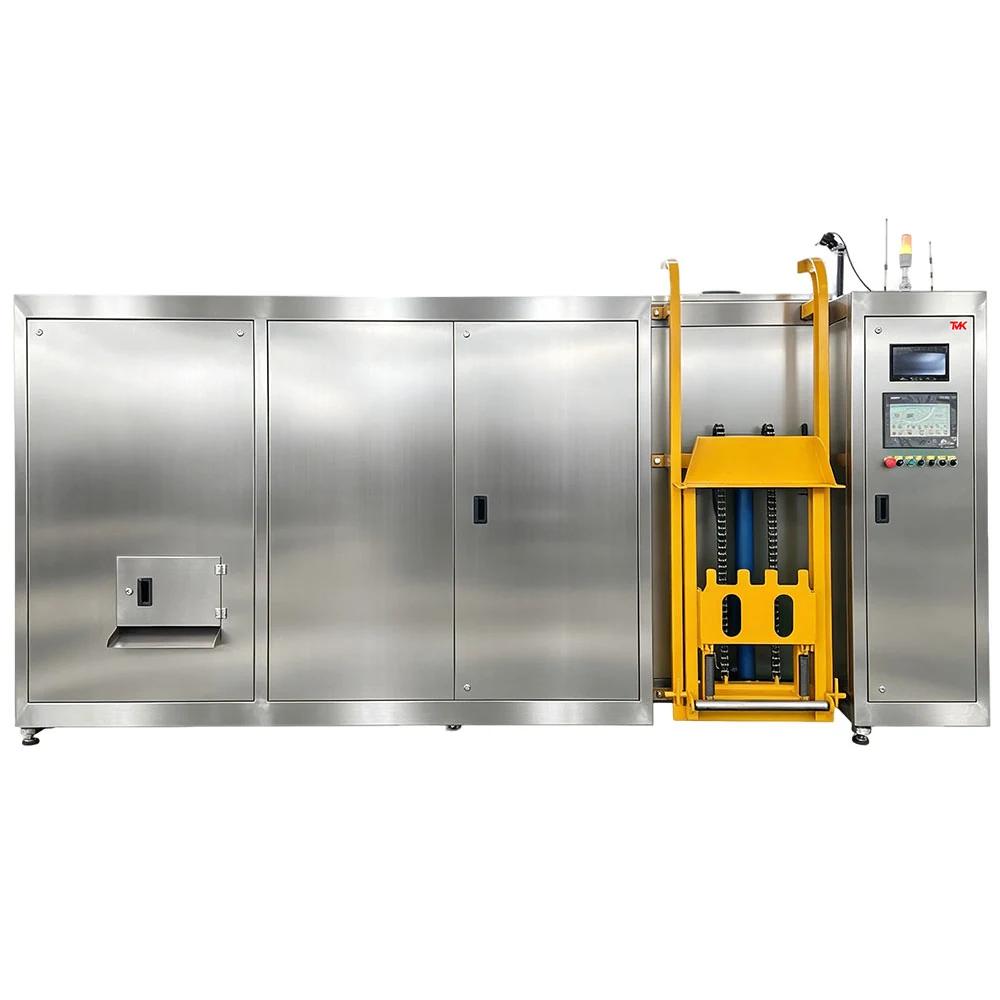
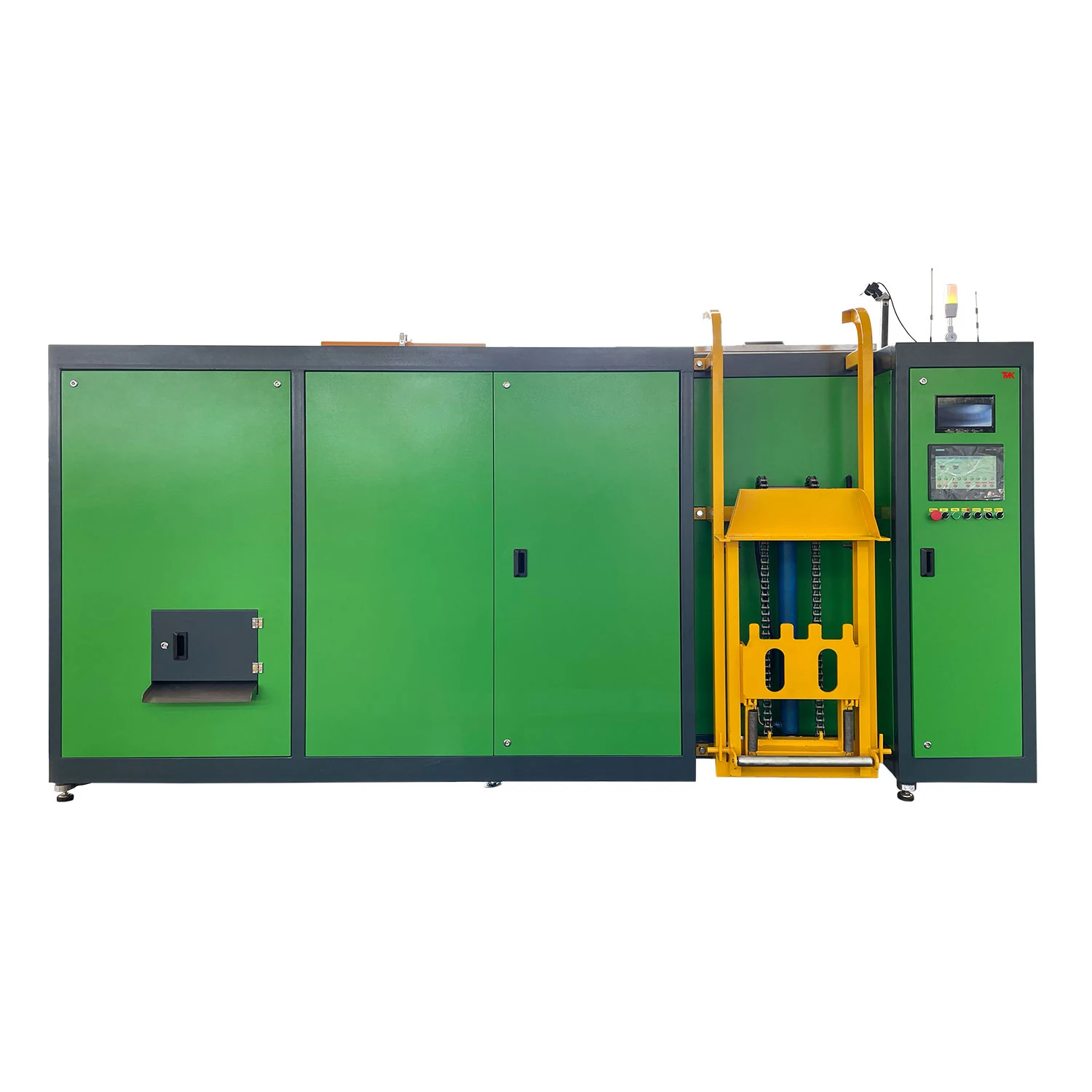
When TMK developed the idea of an organic waste composting machine, its focus was on providing organic waste composting solutions. It probably had no idea that the end product would have several other unexpected uses. Now, the company can pride itself with multi-purpose organic waste machines.
You can liken this company with someone who is able to kill several birds with only one stone. This in itself demonstrates a high level of efficiency in their endeavor.
- The innovation of the composters resulted in the following 15 unexpected uses:
Waste Segregation:
Segregation of organic waste happens before the actual composting process. It is one of the initial preparatory activities. The machine segregates organic waste so as to ease the work of composting and successfully manage the waste through all the processing stages. The biodegradable waste is usually segregated into wet waste and dry waste. Dry waste does not degrade as fast as wet waste. Their treatment procedures therefore vary.
Waste Shredding:
Shredding is one of the initial stages in the processing of organic waste. A shredder is one of the accessories of an organic waste composting machine. This equipment crushes the organic waste, thus reducing its particle size to about 8mm to 10mm. The shredder, also called a crusher can process organic waste such as vegetable waste, fruits and fruit skins, leaves and tree branches, temple waste, and cooked or uncooked meat among other types of acceptable organic waste.
There are different types of food waste and garden waste shredders with varying shredding capacities. There is a TMK shredder with a 300 kgs/day processing capacity and a Kwik shredder with a 600 kgs/day processing capacity. A good shredder is one with a high crushing efficiency.
Waste Dewatering:
After shredding the organic waste, the shredder then dewaters the organic waste material so as to dry it up and to reduce its volume significantly by up to 80%. It creates odourless organic waste which is further composted.
Air/Bio Filtration:
After the machine has segregated the biodegradable organic waste, both aerobic (with oxygen) and anaerobic (without oxygen) processes occur. These processes produce complex mixture of odourous gases that pollute the environment. In order to deal with this nuisance, a molecular filtration process is necessary.
The organic waste composting machine helps to do this filtration. It has a suitable exhaust blower with an activated carbon filter fitted to the machine for this purpose.
Leachate Extraction and Treatment:
The leachate generated by wet organic waste certainly poses a major problem to the environment. The organic composting machine is also designed to perform the work of leachate extraction and treatment. Apart from facilitating the flow of excess liquid in the waste, it treats it by extracting dissolved and suspended matter from it.
There are two primary types of leachate treatment technologies namely biological treatment and chemical treatment. However, the two systems may be integrated.
Waste Conversion:
The organic waste composting machine can convert organic waste into compost. This conversion happens when micro organisms feed on the waste materials and in the process convert them into compost otherwise called humus. The machine is innovated with a micro-organism based technology which is proven to be reliable and sustainable.
Waste Volume Reduction:
Since the machine is designed to effectively decompose organic waste, the volume of the output, which is in the form of compost, is reduced by about 80% of the original input material.
Production of Valuable Nutrients:
In the process of converting organic waste into compost, the machine produces nitrogen alongside other valuable nutrients such as potassium and phosphorus. These add to the fertility of the soil and thus enable plants to flourish.
Cleaning Up the Environment:
The organic waste composting machine also helps in cleaning up the environment. Its functioning is such that it is silent and its output is free from any offensive odour. The availability of the machine implies that there will be better cabbage management solution in hotels, hospitals, educational institutions, industries, municipalities, and the society at large.
People will be busy clearing and composting the cabbage, and they end up with a clean and conducive environment. The compost produced by the machine fertilizes the soil. There wouldn’t be any need to introduce chemical fertilizers. This is why the machine is recommended by MOEF and Environment Clearance Committee.
Production of Fertilizer:
The organic waste composting machine produces organic fertilizer for your garden. It makes the soil rich by introducing nitrogen and other nutrients that boost the growth of your plants. So, every time you require to improve the quality of your garden, you don’t need to use chemical fertilizers because they pollute the environment. You would rather resort to compost.
Waste Mixing:
Proper mixing and piling of organic waste materials, with water and air promotes the process of decomposition. It facilitates both the aerobic and the anaerobic processes that create compost. For continuous composting to occur in an organic waste composting machine, the activity of organic waste mixing also has to be continuous.
The machine is fitted with blades that facilitate even mixing of the waste before it is composted. It is an important function that the users of the machine do not ordinarily expect.
Maturing and Curing:
After the organic waste composting machine has produced the compost, it continues automatically with the work of maturing and curing it. The compost which is collected in the trolley placed underneath the organic waste composting system is shifted in a drum adapted appropriately to facilitate maturing and curing. These two unexpected uses of the organic waste composting machine help in stabilizing the compost.