
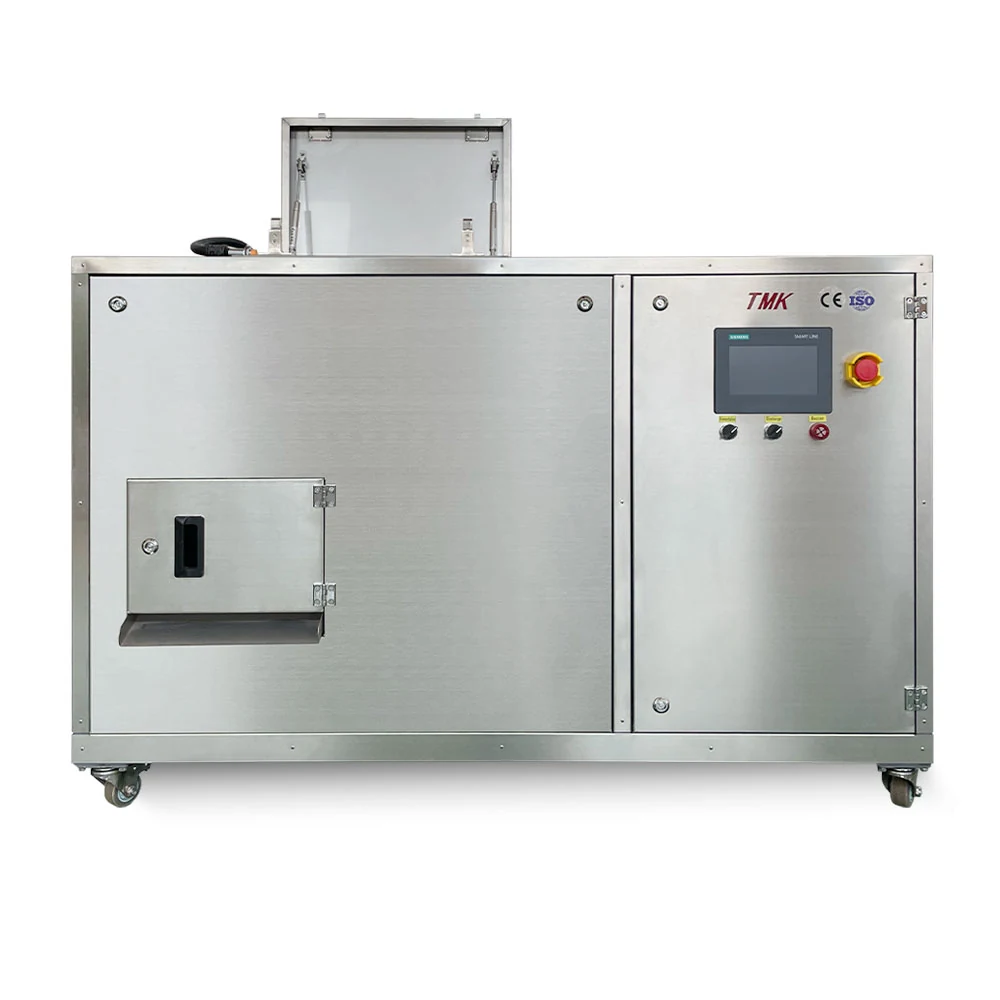
Food Waste Machine | Commercial Food Waste Composting Machine Manufacturer
Food waste has become one of the world’s fastest-growing environmental challenges. Every day, restaurants, hotels, supermarkets, food processing plants, schools, and commercial kitchens generate large amounts of organic waste that often ends up in landfills. This not only wastes valuable resources but also produces harmful greenhouse gases and increases disposal costs.
This machine offers an efficient and environmentally friendly solution by converting organic waste into valuable compost or fertilizer. With advanced composting technology, businesses can significantly reduce waste volume, lower operating costs, and contribute to a more sustainable future.
- What Is a
Food Waste Machine
It is an automated system designed to process food scraps and organic waste through controlled crushing, mixing, heating, and aerobic microbial fermentation. Instead of transporting food waste to landfills, the machine recycles it on-site into nutrient-rich organic compost.
Modern food waste composting machines are widely used in commercial kitchens, hotels, restaurants, supermarkets, hospitals, schools, factories, residential communities, and food processing facilities.
- Quick View
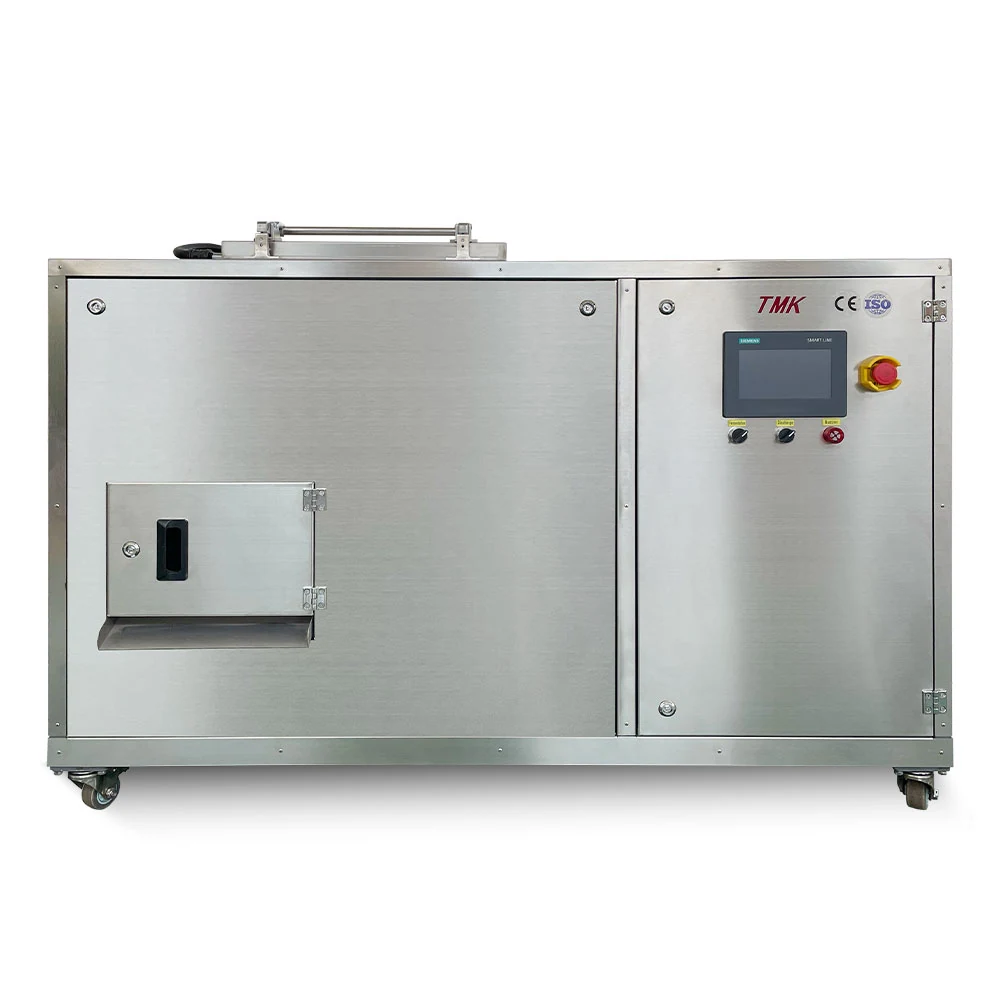
- TMK-100 Food Waste Compost Machine
- Leave your contact details now to get the latest price!
How Does a Food Waste Machine Work?
Although different models use different technologies, most commercial food waste composting machines follow a similar process:
- Waste Loading
- – Food waste is placed into the machine.
- Crushing and Mixing
- – The waste is shredded and evenly mixed to improve decomposition.
Heating and Fermentation
– Beneficial microorganisms rapidly break down organic matter under controlled temperature and moisture conditions.
- Odor Treatmen
- t – Advanced deodorization systems help eliminate unpleasant odors during operation.
Compost Production
– After the composting cycle, the waste volume is reduced by up to 90%, leaving stable organic compost that can be used as fertilizer or soil conditioner.
- Key Benefits
- High Waste Reduction:
- It can reduce organic waste volume by 80%–90%, significantly decreasing landfill disposal requirements.
Fast Composting Process:
Compared with traditional composting methods that may take weeks or months, automatic composting machines can complete the process within 21–24 hours, depending on the waste type and system design.
Lower Disposal Costs:
By processing food waste on-site, businesses can reduce transportation, landfill fees, and waste handling expenses.
Environmentally Friendly:
Recycling food waste into compost helps reduce methane emissions from landfills while supporting a circular economy and sustainable waste management.
Easy Operation:
Modern machines feature automatic temperature control, intelligent monitoring, and user-friendly touch-screen controls, making daily operation simple and efficient.
- Applications
- Restaurants
- Hotels and resorts
- Commercial kitchens
- Supermarkets
- Hospitals
- Schools and universities
- Food processing factories
- Corporate cafeterias
- Residential communities
- Farms and agricultural facilities