
Ball Transfer Unit Mounting Styles Explained
Flange, press, bolt-down, stud and downward mounts are not interchangeable. The plate you have usually decides which one you can use.
Flange Mount
A wide collar sits on top of the plate with screw holes through it. The flange fixes the ball height and spreads load into the plate, and because everything happens above the surface it is the easiest style to retrofit into a table that is already built.
The trade-off is that the flange stands proud of the plate, so it is not the choice where anything has to slide flat across the surface between balls.
Press Mount
The body has a plain shoulder and is pressed into a punched or drilled hole. The result is flush and clean, which suits plates where product slides as well as rolls. It needs the hole size and plate thickness to be right, so it is easier to specify on a new plate than to retrofit into an old one.
Bolt-Down and Stud Mount
Fixed through the plate from underneath, either with bolt holes in the base or a threaded stud. This is the style for anything that vibrates, tilts or gets hit: the housing is clamped to the plate rather than held by a press fit.
Check thread reach before ordering. A stud that bottoms out holds the housing off the plate and the published load rating no longer applies.
Downward and Side Mount
Standard units rely on the load to keep the ball seated, so they cannot be inverted. Downward and side-facing models such as the IK and UK series retain the ball mechanically and are built to work pointing down or sideways, typically as hold-down and guide balls above or beside a conveyor.
Choosing Body Material Alongside the Mount
Mount style and body material are separate decisions. Pressed steel bodies cover most indoor carton work; machined bodies hold their geometry under impact; stainless bodies go where cleaning chemicals or product contact are involved; nylon balls go where the conveyed surface must not be marked.
Components referenced in this guide
Cutting Bearing Metal Skate Wheel W-32BS
Load Capacity: 90kgs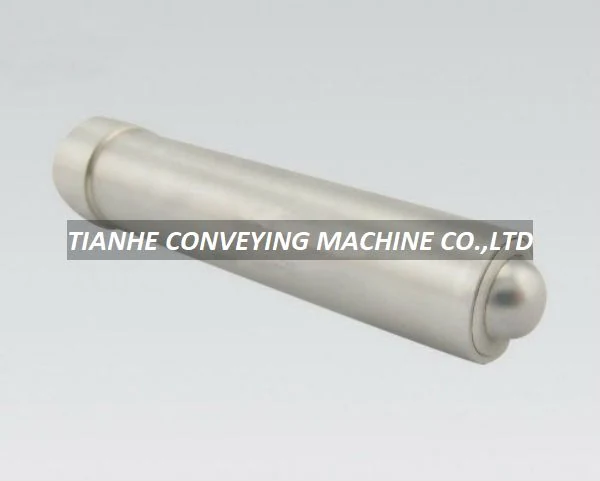
Customized Machined Ball Transfer Unit FB-030
Load Capacity: 10kgs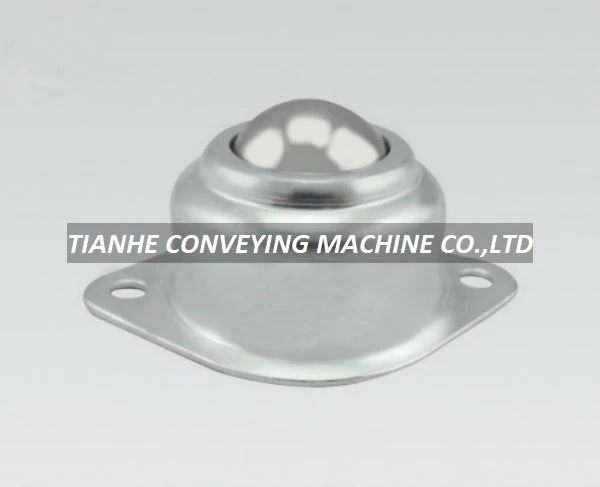
Flange Mount Ball Transfer Unit CY-25A
Load Capacity: 25kgs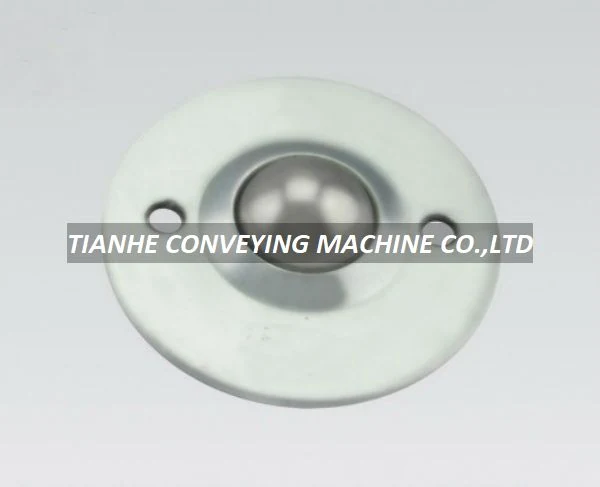
Disk Mount Pressed Ball Transfer Unit CY-25B
Load Capacity: 25kgs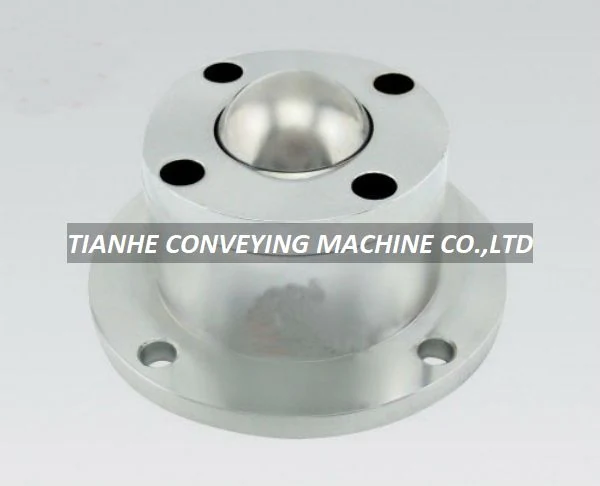
Flange Mount Fine Machined Ball Transfer Unit D-24H
Load Capacity: 600kgs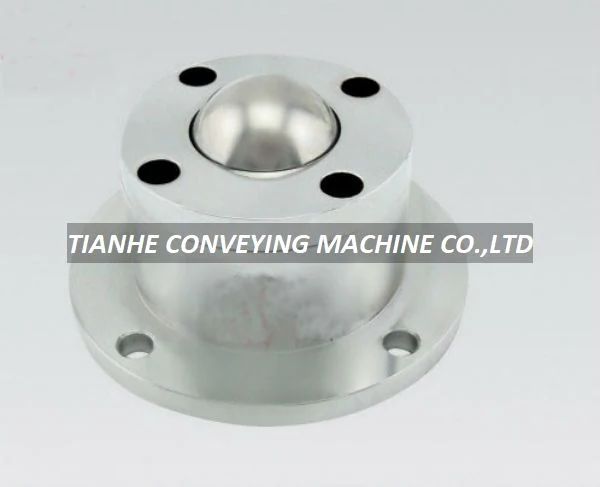
Flange Mount Fine Machined Ball Transfer Unit D-16H
Load Capacity: 300kgs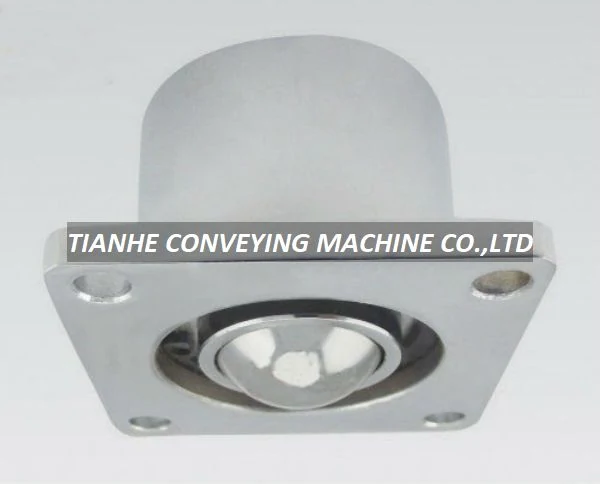
Downward Ball Transfer Unit UK-76
Load Capacity: 500kgs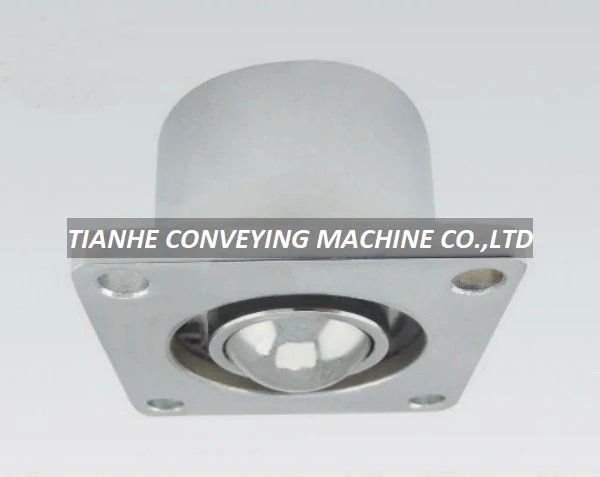
Downward Ball Transfer Unit UK-51
Load Capacity: 300kgsFrequently Asked Questions
Can I replace a press mount unit with a flange mount one?
Only if the flange clears whatever sits around the hole. The hole diameter for a press fit and the bolt pattern for a flange are different, so check both against the plate.
Which mount is best for a table a forklift reaches into?
Bolt-down or stud mount, because impact and lateral force will eventually loosen a press fit.
Still not sure which model fits?
Send the load, dimensions and environment and we will point to the right family.