
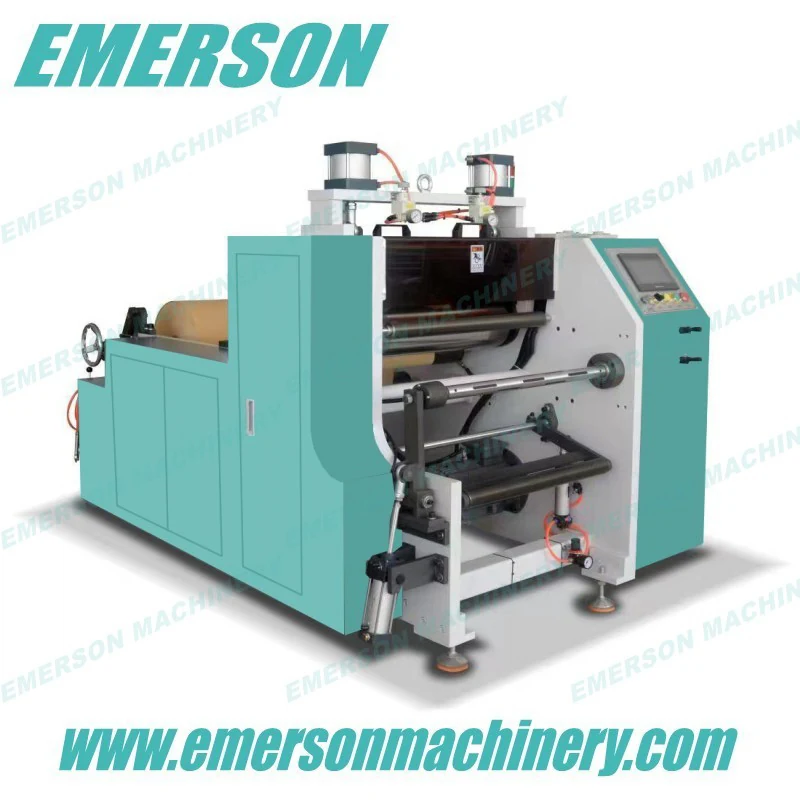
Kraft Honeycomb Paper Machine
EM-PH600
The entry point into honeycomb cushioning production
View specificationsKnowledge Center · 2021-12-29
Kraft paper explained: basis weight range, classification by colour use and material, why colour varies between batches, and where it is used in packaging.
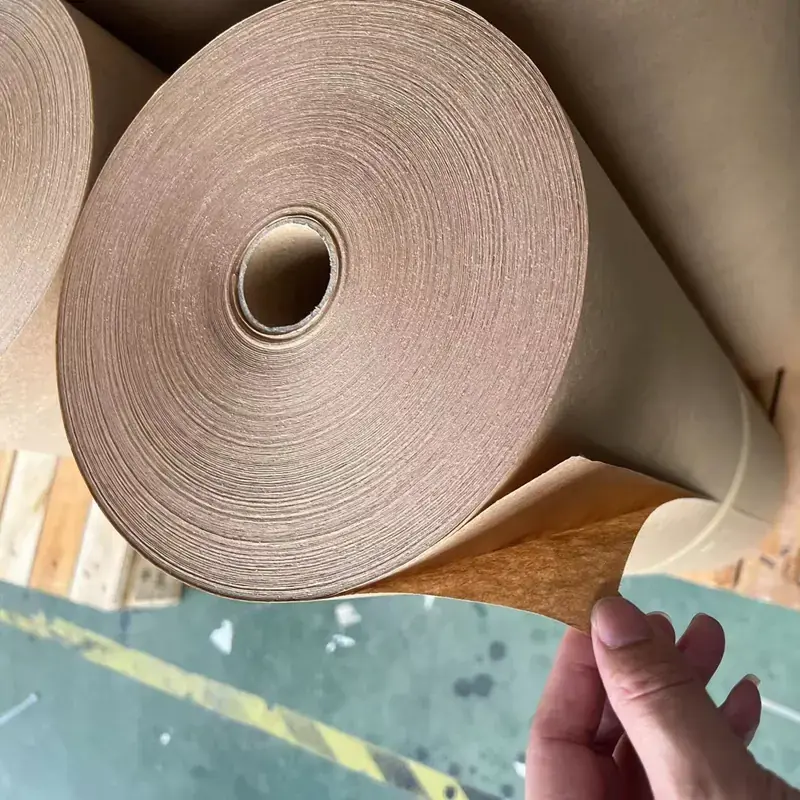
Kraft paper is a tough, water-resistant packaging paper with a brownish-yellow colour and a wide range of uses. It is often used to make paper bags, envelopes, workbooks, record sleeves, files and sandpaper. The basis weight range is from 80 g/m2 to 120 g/m2. There are differences between web and flat paper, single-sided light, double-sided light, and stripe. The main quality requirements are flexibility and strength, high burst resistance, and the ability to withstand greater tension and pressure without breaking.
Flat paper specifications differ according to the machine, and the slitting is different. A general roll slitting machine can cut to a minimum of 460 mm and a maximum of 1460 mm, and a flat cutting machine can then cut any specification you want. Common printing specifications are 787 x 1092 mm and 889 x 1194 mm.
Kraft paper is a collective name for a kind of paper with no single standard, so it is generally classified by nature and use. By colour it divides into primary colour, red, white, flat, single-gloss and two-colour kraft paper. By use it divides into packaging, waterproof, moisture-proof, anti-rust, pattern-making, process and insulating kraft paper as well as kraft stickers. By material it divides into recycled kraft, kraft core paper, kraft base paper, rough kraft, kraft wax paper, wood pulp kraft and composite kraft paper.
Different raw material sources, production batches, production seasons and production machines all affect the colour of the kraft base paper. This difference is difficult to avoid and cannot be controlled. Generally the same batch of kraft paper can guarantee 98% colour consistency.
Kraft paper is used in the chemical, machinery and other industries, and especially in food packaging. Its tensile strength suits packaging that has to be carried, and beverage packaging needs a degree of moisture resistance so the material does not deform. For frozen food packaging, high-strength material is again the key consideration.
Because kraft grades vary by weight and finish, each of our machines states the paper weight it runs. The honeycomb machines take 70-100 g, the kraft bubble machines from 60 gsm, the bubble sheet machine 80-180 gsm, the fanfold folding machines 40-150 gsm, the shredder 50-180 g and the paper cushion machine 70-80 gsm.
EM-PH600
The entry point into honeycomb cushioning production
View specifications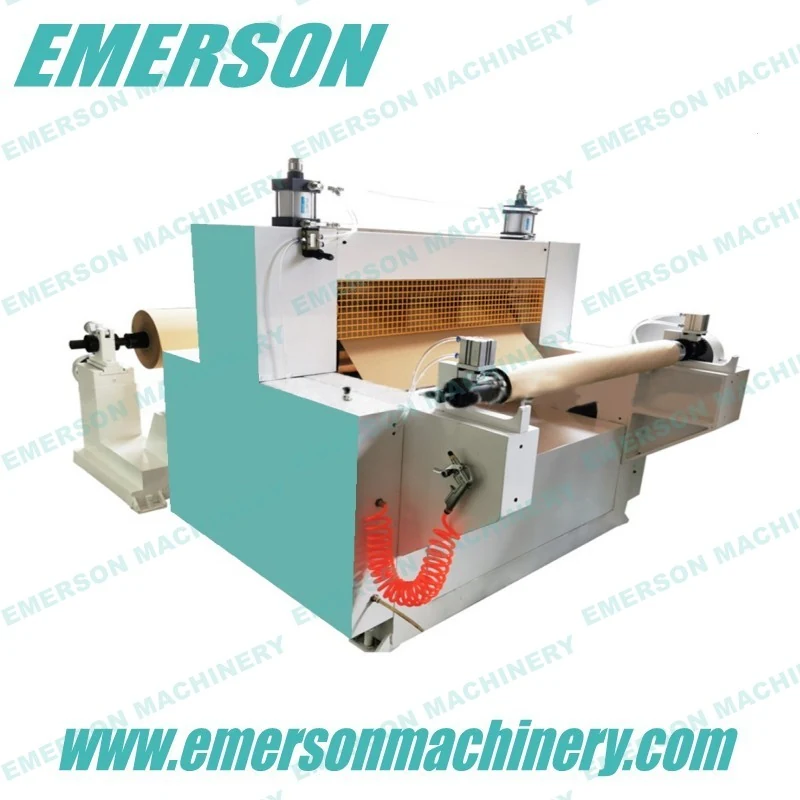
EM-PB800
Industrial width embossed kraft bubble, in roll form
View specifications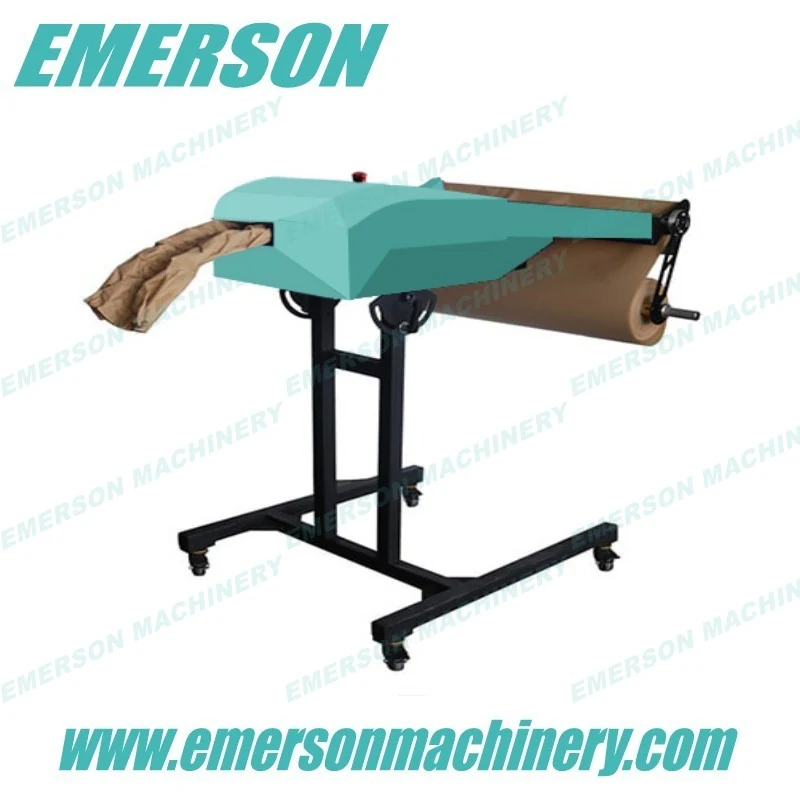
Cushion pad forming machine
Crumpled kraft pads, formed at the packing bench
View specificationsKraft paper is a tough, water-resistant packaging paper with a brownish-yellow colour and a wide range of uses. It is often used to make paper bags, envelopes, workbooks, record sleeves, files and sandpaper. The basis weight range is from 80 g/m2 to 120 g/m2. There are differences between web and flat paper, single-sided light, double-sided light, and stripe. The main quality requirements are flexibility and strength, high burst resistance, and the ability to withstand greater tension and pressure without breaking.
Kraft Honeycomb Paper Machine (EM-PH600), Kraft Paper Bubble Machine (EM-PB800), Paper Cushion Machine (Cushion pad forming machine).
It is drawn from our own published machine specifications and from the reference articles on this site. Nothing here is a performance promise for your own paper.
Yes. Send the paper weight, width and reel diameter you buy and we will say which machines run it.
Send the grade, weight and reel size you buy locally and we will confirm which machines run it.