

Anhui Keye Intelligent Technology Co., Ltd. · Hefei, China · since 2011
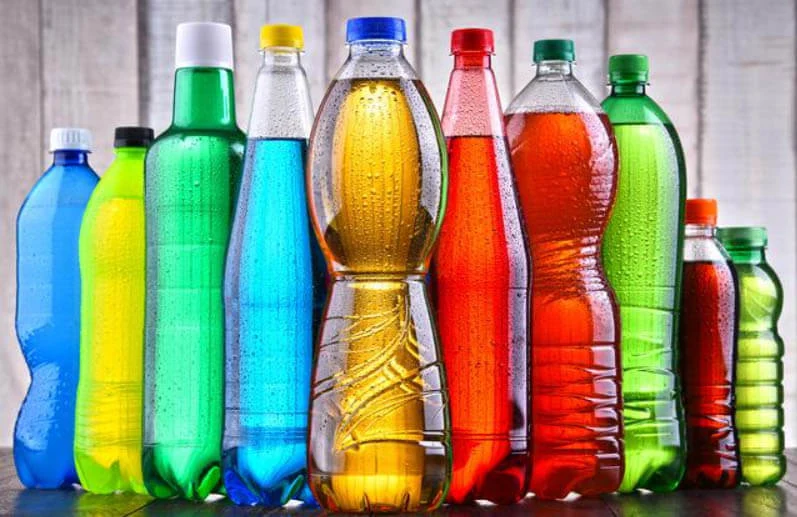
Bottles and containers - Every bottle checked at line speed, not by eye
Bottles and containers

Every bottle checked at line speed, not by eye

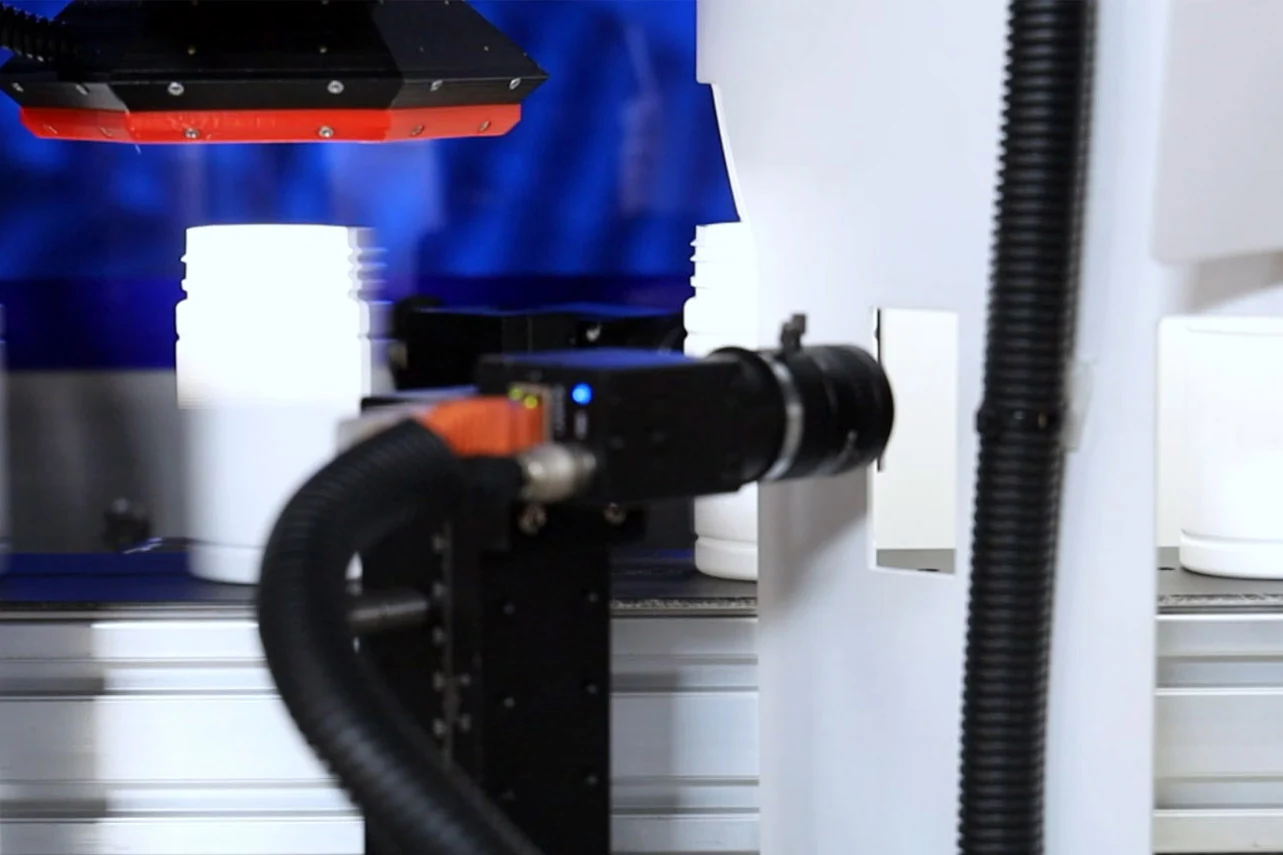
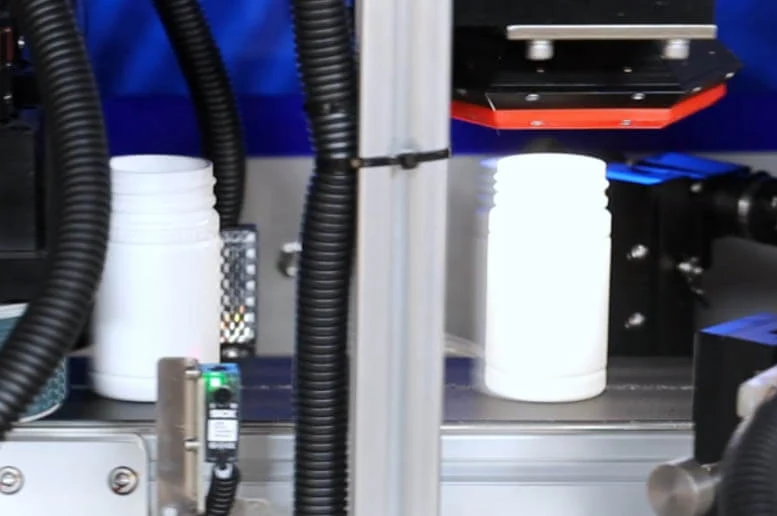
Multi-camera AI inspection that finds black spots, thread damage, colour drift and deformation on blow-moulded bottles, then rejects them online before they reach your filler.

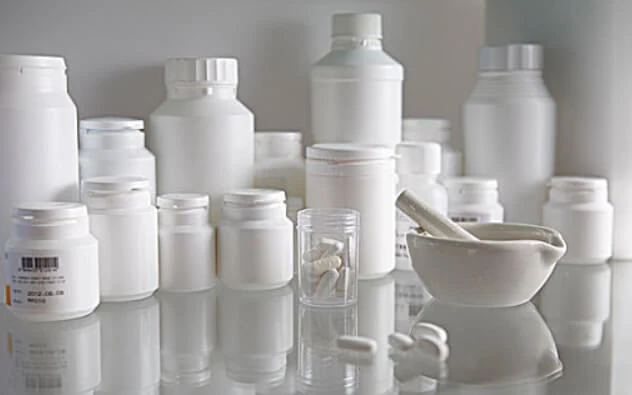
Caps and closures - Up to 2500 caps a minute, 0.1 mm precision
Caps and closures

Up to 2500 caps a minute, 0.1 mm precision

Six to sixteen industrial cameras give 360-degree coverage of cap top, sidewall and thread. Defective closures leave the line through high-speed air valves; good ones are counted and boxed.

KVIS-V16.0 AI platform - Train on good parts. Catch the defects you have never seen
KVIS-V16.0 AI platform

Train on good parts. Catch the defects you have never seen

Our Good Product Training Model learns from OK images alone, so you are not blocked waiting for rare defect samples. Defect Synthesis generates the rest, annotations included.

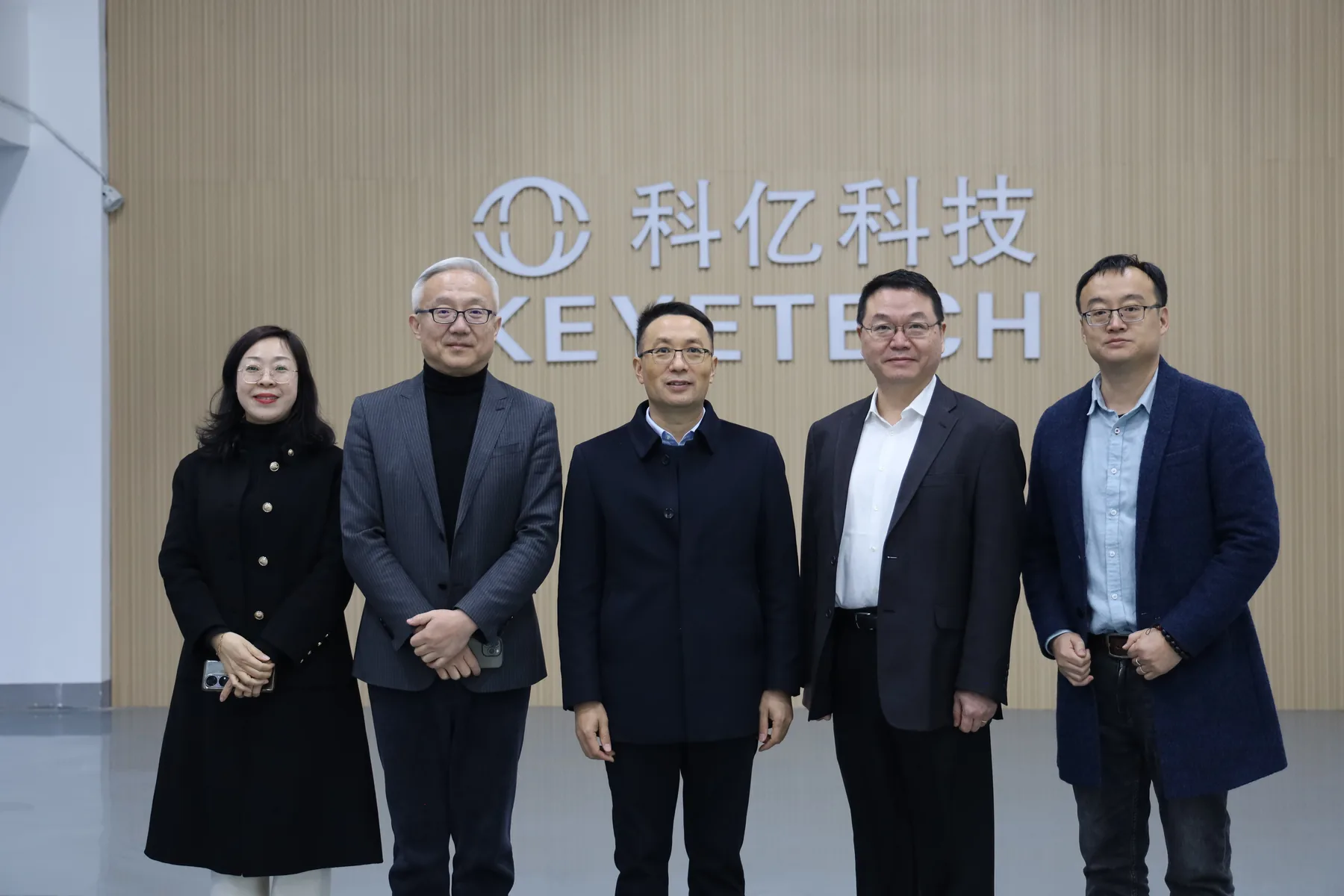
Hefei High-Tech Zone - One factory builds the optics, the cameras and the algorithm
Hefei High-Tech Zone

One factory builds the optics, the cameras and the algorithm

Light source, industrial camera, edge computing unit, AI software and mechanical frame are all developed in house on a 29,000 m2 campus. That is why support does not stall at a supplier boundary.

AI visual inspection systems for plastic packaging

What we actually do

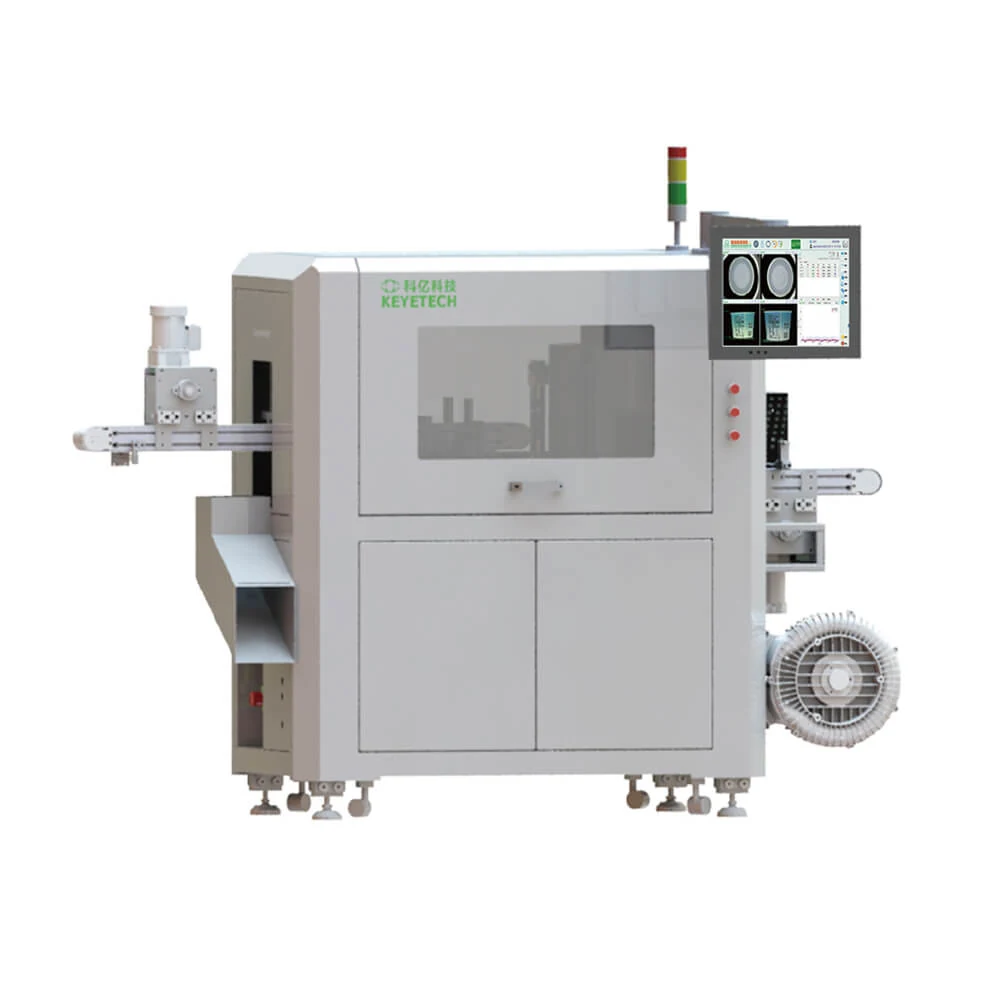
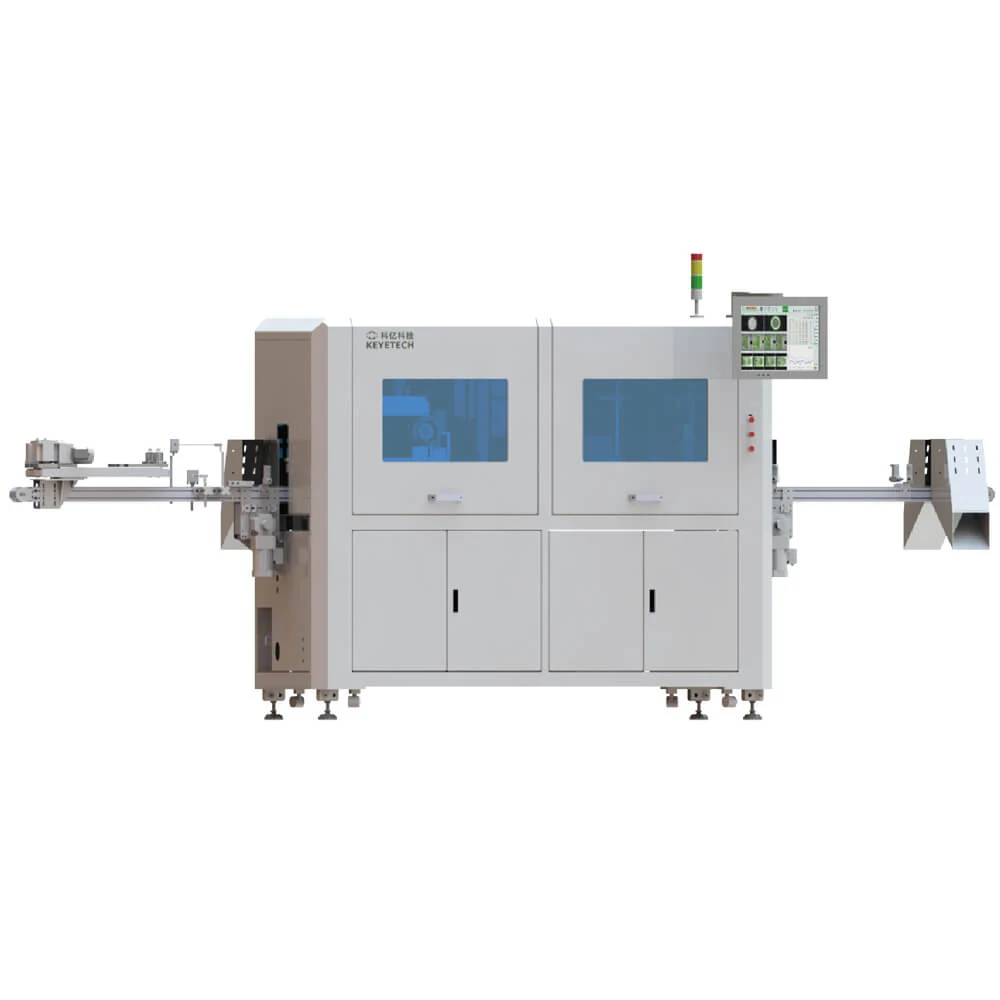
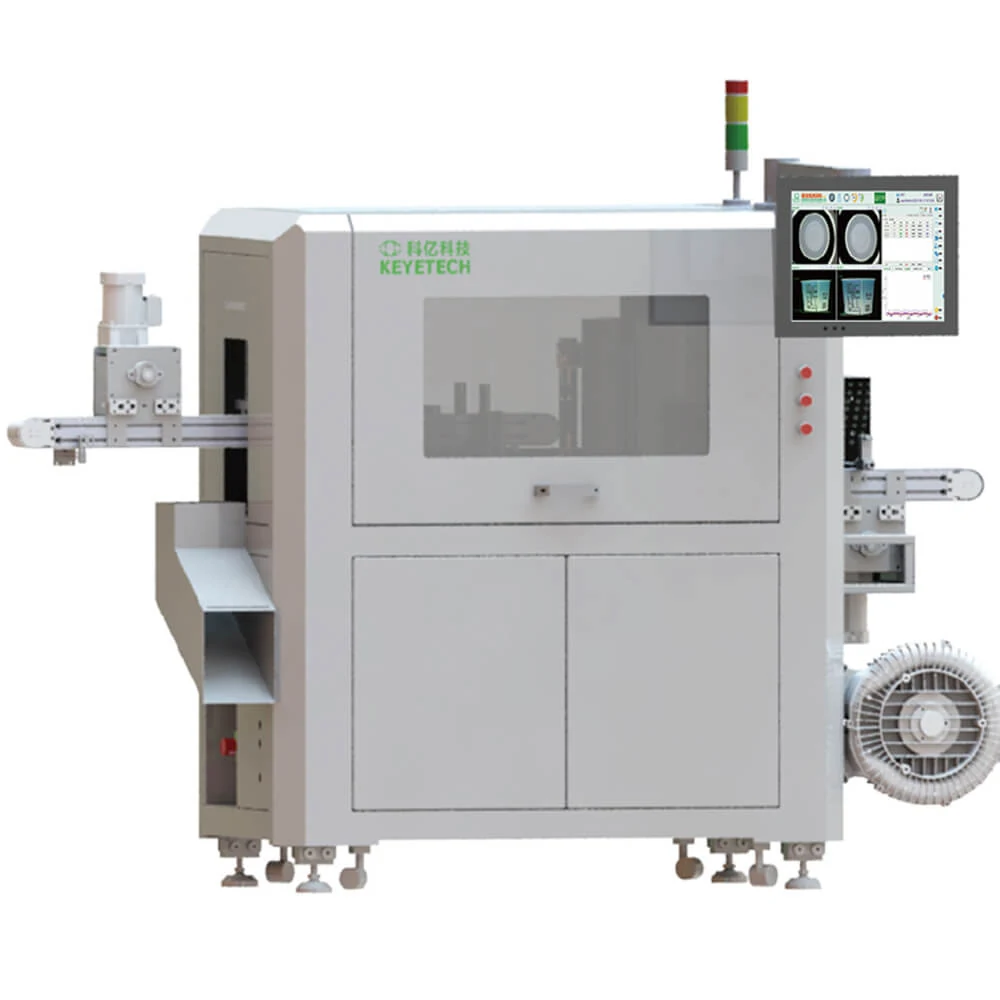
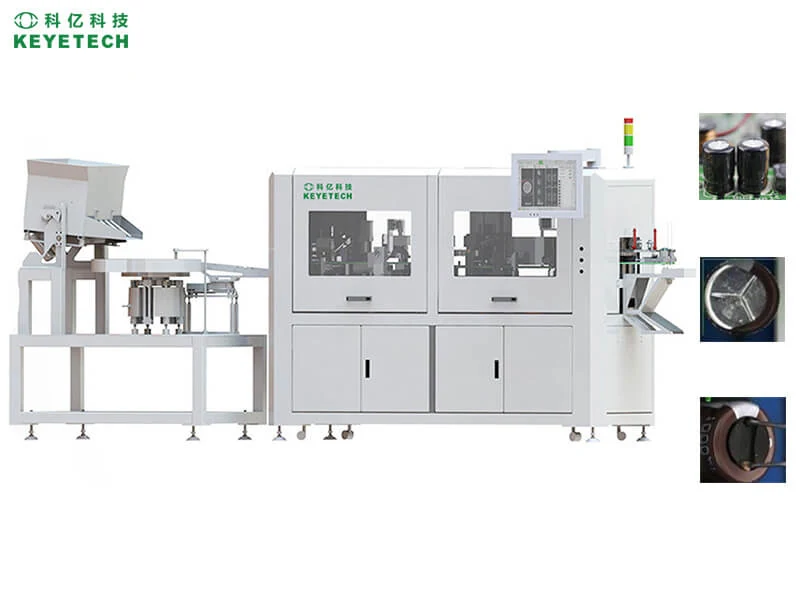
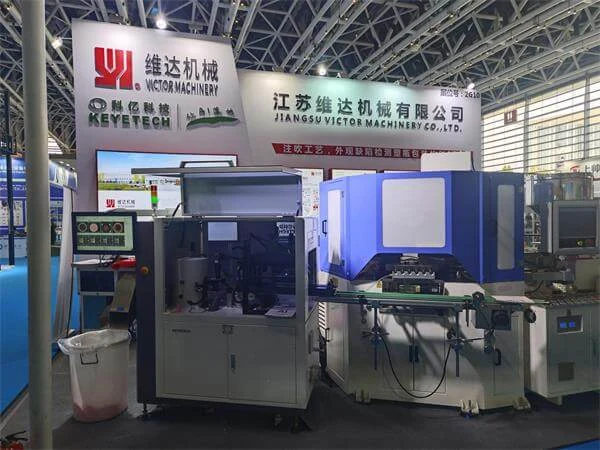
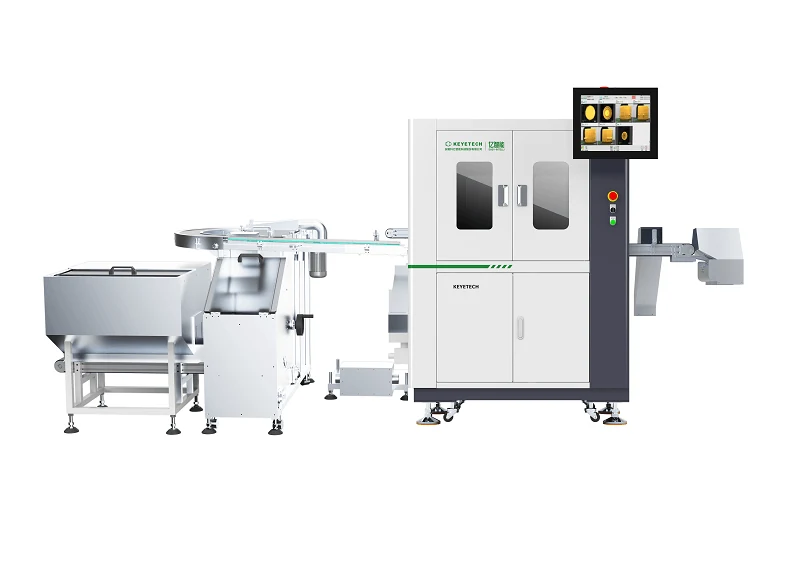
KeyeTech designs and builds the machines that sit at the end of a plastic packaging line and decide, part by part, what ships and what does not. A feeder presents the part, a customised light source and industrial cameras image it from every angle, the KVIS AI system compares what it sees against your accepted standard, and an air valve removes anything that fails.

We are not an integrator reselling someone else's cameras. The optics, the strobe light sources, the embedded computing unit and the inspection software are developed by our own team in Hefei, which is why a detection problem on your line can be solved by the people who wrote the algorithm.

2011Building vision systems since
200+Employees in Hefei
60R&D engineers, optics to algorithm
2000+Customers served
40+Patents and software copyrights
29,000 m2R&D and production campus
The problem

The problem this replaces

Manual sorting does not scale

A person checking caps on a light table gets slower and less consistent after two hours. Line speed goes up, headcount goes up, and the escape rate stays where it was.

Escapes become customer complaints

A black spot or a broken tamper ring that reaches the filler is no longer a scrap cost. It is a rejected lot, a claim and a supplier audit.

Rare defects are hard to train on

Traditional vision needs labelled examples of every defect. On a high-yield line those examples take months to collect, so the project stalls.

Every part is a different problem

Cap top, bottle sidewall, preform gate and a printed label need different lighting, different camera counts and different tolerances. One standard machine does not cover them.

Product range

Seven machine families, 192 configurations

Every configuration on the old catalogue is here, with its own specification table and FAQ. Choose by the part you make.

Cap Visual Inspection machine by KeyeTech
73 systems

Cap and Closure Visual Inspection Machines

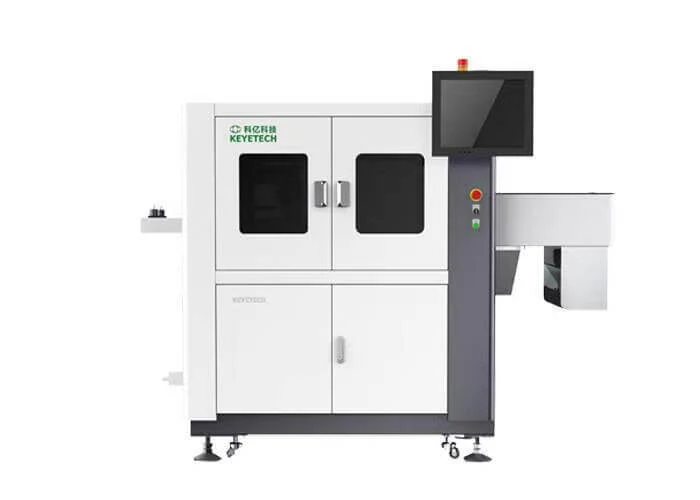
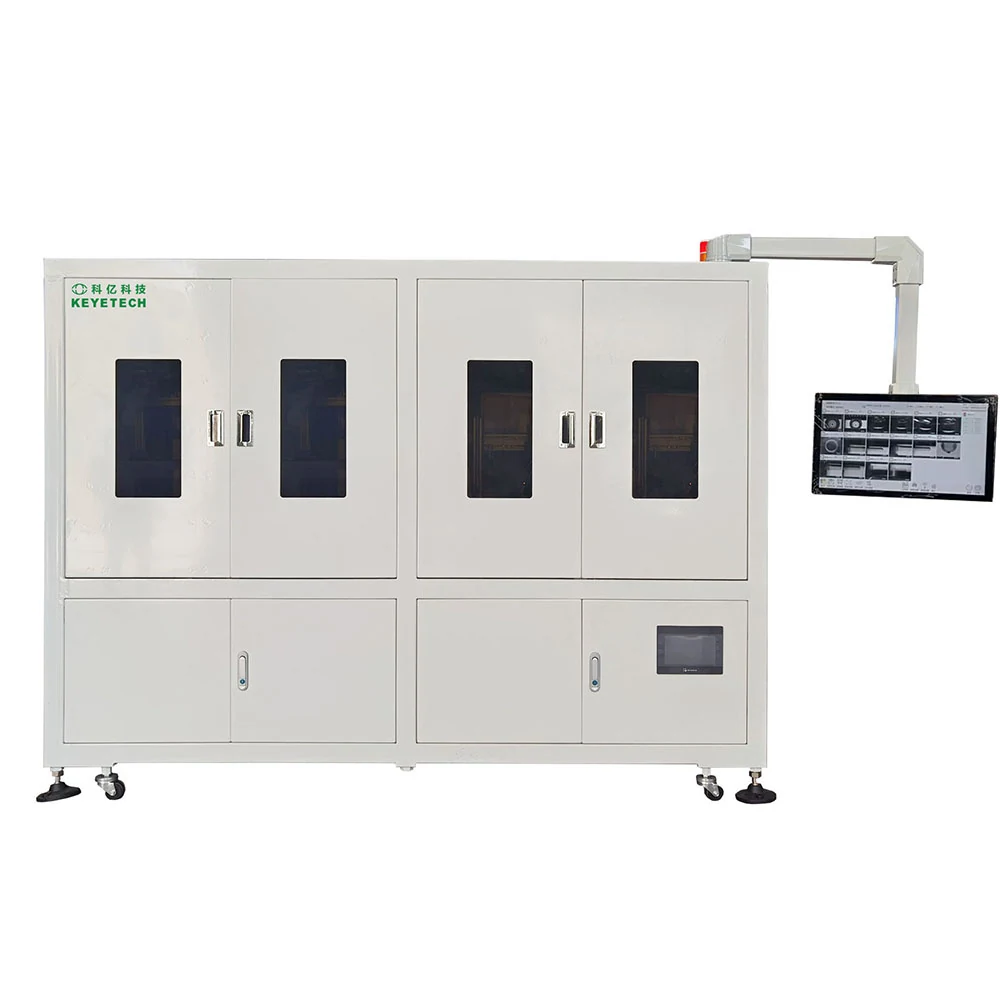
The largest family in our range. These systems inspect plastic closures for water, beverage, dairy, daily chemical and pharmaceutical packaging at production speed, and remove the failures without stopping the line.

Explore the range →
PET Preform Inspection machine by KeyeTech
21 systems

PET Preform Inspection and Sorting Systems

The core machine in an automated preform quality line, sitting between the moulder and the blower where a bad preform is still cheap to remove.

Explore the range →
IML Visual Inspection machine by KeyeTech
18 systems

IML Visual Inspection Machines

In-mould labelling puts the print inside the wall, so a label fault is a scrapped container, not a re-labelling job. These systems catch it at the moulder.

Explore the range →
Label Print Inspection machine by KeyeTech
11 systems

Label Print Inspection Machines

A visual inspection machine built for the printing defects that get past a press operator watching a moving web.

Explore the range →
Non-Standard Customisation machine by KeyeTech
1 systems

Non-Standard Customised Inspection Systems

For parts that do not fit any standard machine. We follow the principle that everything can be inspected, and design the optics from your samples.

Explore the range →
Why KeyeTech

Why buyers choose KeyeTech

Full technology chain in one building

Optics, electronics, mechanics, algorithm and software sit in the same R&D building. Core members of the team are PhDs from USTC. When the imaging is wrong, the person who can change the light source is upstairs.

AI that starts from good parts

The Good Product Training Model performs pixel-level anomaly detection using OK images only. Major defects need no labelling, changeover to a new part is fast, and unknown defects are still caught.

Defect Synthesis for scarce samples

Forward and backward diffusion algorithms generate realistic defect images from a handful of samples, with annotation information attached, so a model can be built without waiting for the line to produce failures.

Remote support that actually reaches the machine

Connected machines are updated online through the KeyeTech AI cloud platform. Inspection standards can be re-tuned from Hefei, 7x24, without flying an engineer to your plant.

Self-developed computing unit

A modular embedded unit with a 32 TOPS NPU chip replaces a traditional PLC control system, tolerates harsher temperature and humidity, and protects data through a sudden power loss.

Commissioning inside 48 hours

An engineer is on site within 48 hours of the machine arriving, and stays until it runs stably. Your technicians can also train at our factory free of charge.

Industries

Where these machines earn their place

Different sectors fail in different ways. These pages describe the defect that actually costs you money in each one.

Food and Beverage Packaging inspected by KeyeTech systems

Food and Beverage Packaging

Water and soft drink lines run fast and audit hard. A closure defect that reaches the filler stops a line that costs more per hour than the inspection machine.

Pharmaceutical Packaging inspected by KeyeTech systems

Pharmaceutical Packaging

Pharma packaging buyers audit their suppliers. An inspection machine with a defined, adjustable acceptance standard is easier to defend in an audit than a table of operators.

Dairy Packaging inspected by KeyeTech systems

Dairy Packaging

Short shelf life and cold chain mean dairy packaging faults are discovered late and cost a full batch. The inspection has to happen at the converter.

Daily Chemical Packaging inspected by KeyeTech systems

Daily Chemical Packaging

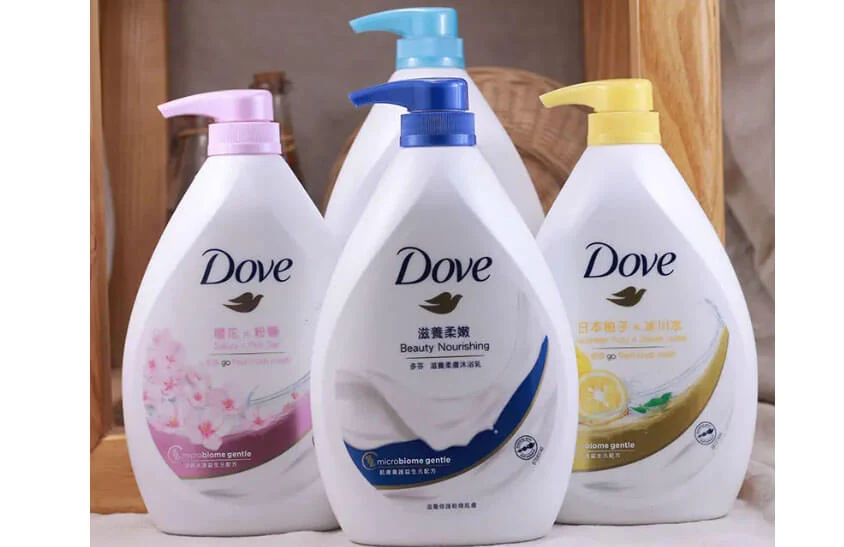
Personal care packaging is a visual product. A scuff, a colour shift or a crooked label is a customer complaint even when the pack functions perfectly.

Agricultural Products inspected by KeyeTech systems

Agricultural Products

The same anomaly-detection approach that grades a moulded cap can grade a natural product, where no two accepted items are identical.

Electronic Components and New Energy inspected by KeyeTech systems

Electronic Components and New Energy

Outside packaging, our systems inspect electronic components and new energy parts, where the defect is small and the tolerance is not negotiable.

Solutions

How the system gets into your line

Inline Inspection Integration

Put the quality gate where the defect is made, so nothing downstream ever sees it.

Offline Inspection and Sorting

A standalone station with its own feeder, for plants that cannot stop or rebuild the production line to add inspection.

Good Product Training and AI Model Deployment

Our AI 2.0 core technology. Train on good parts, catch the defects nobody has catalogued yet.

Intelligent Defect Generation

When the defect you need to catch is too rare to collect, synthesise it.

How we work

How a project runs

01

Send parts and defects

We need the part itself, photographs or drawings, the defect types that matter, the precision you need, your line speed and whether inspection is inline or offline. Physical defect samples are required before a firm quote.

02

Optical design and feasibility

The optical R&D team designs the imaging: light source type, camera count, lens and resolution matched to your smallest defect. We image your real samples before quoting, not after.

03

Build, model training and joint debugging

Hardware reliability testing, software testing, joint debugging of light, camera, valve and statistics, then model testing against your accepted standard. Nothing ships until it meets your test criteria.

04

Installation, training, remote life

On-site commissioning within 48 hours of arrival, operator training, then one year machine warranty, three years on camera, lens and sensor, and long-term remote maintenance through the cloud platform.

Projects and recognition

Who has put these systems to work

Send us the part and the defect

We answer within 24 hours. For a firm quotation we need physical defect samples, the required speed and precision, and whether the machine runs inline or offline.