
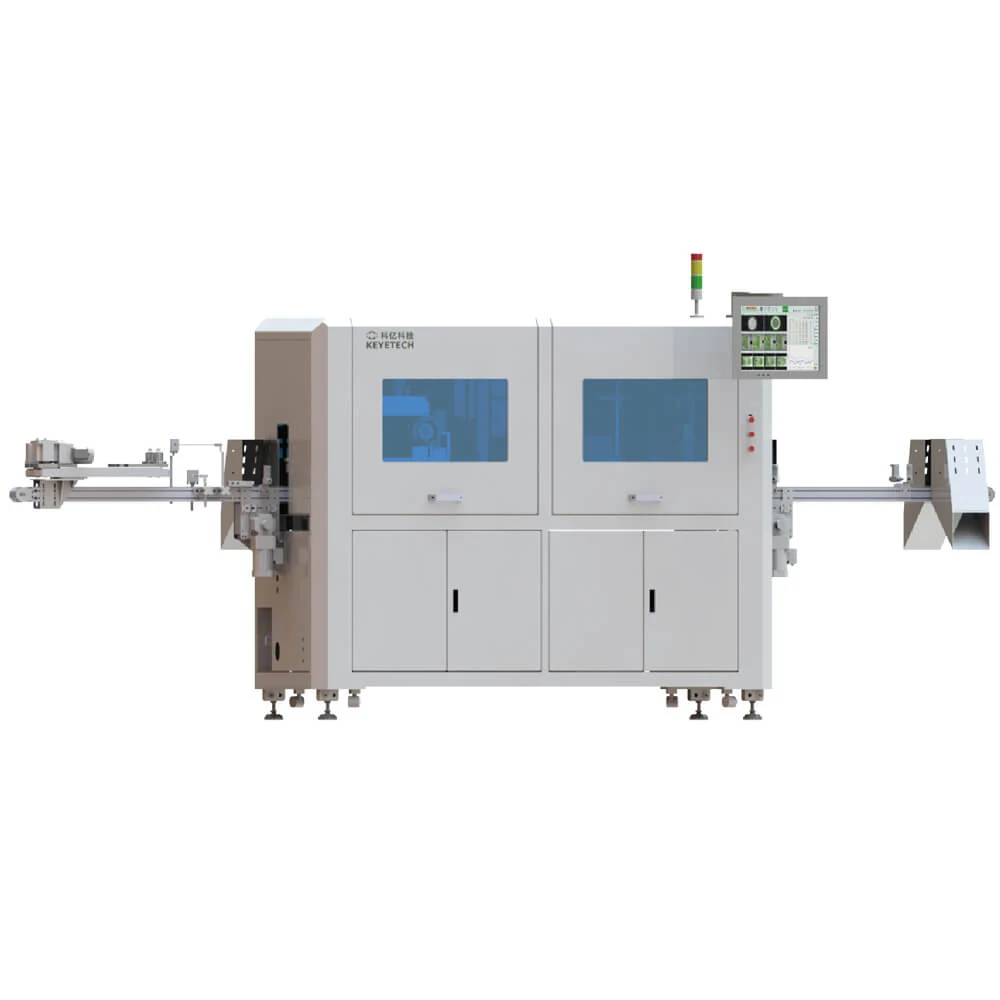
Label Print Inspection
6 Camera Effective AI Automatic Printing Inspection System with Visual Intelligence
Inspection Speed: 100~300pcs/min
View specification →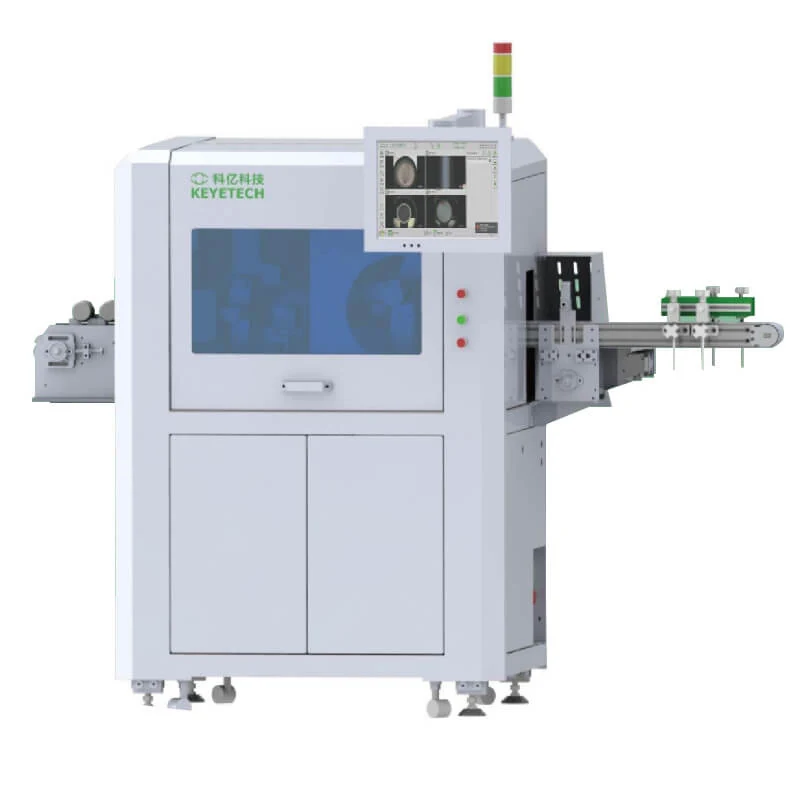
A visual inspection machine built for the printing defects that get past a press operator watching a moving web.
Printed label defects have their own vocabulary: oil splashing, a missing label, a crooked label, misprinting, registration drift and colour variation between reels. They are easy to describe and hard to catch by eye at press speed, which is why they are usually found by the customer instead.
These systems image the printed surface under controlled lighting and compare it against your approved artwork and colour standard. The AI system flags anything outside the accepted range and triggers rejection, so a defective reel section is identified where it happens rather than at the labelling machine downstream.
The same platform is used for label print quality on the label itself and for print quality on the finished packaging, so a converter and a filler can both apply the same inspection standard to the same artwork.
Each entry carries the specification table and FAQ published for that configuration.
Inspection Speed: 100~300pcs/min
View specification →Inspection Speed: 100~300pcs/min
View specification →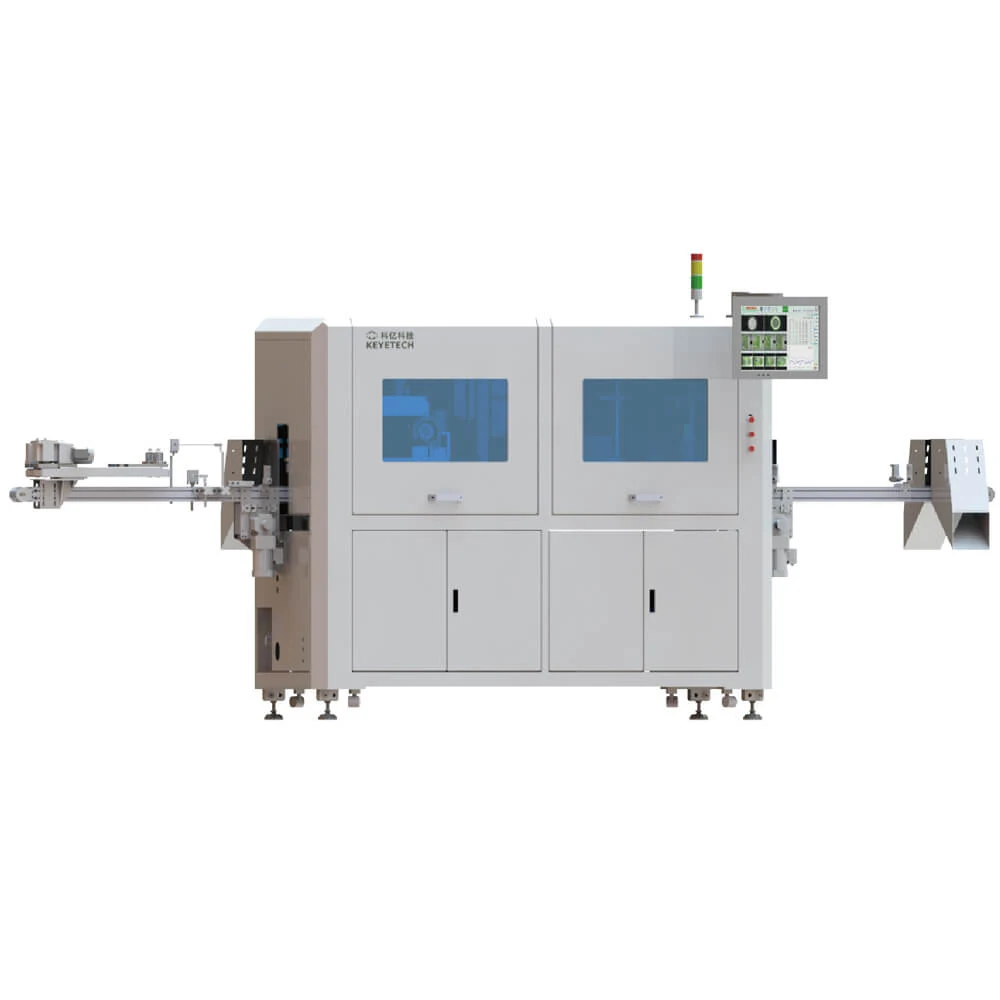
Inspection Speed: 100~300pcs/min
View specification →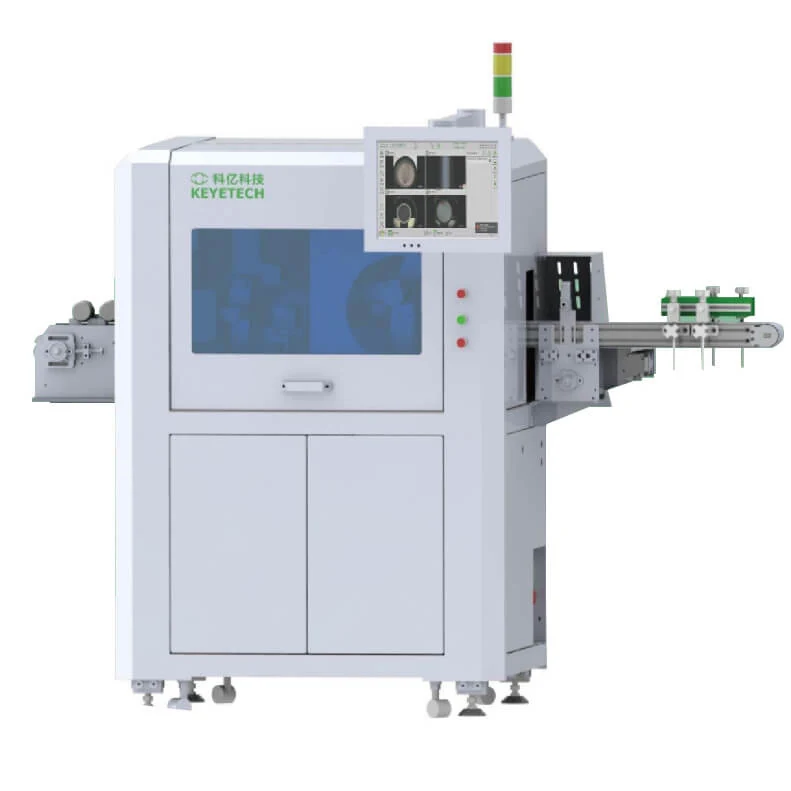
Inspection Speed: 100~300pcs/min
View specification →Inspection Speed: 100~300pcs/min
View specification →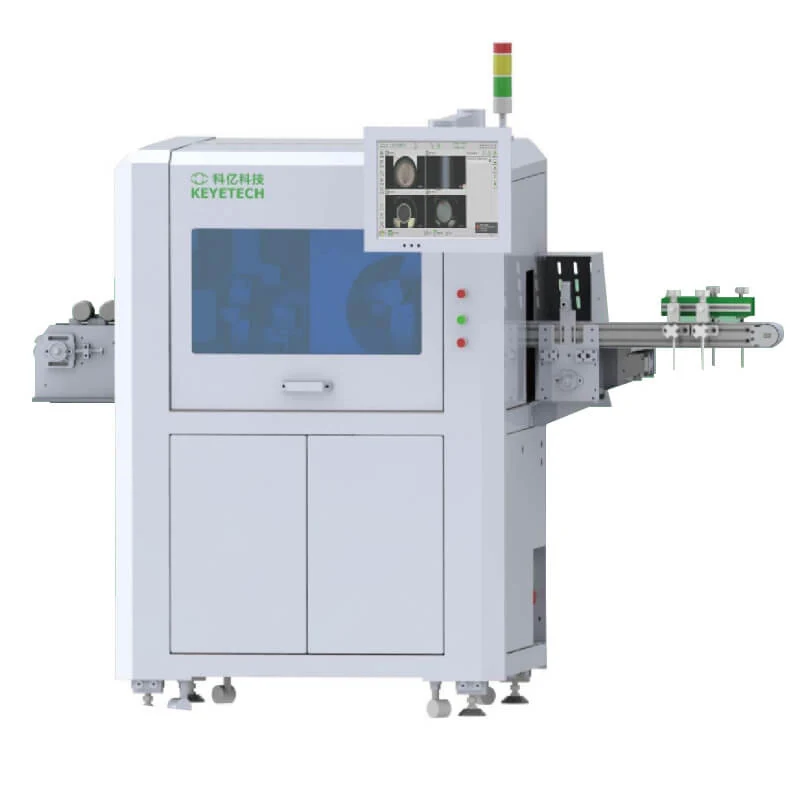
Inspection Speed: 100~300pcs/min
View specification →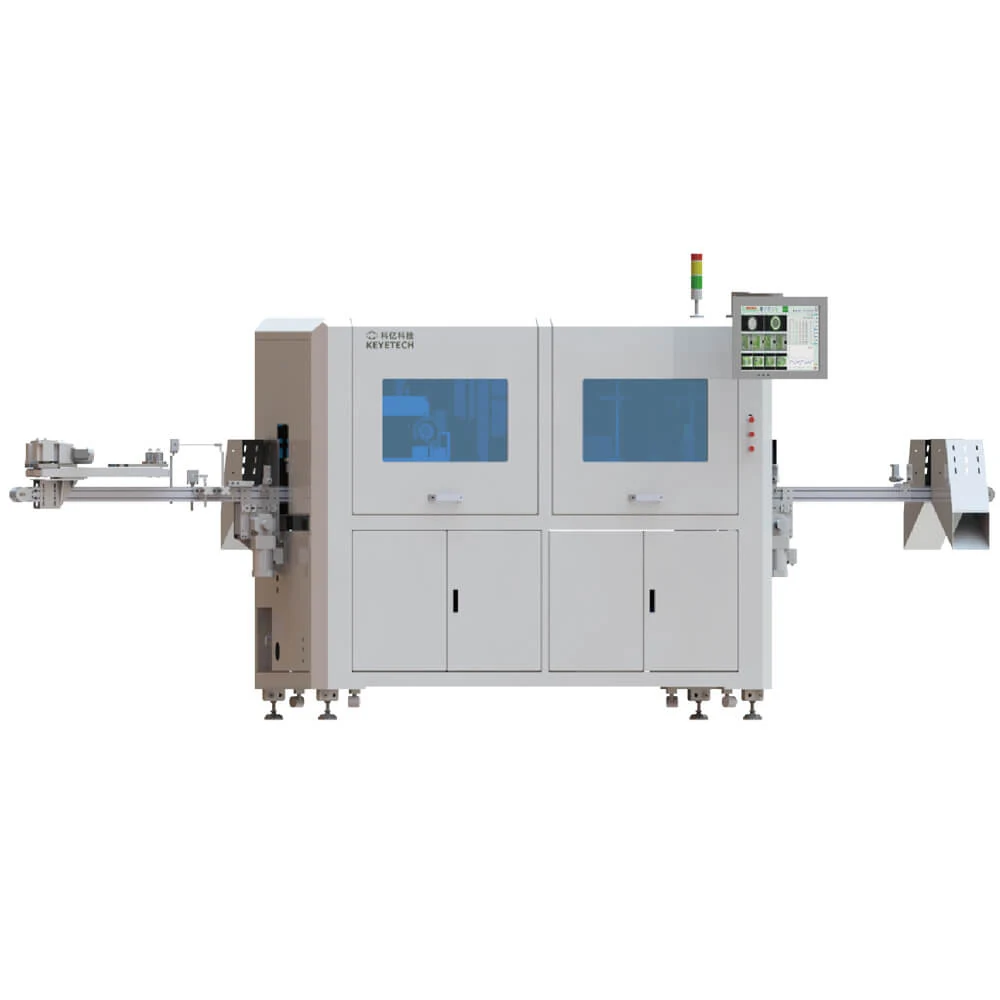
Inspection Speed: 100~300pcs/min
View specification →
Inspection Speed: 100~300pcs/min
View specification →
Inspection Speed: 100~300pcs/min
View specification →Inspection Speed: 100~300pcs/min
View specification →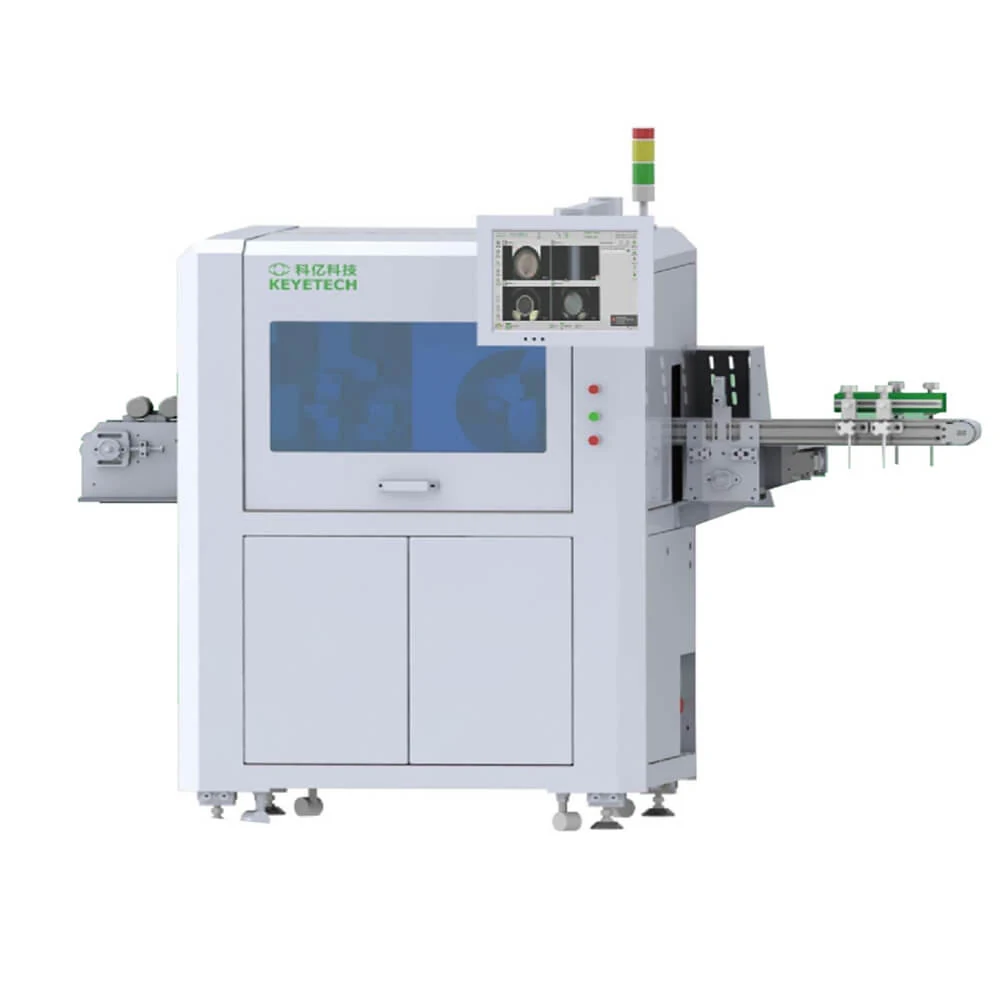
Inspection Speed: 100~300pcs/min
View specification →Oil splashing, label missing, label crooked and misprinting are the defect types the system is built around, along with colour difference and registration drift against your approved sample.
An approved physical sample is what the standard is built from. Artwork files help us understand the tolerance on text and codes, but the model is trained against real printed product.
The system is designed for appearance inspection of the printed result. Tell us at enquiry stage if code verification is part of the scope so it can be specified rather than assumed.
Changeover means loading the new accepted standard. The Good Product Training approach means a new job can be brought up from good samples without a full defect library.
Both are supplied. Inline sits on the web or on the packaging line; offline runs as an inspection station fed separately.
Printed samples including defective ones, the substrate, the web or part speed, the smallest defect that must be caught, and whether the machine is inline or offline.
Send the part, the defect list, the speed and the precision. We image your real samples before we quote.