
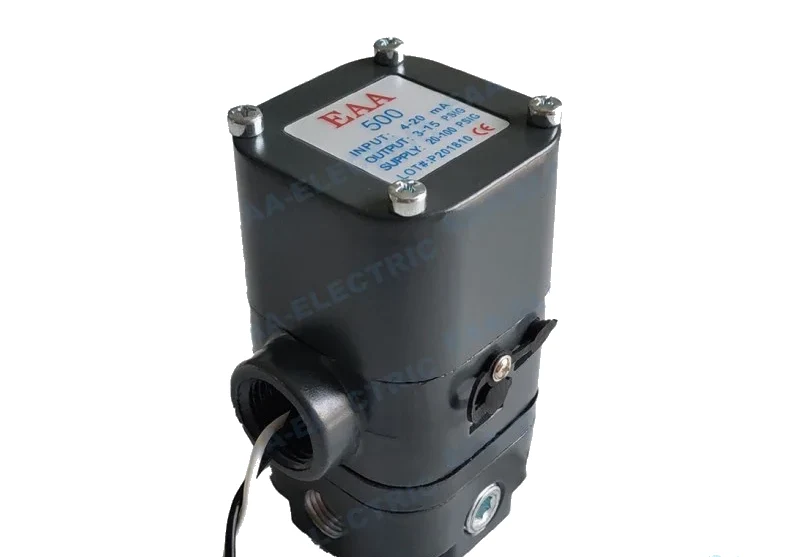
 Controlair Type Transducer
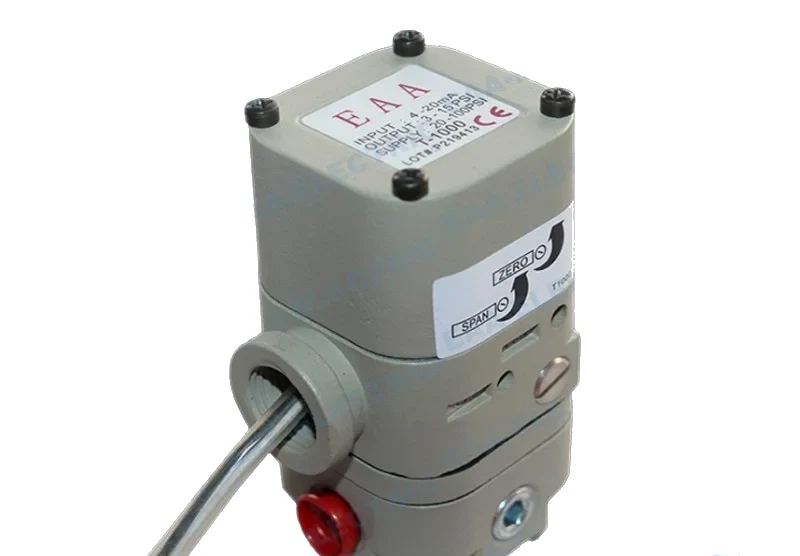 Marsh Bellofram Type Transducer
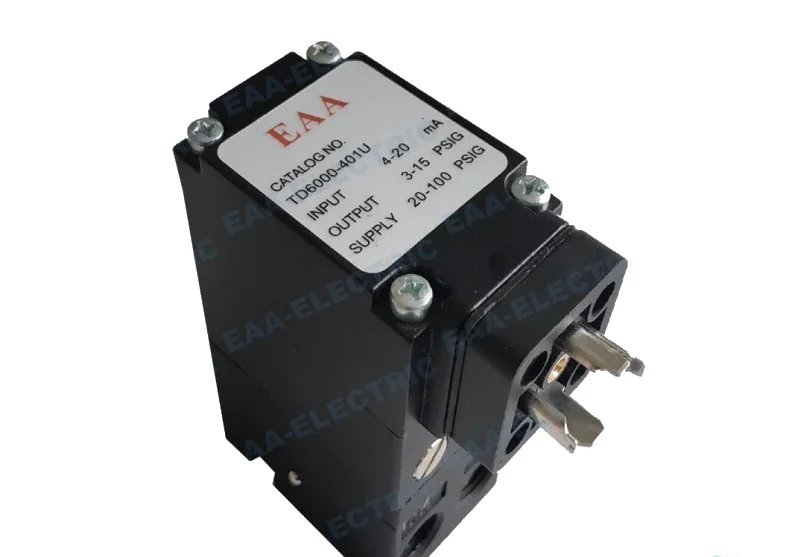 Fairchild Type Transducer
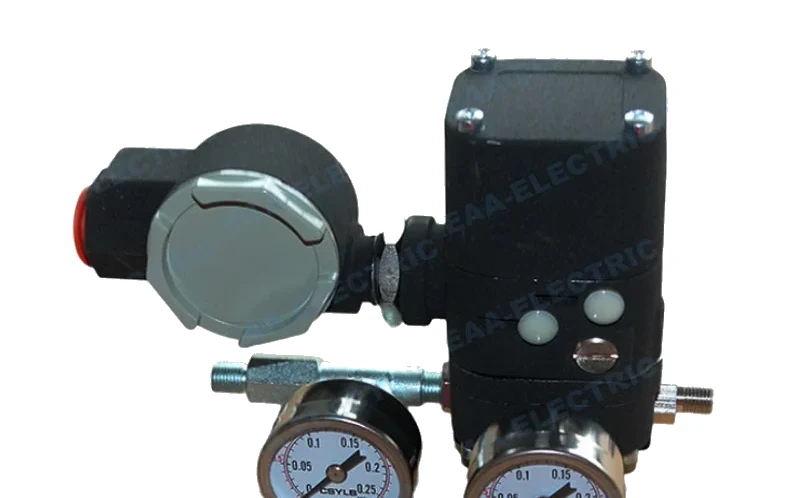 EPC Type Transducer
The Role Of An Electro Pneumatic Transducer In A Control Loop
A pneumatic control valve is a pneumatic instrument. It receives a pneumatic signal to act, and it is never in touch with the electrical signal used in industrial control. That single fact is what creates the job the transducer does.
The gap between the control room and the valve
Control of the industrial field needs a conversion instrument that turns the electrical signal from the control room into the gas signal the regulating valve can recognise. Without it there is no path from the controller to the final element.
Where the instrument is mounted
This kind of conversion instrument is installed on the on-site pneumatic control valve. It receives the electrical signal from the control room, converts it into the corresponding standard pneumatic signal, and enters that signal into the control valve as the pneumatic energy source the valve can operate on.
The two instruments that do this job
The one most industrial control personnel know is the valve positioner, which converts the control room signal into the pneumatic energy the valve needs and can be mechanical, electrical or intelligent. The other is the electro pneumatic transducer, which does the conversion without taking feedback from the valve stem.
Choosing between them
A transducer is simpler, cheaper and adequate where the loop needs a clean pressure signal. A positioner earns its cost where the valve itself resists, through stiff packing, high differential pressure or a long stroke. Because the transducer is an open-circuit conversion instrument with no signal feedback to improve its own accuracy, the control accuracy of a transducer fitted to a field regulating valve is lower than that of a positioner.
What this means for selection
Select the transducer for the signal and the spring, not by trying to make it behave like a positioner. If the valve needs to be forced to a position, buy a positioner. If it needs a proportional air pressure, the transducer is the right instrument and the cheaper one.
Models This Applies To
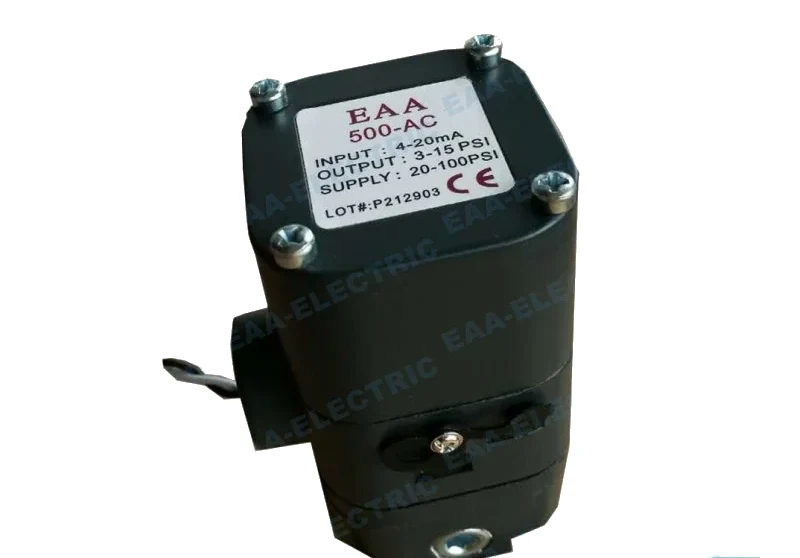 Controlair Type Transducer
500X Electro Pneumatic Converter
Controlair pattern E/P converter, 0-5 V, 1-9 V and 0-10 V inputs
View specifications →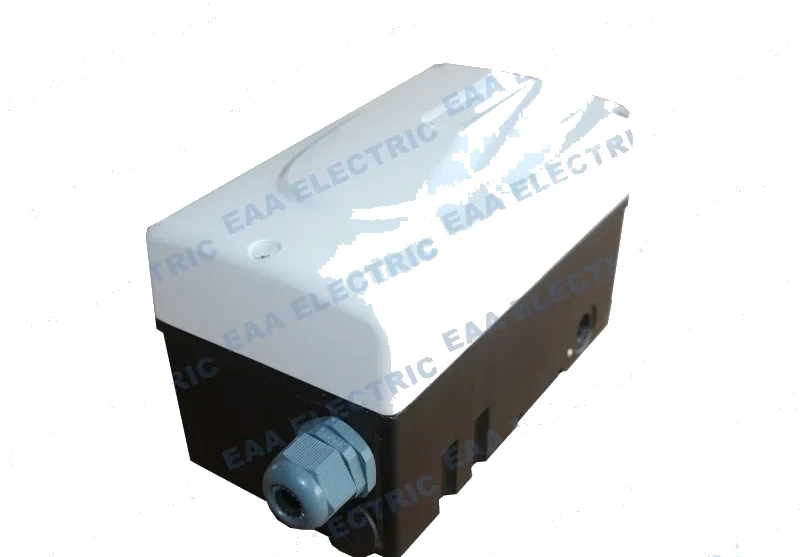 Flowserve Type Transducer
PT700 Electro Pneumatic Transducer
Two-wire piezoelectric microvalve transducer, ATEX EEx ia IIC T4, IP66
View specifications →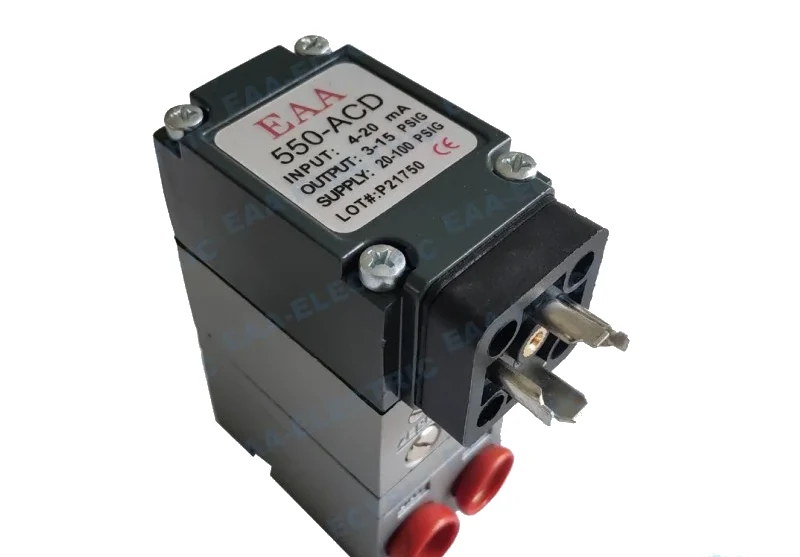 Controlair Type Transducer
550X Electro Pneumatic Transducer
Miniature EAA-550 series electronic pressure regulator, coded ordering
View specifications →Quick Answers
Why can a control valve not take the electrical signal directly
Because it is a pneumatic instrument. It acts on a pneumatic signal and is not in touch with the electrical signal used in industrial control.
Where is the conversion instrument mounted
On the on-site pneumatic control valve, so the electrical run ends there and the air run to the actuator is short.
Is a transducer as accurate as a positioner
No. A transducer is an open-circuit conversion instrument with no feedback from the valve stem, so its control accuracy on a field regulating valve is lower.
Still Not Sure Which Instrument You Need
Send the loop details and we will point you at the model that fits, and tell you when a positioner would serve you better than a transducer.