
EPC1000 Electro Pneumatic Transducer
The EPC1000 Series is a direct moving electro pneumatic transducer that converts electrical current control signals into...
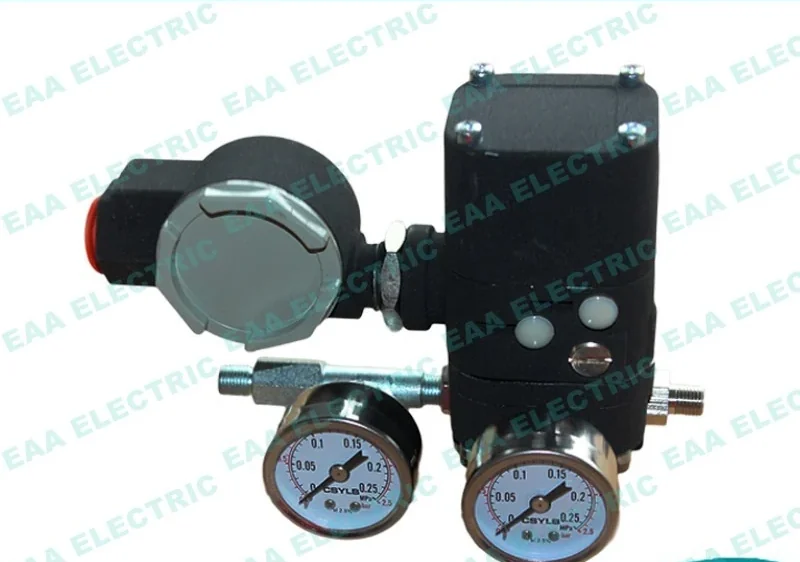
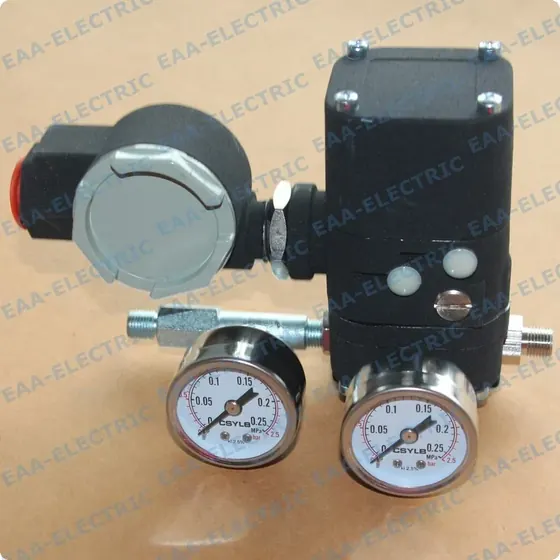
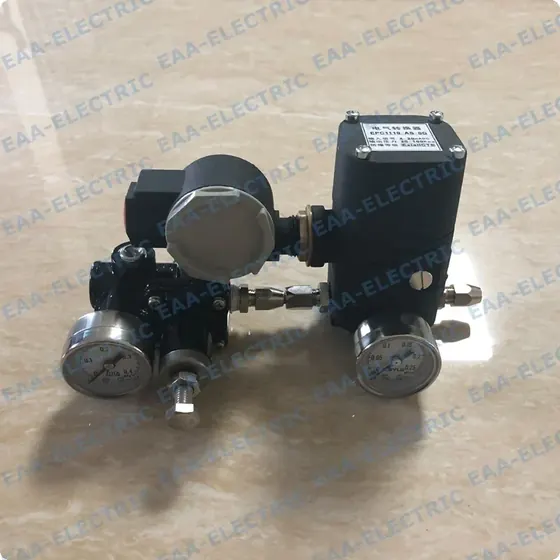
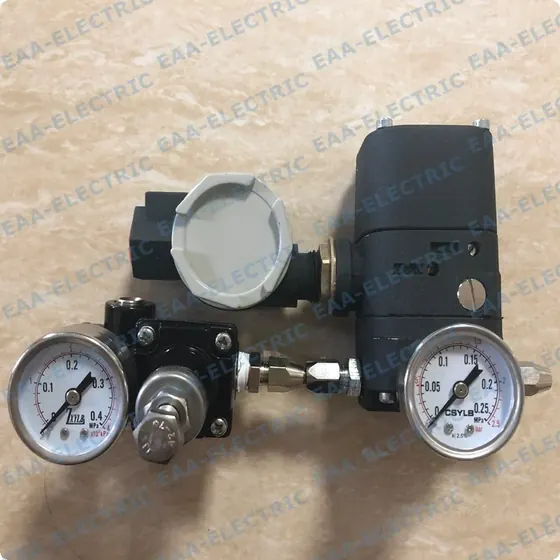
What This Model Does
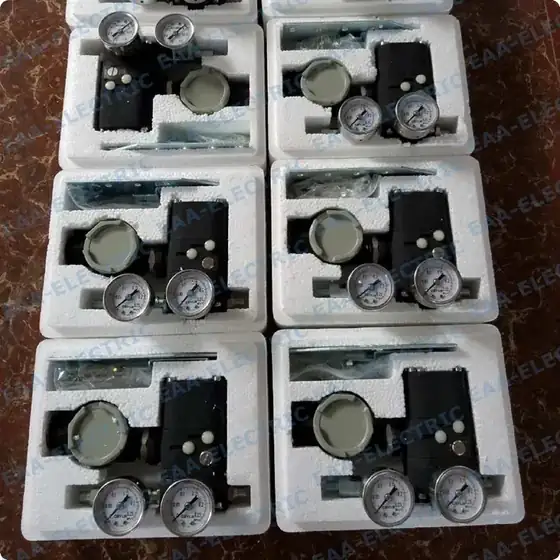
The EPC1000 Series is a direct moving electro pneumatic transducer that converts electrical current control signals into proportional pneumatic output pressures. Built around a classic nozzle baffle mechanism and an integrated pneumatic power amplifying relay, it delivers a high power pneumatic output signal that increases the acting speed of pneumatic actuators. It operates as an interface between electrical instruments and pneumatic controllers or control valves, and can also be coupled with a pneumatic positioner to provide complete electro pneumatic positioner capability.
| Model | EPC1000 |
|---|---|
| Type | Electro pneumatic transducer |
| Operating principle | Direct moving nozzle baffle with pneumatic power amplifier |
| Input signal | Current signal |
| Output | Pneumatic signal |
| Temperature compensation | Internal circuit thermistor |
| Adjustment | External zero and span |
| Housing colour | Black, blue, yellow or painted to customer requirement |
| Warranty | 18 months |
Why Buyers Specify This Model
- Integrated pneumatic power relay boosts output volume to increase the stroke speed of pneumatic actuators
- Direct moving nozzle baffle design provides high sensitivity and stable output across the control loop
- Internal circuit thermistor automatically compensates for temperature variations to prevent calibration drift
- External zero and span adjustment screws simplify routine calibration and field maintenance
- Direct acting design allows the operational mode to be changed directly on site without special tools
- Pairs with existing pneumatic positioners to add electro pneumatic input capability without replacing the valve positioner
- Compact footprint and lightweight structure fit easily into tight instrument enclosures and skid assemblies
Problems It Solves
- Pneumatic actuators respond too slowly because standard instrument air signals lack sufficient volume
- Ambient temperature swings cause output pressure drift in standard non-compensated converter circuits
- Reversing action on site requires complex disassembly or swapping internal components
- Field calibration takes excessive time when adjustment screws are located inside the housing
- Original brand transducers face extended factory lead times during urgent maintenance outages
Application Scenarios
- Converting a 4 to 20 mA signal from a DCS to drive a pneumatic control valve diaphragm
- Boosting pneumatic air volume to speed up slow stroking actuators on process lines
- Adding electro pneumatic capability to an existing pneumatic valve positioner without full replacement
- Interfacing electronic process controllers with legacy pneumatic instrumentation in plant upgrade projects
- Replacing obsolete or discontinued EPC pattern transducers during routine plant turnaround maintenance
Who It Is For
- Plant instrument technicians replacing worn transducers on pneumatic control valve loops
- Valve automation shops building actuator assemblies that require fast pneumatic stroking speed
- EPC contractors sourcing electro pneumatic converters for process control skid builds
- Distributors maintaining stock of standard transducer replacements for local process facilities
- OEM valve manufacturers requiring private label electro pneumatic transducers painted to corporate colors
Technical Features
- Direct moving nozzle baffle mechanism operating on proven pneumatic instrument principles
- Built in pneumatic power amplifying relay for high output pneumatic volume
- Internal circuit thermistor providing automatic temperature compensation
- External adjustment mechanism for rapid zero and span field setting
- Field reversible mode of action configurable directly on site
- Direct acting non feedback operating architecture suitable for output loops
Materials and Construction
- Aluminium alloy housing with painted finish
- Internal nozzle and baffle mechanism components
- Internal electrical circuit board with integrated thermistor
Dimensions and Connection Detail
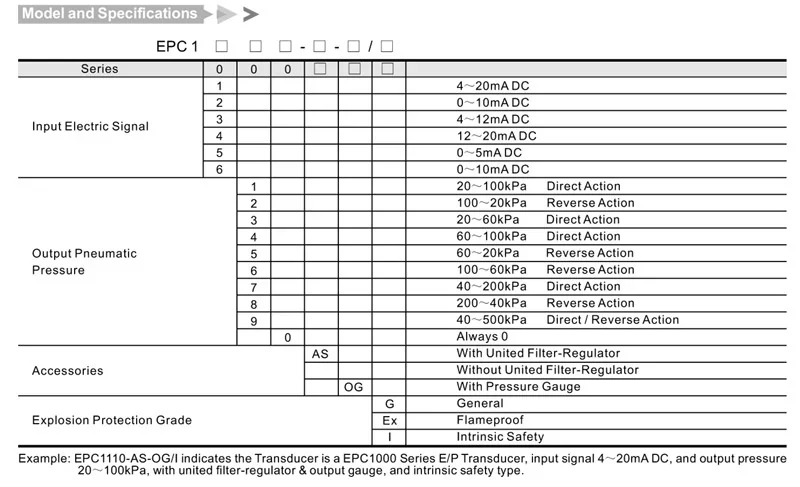
Reference image published with this model on the original catalogue. Confirm critical dimensions against the datasheet before machining a bracket.
Manufacturing and Quality Control
Every unit is calibrated and stroke tested before it is packed. We can film or photograph your units in the sample room or warehouse before they ship.
Manufacturing Steps
Housing casting and precision machining
Nozzle baffle mechanism and coil assembly
Pneumatic power amplifying relay integration
Zero and span calibration on pneumatic test bench
Signal conversion and temperature compensation testing
Surface finish painting in specified housing colour
Packaging in standard or custom OEM cartons
Quality Control
- Each converter is tested for signal conversion and pneumatic output before dispatch
- Photos and video of finished units provided from warehouse or sample room on request
- 18 month warranty covering unit replacement based on photo or video evidence
- Replacement units dispatched with subsequent order or immediately for urgent downtime
Customisation Options
- Customer logo and model marking on the serial nameplate
- Housing painted in blue, black, yellow or customer specified paint code
- Customised outer cartons and branded protective inner packaging
- Newly designed shape modules developed to match OEM customer specifications
How It Compares With the Alternatives
| Standard I/P transducer without power relay | The EPC1000 includes an internal power amplifier relay that supplies higher pneumatic volume to stroke actuators faster |
|---|---|
| Closed loop valve positioner | The EPC1000 sets pneumatic pressure without valve stem feedback, whereas a positioner reads physical stem position directly |
| Uncompensated electro pneumatic converter | The EPC1000 uses an internal thermistor to automatically compensate for ambient temperature drift |
Fitting and Setting Up This Model
General field procedure. Always follow the datasheet for the exact calibration sequence and any hazardous area requirements.
Mount the EPC1000 transducer securely on the actuator yoke or adjacent mounting bracket
Connect clean, dry instrument air supply to the pneumatic inlet port
Connect the pneumatic output line directly to the actuator or to a pneumatic positioner port
Wire the control current input signal to the electrical terminals observing correct polarity
Use the external zero adjustment to set baseline output pressure at minimum input signal
Use the external span adjustment to set target output pressure at full scale input signal
Verify action mode on site and adjust according to direct or reverse operating requirements
EPC1000 Electro Pneumatic Transducer FAQ
What is the typical lead time for the EPC1000?
Regular quantities normally ship in 2 to 3 days from stock. Large orders take 7 to 10 days.
Can the EPC1000 be used with an existing pneumatic positioner?
Yes. The output can feed directly into a pneumatic positioner to give it electro pneumatic converting capability.
Can the action mode be reversed in the field?
Yes. The mode of action can be changed directly on site without complex workshop rebuilding.
Can we order units with our company branding and colour?
Yes. We offer OEM nameplate branding and can paint the housing black, blue, yellow or other custom colours.
What warranty is provided on this converter?
We provide an 18 month warranty. Defective units are replaced upon photo or video evidence rather than repaired.
Can I see photos of my actual order before shipment?
Yes. On request we take photos or video of your units in our warehouse or sample room before packing.
Applications Cases and Guides
Get A Price on This Model
Tell us the quantity, the actuator it goes on and the destination port. We come back with price, lead time and confirmation that the model matches your valve.