
Farm Raised Frozen Seabass and Whitefish From the Source in Zhuhai
We farm, process, freeze and export Lateolabrax japonicus seabass, barramundi, tilapia, red drum fish, brown croaker and seven more species from EU approved establishment 4404/02003, so your size grading, glazing and documentation stay the same from the first container to the hundredth.
- EU Plant 4404/02003
- 50,000 MT Annual Capacity
- 1,000 Acres Own Farms
- 13 Products
Ten Species One Plant Code and Six Finished Formats
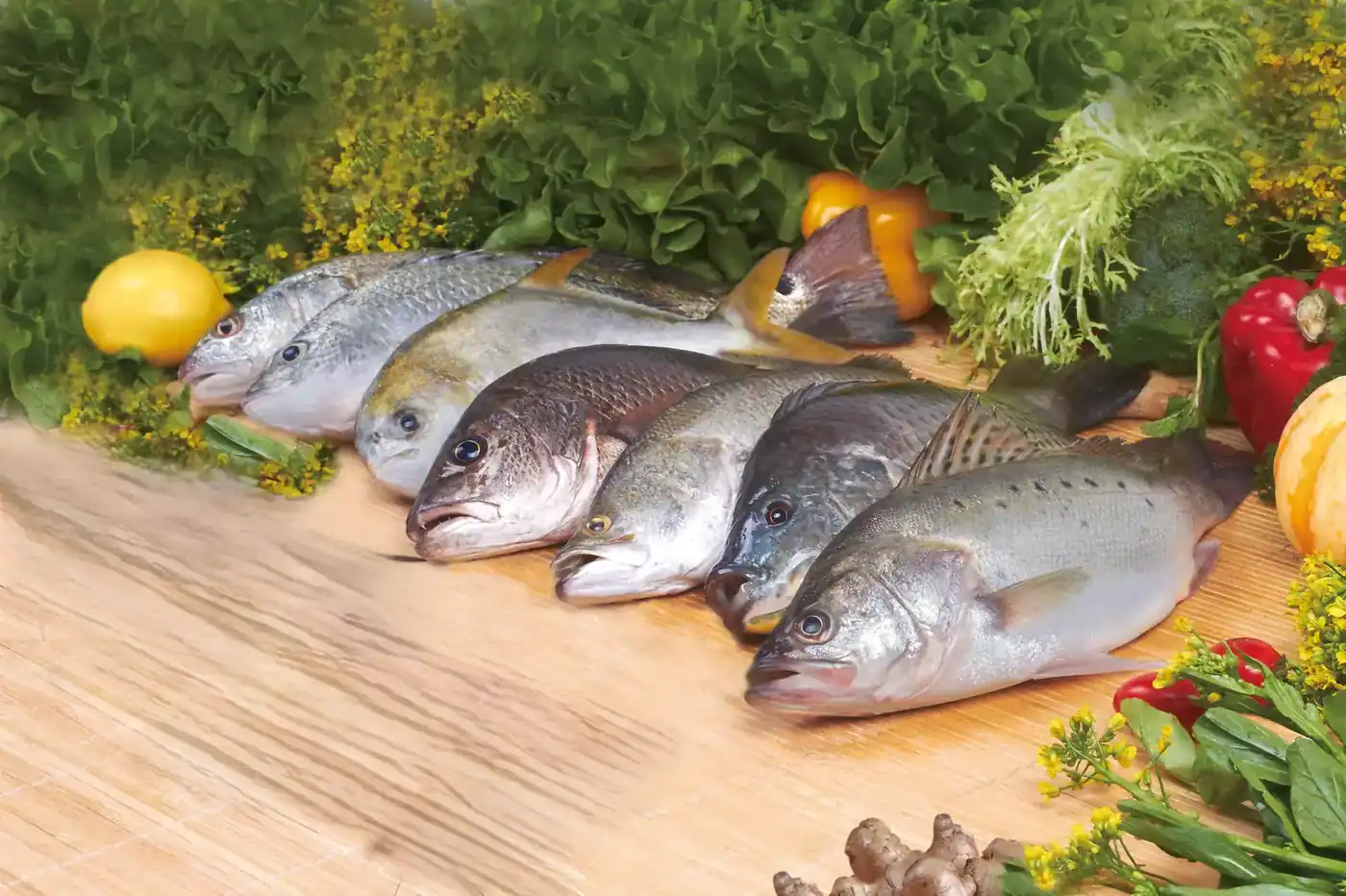
Farm raised frozen whitefish from our own ponds and sea cages in Zhuhai: seabass, barramundi, tilapia, red tilapia, red drum fish, red snapper, brown croaker, snakehead, channel catfish and largemouth bass, in whole round, GGS, fillet, slice, flower cut and ready to cook formats.
Seabass
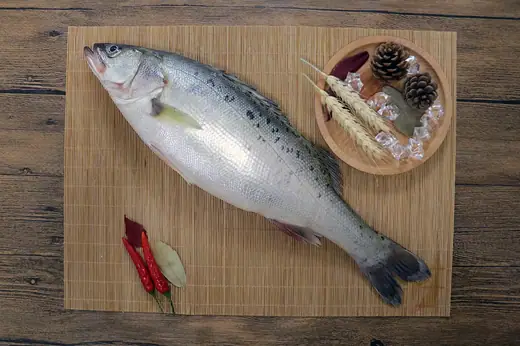
Farm raised Lateolabrax japonicus from Baijiao Zhuhai in whole fish fillet slice and flower cut formats
4 products →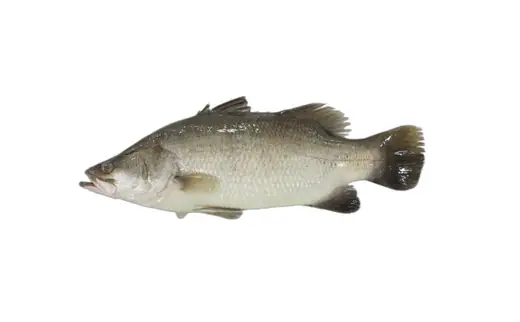
Barramundi
Land based farm raised Lates calcarifer in whole round GGS fillet and custom cut formats
1 product →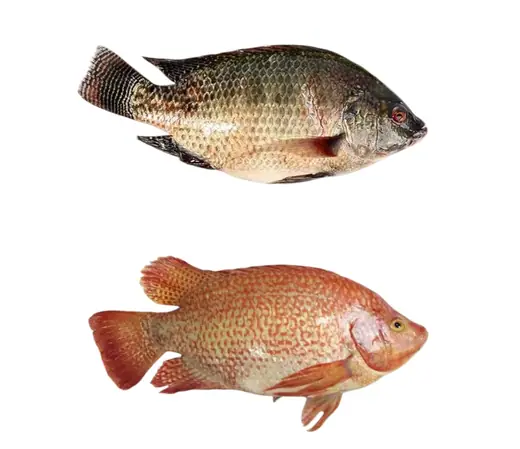
Tilapia
Volume Oreochromis niloticus programme in fillet gutted and scaled and whole round grades
1 product →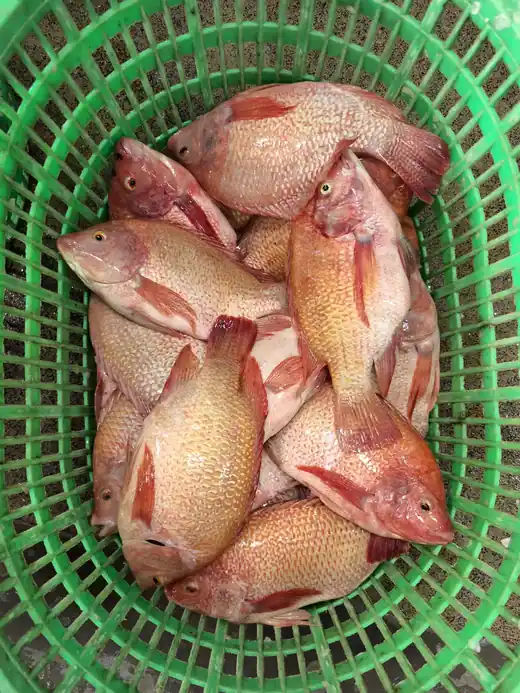
Red Tilapia
Red skinned Oreochromis hybrid for whole fish display and flower cut retail packs
1 product →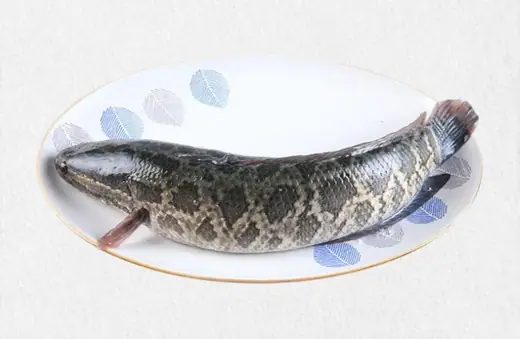
Snakehead Fish
Farm raised Channa spp toman fish in plain and pre starched slice formats
1 product →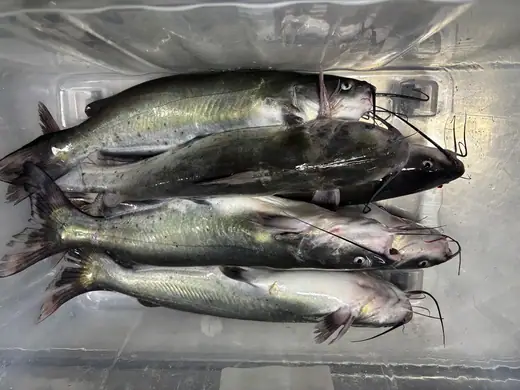
Channel Catfish
Controlled freshwater channel catfish in five cuts for value tier whitefish programmes
1 product →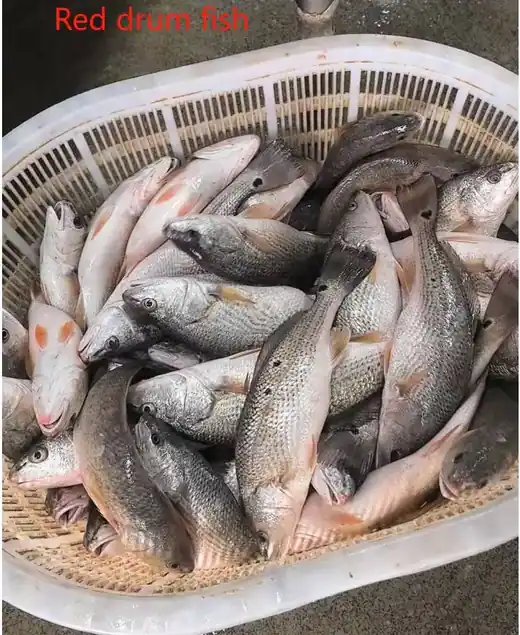
Red Drum Fish
Brackish water farmed Sciaenops ocellatus for grilling and value added processing
1 product →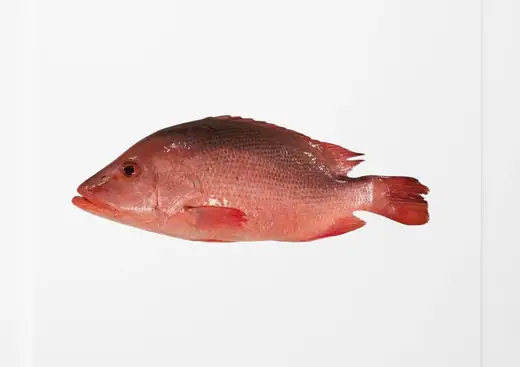
Red Snapper
Maricultured red snapper from offshore sea cages for premium whole fish service
1 product →
Brown Croaker
Offshore sea cage farmed brown croaker around 5 kg whole yielding fillets above 1000g
1 product →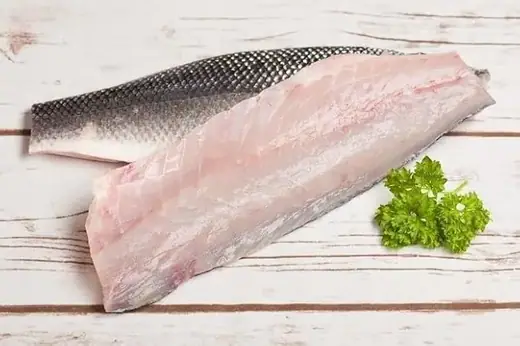
Largemouth Bass
Monitored freshwater Micropterus salmoides sold internationally as California bass
1 product →Every Product We Export
Thirteen products, each with full specifications, certification detail and packing options. Nothing here is a catalogue placeholder.
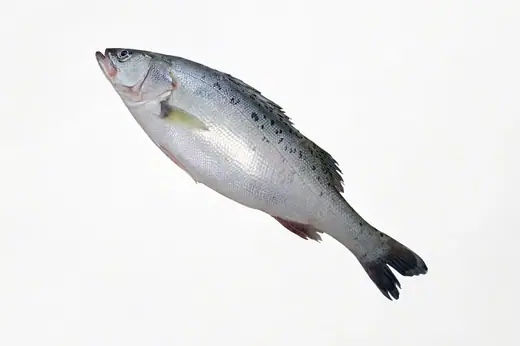
Frozen Seabass (Lateolabrax japonicus)
Brackish water from the Pearl River system and the South China Sea gives a clean flavour with no muddy note
View specifications →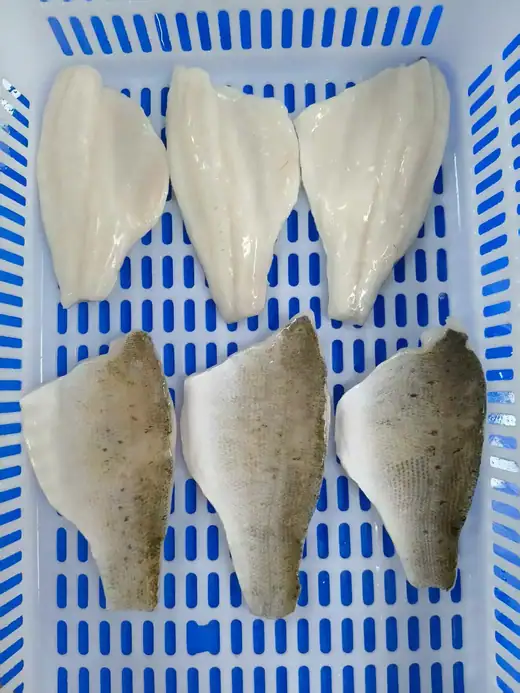
Frozen Seabass Fillet Skin On or Skinless
Belly off and pin bone removed so the kitchen does no secondary trimming
View specifications →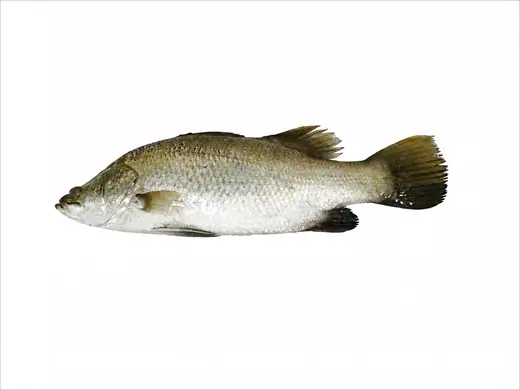
Frozen Barramundi (Lates calcarifer)
Large fish sizes up to 2000-3000g produce fillets big enough for centre of plate cuts and butterfly steaks
View specifications →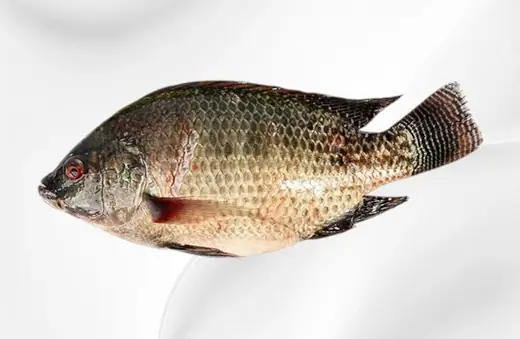
Frozen Tilapia (Oreochromis niloticus)
Fillet options across skinless boneless, PBO, normal or deep skinned and normal or well trimmed
View specifications →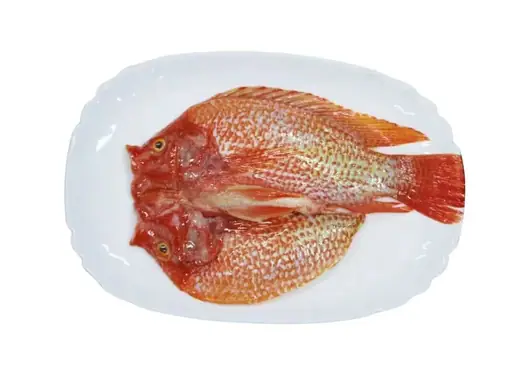
Frozen Red Tilapia (Oreochromis spp.)
Red skin gives a premium look on whole fish retail display
View specifications →Frozen Snakehead Fish (Toman Fish)
Firm lean flesh holds shape in hot and sour broth and hotpot where softer whitefish disintegrates
View specifications →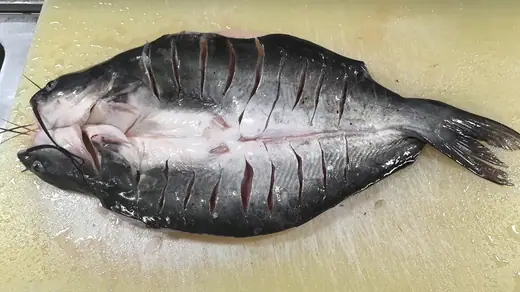
Frozen Channel Catfish
Mild flavour and flaky tender texture that suits frying grilling baking and steaming
View specifications →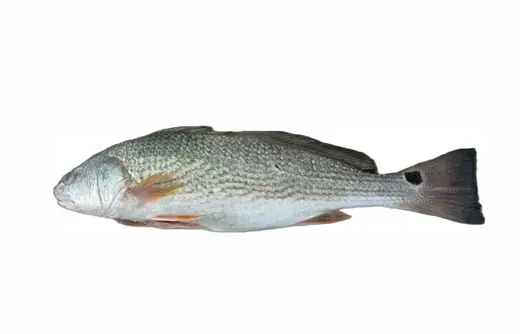
Frozen Red Drum Fish (Sciaenops ocellatus)
Firm texture that holds together on a grill and in pan searing
View specifications →Frozen Red Snapper Farm Raised
Sea cage aquaculture gives stable supply and consistent sizing where wild snapper cannot
View specifications →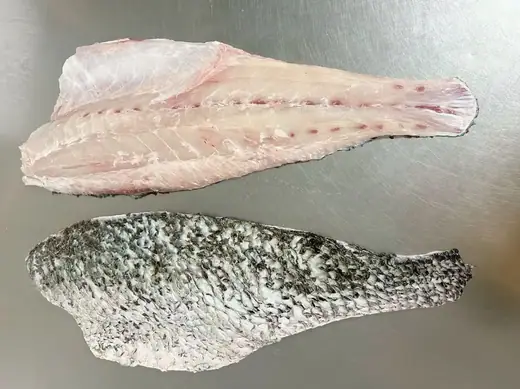
Frozen Brown Croaker (Protonibea diacanthus)
Fish size around 5 kg produces fillets commonly above 1000g for premium portion cutting
View specifications →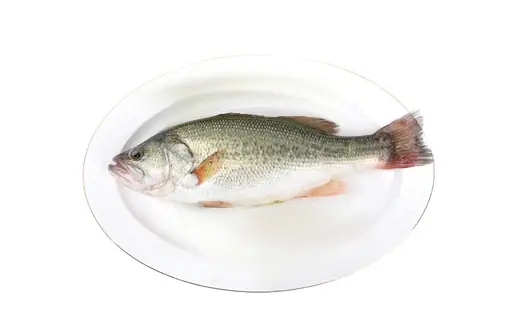
Frozen Largemouth Bass (California Bass)
Clean taste with no earthy note thanks to monitored freshwater pond culture
View specifications →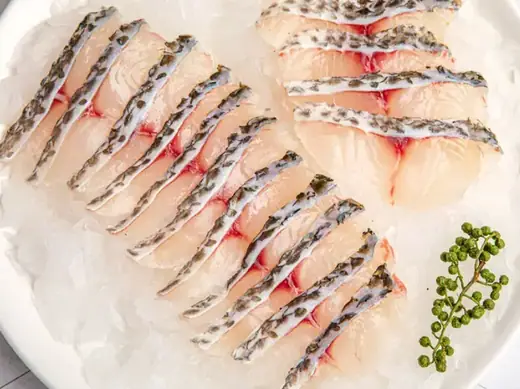
Frozen Fish Slices for Suan Cai Yu
Starched and marinated slices remove all slicing and marinating labour from the kitchen
View specifications →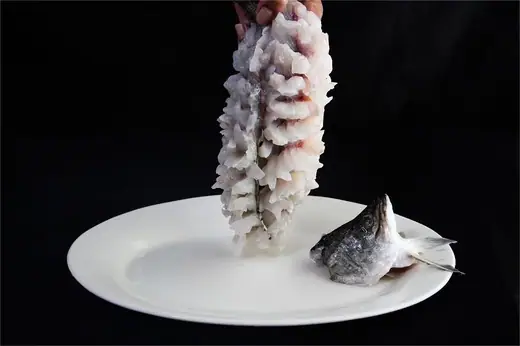
Frozen Sweet and Sour Squirrel Fish
Removes a specialist deboning and flower cutting skill from the restaurant kitchen
View specifications →Five Buyer Types With Different Problems
Importers and distributors, supermarket private label programmes, restaurant and hotel supply chains, hotpot and Asian cuisine operators, and value added seafood processors across the EU, UK, Russia, USA, Canada, Australia, New Zealand, the Middle East and Southeast Asia.
Importers and Distributors
Importers carry the risk when a shipment is rejected, when size grading drifts, or when a plant code is not registered for the destination. This page covers how we remove those three risks.
See how we serve them →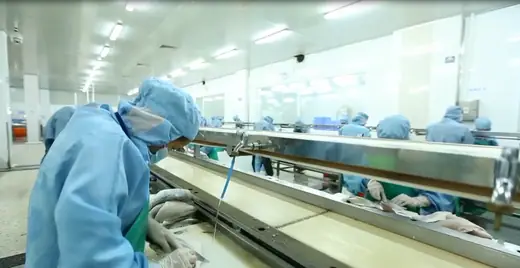
Supermarket and Retail
Retail programmes live or die on shelf presentation and on a listing that never runs out. Both are supply chain problems before they are marketing problems.
See how we serve them →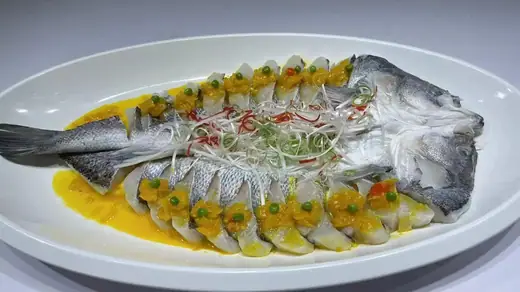
Foodservice and Restaurants
A kitchen buys a fixed portion cost and a fixed prep time. Everything else about a fish is secondary.
See how we serve them →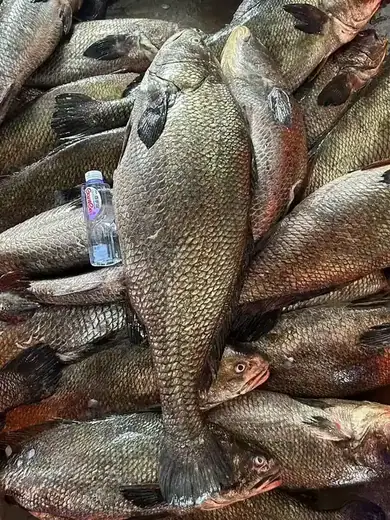
Hotpot and Asian Cuisine
Hotpot and Suan Cai Yu put fish into a long simmered broth. That single fact decides which species work and which do not.
See how we serve them →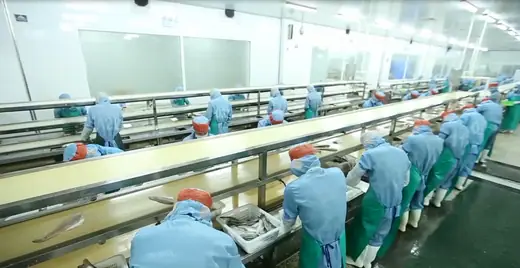
Value Added Processors
A processor buys raw material that has to survive a second process. Yield, texture after reheating and residue compliance matter more than the headline price.
See how we serve them →Five Things That Cost Seafood Buyers Money
Buyers lose money on drifting size grading, undeclared glazing, plant codes that are not registered for their destination, and kitchen labour spent on cuts a plant should have made. We fix all four by controlling farming, processing, freezing and export documentation in one operation.
- Size grading that drifts between the sample and the container, which breaks portion costing in foodservice
- Glazing that is never stated in writing, so quotations from different suppliers cannot be compared
- Plant codes that are not registered for the destination market, which leads to detained shipments
- Kitchen labour spent on slicing, starching, deboning and flower cutting that a plant should have done
- Traceability that stops at a trading agent rather than reaching the pond the fish came from
How the Integrated Model Removes Them
- We rear seabass, barramundi, red drum fish and tilapia on our own registered farms instead of buying finished fish
- Glazing is written into the contract and printed on the label and packing list
- One establishment number covers the EU, USA, Russia and most other export destinations
- Slicing, starching, deboning, butterflying and flower cutting are done on our line, not in your kitchen
- Every carton traces back through processing records to the pond it came from
The Numbers Behind Every Order
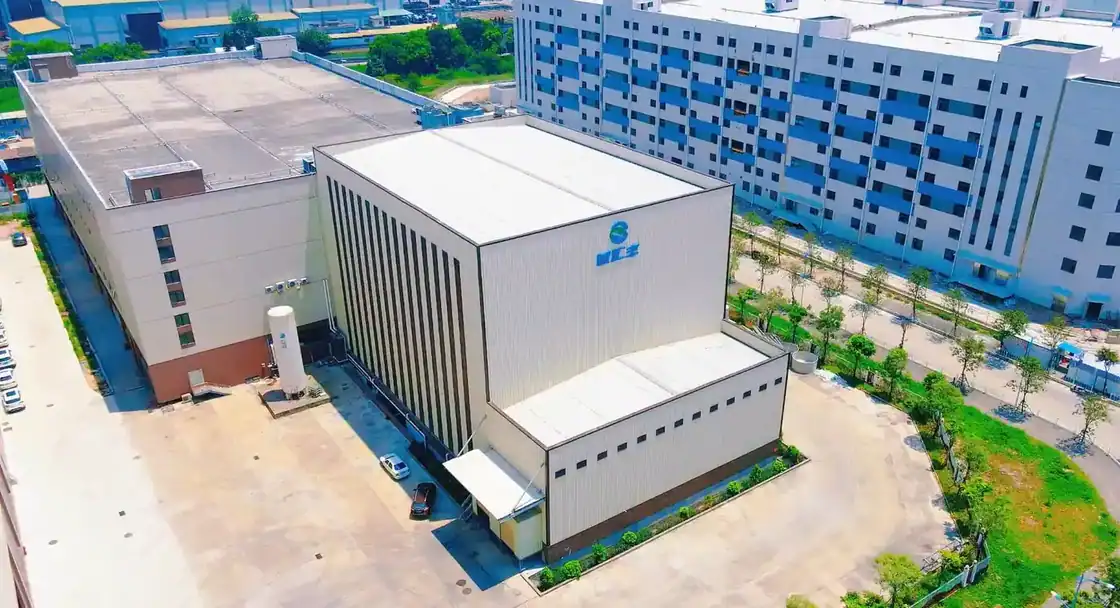
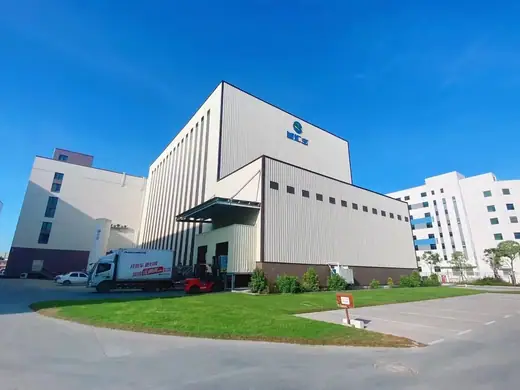
EU approved establishment 4404/02003 with FDA registration and Russian veterinary approval, 1,000 acres of own farms registered with China Customs, a 100,000 square metre park with 50,000 MT annual capacity, liquid nitrogen freezing at -196 C, and 4,000 MT of cold storage behind every order.
Farming Processing Freezing and Testing
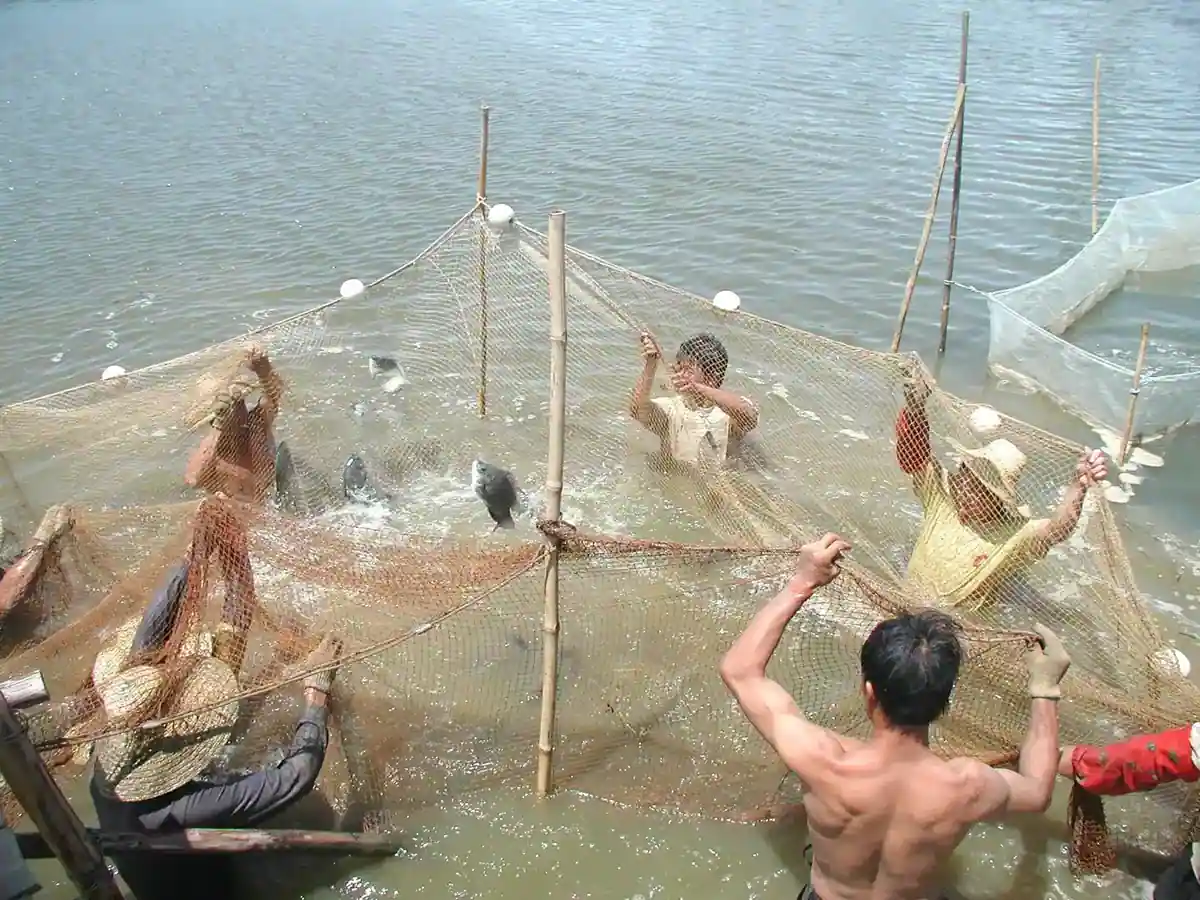
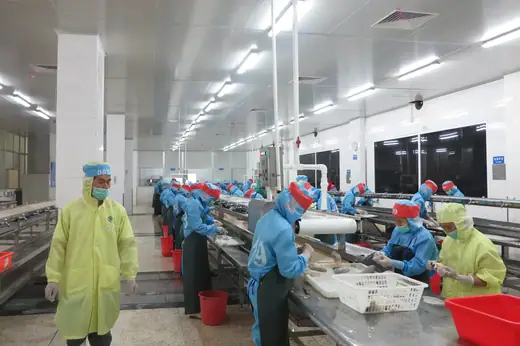
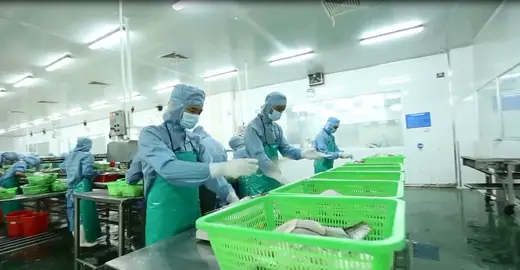
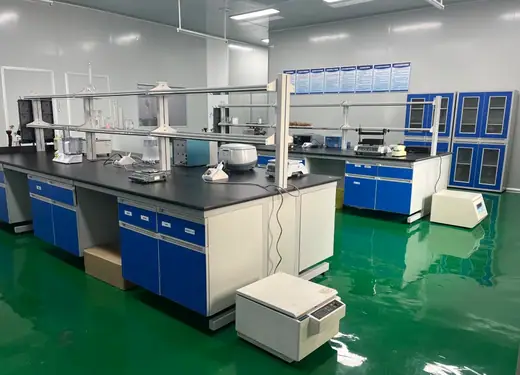
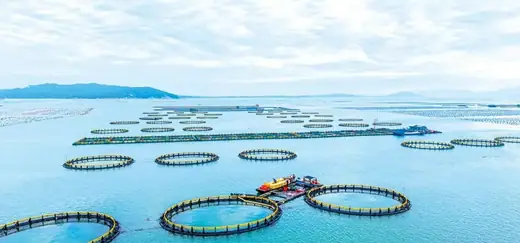
Every photograph below was taken at our own farms and processing park in Baijiao, Zhuhai.

From Registered Pond to Sealed Container
Ten controlled stages. A lapse at any one of them shows up as texture loss, colour loss or a rejected shipment at destination.
- Farming in 1,000 acres of own ponds registered with China Customs
- Live haul from farm to plant in 10 to 30 hours
- Reception grading and washing
- Gutting gilling scaling or filleting
- Trimming belly off and pin bone removal
- IQF or liquid nitrogen freezing at -196 C
- Glazing to the agreed percentage
- Metal detection and batch QC
- Weighing packing and cold storage at -18 C
- Container loading under full cold chain
How We Work With Buyers
Four working models that cover how most of our export customers actually place and receive orders.
Private Label and OEM Production
Running your own brand on our production means the artwork, the format and the specification are yours while the farming, processing and export documentation stay ours.
See the process →Mixed Container Loading
A 20ft container is a large commitment on one species. Loading several species into one container lets a buyer test a range or balance a season without holding dead stock.
See the process →EU and Russia Export Compliance
Market access is not a marketing claim. It is a plant code on a register, and it is the single fastest thing for a buyer to verify before placing an order.
See the process →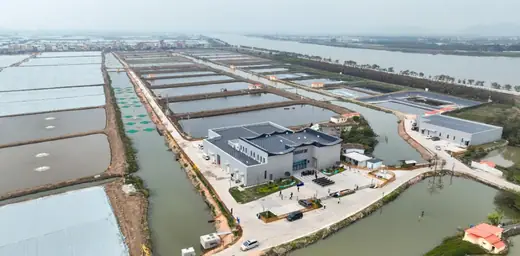
Farm to Fork Traceability
Traceability is what connects the carton in a cold store back to the pond the fish came from. Ours works because we own most of the chain rather than buying finished fish.
See the process →Guides Written for Seafood Buyers
Species identification, comparison guides, processing workflows, market data and import compliance.
The Complete Guide to Chinese Seabass Lateolabrax japonicus
Everything a buyer needs on Asian seabass: how it is identified, why Baijiao in Zhuhai became the centre of the industry, and what that means for size
Read the guide →Barramundi vs Sea Bass What Is the Difference
Barramundi and sea bass are both mild firm white fish, and buyers regularly ask whether they are the same thing. They are different species, and the d
Read the guide →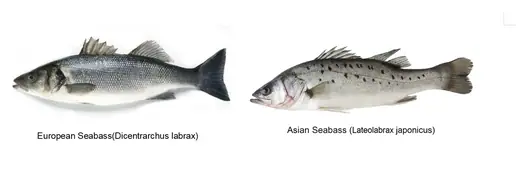
European Seabass vs Asian Seabass Differences and Market Outlook
European seabass has long been the default in premium seafood markets, but lower European production and rising prices have pushed buyers to evaluate
Read the guide →How to Cook Frozen Japanese Seabass Fillet
Japanese seabass fillet performs well across both Asian and Western cooking methods, which is part of why it travels so easily into new markets. This
Read the guide →Questions Buyers Ask Before the First Order
What is your minimum order quantity
Standard MOQ is 1 x 20ft FCL, which is typically 10 to 12 tons. Mixed container loading across several species is available so a smaller programme can still fill a container.
Which markets is your plant approved for
Establishment 4404/02003 is an EU approved plant, FDA registered for United States export, and registered with the Russian veterinary authority. We also export to Canada, Australia, New Zealand, the Middle East and Southeast Asia.
How long does production take
Production lead time is 20 to 35 days on seabass depending on product form, and 25 to 30 days on most other species after order confirmation.
Do you support private label and OEM
Yes. We produce retail printed bags, IWP and IVP vacuum packs, custom barcode and artwork for supermarket private labels, and custom master carton designs.
How much glazing do you apply
Glazing is set to your written instruction, between 5% and 25% on seabass and 5% and 20% on barramundi and fillet lines, and the agreed figure appears on the label and the packing list.
Can I get samples before ordering
Yes. Samples are available within 48 hours so the specification and pack format can be checked before a container order is placed.
What documents ship with the container
Health certificate, certificate of origin, EU and Russian approval documentation and the traceability report.
Send Us Your Specification
Species, product form, weight band, glazing and destination market. We will come back with a price, a lead time and the approval documents for your market.