Why Barramundi Demand Is Growing
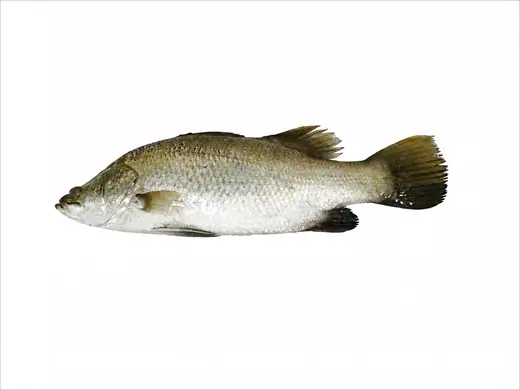
Barramundi, Lates calcarifer, also known as Asian seabass, is increasingly popular in international seafood markets because of its mild flavour, firm texture, high protein content and versatility across foodservice and retail. In different markets it also appears as Mang Cao, Jianwen Lu or Jinmu Lu.
Seasonal Weakness in the Domestic Market
July and August are traditionally a slower season for seafood consumption in China. High temperatures reduce outdoor dining, and some restaurants and foodservice operators cut seafood purchasing volume, which puts short term pressure on the domestic market.
High Temperature Pressure on Farming
During the hot summer months in South China, continuous high temperatures cause faster water quality deterioration, higher oxygen demand in ponds, increased stress on the fish and a higher risk of bacterial disease. Holding fish longer means continuing feed costs and rising production risk for the farmer.
What This Means for an Export Buyer
When those two pressures coincide, barramundi farming areas including Zhuhai see a period of relatively low raw material prices. A buyer planning a barramundi programme can use that window rather than buying at the seasonal peak.
How to Convert That Into a Landed Cost
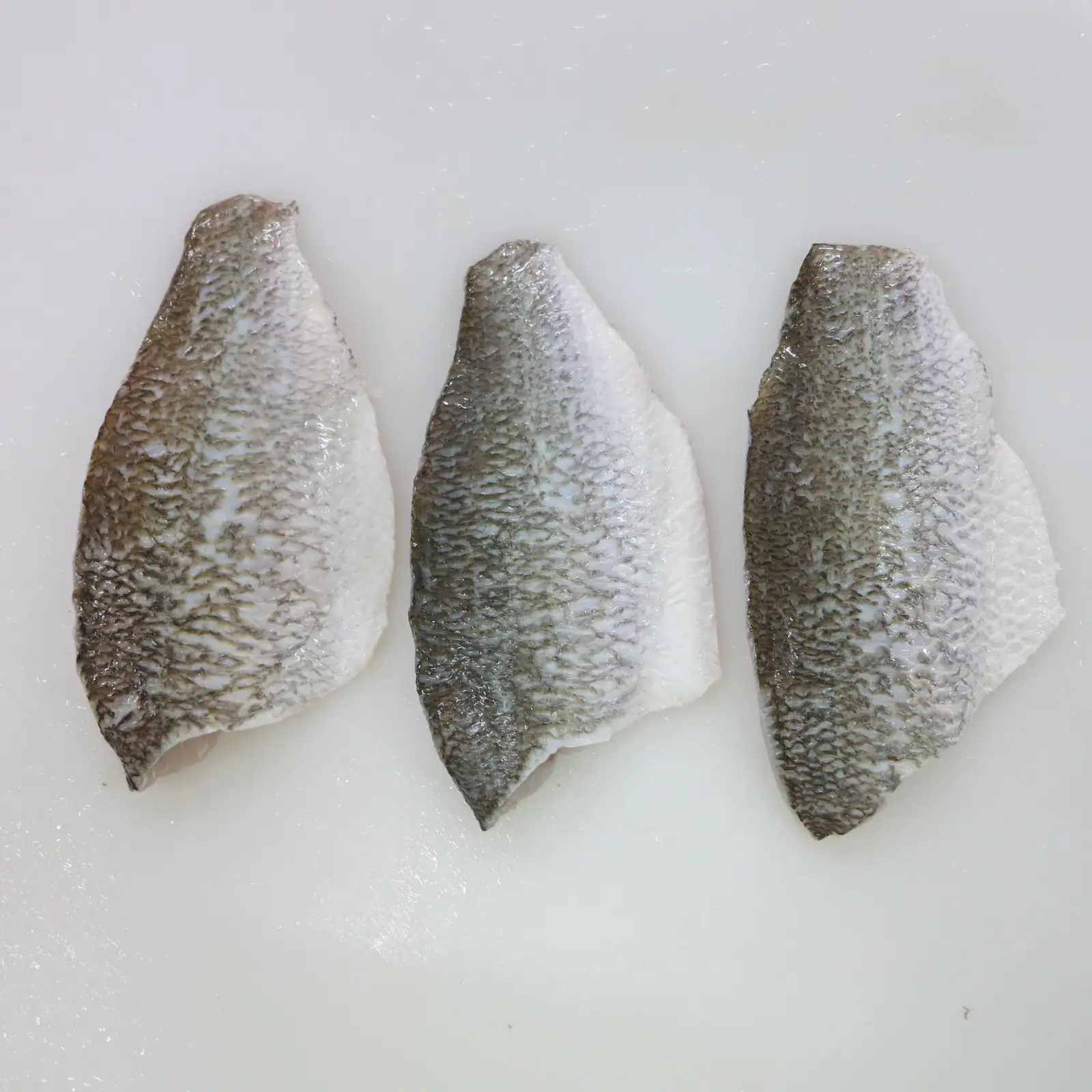
Ask for the glazing percentage in writing, since ours is adjustable between 5% and 20%, and confirm the fillet weight band. Those two numbers, not the headline price per kilo, determine what you actually pay for net fish.