What Barramundi Is
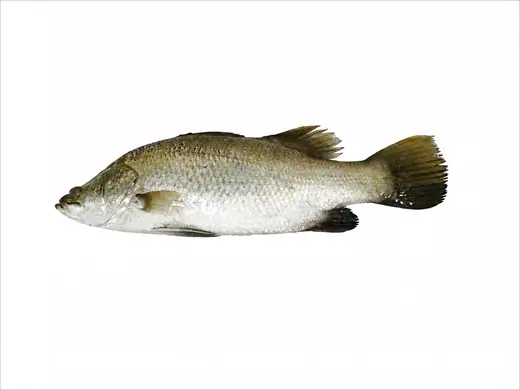
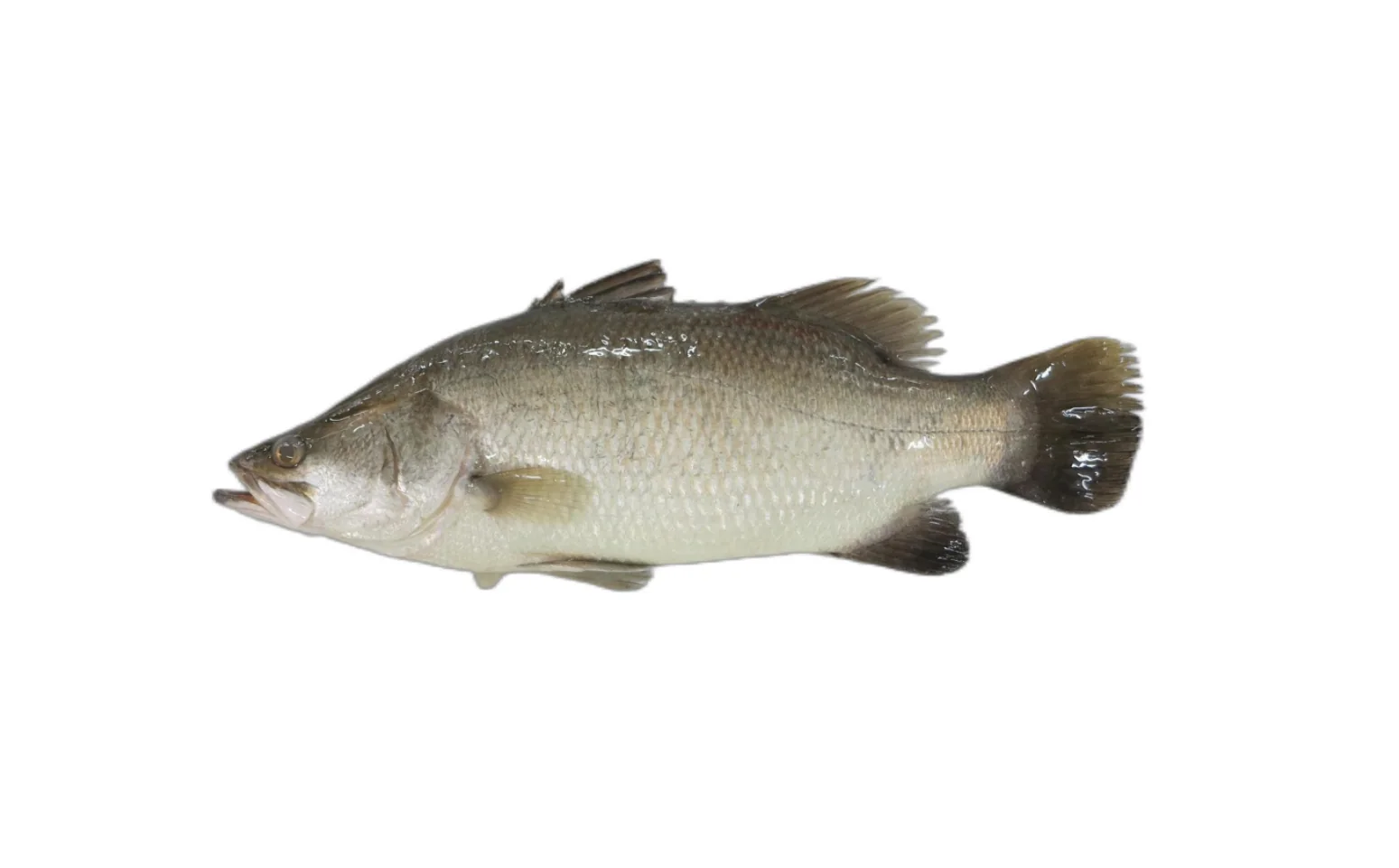
Barramundi is native to the Indo-Pacific region including Australia, Southeast Asia and parts of China. The name comes from an Australian Aboriginal language and means large scaled river fish. It is popular internationally for a clean mild taste, firm white flesh and a slightly higher oil content than many white fish, and it is widely farmed in modern aquaculture systems, which gives stable production.
What Sea Bass Means in Trade
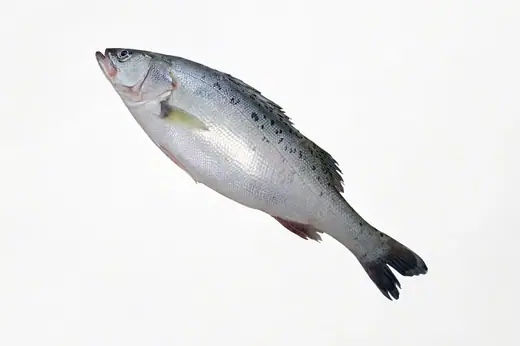
Sea bass is a general commercial name covering several species with white flesh and a delicate flavour. The two most common in global trade are European sea bass, farmed in Mediterranean countries including Greece, Turkey, Spain and Italy and also sold as Mediterranean sea bass, branzino or loup de mer, and Japanese sea bass, Lateolabrax japonicus, farmed at scale in China.
Where the Confusion Comes From
Barramundi is itself often marketed as Asian sea bass, which is why a buyer can receive quotations for barramundi and sea bass that appear to describe the same fish. The reliable way to remove ambiguity is to write the Latin name into the specification: Lates calcarifer for barramundi and Lateolabrax japonicus for Japanese seabass.
How to Choose Between Them
Barramundi grows to larger body sizes, up to 2000-3000g whole, so it yields fillets big enough for centre of plate cuts and butterfly steaks. Japanese seabass holds a finer flake and is generally preferred for whole fish steaming in the 600 to 800g band. Both are available from our plant, and both can be loaded in the same container under one set of export documents.