About the Species
Brown croaker, Protonibea diacanthus, has a plump body, tender flesh and a natural freshness. Unlike Miichthys miiuy, another croaker species, brown croaker has a dark brown body, which gives it the local names red mouth croaker and black croaker. Its swim bladder is processed into high grade fish maw known as Chi Zui Bei fish maw, one of the five famous fish maws in China, and is used for both culinary and traditional medicinal purposes.
Raoping The Centre of Production
Raoping County in Chaozhou City, Guangdong, sits on the Tropic of Cancer and is the largest brown croaker breeding base in China. A 136 kilometre coastline and 533 square kilometres of sea area, with winding bays including Zhelin Bay at 68 square kilometres, give calm tides, stable water temperature and salinity and a clean ecological environment.
What That Environment Produces
Fish from Raoping have a shorter body, thicker flesh and tender sweet meat, and command a market price around 10% higher than comparable seafood nationally. The industry there dates back over 600 years to the early Ming Dynasty.
Why Export Buyers Choose It
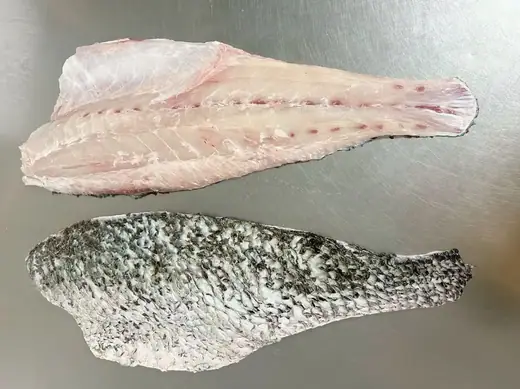
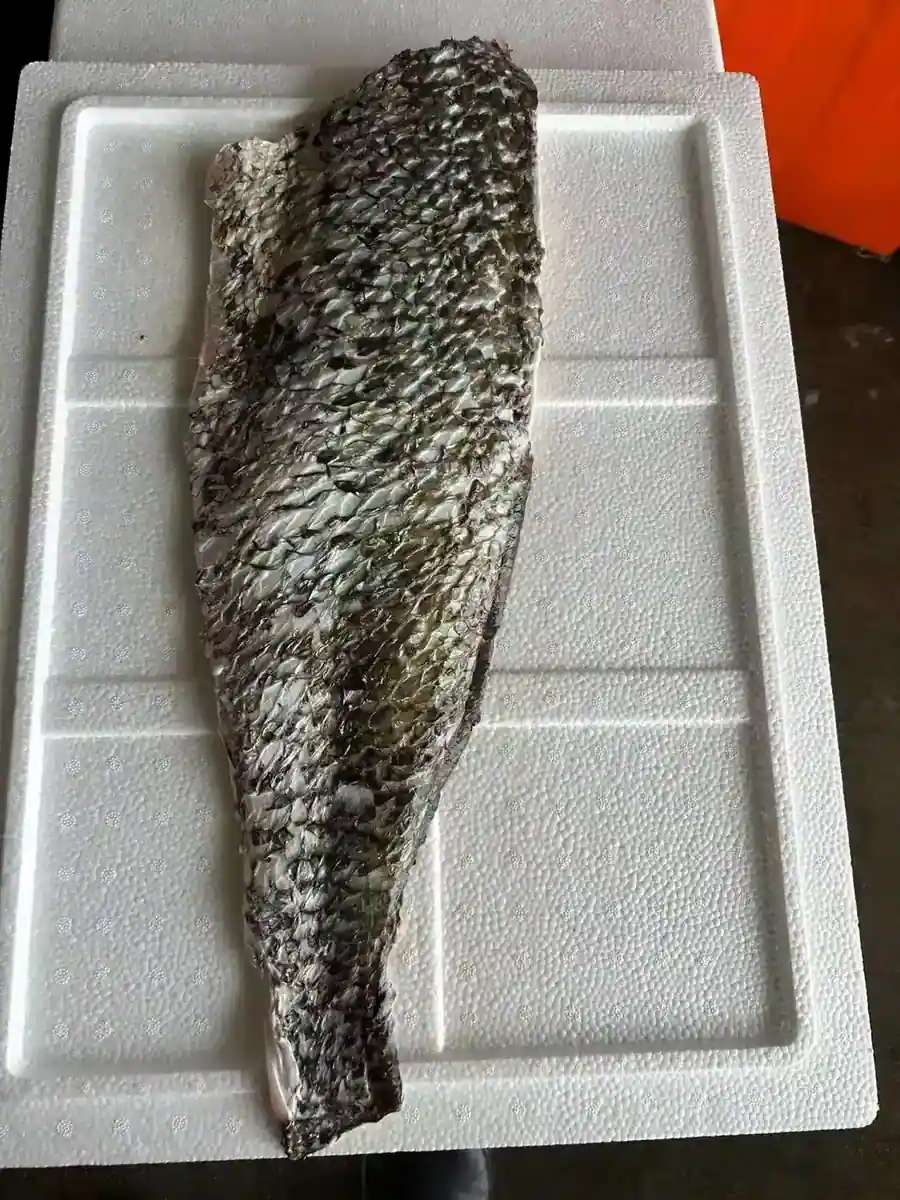
Offshore sea cages give the fish space to reach around 5 kg whole. After the fish maw is harvested, the remaining fish is processed into GGS or into fillets that typically run above 1000g. Very few farmed species yield a single portion cut that large, which is the main commercial reason buyers come to brown croaker.
Product Forms and Packing
Whole round, GGS and large format fillets, packed IWP, IVP or bulk, processed under HACCP, ISO, BAP and FDA certification with full traceability records.