Species and Farming Environment
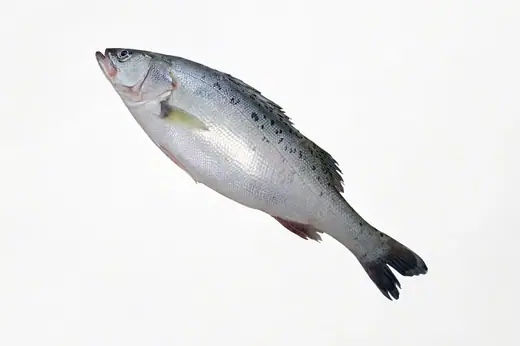
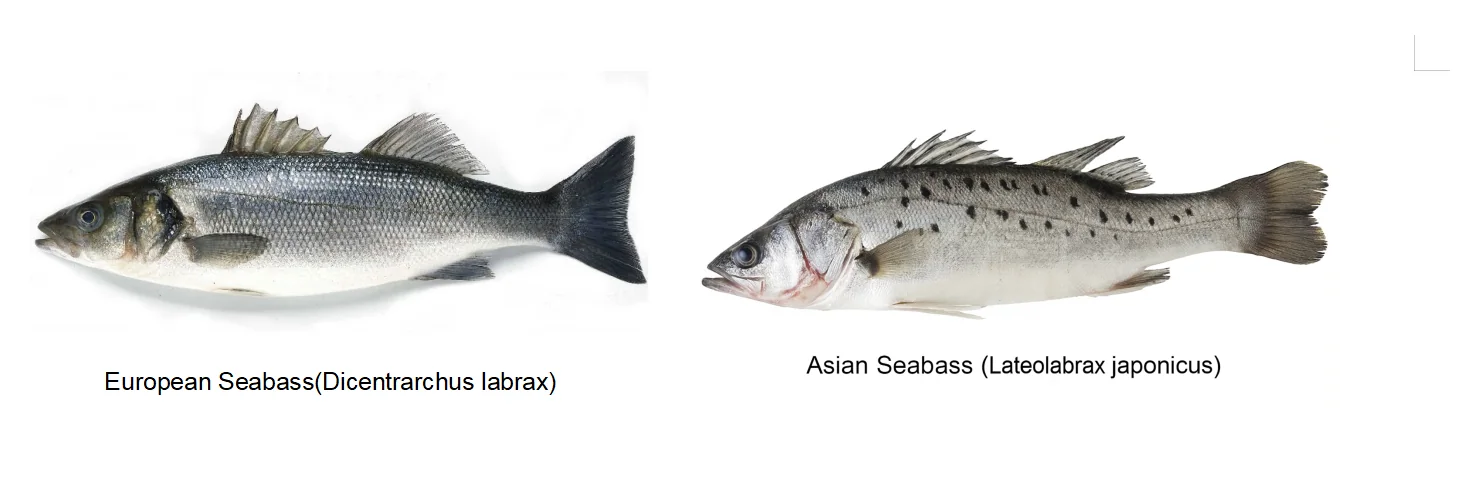
European seabass is Dicentrarchus labrax, traditionally farmed in marine aquaculture in the Mediterranean region and well established in European and Middle Eastern markets. Asian seabass is Lateolabrax japonicus, cultured in brackish and coastal waters across Asia and known in China as Hua Lu or Baijiao seabass. Large scale modern aquaculture is what gives the Asian species its supply stability.
Seasonal Availability and Supply Outlook
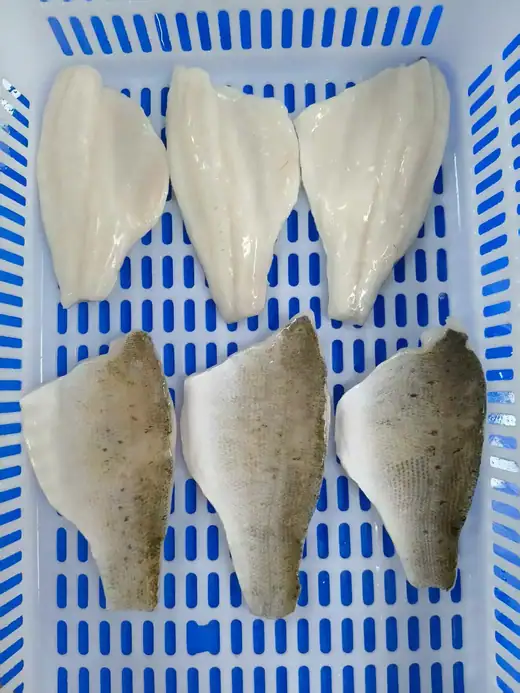
Each year the new Asian seabass harvest begins around September with fish reaching 0.5 kg and above. By December and January the fish grow into ideal fillet sizes, which makes that period the best window for buyers needing skin on or skinless fillets, portion cuts and value added processing. The seasonal peak brings consistent raw material quality, sufficient volume and more competitive pricing than most other months.
What Buyers Are Doing About It
With reduced European seabass production, many processors, importers and distributors are evaluating Asian seabass as a practical alternative. The two share culinary value closely enough that the substitution works in most applications, while price stability differs significantly.
Planning a Purchase Around the Cycle
If your programme depends on fillet sizes rather than small whole fish, plan the order so production falls inside the December to January window. Our standard production lead time for seabass is 20 to 35 days depending on product form, so an order confirmed in November lands inside the peak.