
Aluminum Alloy Engine Housing
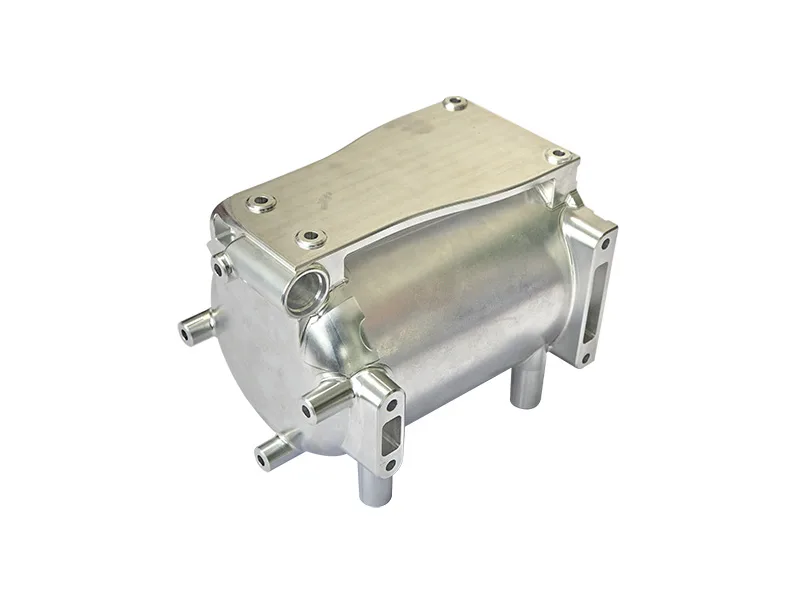
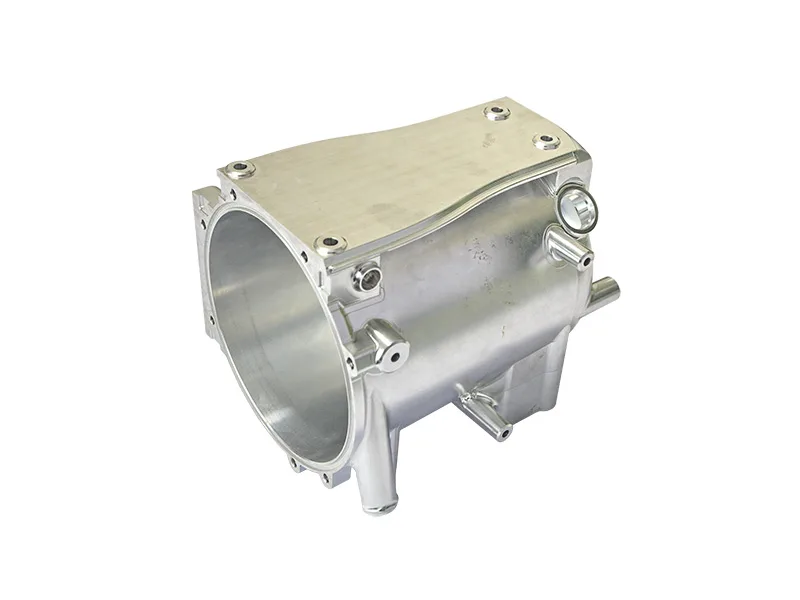
A CNC machined aluminium alloy engine housing prototype at 320 x 195 x 180 mm, cut from solid so the casting design can be tested before a tool is ordered.
What This Part Is and Why It Exists
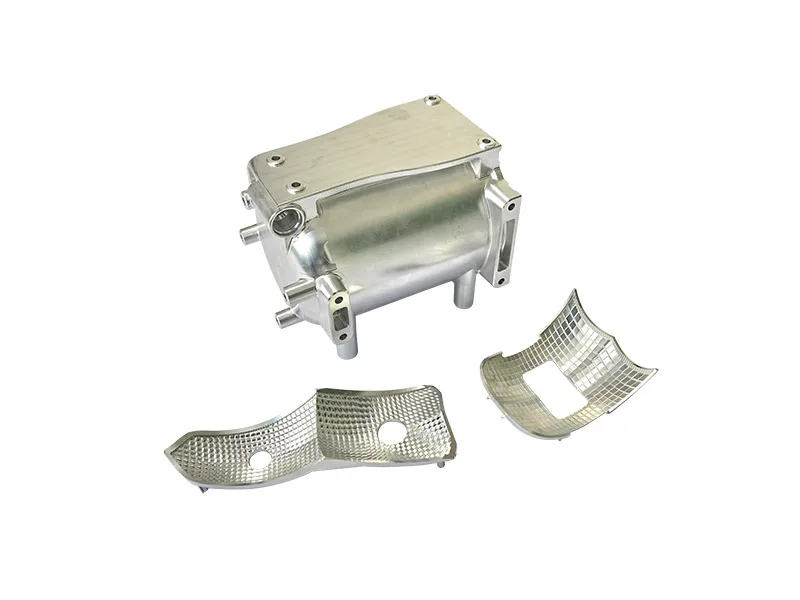
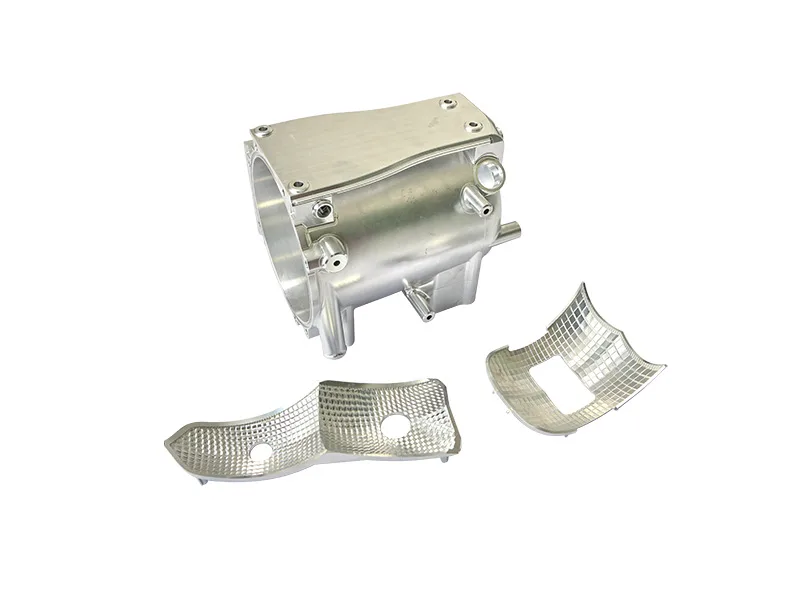
This housing is a prototype produced by CNC machining rather than casting. At 320 x 195 x 180 mm it is a substantial part, machined from aluminium alloy together with its bracket components so the complete interface can be assessed as a set.
Housings are where a programme discovers its mistakes: a bearing seat out of position, a sealing face that will not clamp flat, a bracket that fouls the loom. Machining the part from solid puts a real metal housing in front of the engineering team weeks before a casting tool could deliver one.
Four Reasons Buyers Specify This Part
Test the Casting Before the Tool
Interference, clearance and assembly sequence are checked on a real metal part, not on screen.
Machined From Solid
No casting tool, no porosity questions, and geometry changes between revisions cost machining time rather than tooling money.
Brackets Machined Together
The housing and its mating brackets are produced in the same project, so the interfaces are cut to one interpretation of the drawing.
Composite Route Available
Where weight matters more than thermal path, the same team can quote the part in carbon fiber composite for comparison.
Where This Part Is Used
- Engine and powertrain housing verification builds
- Pump and gearbox casing prototypes ahead of casting
- Equipment enclosures needing a metal thermal path
- Fixture bodies and test rig housings
Buyers This Part Was Made For
- Powertrain and mechanical engineers validating a casting design
- Programmes deciding between cast aluminium and composite
- Equipment builders who need one or two housings, not a tool
Three Failure Modes This Part Removes
Casting tools are unforgiving
A geometry error found after the tool is cut is paid for twice, in tooling and in schedule.
Interfaces drift between suppliers
Housing and bracket machined by different shops rarely agree at the joint.
Material decision made too late
Choosing between metal and composite after tooling is committed removes the choice entirely.
Technical Data for Aluminum Alloy Engine Housing
Every value below is taken from the published CarbonWizer specification for this part. Anything not published is marked TBC rather than estimated.
| Material | Aluminium alloy |
| Size | 320 x 195 x 180 mm |
| Style | Prototype CNC machining |
| Part Set | Housing with bracket components |
| Surface Finish | As machined; further finishing on request |
| Tolerance | TBC - to customer drawing |
| Lead Time | Sample within one week; production 15 to 25 days |
| Certification | TBC - confirm in writing before order |
Technical Features
- Aluminium alloy, machined from solid
- Overall size 320 x 195 x 180 mm
- Prototype CNC machining route
- Bracket and cover components machined alongside
- Suitable as a functional test article
Materials
Aluminium alloy billet, machined on CNC. CarbonWizer also fabricates metal parts, sheet metal stampings and rapid plastic prototypes, so a housing can be quoted alongside its composite covers and plastic trim in one project.
How This Part Is Made
Drawing review
Drawing, load case and finish reviewed against the geometry.
Fixture planning
Material, fibre architecture and process selected for the part.
CNC roughing
The part is formed by the chosen composite or machining route.
Finish machining
Cure or finish machining brings the part to final geometry.
Deburr and clean
Surface and edges finished to the agreed appearance.
Dimensional check
Dimensions checked against the drawing before despatch.
Quality Control
Prototype housings are measured against the drawing before despatch. Where a functional interface has to be held, call it out on the drawing and it is inspected specifically.
Certifications: No third-party certification records were published on the previous CarbonWizer site. Certification status for this part is marked TBC and is confirmed in writing before an order is placed.
What Can Be Changed
- Any housing geometry from your 3D model
- Alternative aluminium grades on request
- Surface treatment quoted separately
- Composite equivalent quoted for weight comparison
How It Compares
| CNC machined aluminium housing | Real metal, no tooling, revisions cost machining time; ideal for verification quantities |
| Cast aluminium housing | Right for volume, but the tool must be correct before it is cut |
| Carbon fiber composite housing | Much lighter and stiffer per gram, but without the thermal path of aluminium |
How to Specify and Order This Part
Supply the 3D model with the machined faces and critical bores marked. Tell us whether the housing will see fluid, heat or vibration in testing, since that affects the alloy and the finishing. If a composite comparison is useful, ask for both quotes at the same time.
Parts Often Specified Alongside This One
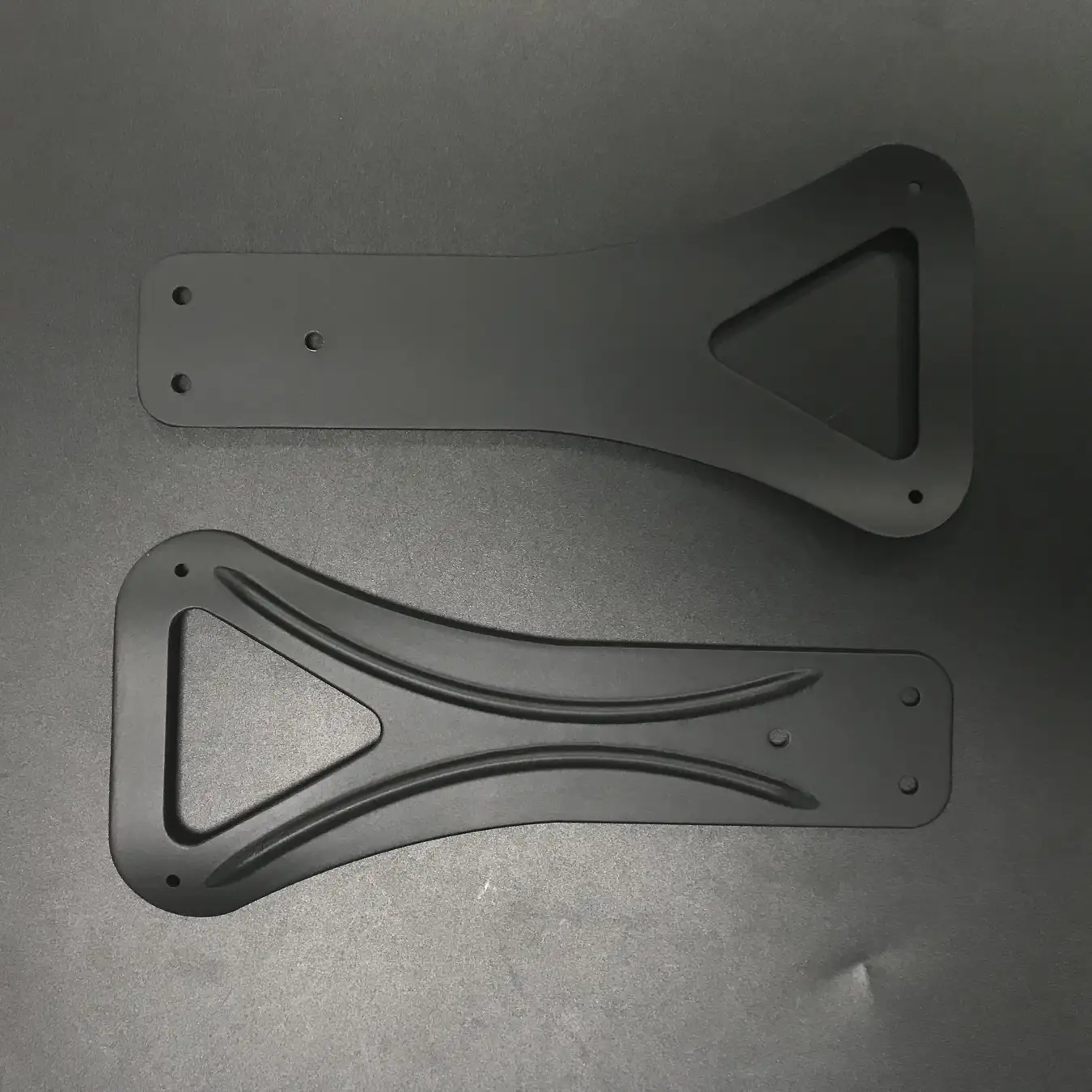
Carbon Fiber Gasket
A real carbon fiber gasket produced to a dimensional tolerance of plus or minus 0.01 mm, so it can form part of a small high-precision assembly rather than a loose fit-check.
View details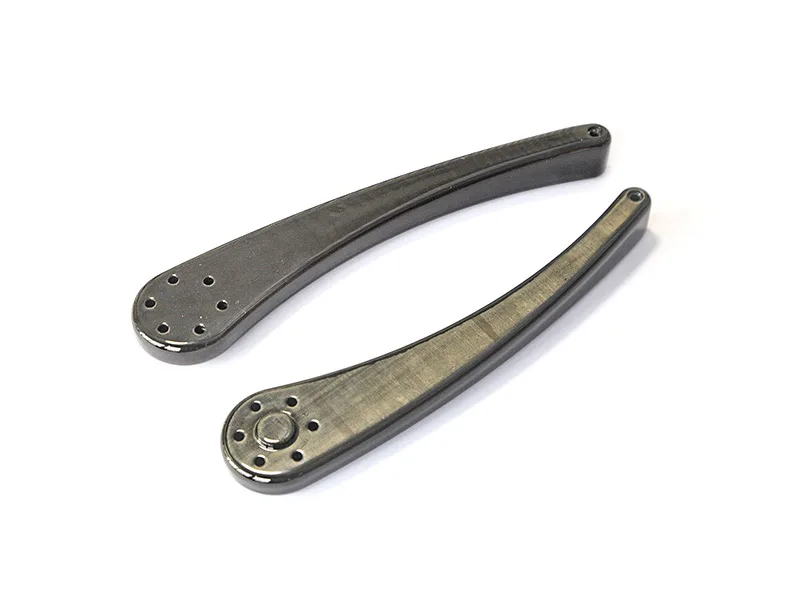
Carbon Fiber Structural Arm
A full carbon fiber arm made as a verification sample, carrying the strength and stiffness of a production composite part so the structure can be tested before a mould is cut.
View details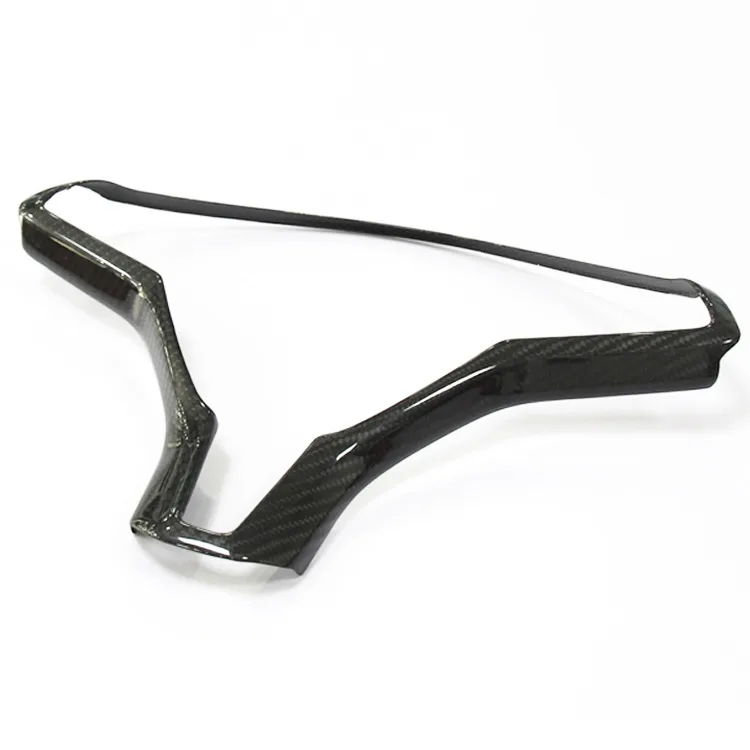
Carbon Fiber Steering Wheel Parts
Carbon fiber steering wheel rims and trim parts at a nominal 380 mm diameter, adjusted to the specific vehicle model, available from a single piece.
View detailsRelated Cases and Technical Guides
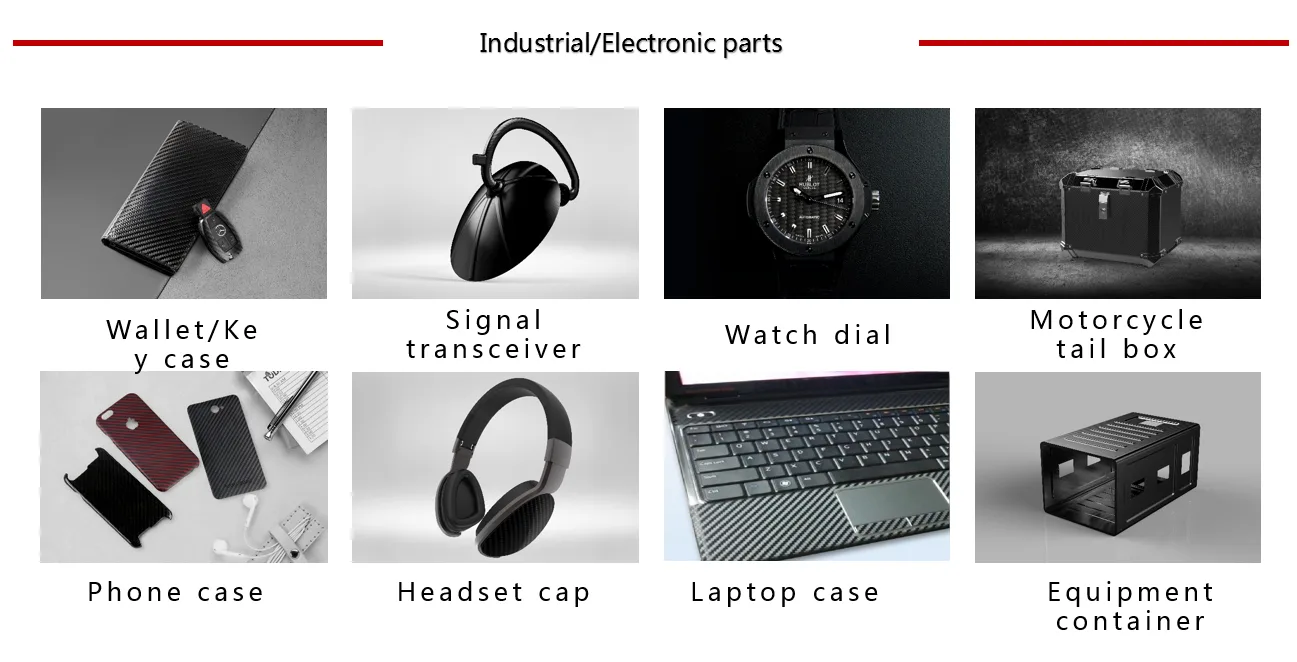
Industrial and Electronics Parts
Industrial and electronics parts is one of the success case areas developed by the CarbonWizer team, covering wallets and key cases, signal transceivers, watch dials, motorcycle tail boxes, phone cases, headset caps, laptop cases and equipment containers.
Read the case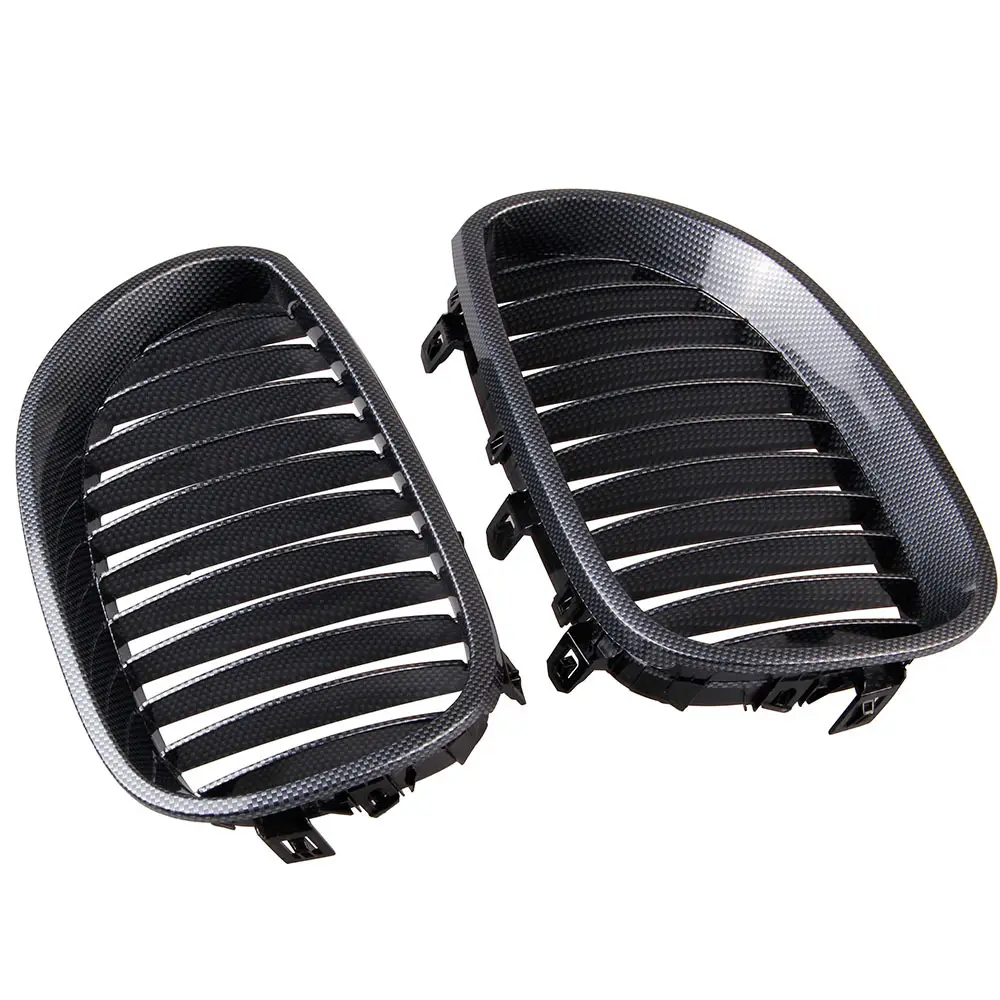
Carbon Fiber Car Parts Programme
Carbon fiber car parts is one of the success case areas developed by the CarbonWizer team, covering mirror caps, steering wheel parts, hoods, spoilers and grille sections.
Read the case
Why Verify a Composite Part Before You Cut the Mould
Tooling is the irreversible step in a composite programme. A full carbon fiber sample lets you test strength, rigidity and precision while changes still cost machining time instead of tooling money.
Read the guide
Carbon Fiber or Aluminium for a Structural Part
Aluminium is predictable, machinable and cheap to buy. Carbon fiber is lighter and stiffer per gram and lets you place fibre where the load is. Which wins depends on three questions.
Read the guideQuestions About Aluminum Alloy Engine Housing
What size is this housing?
The prototype shown is 320 x 195 x 180 mm. Other sizes are machined to your drawing.
Is it cast or machined?
It is a prototype produced by CNC machining from aluminium alloy, not cast.
Can you machine the brackets as well?
Yes. The bracket and cover components are machined in the same project so the interfaces match.
Do you also make composite housings?
Yes. CarbonWizer manufactures custom carbon fiber and glass fiber composite parts alongside metal parts fabrication, so both routes can be quoted.
Quote Aluminum Alloy Engine Housing for Your Project
Email the drawing or the part number with the quantity and finish you need. Samples are normally despatched within one week.