
Carbon Fiber Structural Arm
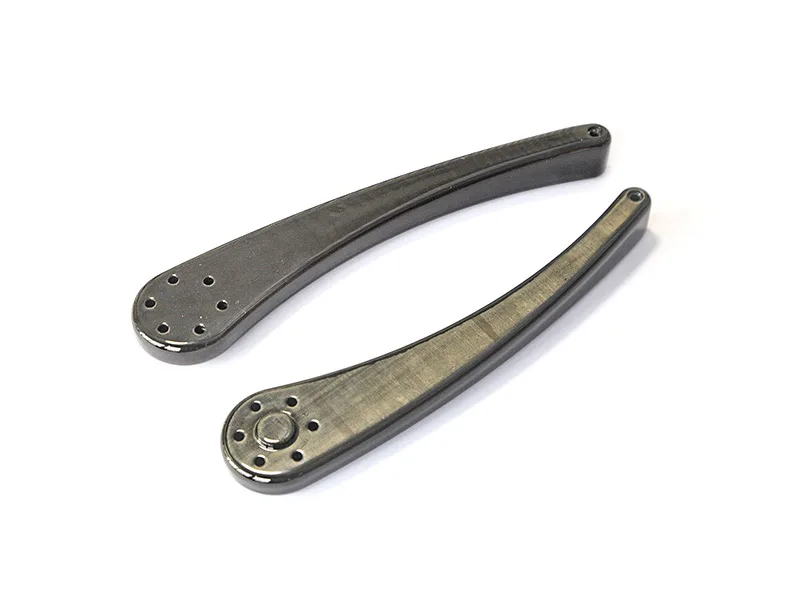
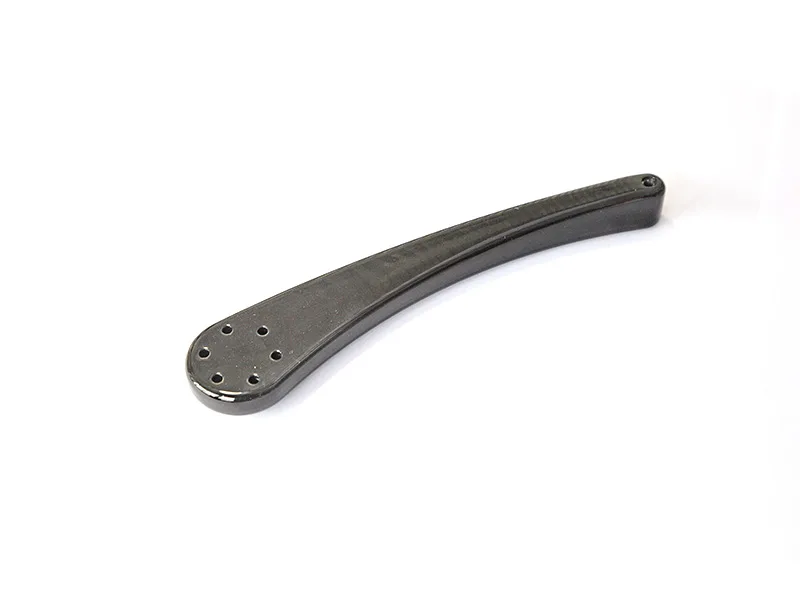
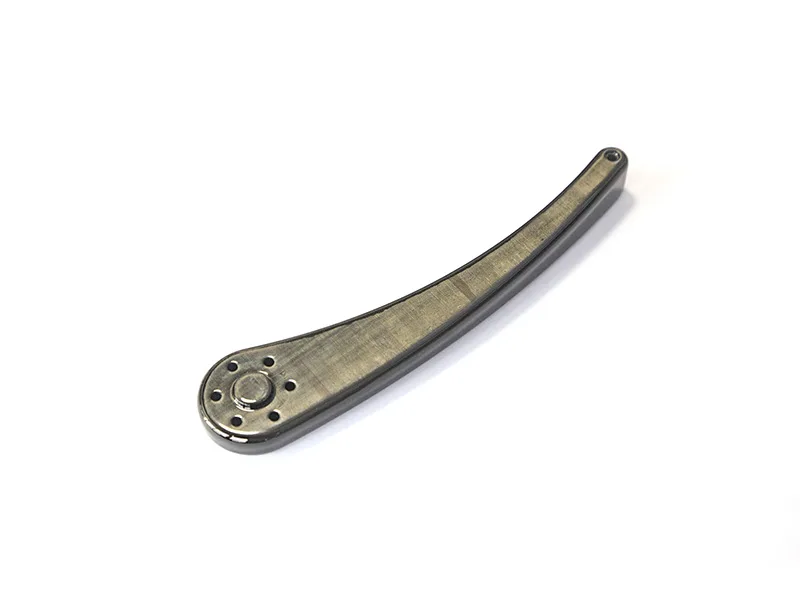
A full carbon fiber arm made as a verification sample, carrying the strength and stiffness of a production composite part so the structure can be tested before a mould is cut.
What This Part Is and Why It Exists
The structural arm is made from full carbon fiber material, so it carries the strength and rigidity of a production carbon fiber part rather than the shape alone. High strength, high rigidity and low specific gravity are the properties the sample is built to demonstrate, which is why it can be used as an industrial product for testing and use rather than display.
In the product design and verification phase this lets the engineering team exploit the characteristics of the composite in full. Structural strength, rigidity and precision can all be verified without opening a mould, which is the point at which a programme normally commits its tooling budget.
Four Reasons Buyers Specify This Part
Verify Structure Without Tooling
Strength, stiffness and precision are checked on a real composite part, so the mould decision is made with test data instead of assumptions.
Production Material From Day One
The sample is full carbon fiber, not a printed or machined stand-in, so load behaviour carries across to the production part.
Finish Chosen by You
The surface can be painted to your choice - gloss for a high-end look, matte for a quieter, more restrained finish.
One Supplier Across Materials
Carbon, metal and plastic samples for the same assembly come from a single source, so the parts arrive together and fit together.
Where This Part Is Used
- Robotic arm links and machine members where moving mass drives cycle time
- UAV arms and booms where every gram reduces take-off weight
- Test rigs and fixtures that must stay rigid under repeated loading
- Sports and industrial equipment structures in the validation phase
Buyers This Part Was Made For
- Mechanical engineers deciding whether a metal member can become composite
- Programme managers who need structural evidence before releasing tooling money
- R&D teams building one-off rigs that still have to survive real loads
Three Failure Modes This Part Removes
Tooling committed too early
Cutting a mould before the structure is proven turns every geometry change into a tooling change.
Samples that prove nothing
A plastic model shows fit but not stiffness, so the structural risk stays open until production parts exist.
Mixed-material assemblies
Carbon, metal and plastic parts sourced separately arrive at different times and to different interpretations of the drawing.
Technical Data for Carbon Fiber Structural Arm
Every value below is taken from the published CarbonWizer specification for this part. Anything not published is marked TBC rather than estimated.
| Material | Full carbon fiber |
| Part Type | Structural prototype arm |
| Key Properties | High strength, high rigidity, low specific gravity |
| Surface Finish | Painted - gloss or matte, customer choice |
| Tooling Required | None at sample stage |
| Dimensions | TBC - made to customer drawing |
| Lead Time | Sample within one week; production 15 to 25 days |
| Certification | TBC - confirm in writing before order |
Technical Features
- Full carbon fiber construction throughout the part
- High strength, high rigidity, low specific gravity
- Suitable for use as an industrial test article, not display only
- Paint finish available in gloss or matte
- No mould required for the sample stage
Materials
Carbon fiber prepreg, laid up and cured, then machined to the drawing. Where an assembly needs a metal interface, aluminium and other machined metal parts are produced alongside so the set arrives matched.
How This Part Is Made
Drawing review
Drawing, load case and finish reviewed against the geometry.
Lay-up planning
Material, fibre architecture and process selected for the part.
Cure
The part is formed by the chosen composite or machining route.
CNC finishing
Cure or finish machining brings the part to final geometry.
Paint
Surface and edges finished to the agreed appearance.
Dimensional check
Dimensions checked against the drawing before despatch.
Quality Control
Every sample is measured against the drawing before it leaves. Assembly-grade parts in this family are produced to a dimensional tolerance of plus or minus 0.01 mm where the drawing calls for it.
Certifications: No third-party certification records were published on the previous CarbonWizer site. Certification status for this part is marked TBC and is confirmed in writing before an order is placed.
What Can Be Changed
- Geometry to your 2D drawing or 3D model
- Gloss or matte paint finish
- Weave orientation planned around the load path
- Matched metal or plastic parts for the same assembly
How It Compares
| Full carbon fiber arm | Production-level strength and stiffness; verifies structure and appearance in one sample |
| Machined aluminium arm | Predictable and fast, but heavier; tells you nothing about composite behaviour |
| 3D printed plastic arm | Cheapest and fastest for fit checks only; not a structural test article |
How to Specify and Order This Part
Send the 3D model with the load case and the mounting interfaces marked. Say whether the sample will be tested to failure, because that changes how the lay-up is planned. Confirm the finish - gloss reads high-end, matte reads technical - before the part is painted.
Parts Often Specified Alongside This One
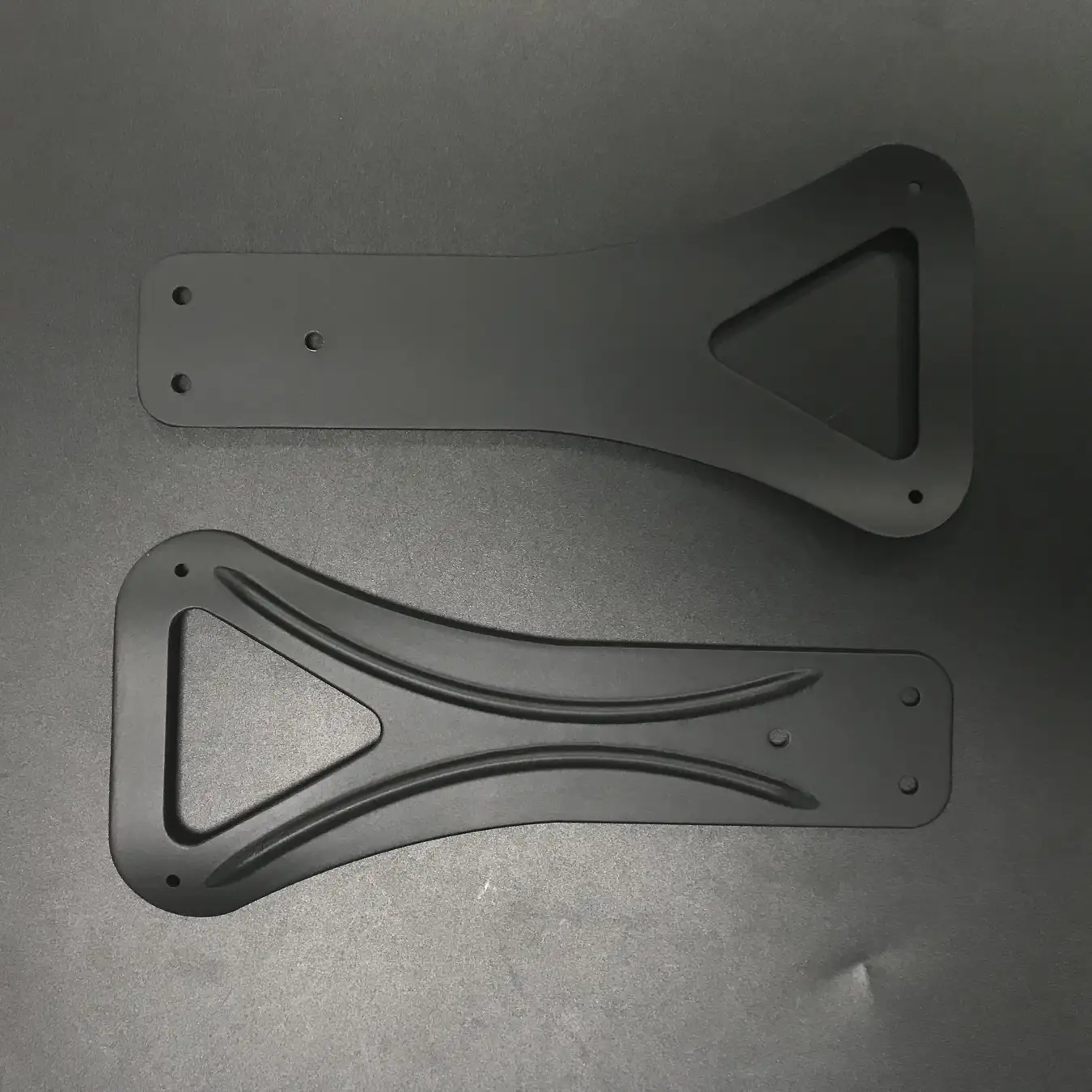
Carbon Fiber Gasket
A real carbon fiber gasket produced to a dimensional tolerance of plus or minus 0.01 mm, so it can form part of a small high-precision assembly rather than a loose fit-check.
View details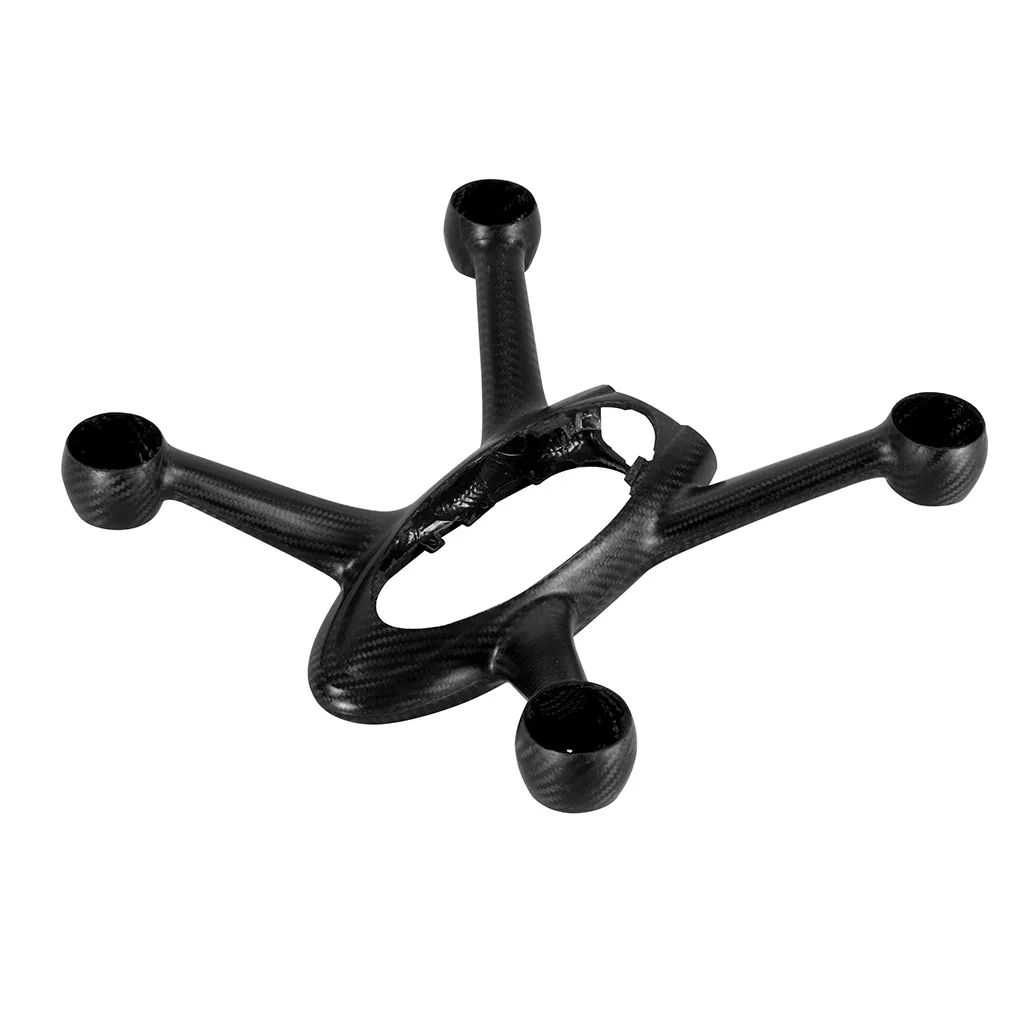
Carbon Fiber Drone Parts
Frames, arms, plates and propellers in carbon fiber composite, which cut roughly 40 per cent of the weight against traditional materials and directly extend flight duration.
View details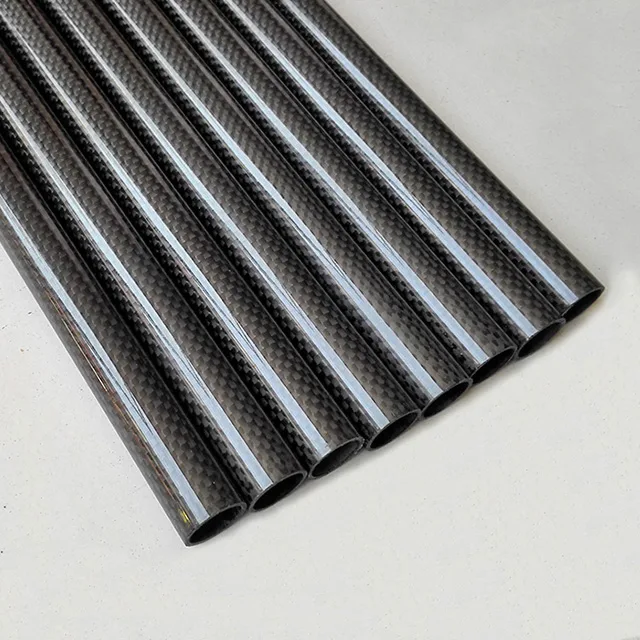
Carbon Fiber Tube
High strength carbon fiber tubing fabricated with unidirectional prepreg and wrapped in 3K plain or twill fabric, in fifteen stock part numbers from 5.0 mm to 242.0 mm nominal inside diameter.
View detailsRelated Cases and Technical Guides
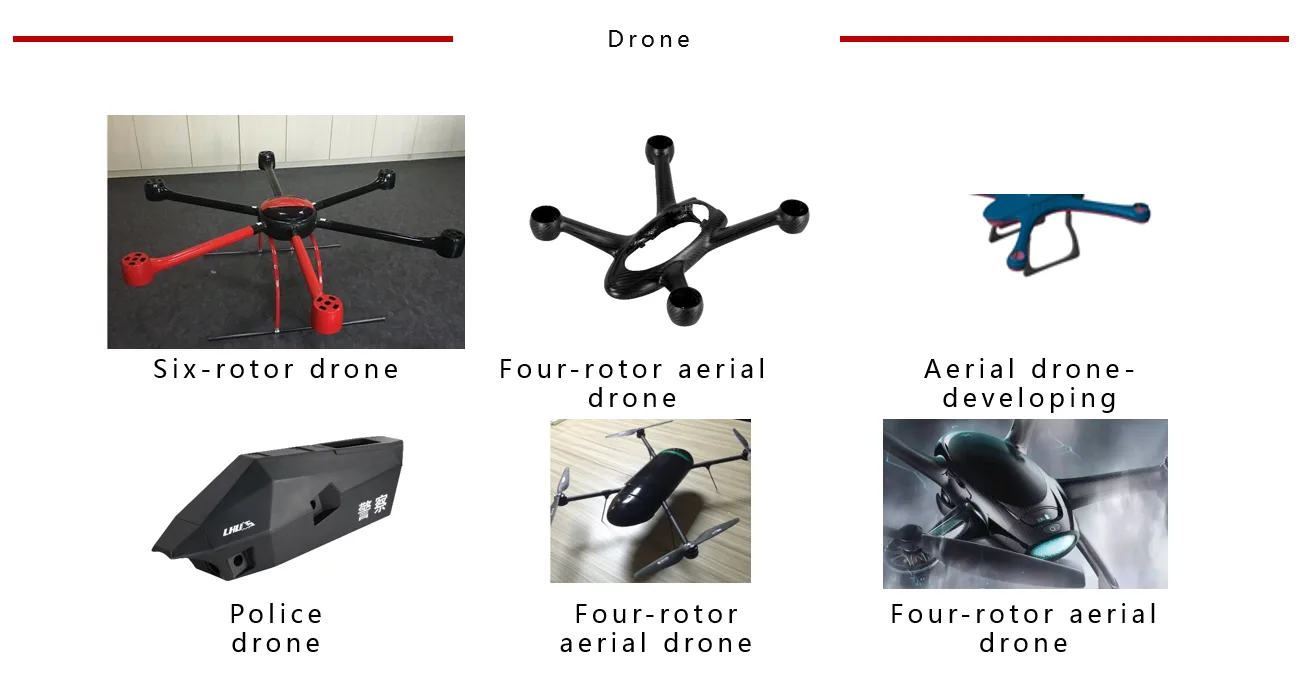
Carbon Fiber Drone Parts Programme
Carbon fiber drone parts is one of the success case areas developed by the CarbonWizer team, spanning six-rotor and four-rotor airframes, aerial and police drone platforms.
Read the case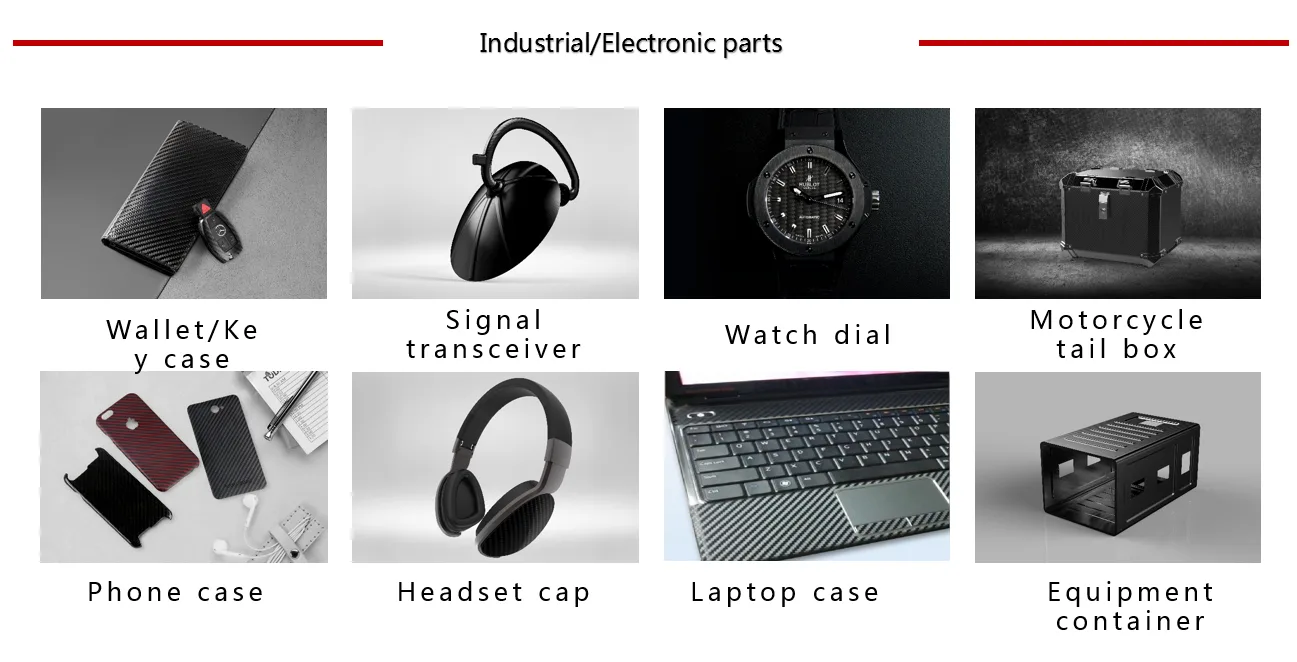
Industrial and Electronics Parts
Industrial and electronics parts is one of the success case areas developed by the CarbonWizer team, covering wallets and key cases, signal transceivers, watch dials, motorcycle tail boxes, phone cases, headset caps, laptop cases and equipment containers.
Read the case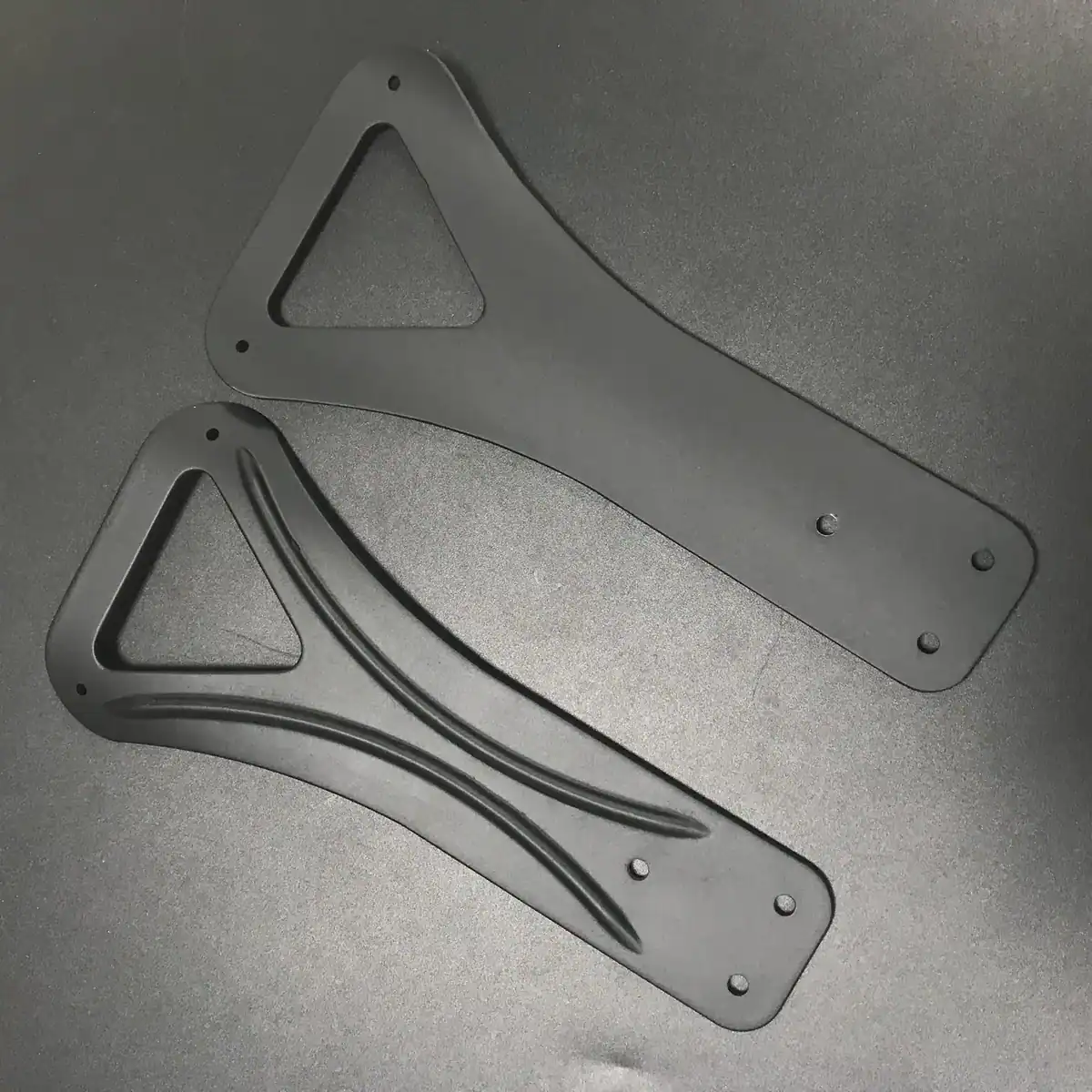
Why Verify a Composite Part Before You Cut the Mould
Tooling is the irreversible step in a composite programme. A full carbon fiber sample lets you test strength, rigidity and precision while changes still cost machining time instead of tooling money.
Read the guide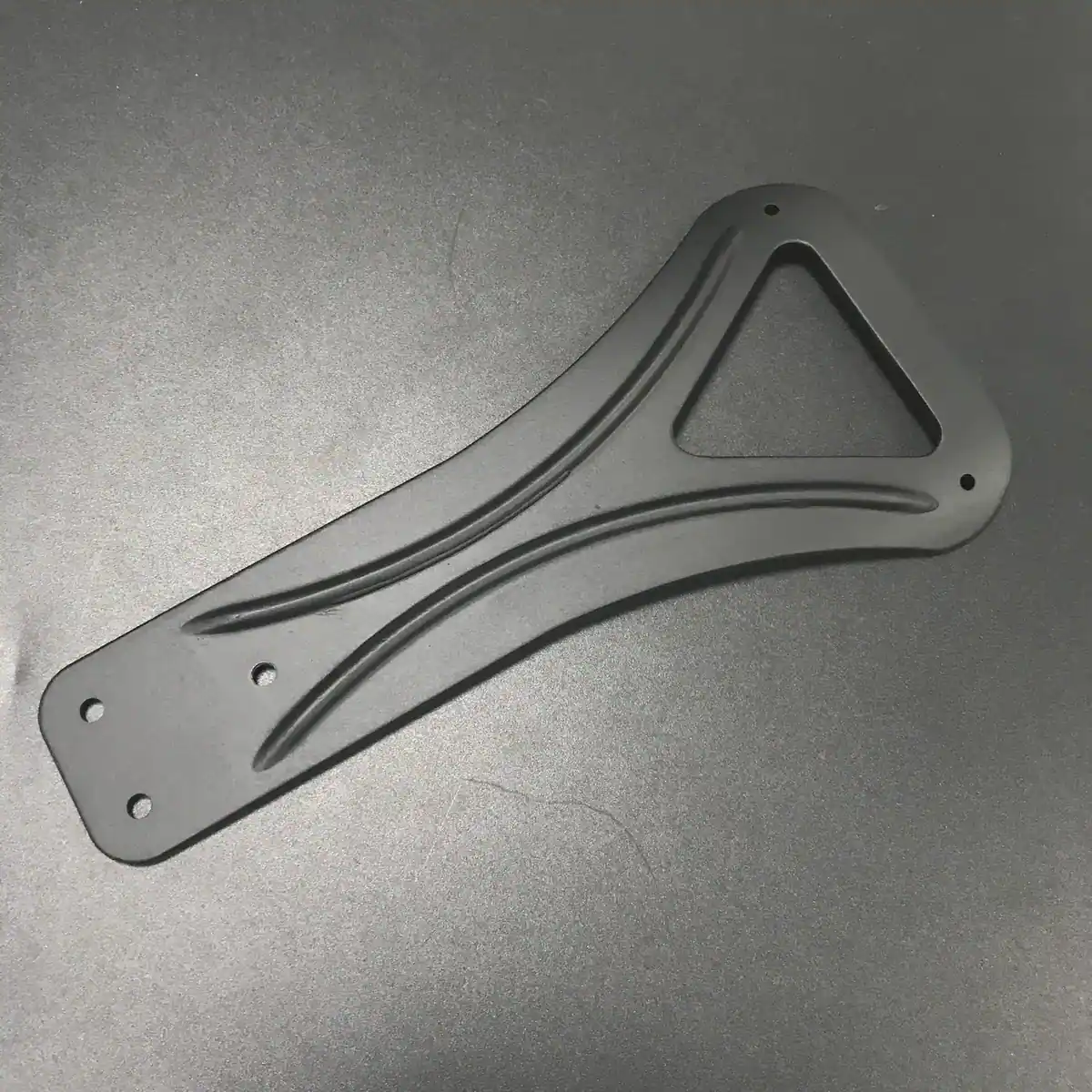
Carbon Fiber or Aluminium for a Structural Part
Aluminium is predictable, machinable and cheap to buy. Carbon fiber is lighter and stiffer per gram and lets you place fibre where the load is. Which wins depends on three questions.
Read the guideQuestions About Carbon Fiber Structural Arm
Do I need a mould for this sample?
No. In the design and verification phase the arm is produced without opening a mould, which is what allows structure and precision to be checked before tooling is committed.
Will the sample behave like the production part?
It is made from full carbon fiber material and carries the strength and rigidity of a carbon fiber part, so it can be used as an industrial article for testing and use.
What finish options are available?
The appearance can be painted to your choice. A bright finish reads high-end and cool; a matte finish reads low-key and restrained.
How long does a sample take?
Sample orders are normally shipped within one week. A normal production order takes 15 to 25 days.
Quote Carbon Fiber Structural Arm for Your Project
Email the drawing or the part number with the quantity and finish you need. Samples are normally despatched within one week.