
Thread Forms and Point Types: Type-A, BSB, CSB, Hi-Low, TEK#1–#5, Type 17
Six thread forms and six point types, and the substrate question each one answers.
Six thread forms
Type-A, BSB, CSB, hi-low, machine and double. Type-A is the coarse sheet metal thread; BSB and CSB are the blunt and cone point sheet metal forms; hi-low uses two thread heights to cut torque and raise pull-out; machine thread runs into a tapped hole or nut; double thread has two starts, so the screw advances twice as far per turn.
Six point types
TEK#1 to TEK#5 and Type 17. The TEK number follows the total thickness of steel the point must drill before the thread engages — get it wrong and either the screw stalls or the two layers jack apart. Type 17 is the timber point: cut away so it clears its own chip and starts in wood without a pilot hole.
Wings and serrations
A winged point reams a clearance hole through the top layer — timber, or a top sheet — so the thread only engages the material underneath. The wings then snap off when they reach the steel. Without them the thread bites the top layer while the point is still drilling, and the joint opens up. Serrations under a flat head let it countersink itself without pre-drilling.
Standard thread pitches
10#-12, 12#-11 and 14#-10 on the coarser sizes; 6#-20, 7#-19, 8#-18 and 10#-16 in the middle; 8#-32, 10#-24, 12#-24 and 14#-20 on the finer machine-thread end.
Everything on this page describes the specification range Beyond Industry Groups Limited works to. Where a figure is a laboratory test result rather than a service life, it is described as such.
Put it to use
Send the substrate, the exposure and the quantity. We will name the head, point, thread form, material and finish, and quote them.
Ask the factoryOther technical notes
- Self Drilling vs Self Tapping Screws: Which One Your Job Needs
- Drywall Screw Thread Forms: Fine, Coarse and Hi-Low
- Roofing Screw Selection: Sheet, Deck, Point and Washer
- Fastener Finishes and What Salt Spray Hours Really Tell You
- Stainless Grades for Fasteners: 304, 316, 410 and the Rest
- Screw Head Types and Drives: An Eleven by Seven Matrix
- Bolt Property Classes: What 8.8, 10.9 and A4-80 Mean
Products this note applies to
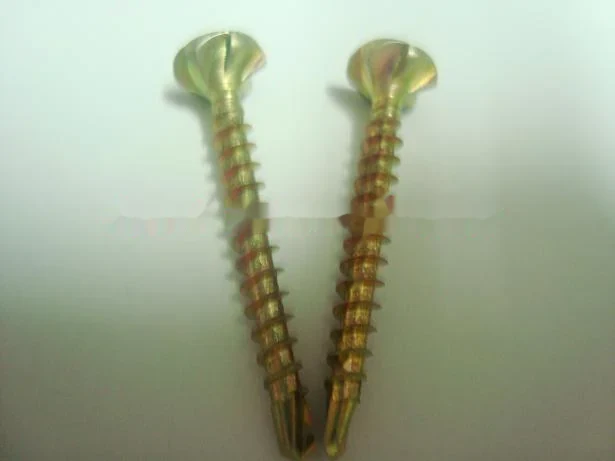
Flat Head Tek Screws
Flat head self-drilling screws.
View specification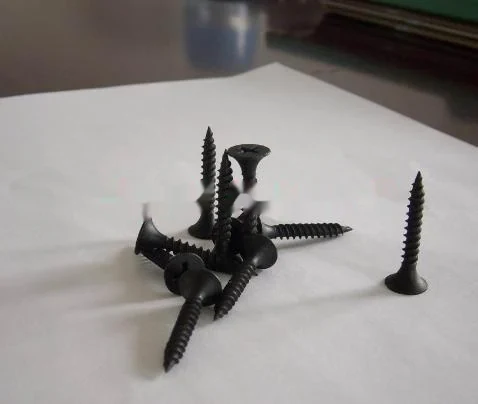
Drywall Screws (BF-110)
Drywall screws for board fixing.
View specification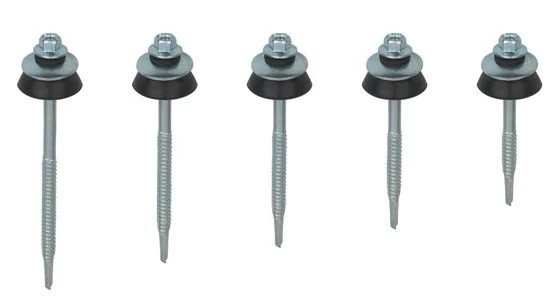
Roofing Screws (BF-140)
Roofing screws for fixing profiled sheet to steel purlin or timber.
View specification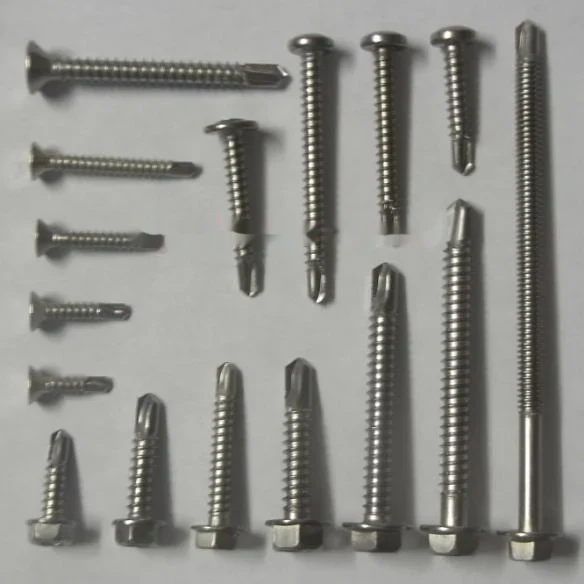
Stainless Steel Tek Screws (BF-155)
Stainless steel self-drilling screws in the standard M1.4–6.3 range.
View specificationSpecification questions are free
We would rather answer three questions now than replace a container of the wrong screw later.