
Self Drilling vs Self Tapping Screws: Which One Your Job Needs
A self drilling screw drills, taps and tightens in one action. A self tapping screw forms its thread in a hole you have already made. Here is where the line falls.
The functional difference
A self drilling screw gathers drilling, tapping and tightening into a single action. A self tapping screw cuts or forms the mating thread inside a pre-drilled, non-awl hole — it makes the thread but not the hole. Most self tapping screws carry an awl point, which cuts the thread easily as it enters.
Why the self drilling screw has to be harder
Its case hardness and its core hardness both run higher than a self tapping screw of the same size, for one reason: the extra drilling function. A point that is not hard enough burnishes the hole instead of cutting it, work-hardens the steel around it, and then snaps.
The drill test
Self drilling screws are drill tested — the screw has to cut its hole and form the thread within a time limit. A screw that takes longer than the limit is not cutting properly, and on site that is the screw that fails.
The practical rule on sheet
Roofing work gives the clearest cut-off. Where the steel sheet is less than 1mm thick, a self tapping roofing screw is the right choice: the drill point of a self drilling screw has not finished cutting before the thread arrives, and the sheet is pushed away rather than pulled in. Over 1mm, the self drilling screw earns its place.
Choosing the point
Points run TEK#1 to TEK#5 plus Type 17. The number follows the total thickness of steel the screw has to get through — the No.5 point is the one specified for the thicker sections. Type 17 is the timber point, cut away so the screw starts in wood without a pilot hole.
Everything on this page describes the specification range Beyond Industry Groups Limited works to. Where a figure is a laboratory test result rather than a service life, it is described as such.
Put it to use
Send the substrate, the exposure and the quantity. We will name the head, point, thread form, material and finish, and quote them.
Ask the factoryOther technical notes
- Drywall Screw Thread Forms: Fine, Coarse and Hi-Low
- Roofing Screw Selection: Sheet, Deck, Point and Washer
- Fastener Finishes and What Salt Spray Hours Really Tell You
- Stainless Grades for Fasteners: 304, 316, 410 and the Rest
- Screw Head Types and Drives: An Eleven by Seven Matrix
- Thread Forms and Point Types: Type-A, BSB, CSB, Hi-Low, TEK#1–#5, Type 17
- Bolt Property Classes: What 8.8, 10.9 and A4-80 Mean
Products this note applies to
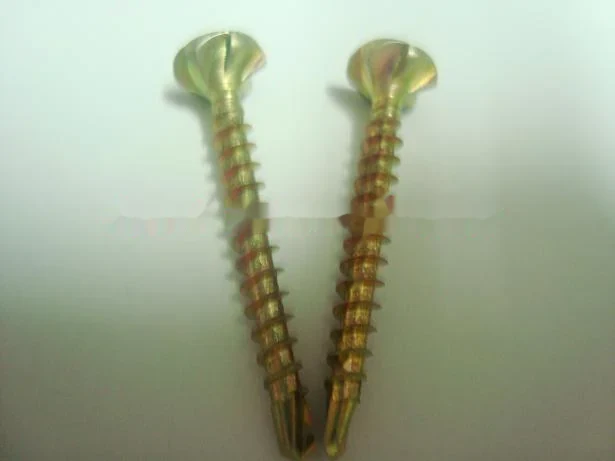
Flat Head Tek Screws
Flat head self-drilling screws.
View specification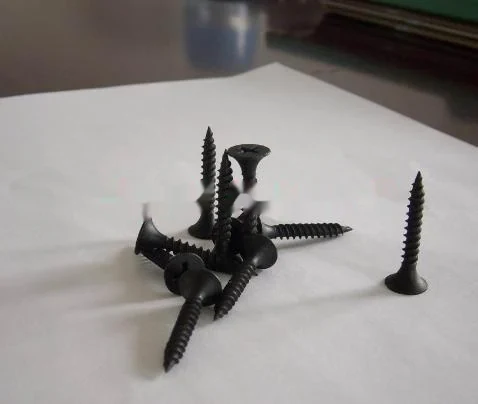
Drywall Screws (BF-110)
Drywall screws for board fixing.
View specification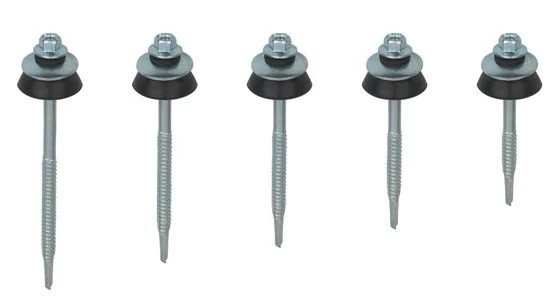
Roofing Screws (BF-140)
Roofing screws for fixing profiled sheet to steel purlin or timber.
View specification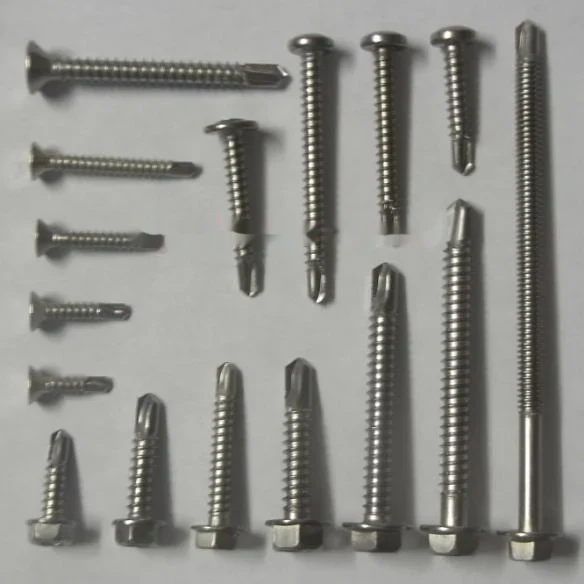
Stainless Steel Tek Screws (BF-155)
Stainless steel self-drilling screws in the standard M1.4–6.3 range.
View specificationSpecification questions are free
We would rather answer three questions now than replace a container of the wrong screw later.