
Drywall Screw Thread Forms: Fine, Coarse and Hi-Low
Three thread forms, three substrates. What the 30 and 60 degree angles on a hi-low thread are actually doing.
Three forms, not one product
Drywall screws are a construction industry combination rather than a single item. We make three: fine thread, coarse thread and high-low.
Fine and coarse
Fine thread goes into light gauge steel stud; coarse thread goes into timber. The choice is not cosmetic — fine thread in timber strips the hole, coarse thread in steel stud stalls the driver.
What the hi-low geometry does
The hi-low design uses a much flatter and sharper thread angle. The high thread runs at 30 degrees, the low thread at 60 degrees, and the low thread stands at only half the height of the high one. The result is lower driving torque, greater pull-out resistance and a lower risk of the screw breaking — the low thread clears the debris the high thread cuts.
The head is doing work too
The bugle head applies indented pressure as it seats, which is what lets it sink into the board without breaking the wallpaper or the gypsum surface. A flat or pan head at the same torque cuts straight through the facing.
Everything on this page describes the specification range Beyond Industry Groups Limited works to. Where a figure is a laboratory test result rather than a service life, it is described as such.
Put it to use
Send the substrate, the exposure and the quantity. We will name the head, point, thread form, material and finish, and quote them.
Ask the factoryOther technical notes
- Self Drilling vs Self Tapping Screws: Which One Your Job Needs
- Roofing Screw Selection: Sheet, Deck, Point and Washer
- Fastener Finishes and What Salt Spray Hours Really Tell You
- Stainless Grades for Fasteners: 304, 316, 410 and the Rest
- Screw Head Types and Drives: An Eleven by Seven Matrix
- Thread Forms and Point Types: Type-A, BSB, CSB, Hi-Low, TEK#1–#5, Type 17
- Bolt Property Classes: What 8.8, 10.9 and A4-80 Mean
Products this note applies to
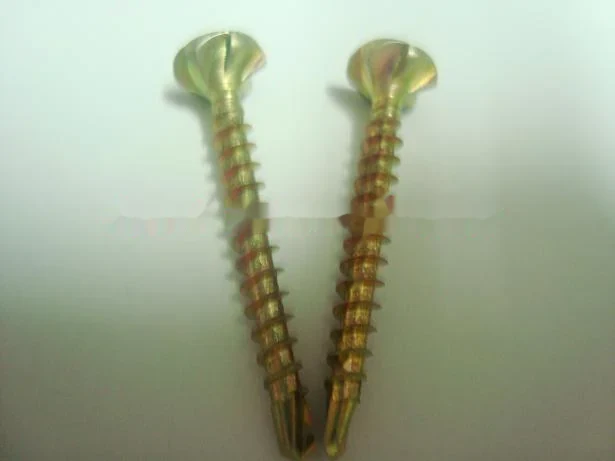
Flat Head Tek Screws
Flat head self-drilling screws.
View specification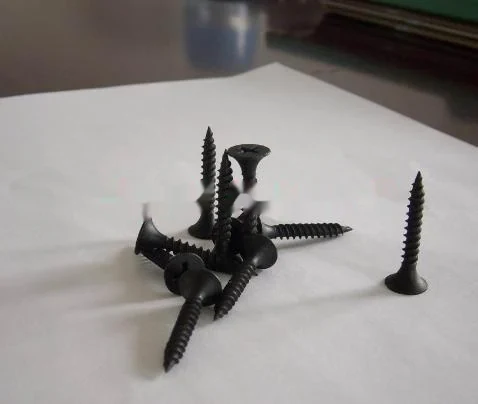
Drywall Screws (BF-110)
Drywall screws for board fixing.
View specification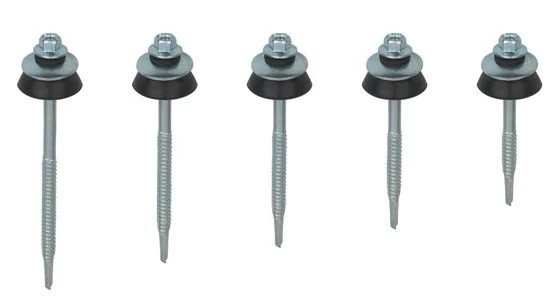
Roofing Screws (BF-140)
Roofing screws for fixing profiled sheet to steel purlin or timber.
View specification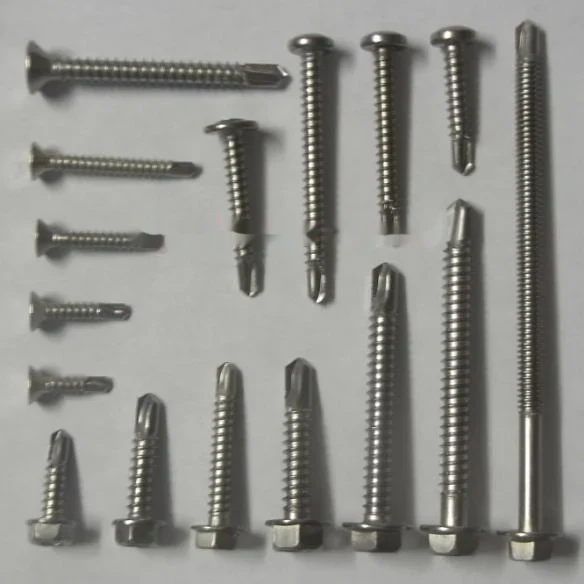
Stainless Steel Tek Screws (BF-155)
Stainless steel self-drilling screws in the standard M1.4–6.3 range.
View specificationSpecification questions are free
We would rather answer three questions now than replace a container of the wrong screw later.