
D114F900 Newtonian Telescope Astronomical Reflection of Objective Lens
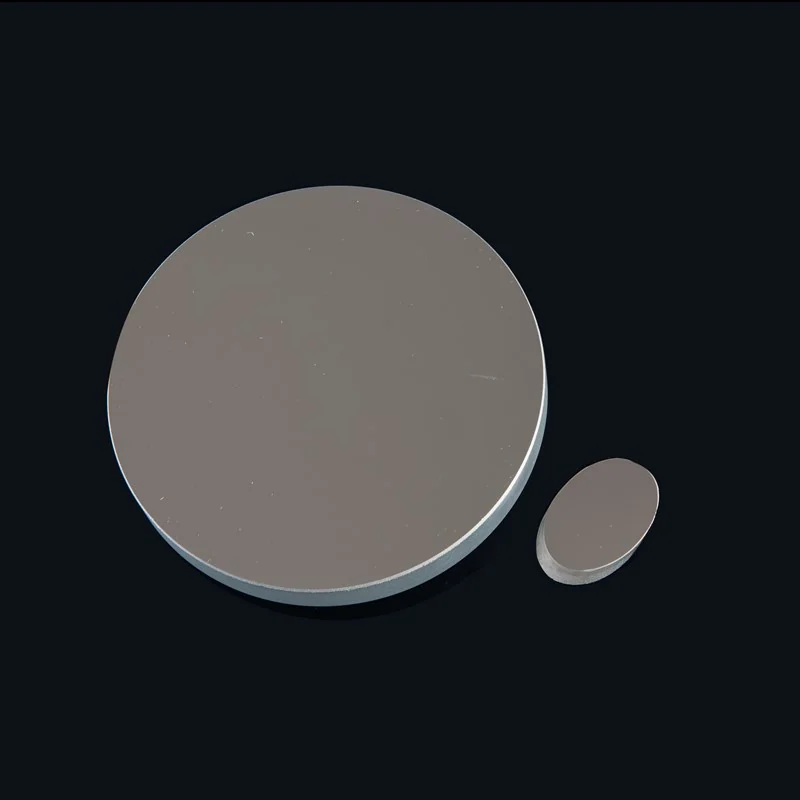
The D114F900 is a Newtonian astronomical reflection objective lens with a 114mm aperture and 900mm focal length, designed for amateur and educational astronomy.
Product Overview
The D114F900 is a Newtonian astronomical reflection objective lens with a 114mm aperture and 900mm focal length, designed for amateur and educational astronomy. It features a spherical primary mirror with an edge thickness of about 14mm, coated with aluminum and protected by a film. The telescope tube is 500mm long, but the focal length reaches 900mm, allowing for a focal ratio between f/4 and f/8. This makes it suitable for observing faint galaxies, nebulae, and planetary surfaces, as well as for astrophotography. The design is compact and portable, ideal for field use.
- Optical designNewtonian reflector
- Primary mirror typeSpherical
- Aperture114mm
- Focal length900mm
- Focal ratiof/4 to f/8
- Mirror edge thicknessApprox. 14mm
Key Benefits
- 114mm aperture collects sufficient light for observing faint deep-sky objects like galaxies and nebulae
- 900mm focal length with f/4 to f/8 focal ratio provides a balance between light gathering and image sharpness
- Spherical primary mirror with aluminum coating and protective film ensures good reflectivity and durability
- Compact 500mm tube length with 900mm focal length improves portability without sacrificing optical performance
- Suitable for both visual observation and astrophotography with a stable Newtonian optical design
Application Scenarios
- Observing deep-sky objects such as nebulae and distant galaxies from a backyard or dark-sky site
- Visual inspection of the Moon's surface and planetary details like Jupiter's bands and Saturn's rings
- Astrophotography setup with a DSLR or CCD camera using the telescope's focal length and focal ratio
- Field astronomy sessions where portability and setup speed are important
- Educational demonstrations in schools or amateur astronomy clubs using a hands-on Newtonian design
Who It Is For
- Amateur astronomers and hobbyists building or using DIY telescopes
- Educational institutions teaching optics, astronomy or physics
- Science outreach programs and public stargazing events
- Photography enthusiasts interested in low-light astrophotography
- DIY telescope builders requiring a ready-to-integrate primary mirror
Problems It Solves
- A large aperture mirror at a lower cost compared to refractive lenses for deep-sky observation
- A compact tube length that reduces transport and storage challenges while maintaining long focal length
- A stable Newtonian design that avoids chromatic aberration common in refractive systems
- A reflective surface that delivers bright images at the focal plane for both visual and photographic use
- A durable aluminum-coated mirror with protective film that resists degradation in outdoor conditions
Technical Features
- Newtonian reflector optical design with a spherical primary mirror
- Aperture diameter of 114mm for high light collection
- Focal length of 900mm, resulting in a focal ratio between f/4 and f/8
- Edge thickness of the mirror approximately 14mm
- Aluminum coating with protective film for long-term reflectivity
- Compact tube length of 500mm despite 900mm focal length
- No specified secondary mirror or focuser included, intended for integration into a complete telescope system
Specifications
| Optical design | Newtonian reflector |
|---|---|
| Primary mirror type | Spherical |
| Aperture | 114mm |
| Focal length | 900mm |
| Focal ratio | f/4 to f/8 |
| Mirror edge thickness | Approx. 14mm |
| Mirror coating | Aluminum with protective film |
| Tube length | 500mm |
| Mounting type | Not specified |
| Focuser type | Not specified |
| Compatibility | For integration into a complete telescope system |
Specifications are taken from the AMADA product data for this item. Confirm critical dimensions with us in writing before ordering.
Customization Options
- Can be integrated into a custom telescope tube or mount system
- Compatible with various secondary mirrors and focuser types based on user design
- No standard accessories included; users must source additional components for full assembly
Comparison With Other Options
| Refractor telescope with equivalent aperture | The Newtonian mirror is less expensive and lighter than a refractor lens of the same size, but requires collimation and has a central obstruction. |
|---|---|
| Catadioptric telescope | The Newtonian has a simpler optical path and no lens elements, but is bulkier and less portable than a Schmidt-Cassegrain or Maksutov design. |
Use Guide
- Ensure the mirror is handled only by edges to avoid coating damage
- Clean the mirror surface only with a soft brush or compressed air; do not touch the coated surface
- Align the secondary mirror and focuser carefully during assembly to maintain optical performance
- Check collimation regularly, especially after transport or handling
- Use a protective cover when not in use to prevent dust and moisture exposure
More From Astronomy Mirror
D305F1200 305mm Telescope Main Mirror Parabolic Primary Mirror Large Diameter
View Details
D203F1600 Newton Reflector Objective Primary Mirror Astronomical Telescope
View Details
D150F750 Parabolic Reflector Spherical Primary Mirror for Astronomical Telescope
View Details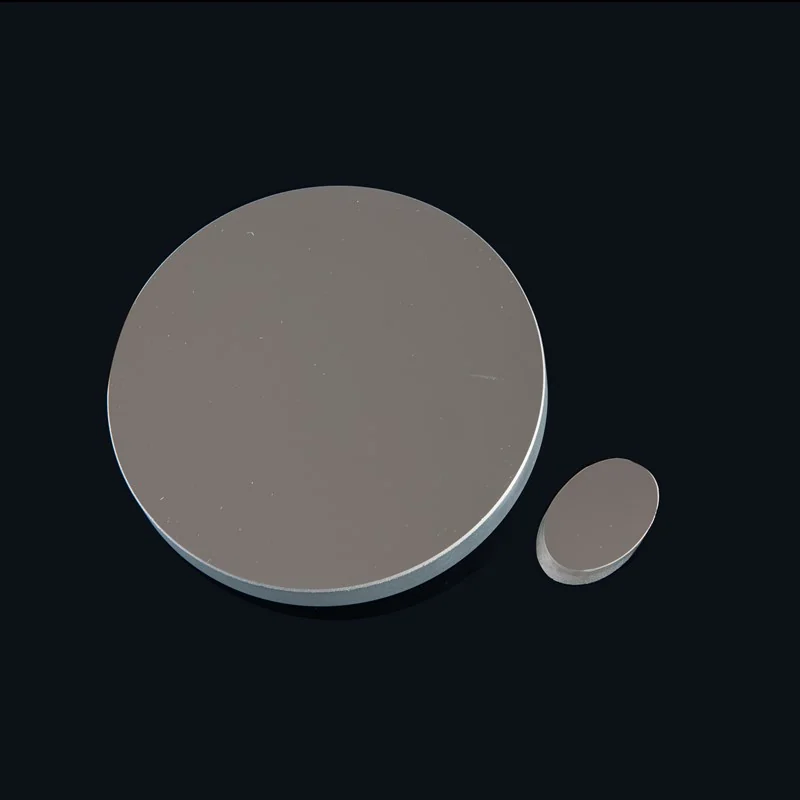
D130F650 Newton Reflection Primary Mirror for DIY Astronomical Telescope
View Details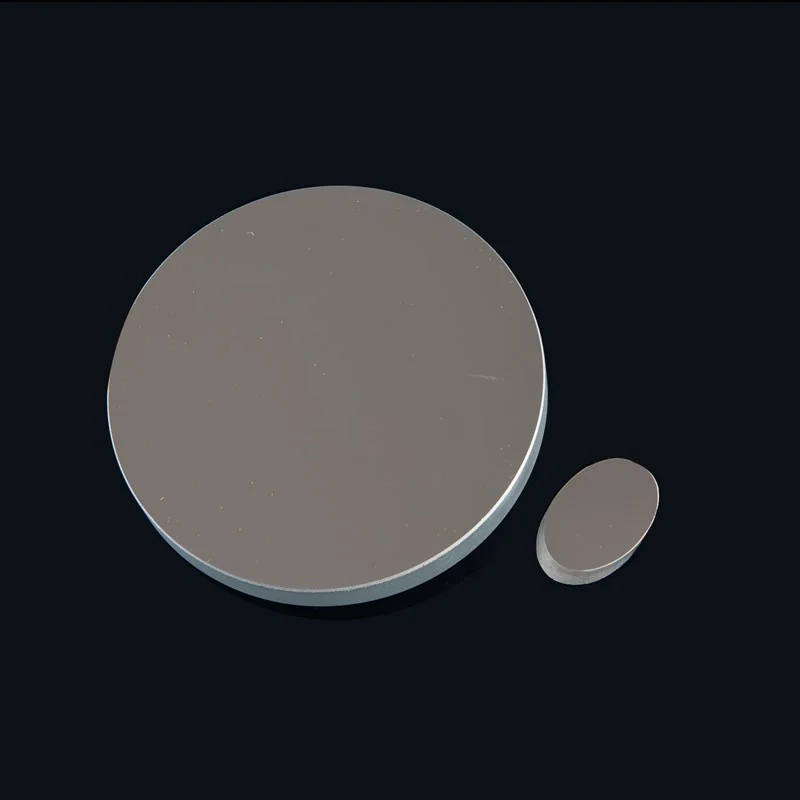
D127F900 Newton Reflection Primary Mirror for DIY Astronomical Telescope
View Details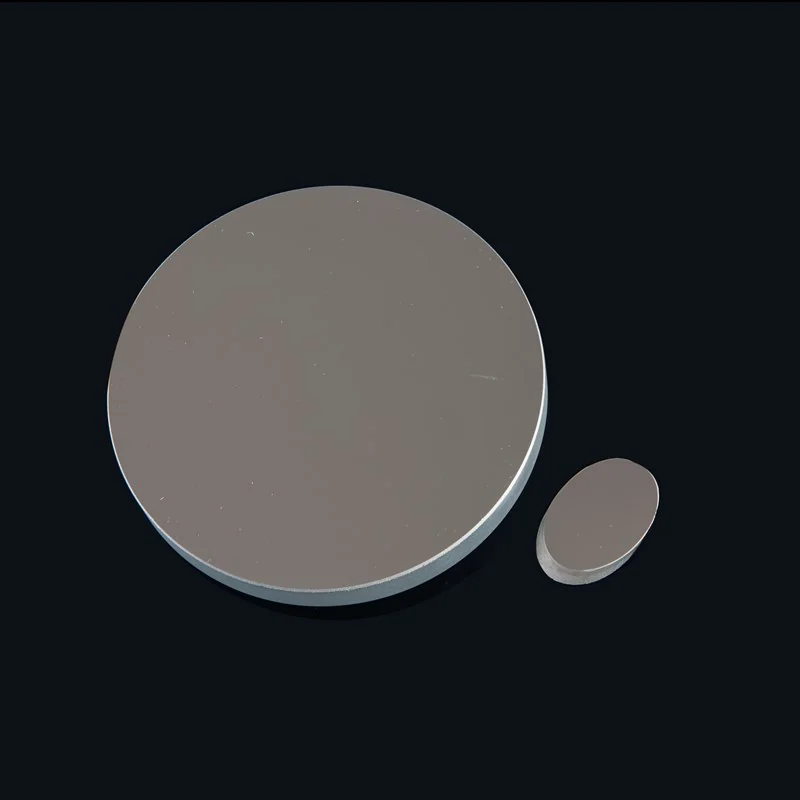
D76F700 Newton Reflector Objective Primary Mirror Astronomical Telescope
View Details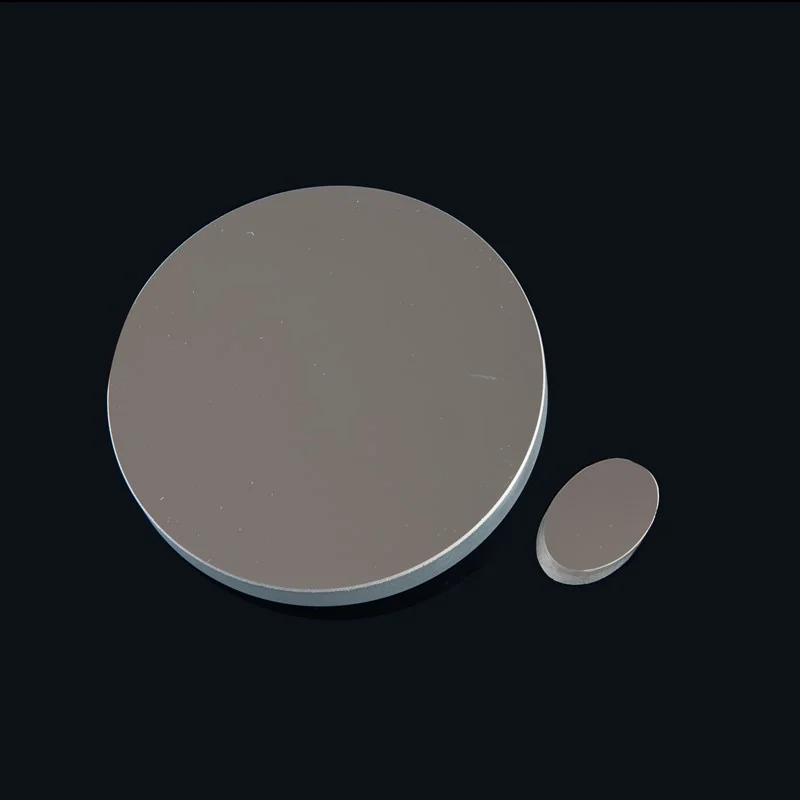
D76F300 Astronomical Telescope Reflector Objective Reflection Primary Mirror
View Details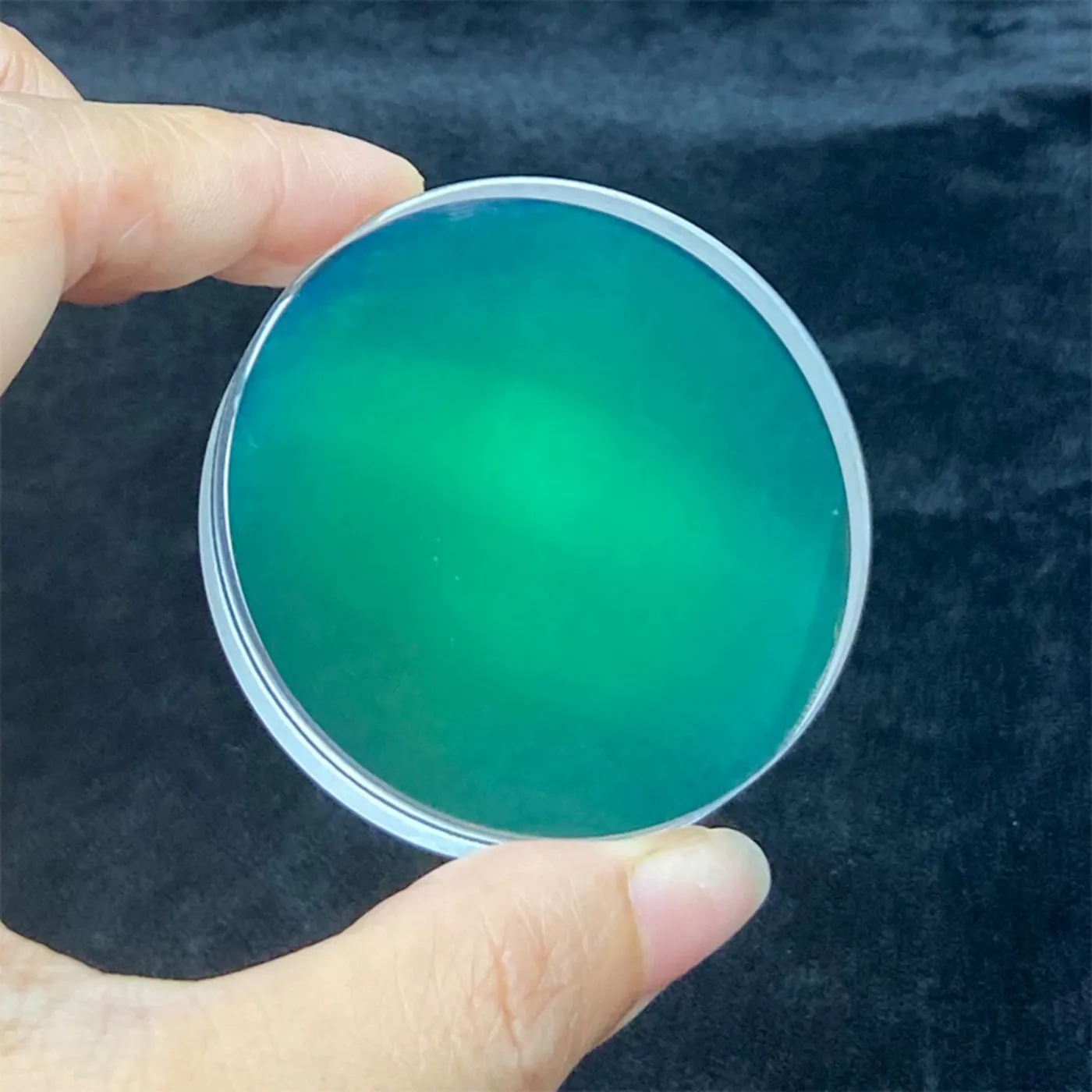
D51F219 Diameter 51mm Refractive Green Film Telescope Achromatic Objective
View DetailsGuides and Applications
Frequently Asked Questions
What is the aperture and focal length of the mirror?
The aperture is 114mm and the focal length is 900mm.
Is the mirror coated with aluminum?
Yes, the mirror has an aluminum coating with a protective film.
Can I use this mirror in a DIY telescope?
Yes, it is designed for integration into a complete telescope system by hobbyists and educators.
What is the focal ratio range?
The focal ratio ranges from f/4 to f/8 depending on the secondary mirror and setup.
Does the mirror come with a holder or mount?
No, the mirror is sold as a component and requires a custom or purchased mounting system.
How should I clean the mirror?
Use only a soft brush or compressed air. Do not touch the coated surface with fingers or cloth.
Request A Price On The D114F900 Newtonian Telescope Astronomical Reflection of Objective Lens
Send quantity, destination and the application. We will confirm the configuration, the price and the lead time.