
Astronomy Mirror
Astronomy mirrors are precision optical components for Newtonian and reflector telescopes, supplied as primary and secondary mirrors with parabolic, spherical or elliptical surfaces for DIY and commercial telescope assembly.
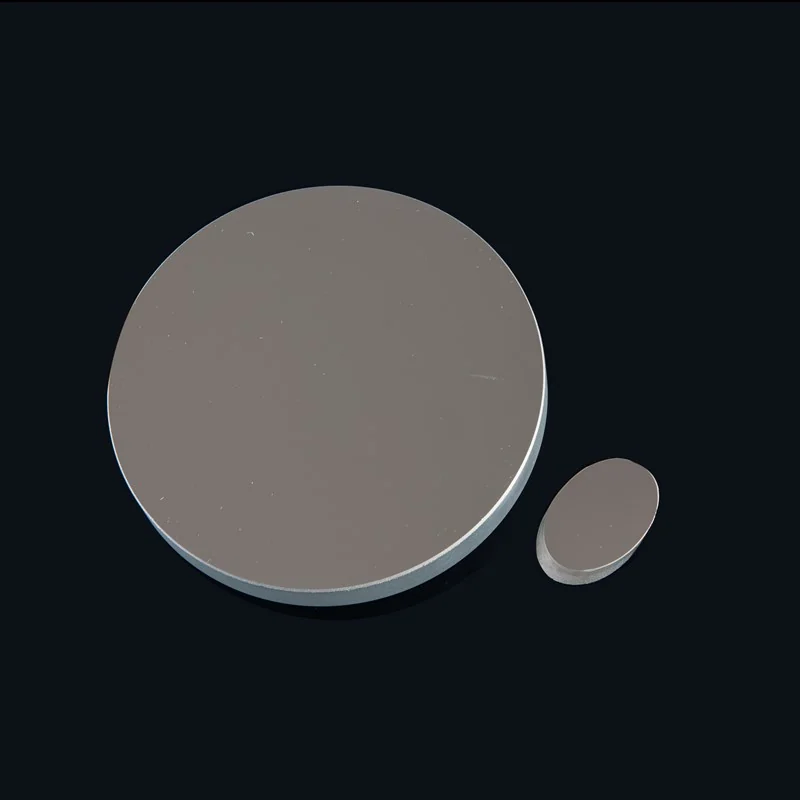
The Astronomy Mirror range covers 12 catalogue items. Models in this range include D305F1200 305mm Telescope Main Mirror Parabolic Primary Mirror Large Diameter; D203F1600 Newton Reflector Objective Primary Mirror Astronomical Telescope; D150F750 Parabolic Reflector Spherical Primary Mirror for Astronomical Telescope; D130F650 Newton Reflection Primary Mirror for DIY Astronomical Telescope. Every item is listed with the specification published for it, so a model can be compared on working distance, magnification, interface and fitment rather than on a description.
Every Astronomy Mirror In Stock
All 12 items in this category, listed in full.
D305F1200 305mm Telescope Main Mirror Parabolic Primary Mirror Large Diameter
View Details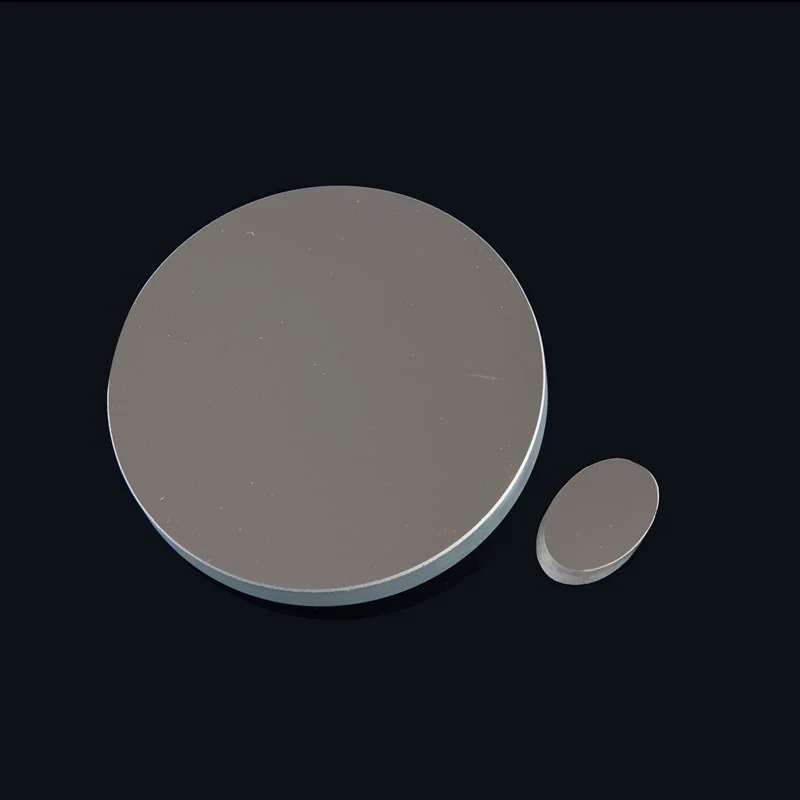
D203F1600 Newton Reflector Objective Primary Mirror Astronomical Telescope
View Details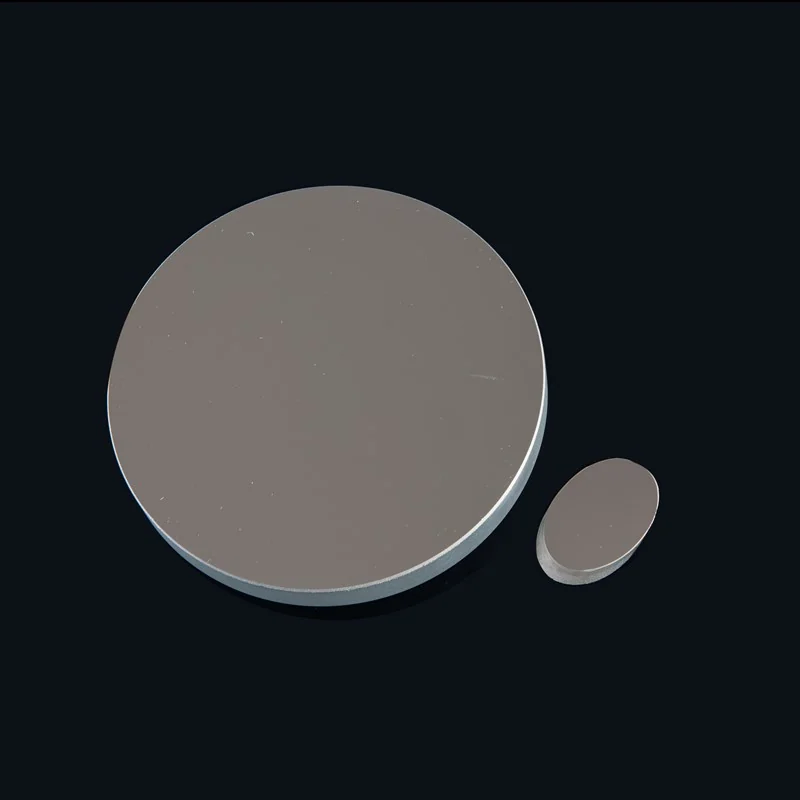
D150F750 Parabolic Reflector Spherical Primary Mirror for Astronomical Telescope
View Details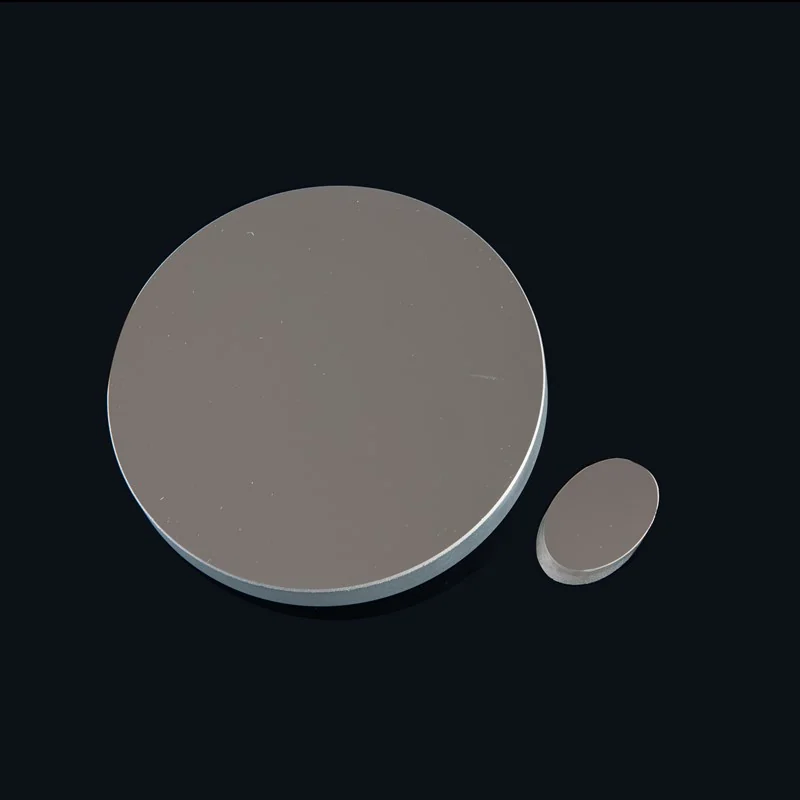
D130F650 Newton Reflection Primary Mirror for DIY Astronomical Telescope
View Details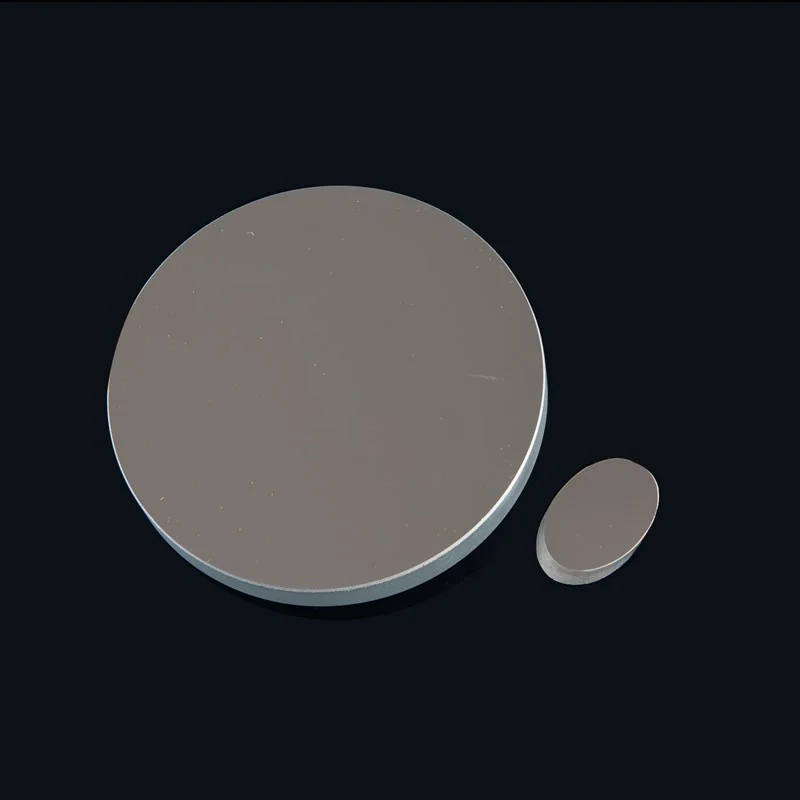
D127F900 Newton Reflection Primary Mirror for DIY Astronomical Telescope
View Details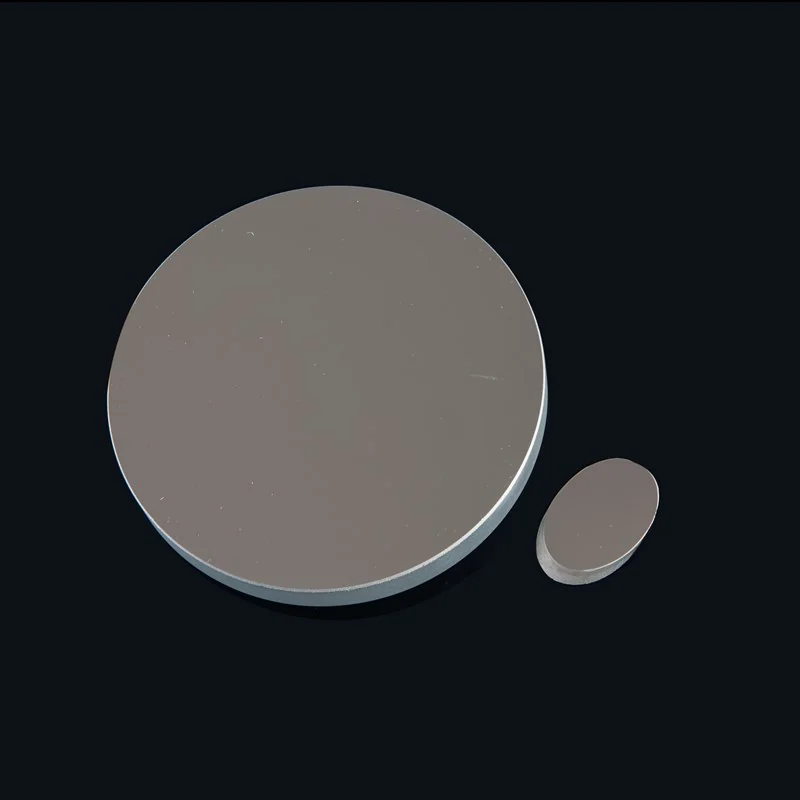
D76F700 Newton Reflector Objective Primary Mirror Astronomical Telescope
View Details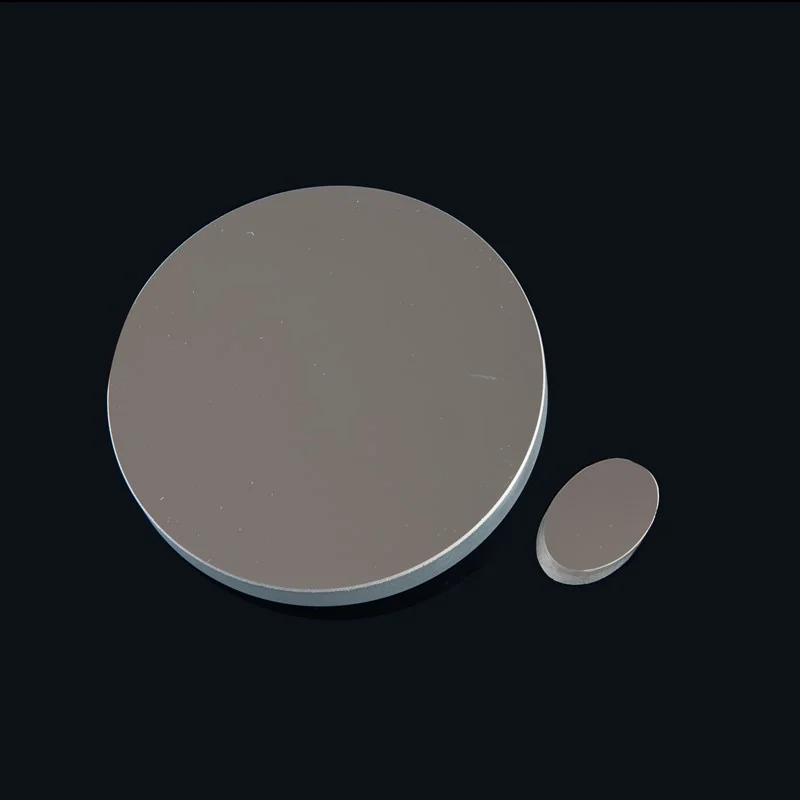
D76F300 Astronomical Telescope Reflector Objective Reflection Primary Mirror
View Details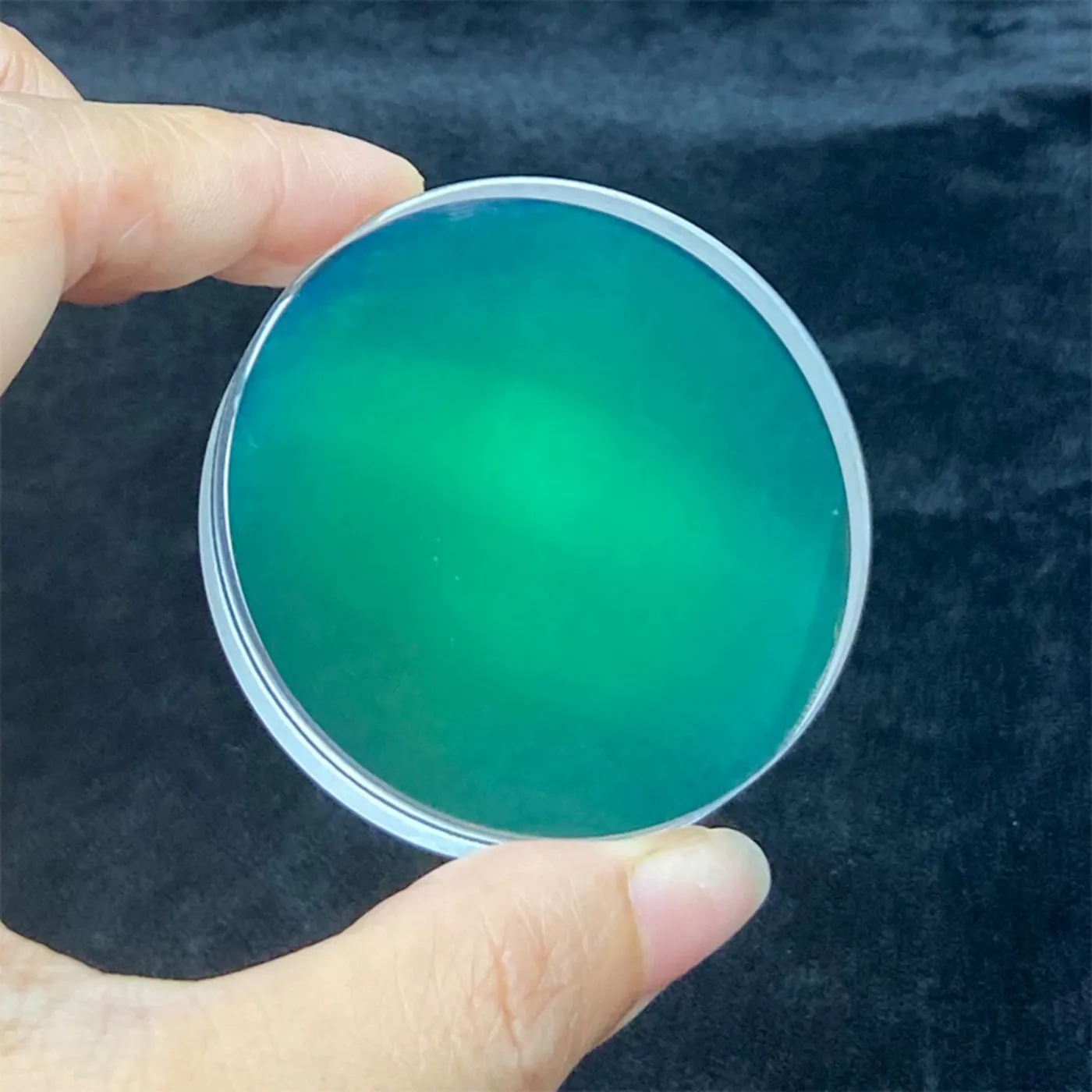
D51F219 Diameter 51mm Refractive Green Film Telescope Achromatic Objective
View Details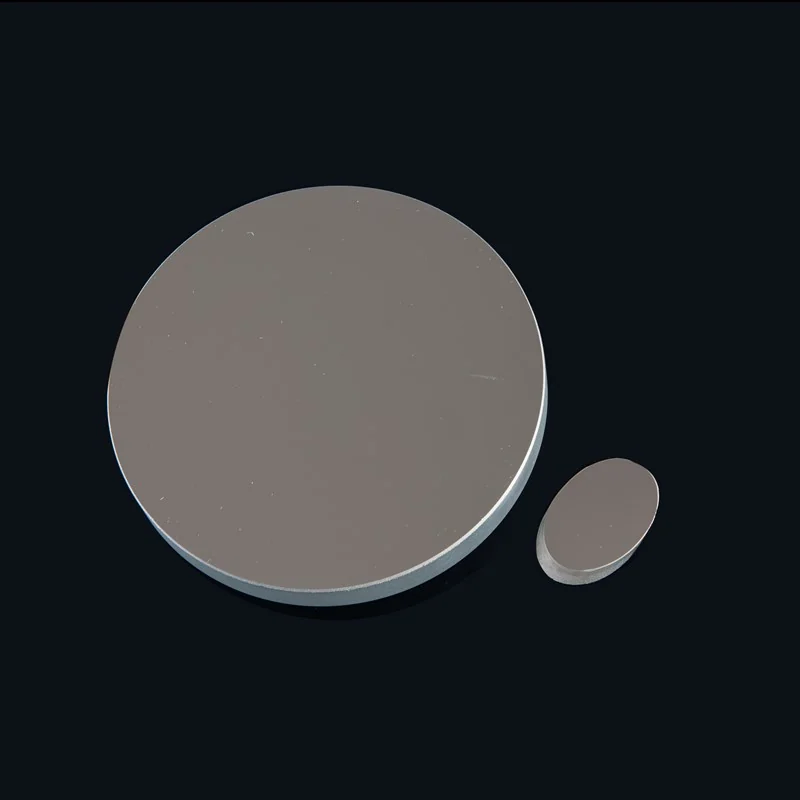
D203F750 Telescope Primary Mirror Objective Lens Group Focal Length 750mm
View Details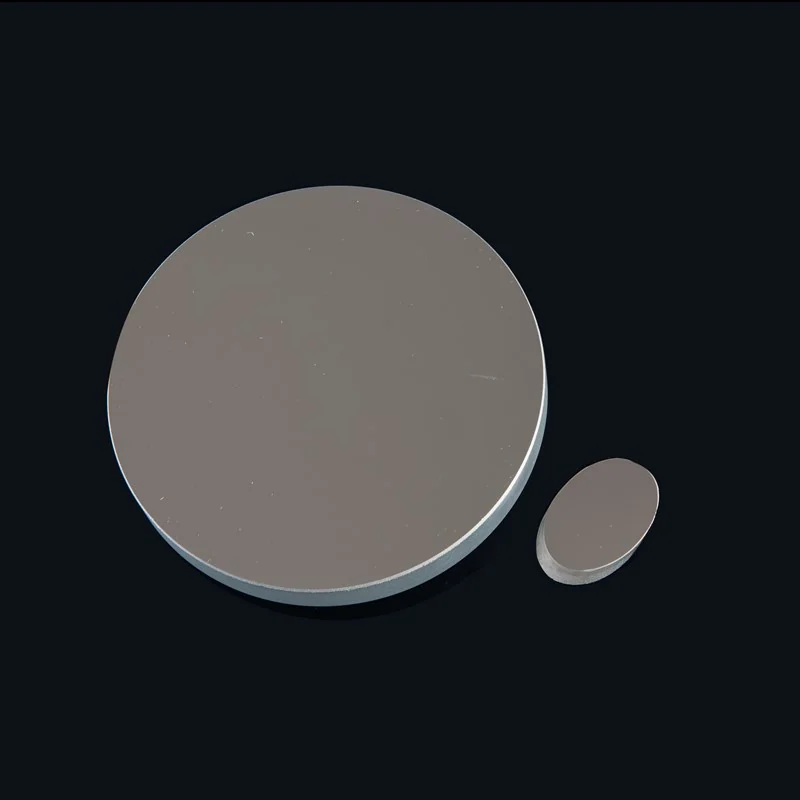
D114F900 Newtonian Telescope Astronomical Reflection of Objective Lens
View Details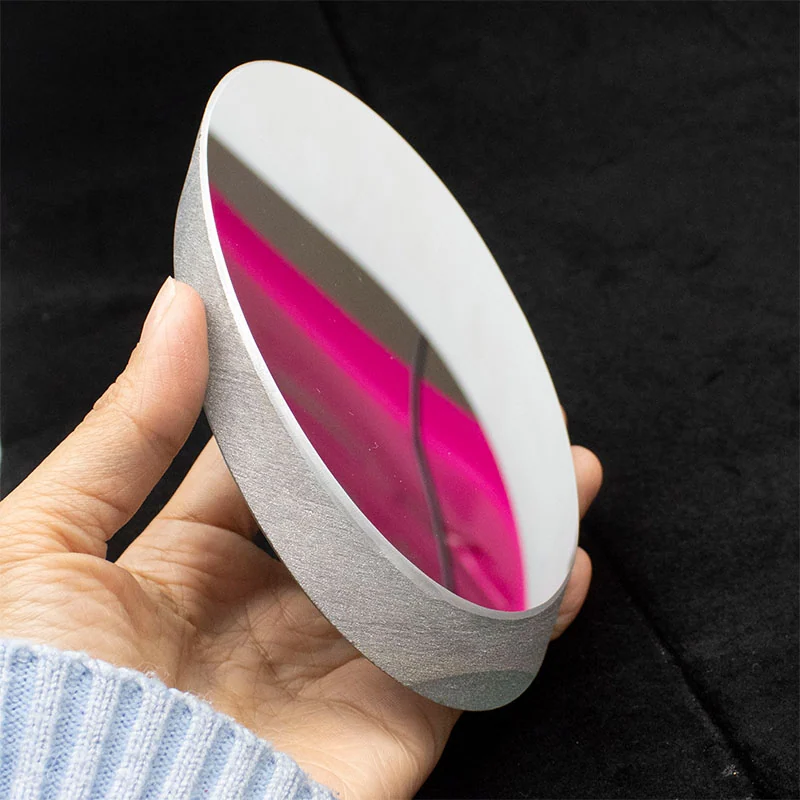
20/25/28/30/35/40/42/45/ 50/54/60/70/80/90mm Astronomical Telescope Secondary Mirror
View Details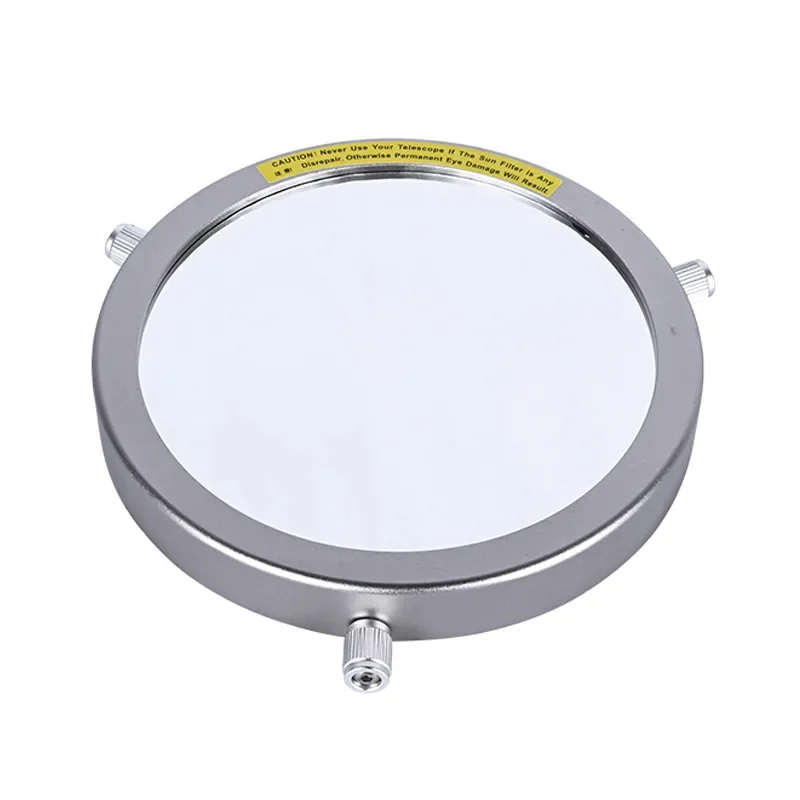
Fixed Diameter 50mm to 225mm Aluminum Alloy Solar Filter Sun Film
View DetailsWhat Goes Wrong Without the Right Astronomy Mirror
- A mismatched primary mirror causes spherical aberration and blurry images at the focal plane
- A secondary mirror with incorrect minor axis dimension cannot align properly with the optical axis
- An uncoated or poorly coated mirror reduces light reflection and lowers image brightness
- A mirror with insufficient edge thickness may crack under thermal stress during telescope use
- Incorrect focal length prevents proper eyepiece or camera focus in the optical train
Who Buys From This Category
- DIY telescope builders assembling Newtonian or reflector designs
- Astronomy hobbyists upgrading or replacing mirrors in existing telescope systems
- Educational institutions teaching optics and telescope mechanics
- Small-scale telescope manufacturers sourcing component-level mirrors
- Amateur astronomers replacing worn or damaged mirrors in their instruments
Why These Items
- Parabolic and spherical primary mirrors are machined to 1/6 PV or better for accurate light focus
- Aluminum reflective coating with silica protective film maintains high reflectivity over time
- Secondary mirrors supplied with correct minor axis dimensions to match the primary mirror
- Mirrors available in standard sizes from 51mm to 305mm diameter for common telescope calibers
- Focal lengths range from 219mm to 1600mm, supporting a variety of telescope designs
Where These Are Used
- Replacing a damaged primary mirror in a 127mm Newtonian telescope with a D127F900 unit
- Building a 305mm Newtonian reflector using the D305F1200 main mirror and matching secondary
- Aligning a 150mm parabolic mirror (D150F750) with a 35mm minor axis secondary for a high-precision setup
- Using a D76F700 primary mirror group in a compact DIY astronomical telescope
- Matching a 203mm spherical mirror (D203F1600) with a 40mm minor axis secondary for a large reflector
Before You Order
- Compare the Astronomy Mirror models on the figure that decides the job, not on the headline magnification
- Confirm the interface dimension against equipment you already own before ordering
- Send the task as well as the model number so the configuration can be checked
- Ask for written confirmation of any figure a tender or audit depends on
Frequently Asked Questions
What is the difference between a parabolic and spherical primary mirror?
A parabolic mirror corrects spherical aberration and focuses light to a single point, while a spherical mirror introduces slight aberration but is easier to manufacture and suitable for shorter focal ratios.
Can I use a secondary mirror from another brand with these primary mirrors?
Only if the minor axis dimension and shape (elliptical or plane) match the primary mirror's design. Mismatched dimensions cause misalignment and image distortion.
What does 1/6 PV mean in mirror specifications?
PV stands for Peak to Valley, a measure of surface accuracy. 1/6 PV means the mirror surface deviates from the ideal shape by no more than one-sixth of a wavelength of light, indicating high precision.
Are the mirrors coated before shipping?
Yes. All mirrors are aluminized with a protective silica film to prevent oxidation and maintain reflectivity.
Can I order just the secondary mirror without the primary?
Yes. Secondary mirrors are sold as standalone components in this category.
Get A Price On Astronomy Mirror
Send the model numbers you are considering, or describe the task and let us shortlist them for you.