
D150F750 Parabolic Reflector Spherical Primary Mirror for Astronomical Telescope
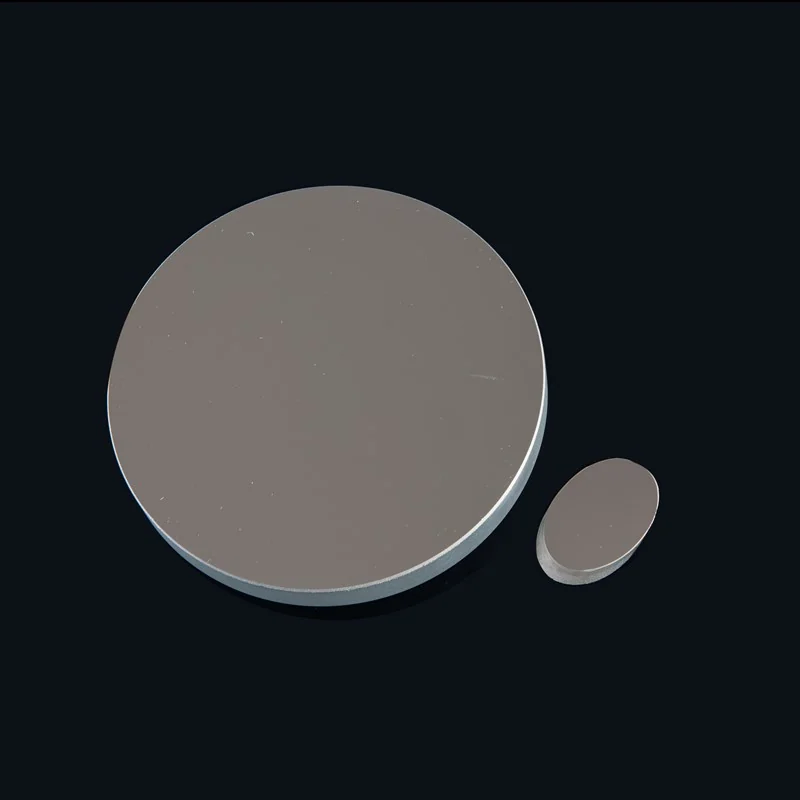
The D150F750 is a 150mm diameter parabolic primary mirror with a 750mm focal length, designed for Newtonian reflection astronomical telescopes.
Product Overview
The D150F750 is a 150mm diameter parabolic primary mirror with a 750mm focal length, designed for Newtonian reflection astronomical telescopes. It features a precision ground surface with a peak-to-valley accuracy of 1/6 to 1/8λ and an aluminum coating with a silica protective film, ensuring long-term performance under moisture-proof storage. The 18mm edge thickness provides structural stability for mounting and alignment.
- Diameter150mm
- Focal Length750mm
- Surface ShapeParabolic
- Surface AccuracyPV 1/6-1/8λ
- CoatingAluminum with silica protective film
- Edge Thickness18mm
Key Benefits
- 150mm diameter collects sufficient light for detailed observation of deep-sky objects and planetary surfaces
- 750mm focal length delivers a fast f/5 focal ratio, suitable for wide-field and high-resolution imaging
- Parabolic shape minimizes spherical aberration, improving image sharpness across the field
- Aluminum coating with silica protective film maintains reflectivity and resists oxidation for 8-10 years in dry storage
- 18mm edge thickness supports secure mounting and alignment in telescope tube assemblies
Application Scenarios
- Rebuilding or upgrading a Newtonian telescope with a high-precision primary mirror
- Building a custom astronomical telescope for visual observation of galaxies, nebulae and planets
- Replacing a degraded or low-accuracy mirror in an existing Newtonian system
- Using in a research or educational setup where consistent optical performance is required
- Integrating into a telescope design that requires a fast f/5 system for wide-field imaging
Who It Is For
- Amateur astronomers building or upgrading Newtonian reflector telescopes
- Educational institutions teaching optics and telescope design
- DIY telescope builders sourcing precision optical components
- Astronomy clubs maintaining or enhancing their observing equipment
- Small-scale telescope manufacturers sourcing component-level mirrors
Problems It Solves
- A spherical mirror without parabolic correction causes spherical aberration, blurring the image at the edges
- Unprotected aluminum coatings degrade quickly in humid environments, reducing reflectivity
- Thin mirrors lack structural rigidity, making alignment difficult and prone to deformation
- Low-precision mirrors fail to deliver sharp focus across the full field, limiting observational detail
- Replacing a mirror with no known optical accuracy forces trial-and-error alignment and poor results
Technical Features
- Parabolic surface shape reduces spherical aberration for sharper focus
- Peak-to-valley surface accuracy of 1/6 to 1/8λ ensures high optical quality
- Aluminum coating with silica protective film prevents oxidation and maintains reflectivity
- 18mm edge thickness provides mechanical stability for mounting and handling
- Designed for Newtonian reflection telescope systems with a 150mm aperture
Specifications
| Diameter | 150mm |
|---|---|
| Focal Length | 750mm |
| Surface Shape | Parabolic |
| Surface Accuracy | PV 1/6-1/8λ |
| Coating | Aluminum with silica protective film |
| Edge Thickness | 18mm |
| Storage Life | 8-10 years under moisture-proof conditions |
| Mounting Type | Component-level, for integration into telescope tube |
Specifications are taken from the AMADA product data for this item. Confirm critical dimensions with us in writing before ordering.
Customization Options
- Available as a standalone mirror for integration into custom telescope builds
- Can be mounted on a mirror cell or holder upon request
- Surface accuracy can be specified within the 1/6-1/8λ range
- Coating type can be adjusted to other metals or films if required
- Edge thickness can be modified for specific mounting requirements
Comparison With Other Options
| Spherical primary mirror of same diameter | The parabolic shape of the D150F750 eliminates spherical aberration, providing sharper focus across the field compared to a spherical mirror. |
|---|---|
| Uncoated or unprotected mirror | The aluminum coating with silica film extends usable life and maintains reflectivity in dry storage, unlike unprotected mirrors that degrade quickly. |
| Mirror with thinner edge (e.g. 10mm) | The 18mm edge thickness provides better rigidity and stability during mounting and alignment, reducing deformation risk |
Use Guide
- Store the mirror in a dry, sealed container to preserve the protective film
- Handle the mirror only by the edges to avoid fingerprints on the optical surface
- Clean the surface only with compressed air or a soft brush; avoid contact with solvents
- Mount the mirror in a mirror cell with proper support to prevent stress on the edges
- Align the mirror in the telescope tube using a collimation tool after installation
More From Astronomy Mirror
D305F1200 305mm Telescope Main Mirror Parabolic Primary Mirror Large Diameter
View Details
D203F1600 Newton Reflector Objective Primary Mirror Astronomical Telescope
View Details
D130F650 Newton Reflection Primary Mirror for DIY Astronomical Telescope
View Details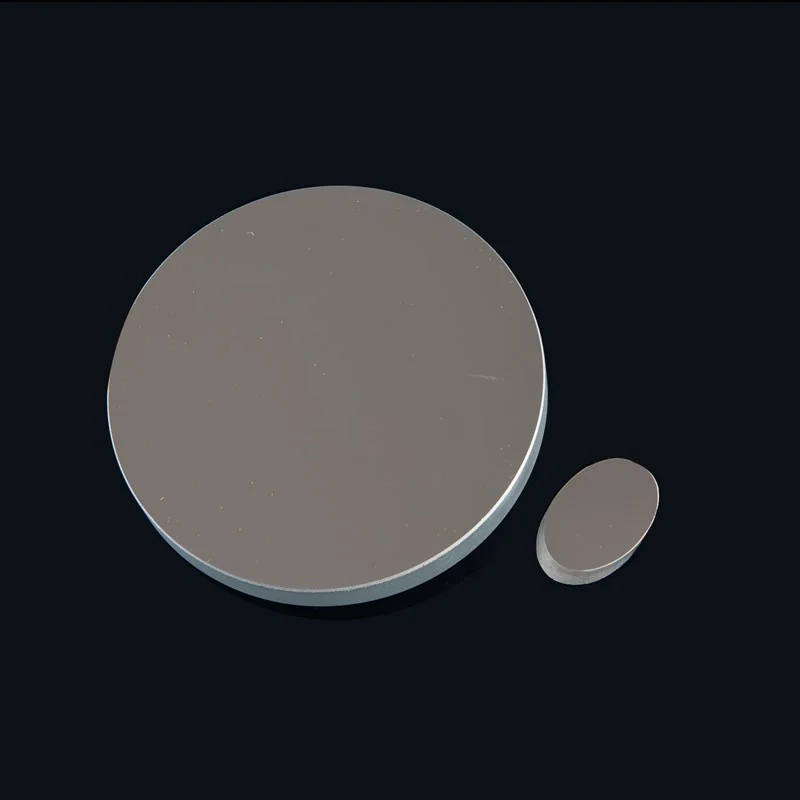
D127F900 Newton Reflection Primary Mirror for DIY Astronomical Telescope
View Details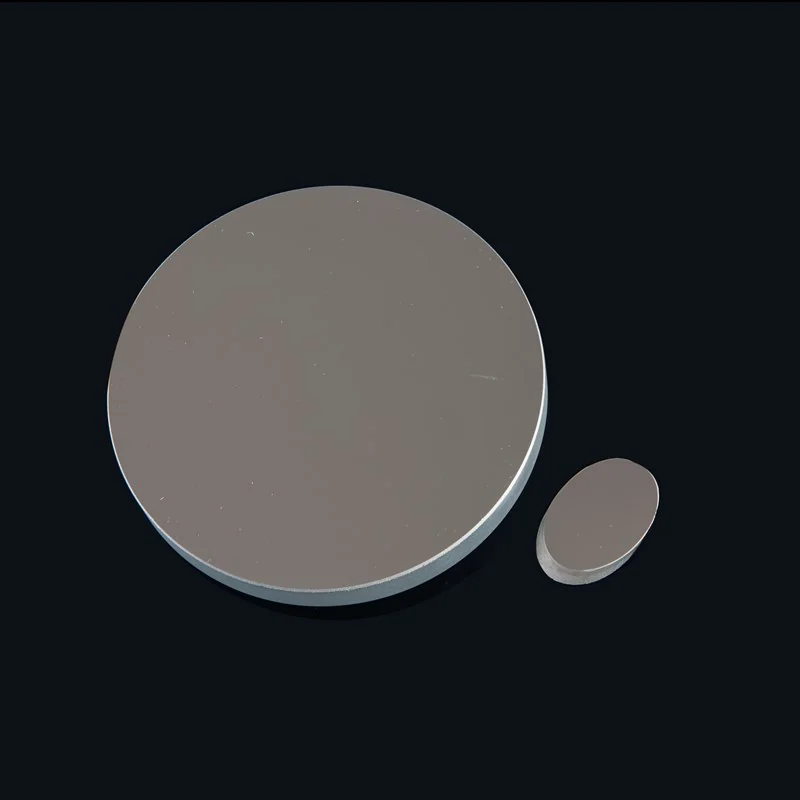
D76F700 Newton Reflector Objective Primary Mirror Astronomical Telescope
View Details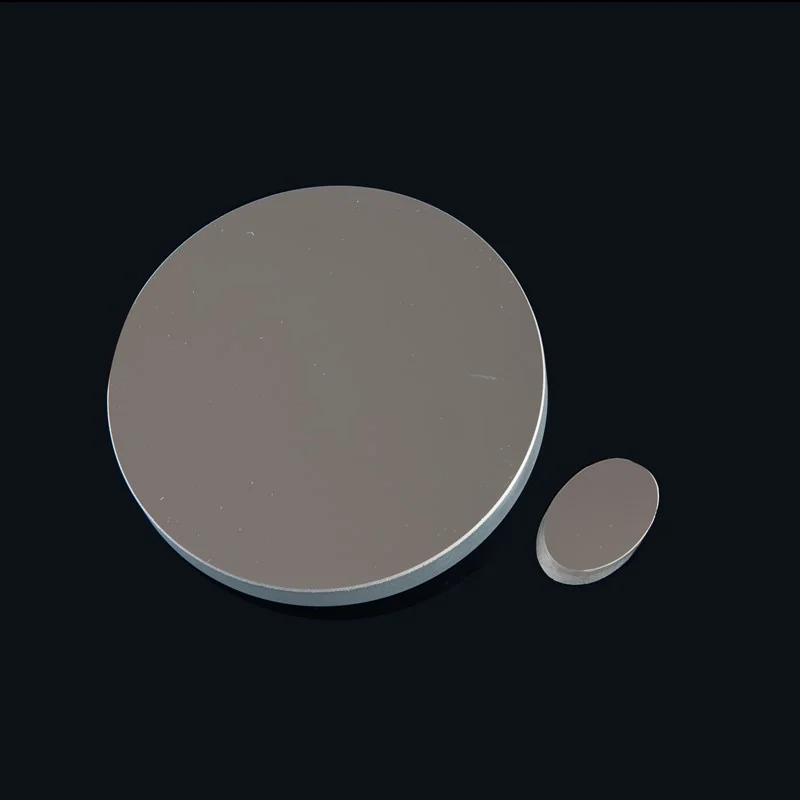
D76F300 Astronomical Telescope Reflector Objective Reflection Primary Mirror
View Details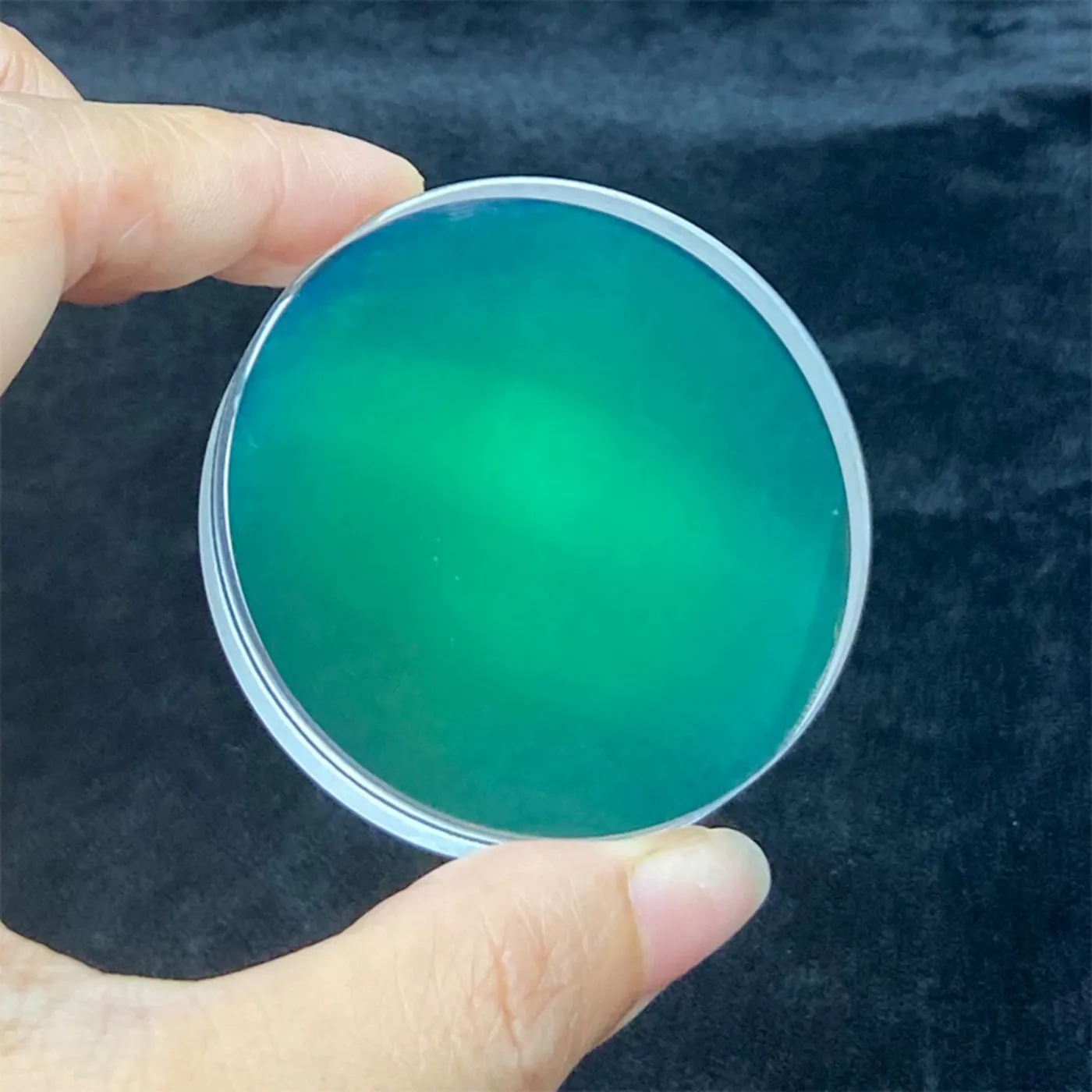
D51F219 Diameter 51mm Refractive Green Film Telescope Achromatic Objective
View Details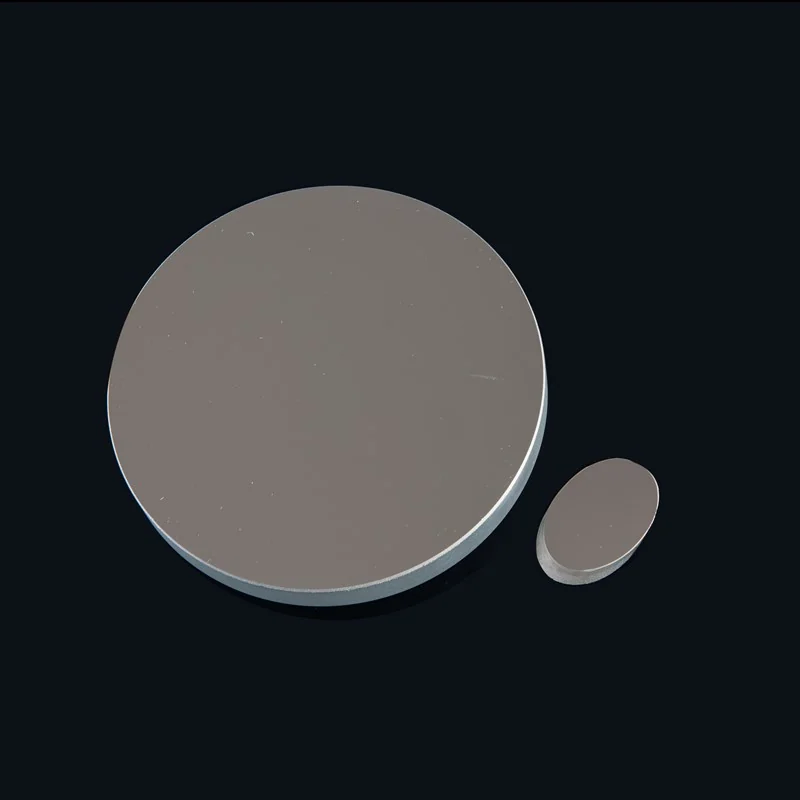
D203F750 Telescope Primary Mirror Objective Lens Group Focal Length 750mm
View DetailsGuides and Applications
Frequently Asked Questions
What is the focal ratio of this mirror?
The focal ratio is f/5, calculated from a 150mm diameter and 750mm focal length.
Can I use this mirror in a Newtonian telescope?
Yes. It is specifically designed for Newtonian reflection telescopes with a 150mm aperture.
How long will the coating last?
The aluminum coating with silica film can last 8-10 years under moisture-proof storage conditions.
Is the mirror ready to install?
No. It is a component-level mirror and must be mounted in a mirror cell or holder before use.
Can I clean the mirror surface?
Yes, but only with compressed air or a soft brush. Do not touch the surface or use cleaning fluids.
Request A Price On The D150F750 Parabolic Reflector Spherical Primary Mirror for Astronomical Telescope
Send quantity, destination and the application. We will confirm the configuration, the price and the lead time.