
D130F650 Newton Reflection Primary Mirror for DIY Astronomical Telescope
The D130F650 is a spherical primary mirror for Newtonian reflector telescopes, designed for amateur and educational telescope builders.
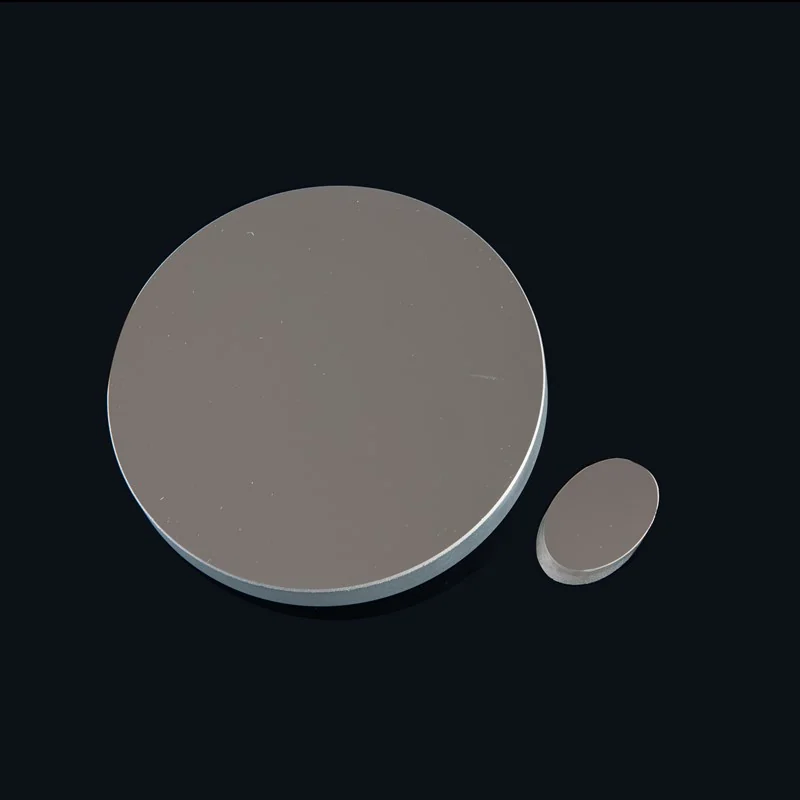
Product Overview
The D130F650 is a spherical primary mirror for Newtonian reflector telescopes, designed for amateur and educational telescope builders. It has a 130mm diameter and 650mm focal length, with a 35mm minor axis secondary mirror holder and 8mm thickness. The mirror surface is coated with aluminum and protective film for durability and reflectivity. It is intended for use in DIY telescope projects where precision optical components are required.
- Mirror typeSpherical
- Diameter130mm
- Focal length650mm
- Secondary mirror minor axis35mm
- Mirror thickness8mm
- Surface coatingAluminum and protective film
Key Benefits
- 130mm diameter provides a large light-gathering area for detailed views of deep-sky objects
- 650mm focal length offers a moderate focal ratio suitable for both planetary and deep-sky observation
- Spherical surface simplifies fabrication for DIY builders with basic polishing tools
- 8mm thickness ensures rigidity and reduces thermal distortion during use
- Aluminum coating with protective film maintains high reflectivity and resists oxidation
Application Scenarios
- Building a Newtonian reflector telescope from a kit or custom components
- Educational astronomy projects in schools or university physics labs
- Amateur telescope assembly for visual observation of planets, stars and nebulae
- DIY telescope construction with a focus on hands-on optical alignment and testing
- Replacing a damaged primary mirror in an existing Newtonian telescope
Who It Is For
- Amateur astronomers building telescopes from scratch
- Schools and universities teaching optics and astronomy principles
- STEM education programs requiring hands-on telescope construction
- Hobbyists working on custom telescope designs with modular components
- DIY telescope builders using standard mirror cell and focuser systems
Problems It Solves
- A standard spherical mirror is easier to polish and test than a parabolic one, reducing the skill barrier for DIY builders
- The 130mm diameter balances light collection with manageable size and weight for home-built telescopes
- The 650mm focal length provides a usable field of view without requiring a very long tube
- The 8mm thickness prevents warping under temperature changes during observing sessions
- The aluminum and protective film coating ensures long-term reflectivity without frequent re-coating
Technical Features
- Spherical primary mirror surface for ease of fabrication and testing
- Focal length of 650mm with a 130mm diameter for a 5:1 focal ratio
- Secondary mirror holder with 35mm minor axis for standard 1.25" or 2" focuser compatibility
- 8mm thickness provides mechanical stability and thermal resistance
- Aluminum coating with protective film for high reflectivity and environmental protection
- Designed for use in Newtonian reflector telescope configurations
Specifications
| Mirror type | Spherical |
|---|---|
| Diameter | 130mm |
| Focal length | 650mm |
| Secondary mirror minor axis | 35mm |
| Mirror thickness | 8mm |
| Surface coating | Aluminum and protective film |
| Mirror weight | About 580g |
| Origin | Chinese mainland |
| Application | Newtonian reflector telescope |
Specifications are taken from the AMADA product data for this item. Confirm critical dimensions with us in writing before ordering.
Customization Options
- Available in standard spherical form only; no parabolic or aspheric variants
- No custom coatings or edge treatments offered
- No mounting or cell integration; sold as a bare mirror for user assembly
Comparison With Other Options
| Parabolic primary mirror | The D130F650 is spherical, which is easier to fabricate and test but introduces spherical aberration; use only for visual observation or with a coma corrector. |
|---|---|
| Commercial telescope with integrated optics | This mirror is for DIY builders; it does not include a tube, focuser, or mount, so it requires additional components to function as a telescope. |
| Mirror with 150mm diameter | The 130mm size is lighter and easier to handle in a home workshop, but offers less light gathering than larger mirrors. |
Use Guide
- Handle the mirror only by the edges to avoid fingerprints on the optical surface
- Clean the surface only with a soft brush or compressed air; avoid solvents
- Mount the mirror in a cell with proper support points to prevent stress
- Align the secondary mirror so its center is on the optical axis of the primary
- Test the mirror's figure using a Ronchi tester or star test before final assembly
More From Astronomy Mirror
D305F1200 305mm Telescope Main Mirror Parabolic Primary Mirror Large Diameter
View Details
D203F1600 Newton Reflector Objective Primary Mirror Astronomical Telescope
View Details
D150F750 Parabolic Reflector Spherical Primary Mirror for Astronomical Telescope
View Details
D127F900 Newton Reflection Primary Mirror for DIY Astronomical Telescope
View Details
D76F700 Newton Reflector Objective Primary Mirror Astronomical Telescope
View Details
D76F300 Astronomical Telescope Reflector Objective Reflection Primary Mirror
View Details
D51F219 Diameter 51mm Refractive Green Film Telescope Achromatic Objective
View Details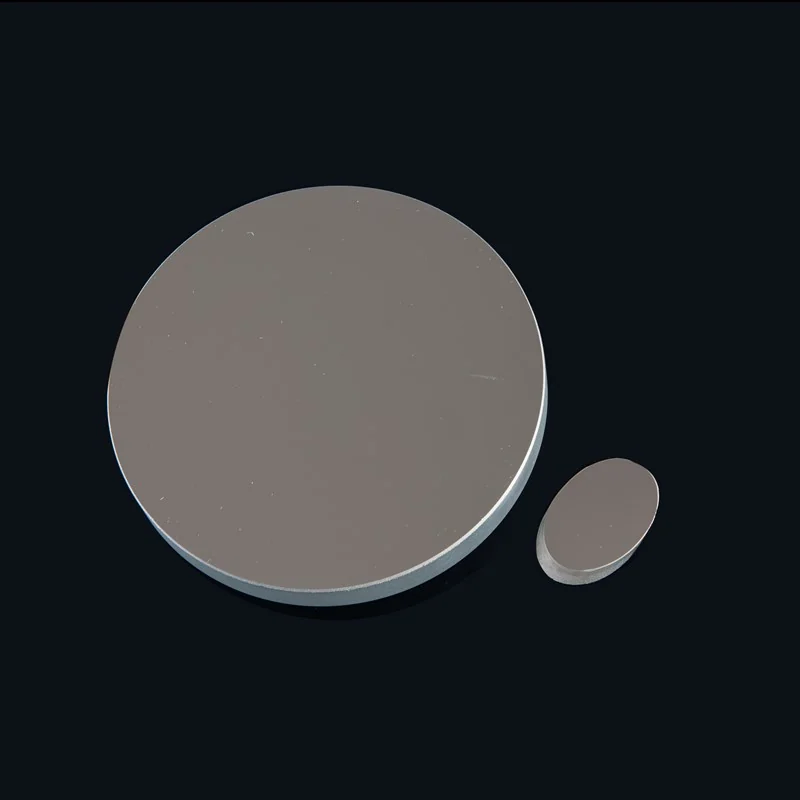
D203F750 Telescope Primary Mirror Objective Lens Group Focal Length 750mm
View DetailsGuides and Applications
Frequently Asked Questions
What is the focal ratio of this mirror?
F5, calculated as focal length (650mm) divided by diameter (130mm).
Can I use this mirror for planetary observation?
Yes, but with spherical aberration; it is best used for visual observation with a coma corrector or for deep-sky objects where aberration is less noticeable.
Is the mirror parabolic or spherical?
Spherical. It is not corrected for spherical aberration and is intended for DIY builders who can manage alignment or use correction optics.
Does the mirror come with a holder or cell?
No. It is sold as a bare mirror for user assembly into a custom mirror cell.
How should I clean the mirror surface?
Use only a soft brush or compressed air. Do not touch the surface or use cleaning fluids.
Request A Price On The D130F650 Newton Reflection Primary Mirror for DIY Astronomical Telescope
Send quantity, destination and the application. We will confirm the configuration, the price and the lead time.