
USB3.0 CCD Microscope Camera
Digital imaging sensors that connect via USB3.0 to capture high-resolution still and video images from microscopes, with cooling options for low-noise fluorescence and long-exposure work.
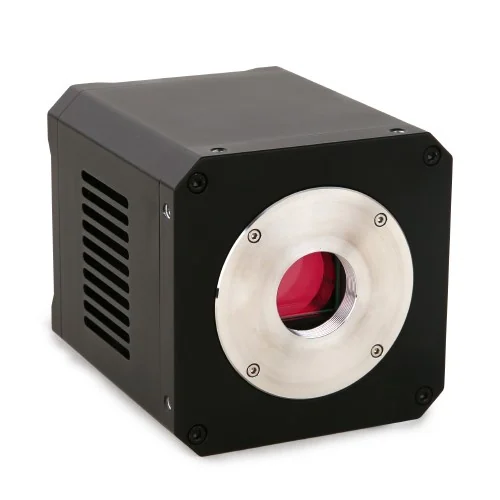
USB3.0 CCD and CMOS microscope cameras in this range provide digital image capture from stereo, biological, metallurgical and fluorescence microscopes. They use C-mount interfaces and support resolutions from 12 megapixels to 45 megapixels. Cameras include models with two-stage TE-cooling down to -40°C below ambient, and sensors from Sony Exmor and GSENSE to IMX492. All support 1x1 and 2x2 binning, and exposure times from 0.06ms to 1 hour. These are sold as standalone imaging units for integration into existing microscope systems.
Every USB3.0 CCD Microscope Camera In Stock
All 6 items in this category, listed in full.
MAX TE-Cooling M52/C-mount USB3.0 CMOS Microscope Camera
View Details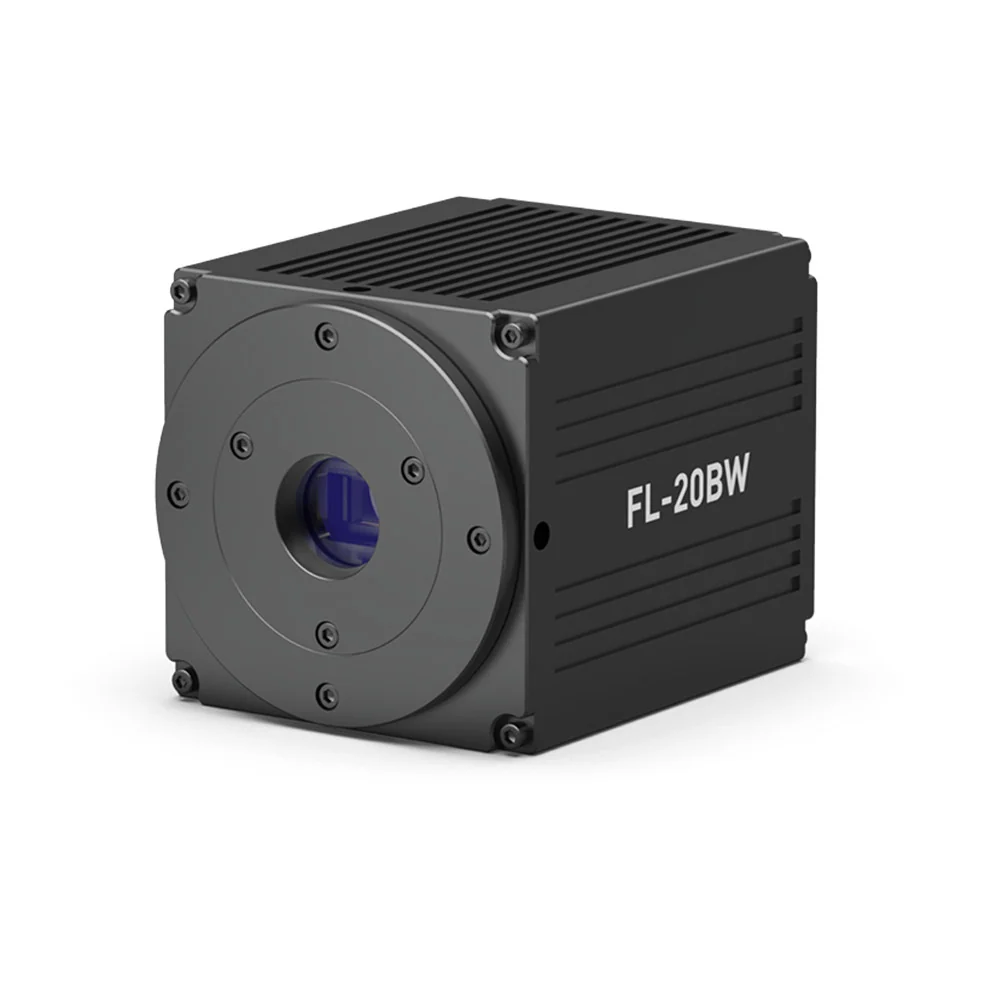
FL-20BW Mono Cooled SONY CMOS Camera for Fluorescence Imaging
View Details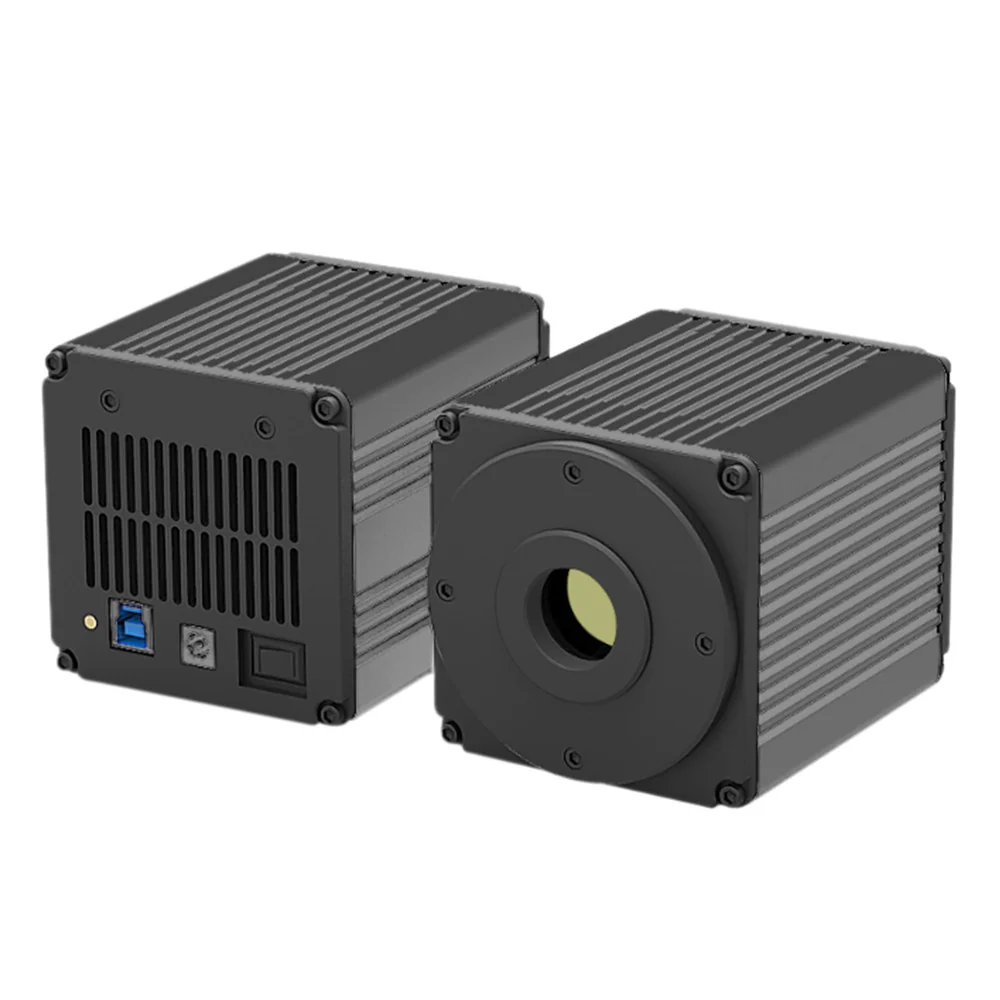
FL-20 Color Cooled SONY CMOS Camera for Fluorescence Imaging
View Details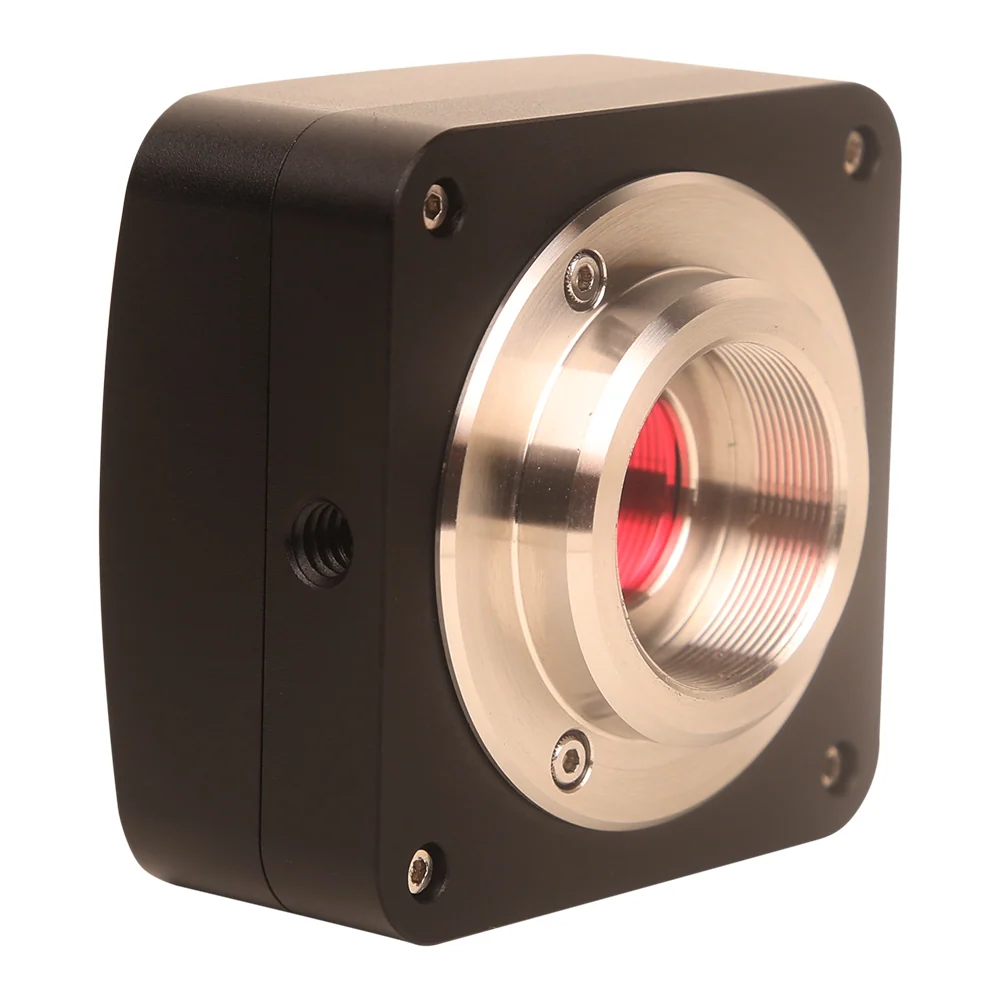
U3CCD C-mount USB3.0 CCD Digital Video Microscope Camera
View Details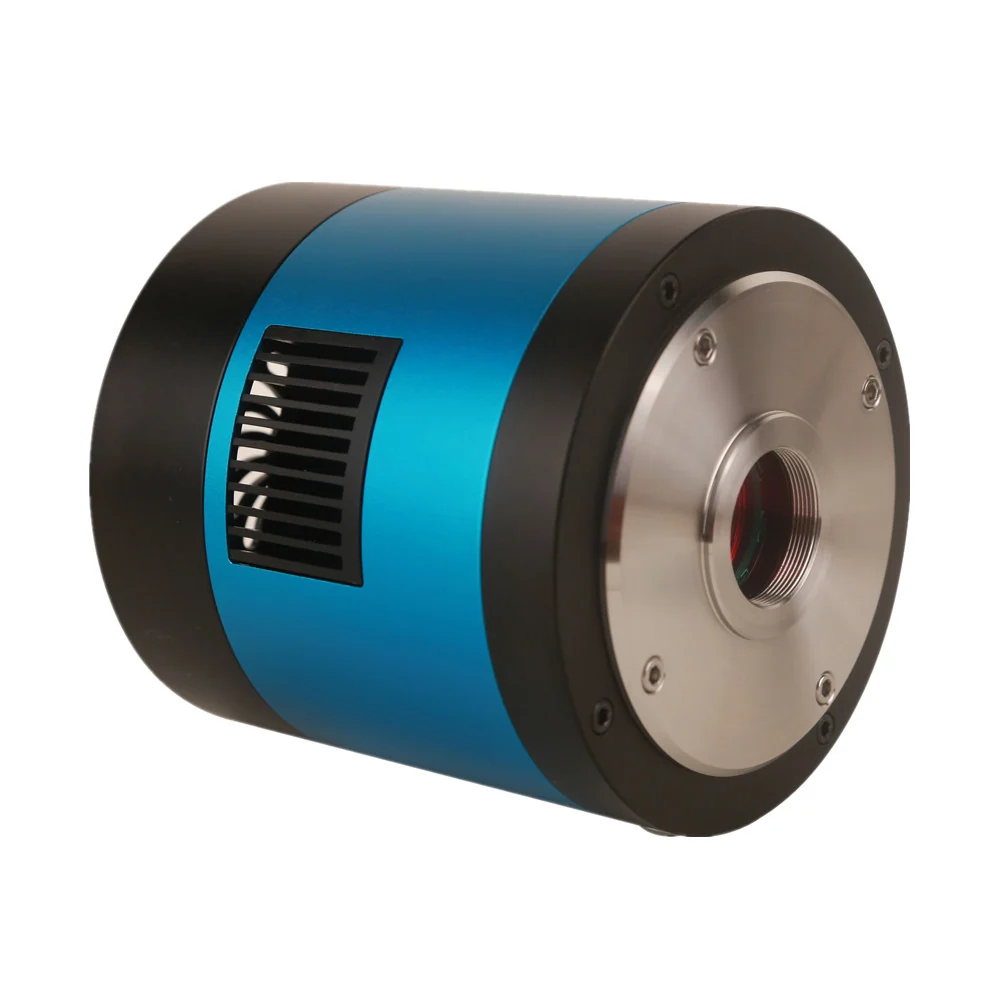
MTR3CCD C-mount USB3.0 CCD Digital Video Microscope Camera
View Details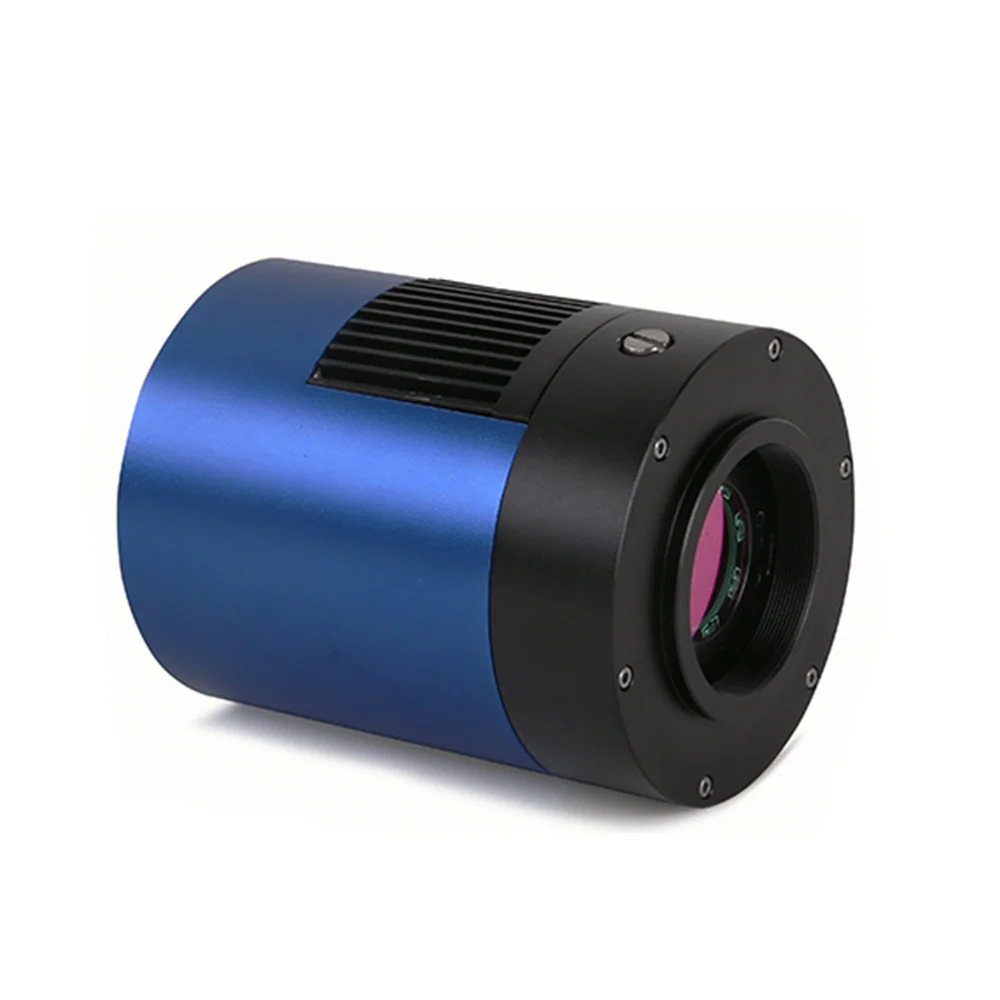
MTR3CMOS TE-Cooling C-mount USB3.0 CMOS Microscope Camera
View DetailsWhat Goes Wrong Without the Right USB3.0 CCD Microscope Camera
- A standard camera with no cooling produces high dark current noise in long-exposure fluorescence imaging
- Low-resolution sensors fail to capture fine details in high-magnification inspection of PCBs or semiconductor features
- Fixed exposure times limit the ability to capture both bright and dark areas in a single image
- Lack of binning options reduces frame rate and sensitivity in low-light or fast-motion inspection
- Incompatible interfaces prevent direct connection to a computer without additional adapters
Who Buys From This Category
- Electronics manufacturers inspecting SMD placement and solder joints with high magnification
- Fluorescence imaging labs requiring low-noise capture of weak signals over long exposures
- Metallurgy and materials science labs capturing microstructure details at high resolution
- Research labs doing long-duration time-lapse imaging of biological or chemical processes
- Quality control stations needing high-speed, high-resolution image capture for automated inspection
Why These Items
- USB3.0 interface enables high-speed data transfer for real-time video and large image files
- Two-stage TE-cooling reduces dark current noise, improving image quality in long exposures
- Sensors up to 45 megapixels capture fine details in high-magnification applications
- Support for 1x1 and 2x2 binning increases frame rate and sensitivity in low-light conditions
- C-mount interface allows direct mounting on standard microscope objectives without adapters
Where These Are Used
- Capturing a 20-megapixel image of a BGA solder joint with fine fillets and hidden vias
- Recording a 1-hour time-lapse of crystal growth in a metallurgical sample under controlled cooling
- Imaging weak fluorescence signals from a stained tissue section with minimal background noise
- Using 2x2 binning to increase frame rate during high-speed inspection of moving parts on a conveyor
- Connecting a 45-megapixel camera to a stereo microscope for detailed documentation of gemstone inclusions
Before You Order
- Confirm the C-mount interface matches your microscope's nose diameter and thread type
- Choose a cooled model if you perform fluorescence imaging or long-exposure work
- Check the sensor size and pixel pitch to ensure compatibility with your objective's image circle
- Verify your computer has a USB3.0 port and sufficient bandwidth for the selected frame rate and resolution
- Select a camera with exposure times matching your application's speed and lighting conditions
Frequently Asked Questions
What is the difference between a CCD and CMOS sensor in these cameras?
CCD sensors generally offer lower noise and higher sensitivity, while CMOS sensors provide faster readout and lower power consumption. Both are used in this range depending on the model and application.
Can I use a cooled camera with a non-cooled microscope?
Yes. The cooling system is internal to the camera and does not require any modification to the microscope. It only needs a USB3.0 connection and power.
What is the maximum exposure time supported by these cameras?
Exposure times range from 0.06ms to 1 hour, depending on the model. The U3CCD and MTR3CCD models support up to 1 hour for long-exposure applications.
Do these cameras work with fluorescence microscopes?
Yes. The FL-20BW and FL-20 Color models are specifically designed for fluorescence imaging with cooled sensors and high dynamic range.
Can I connect multiple cameras to one computer?
Yes, but each camera requires its own USB3.0 port. Performance may vary depending on the total data load and computer bandwidth.
Get A Price On USB3.0 CCD Microscope Camera
Send the model numbers you are considering, or describe the task and let us shortlist them for you.