
- Home
- Tile Polishing Line
Setting Up a Tile Line Station by Station
On a tile line each station inherits whatever the last one left behind. Specifying the stations independently is how plants end up with gloss variation they cannot explain. Here is the sequence we quote against.
The 7 Decisions in This Chain
Calibrating
Diamond rollers at 240 and 320 mm bringing the body to uniform thickness before anything else happens.
Rough grinding
Cylindrical wheels in continuous rim or segmented form, or satellite wheels in graded specifications.
Graded grinding
Diamond fickerts for rough and medium steps, replacing traditional silicon carbide where consistency matters.
Fine grinding
Magnesium oxide bond silicon carbide abrasives through the finer ladder.
Squaring
Metal bond peripheral wheels for rough squaring, then resin bond wheels for the size-setting fine pass.
Chamfering
Metal bond wheels for stock removal and resin bond wheels on aluminium bases for the finished chamfer.
Surface effects and grooving
Glaze abrasives, resin bond silicon carbide, grinding brushes from 36# to 1500#, and grooving blades for step and anti-slip pieces.
What We Supply Into It
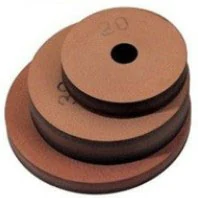
Polishing Wheels
10S BD BK and wool felt wheels for the glass polishing sequence
Browse category →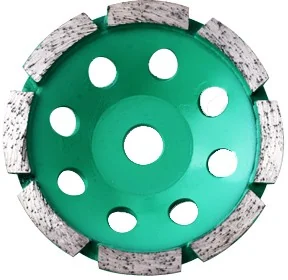
Diamond Grinding Cup Wheel
Cup wheels for grinding granite marble and engineered stone
Browse category →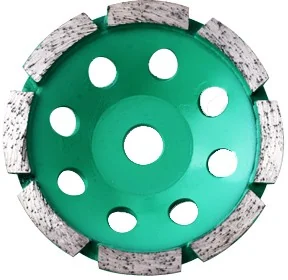
Diamond Grinding Cup Wheels
Cup wheels for concrete grinding and surface preparation
Browse category →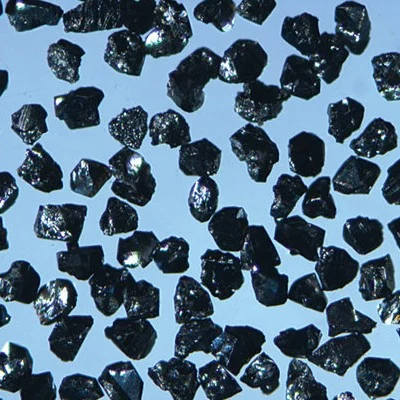
CBN Powder
CBN powder for tool making and ferrous grinding
Browse category →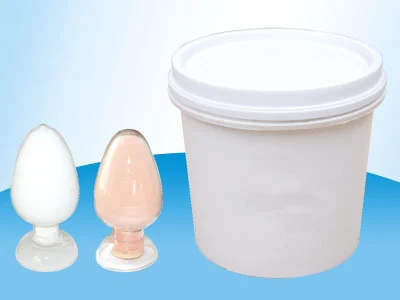
Cerium Oxide Polishing Powder
Cerium oxide polishing powder for glass polishing lines
Browse category →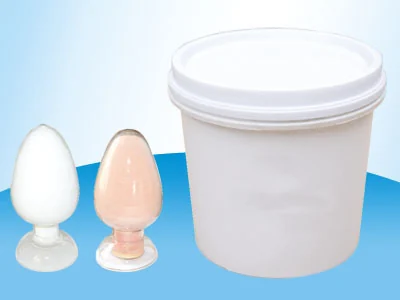
Cerium Oxide
Rare earth cerium oxide grades for glass and optical polishing
Browse category →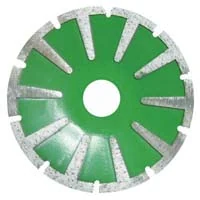
Concave Dry Diamond Blade
Curved-body blades for dry curve cutting in natural stone
Browse category →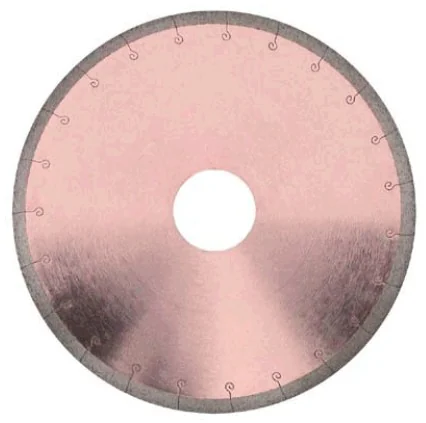
Diamond Cutting Blades
Tile cutting blades for porcelain glazed and rustic tiles
Browse category →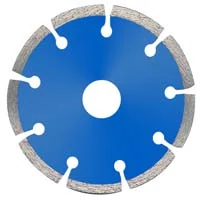
Small Diamond Saw Blades
Angle-grinder and table-saw blades for granite marble and engineered stone
Browse category →What Happens After Your Enquiry
1. Application review
Material, machine, power, cut geometry, current tool life and failure mode.
2. Specification
Matrix hardness, diamond concentration and grit, segment height, welding method.
3. Sample and trial
A sample batch with trial parameters agreed in advance.
4. Production
A signed-off specification becomes your item number for repeat orders.
Related Industry Pages
Technical Reading
- How to Choose a Diamond Blade Bond for Granite Marble and Engineered Stone
- Continuous Turbo and Segmented Rims Explained for Stone and Tile Cutting
- Mesh Size and Grit Selection for Diamond and Abrasive Tools
- Metal Bond Resin Bond and Vacuum Brazed Diamond Tools Compared
- Catalogue and specification sheets
Tile Polishing Line — Questions We Get
Can diamond fickerts and silicon carbide run in the same line
Yes, and most lines do: diamond for rough and medium, silicon carbide and glaze abrasives for the final character of the surface.
What decides the grade at each station
Body hardness and the stock removed per pass. Send both figures and the machine and we will specify.
Do you supply matched sets for a station
Yes. Tell us the head count and mounting.
Specify tile polishing line with us
Send your station list, machine models and the material you process.