
- Home
- Marble Block Processing
Marble Needs a Softer Bond at Every Station
Marble is softer and more fracture-prone than granite, and the failure mode is chipping rather than wear. Every station in a marble plant therefore runs a different specification from the granite equivalent, and buying granite tooling for marble work is the most common expensive mistake in the trade.
The 7 Decisions in This Chain
Quarry and squaring
Diamond wire in rubber and spring configurations for extraction and block squaring.
Gang sawing
Hot-press sintered gang saw segments, the consumable that actually determines gang saw economics.
Block cutting
Marble-specific block blades from 900 to 3500 mm running a free-cutting bond.
Slab trimming
Cross cutting blades for the across-grain cuts where marble chips most, and horizontal blades for block trimming.
Calibrating and grinding
Calibrating rollers, then magnesite abrasives in the marble grade for rough calibrating and smoothing.
Polishing
Fickerts and buffs, with cerium oxide available where marble is polished to a high gloss.
Fabrication
Continuous rim blades, tuck point blades and flexible pads for the finishing shop.
What We Supply Into It
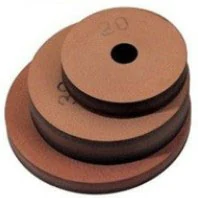
Polishing Wheels
10S BD BK and wool felt wheels for the glass polishing sequence
Browse category →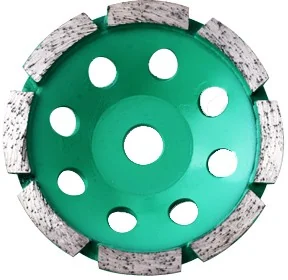
Diamond Grinding Cup Wheel
Cup wheels for grinding granite marble and engineered stone
Browse category →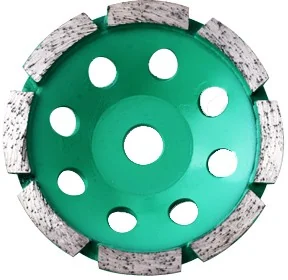
Diamond Grinding Cup Wheels
Cup wheels for concrete grinding and surface preparation
Browse category →
CBN Powder
CBN powder for tool making and ferrous grinding
Browse category →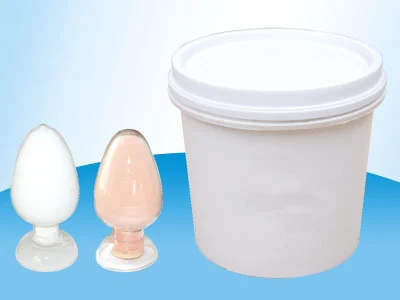
Cerium Oxide Polishing Powder
Cerium oxide polishing powder for glass polishing lines
Browse category →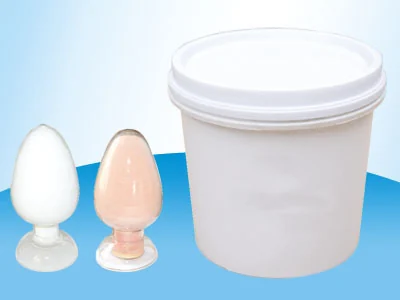
Cerium Oxide
Rare earth cerium oxide grades for glass and optical polishing
Browse category →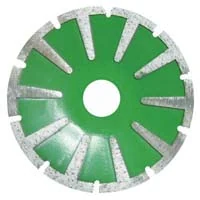
Concave Dry Diamond Blade
Curved-body blades for dry curve cutting in natural stone
Browse category →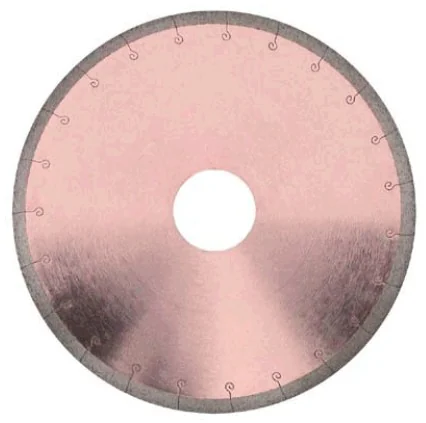
Diamond Cutting Blades
Tile cutting blades for porcelain glazed and rustic tiles
Browse category →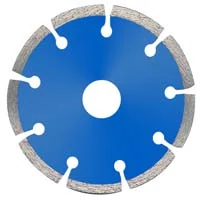
Small Diamond Saw Blades
Angle-grinder and table-saw blades for granite marble and engineered stone
Browse category →What Happens After Your Enquiry
1. Application review
Material, machine, power, cut geometry, current tool life and failure mode.
2. Specification
Matrix hardness, diamond concentration and grit, segment height, welding method.
3. Sample and trial
A sample batch with trial parameters agreed in advance.
4. Production
A signed-off specification becomes your item number for repeat orders.
Related Industry Pages
Technical Reading
- How to Choose a Diamond Blade Bond for Granite Marble and Engineered Stone
- Continuous Turbo and Segmented Rims Explained for Stone and Tile Cutting
- Mesh Size and Grit Selection for Diamond and Abrasive Tools
- Metal Bond Resin Bond and Vacuum Brazed Diamond Tools Compared
- Catalogue and specification sheets
Marble Block Processing — Questions We Get
Why not use one blade for granite and marble
Because the bond hardness that survives granite will polish rather than cut marble, and a polishing blade chips the edge. We hold separate series.
What causes chipping on cross cuts
Cutting across the grain with too hard a bond or too much feed. The cross cutting series is specified for that cut.
Do you supply gang saw segments separately
Yes, Item IDs SA20GSS and SA24GSS, hot-press sintered.
Specify marble block processing with us
Send your station list, machine models and the material you process.