Diamond Versus CBN for Precision Grinding
Diamond is the hardest material available, and it is the wrong abrasive for steel. The reason is chemistry rather than hardness, and it decides the whole precision grinding programme.
The chemical problem with diamond on steel
Diamond is carbon. At the temperatures in a grinding contact zone, carbon dissolves into iron. The crystal does not fracture or dull so much as chemically disappear into the workpiece, and wheel wear runs far ahead of anything hardness would predict.
This is why grinding hardened steel with a diamond wheel wastes the wheel, and why the split between diamond and CBN is not a preference but a material fact.
What CBN is for
Cubic boron nitride is the second hardest abrasive and chemically stable against iron at grinding temperatures. That makes it the abrasive for high speed steel, hardened tool steel, bearing steel and case-hardened components.
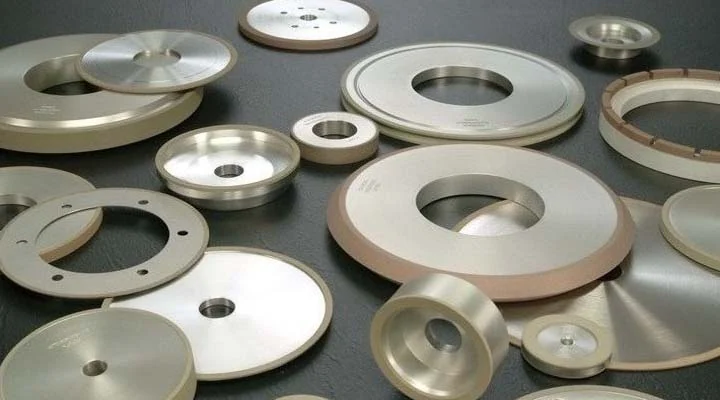
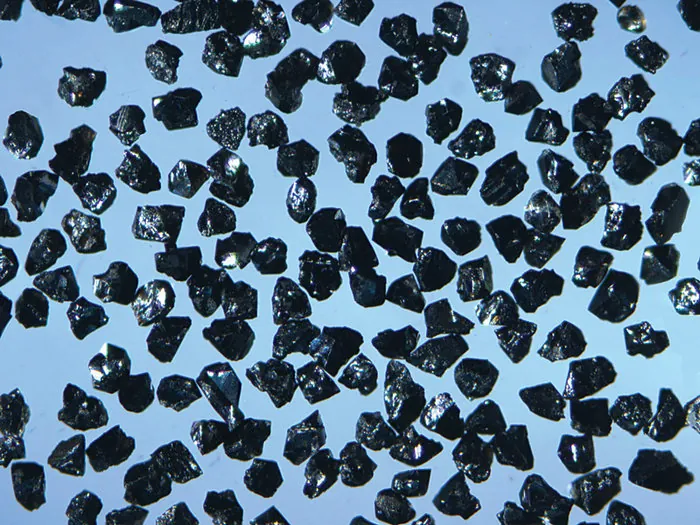
Our CBN programme covers wheels for ferrous grinding and CBN powder by mesh size for manufacturers making their own wheels and compounds.
What diamond is for
Everything non-ferrous and non-metallic: tungsten carbide, technical ceramics, fibreglass and composites, stone, concrete and glass. Carbide tool grinding is the classic diamond wheel application, and it is where the hardness advantage pays off with no chemical penalty.
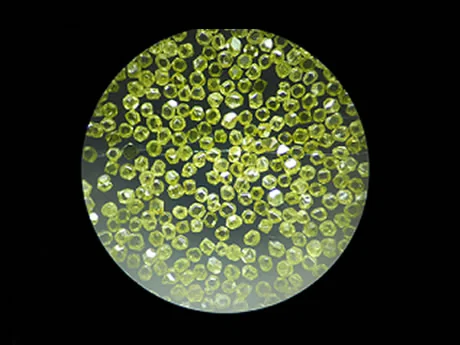
Our diamond wheel programme covers carbide, ceramics and fibreglass, alongside the diamond powder supplied as raw material.
Specifying a wheel
Wheel specification is workpiece-first: material and hardness, then the geometry you have to grind, then the machine and its speed range, then the surface finish and tolerance required.
Grit and concentration follow from finish and stock removal. Bond follows from the machine, the coolant and how forgiving the setup is. None of this can be picked from a size list, which is why these wheels are quoted rather than stocked.
Coolant and burn
Most workpiece burn complaints are coolant delivery rather than wheel specification: the wrong nozzle position, insufficient pressure, or a wheel that has loaded and is no longer cutting.
If you are seeing burn, send the coolant setup along with the wheel details. Changing wheel specification without fixing delivery usually repeats the problem.