
Butt Weld Fittings and the Centre to Face Rule
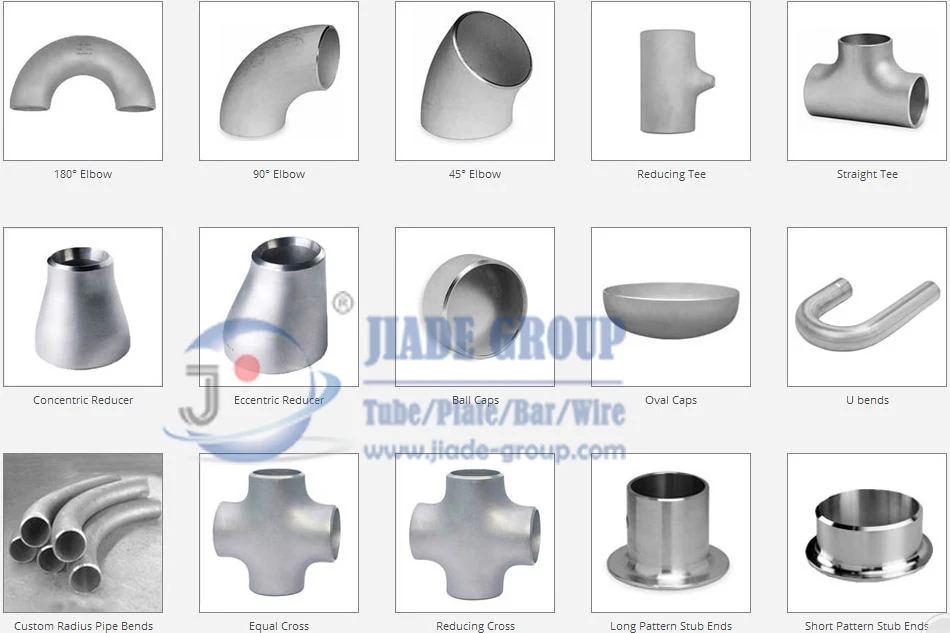
Butt weld fittings cover elbows, tees, reducers, crosses, caps and stub ends, in carbon, stainless, duplex and nickel alloys. The dimensional rules are simple once you know where long radius and short radius come from.
What the Family Covers
Butt weld fittings are made in multiple shapes including elbows, tees, reducers, crosses, caps and stub ends, in material grades from carbon and low alloy steel through stainless, duplex and nickel alloys. They are produced seamless from 2 to 24 inches and welded for larger pipe sizes.
Related product: Stainless Steel Elbow 45 90 and 180 Degree
The Governing Standards
The key specification is ASME B16.9, with MSS SP-43 integrating ASME B16.9 for stainless steel, duplex and nickel alloy butt weld fittings. Below 2 inches in diameter, socket weld and threaded forged fittings to ASME B16.11 are generally used instead.
Why Butt Welding Is Preferred
Butt welded joints are strong and leak proof, they minimise pressure drop and turbulence inside the pipeline, they have a long service life, and they are comparatively cheap to buy and install. That combination is why they dominate process piping above 2 inches.
Long Radius Against Short Radius
The centre to face distance of a long radius elbow is always 1.5 times the nominal pipe size, while for a short radius elbow it equals the nominal pipe size. That is the whole rule. Long radius lowers pressure drop and erosion, short radius fits where space does not allow the longer sweep, and 3D and 5D bends extend the radius further for abrasive service.
Related product: Stainless Steel Equal and Reducing Tee
Special Shapes Worth Knowing
A reducing elbow has an inlet and outlet in two different bore sizes, replacing the combination of a standard elbow and a concentric reducer. A mitred elbow is a large size elbow assembled by joining steel plates, used where a formed elbow is unavailable at that diameter. Elbows below 24 inches are produced by cutting, heating and bending seamless pipe, while larger ones are made from welded pipe or plate.
Related product: Stainless Steel Concentric and Eccentric Reducer
Products Covered in This Guide
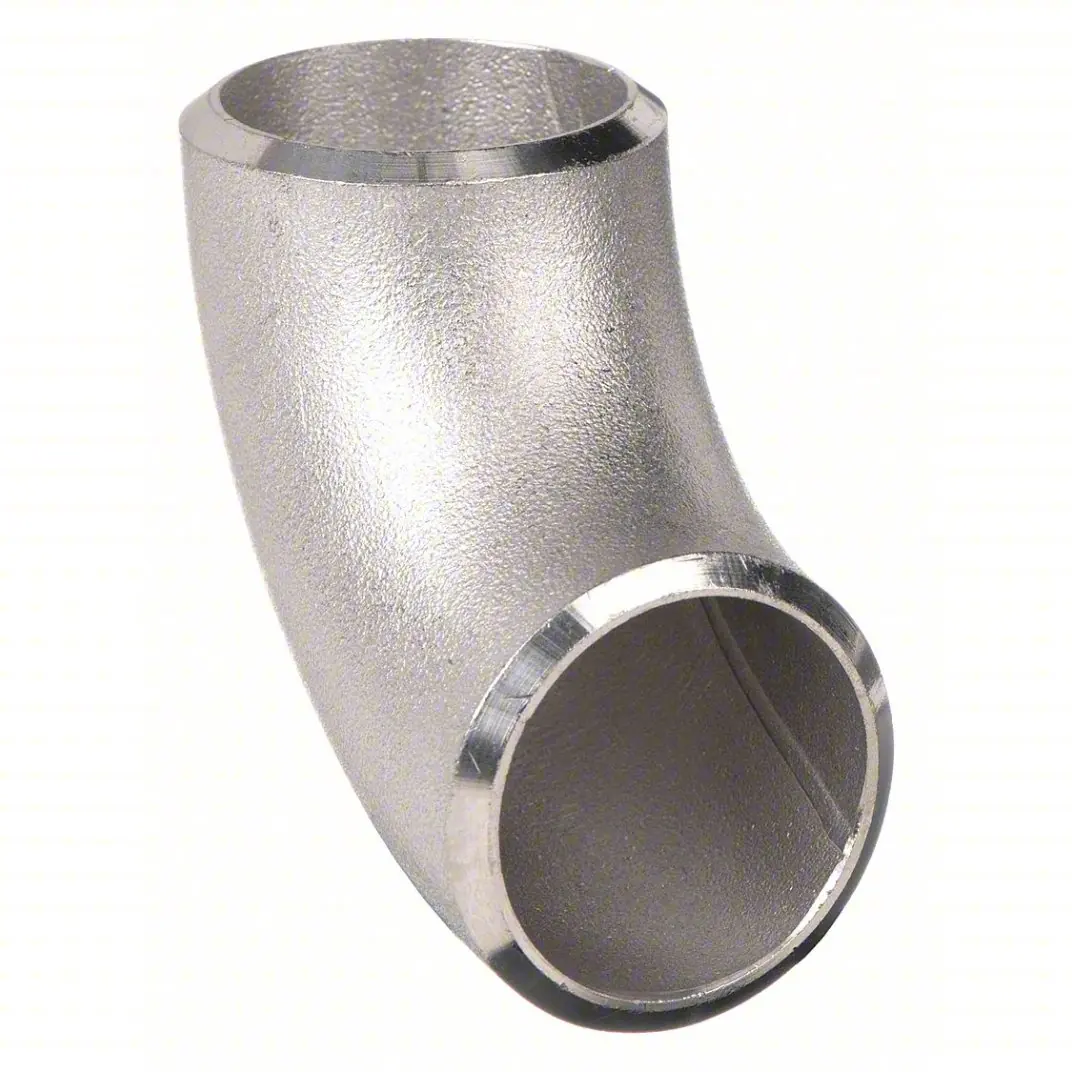
Stainless Steel Elbow 45 90 and 180 Degree
A stainless steel elbow changes direction in a piping system. The standard set is 45, 90 and 180 degree in long radius, plus 90 and…
View specifications →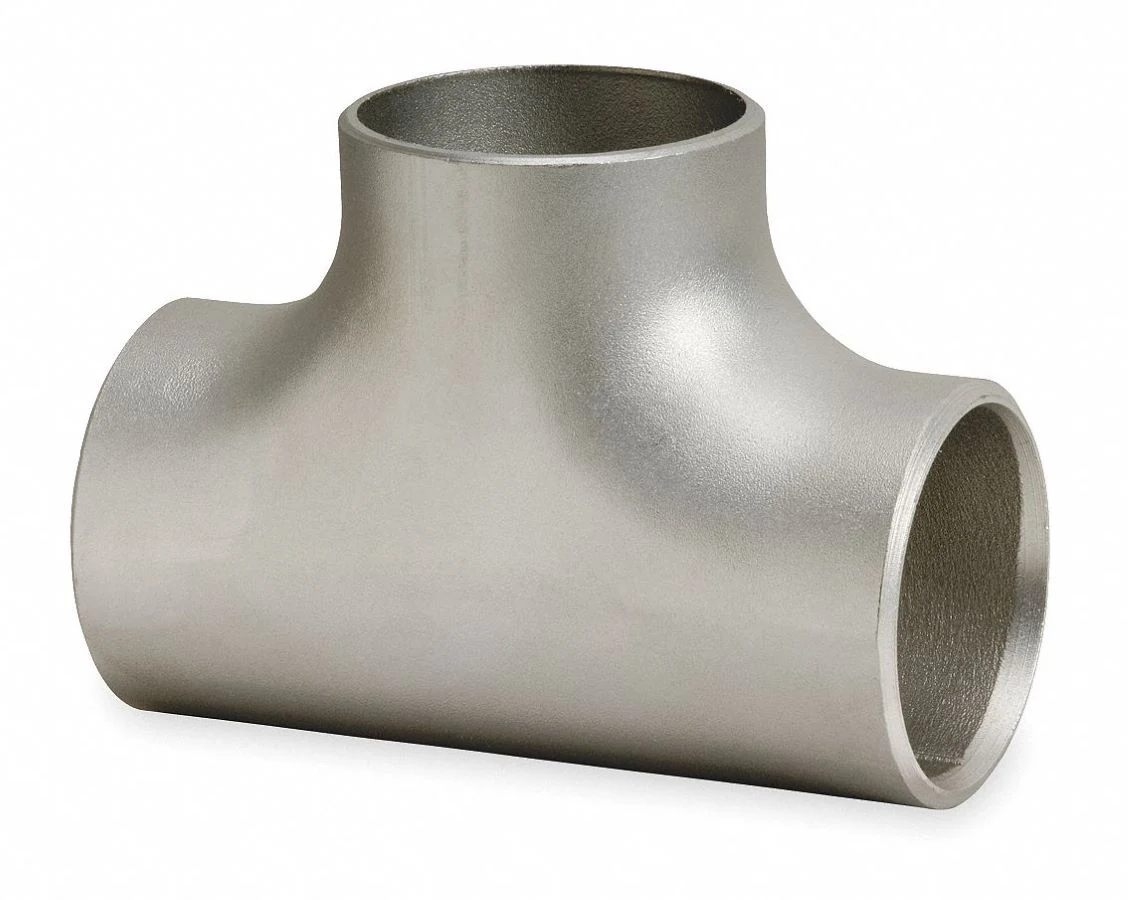
Stainless Steel Equal and Reducing Tee
A stainless steel tee is a T shaped fitting with three branches, used to divide or combine pipelines, adjust flow rate and change…
View specifications →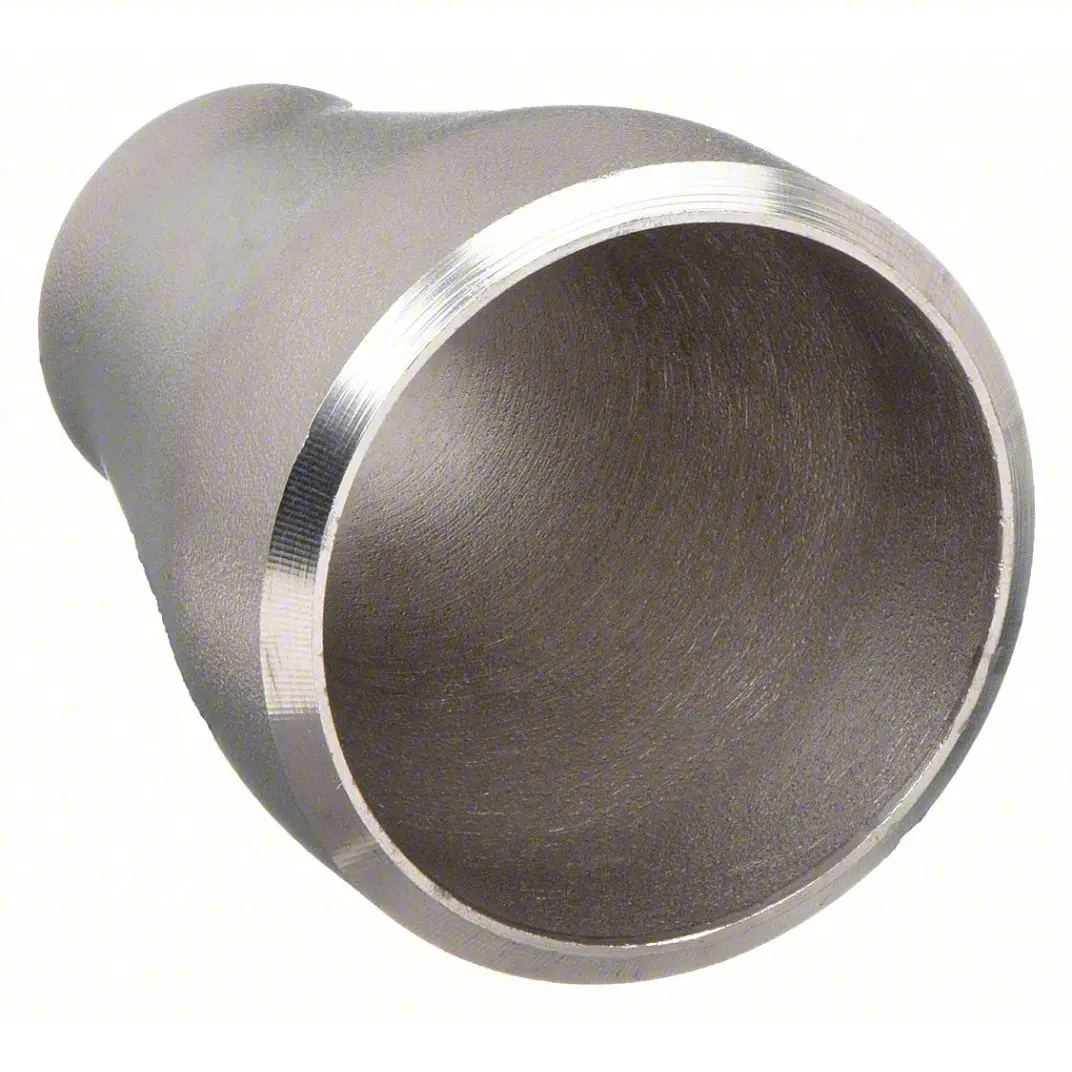
Stainless Steel Concentric and Eccentric Reducer
A stainless steel reducer changes pipe diameter in one direction. The concentric type is normally used in vertical lines and the…
View specifications →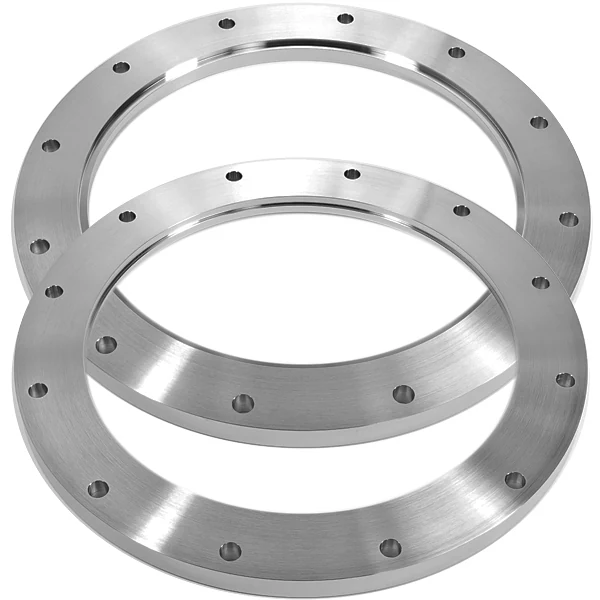
Stainless Steel Flange DN15 to DN1200
A stainless steel flange is the disc shaped part that joins two lengths of pipe, with a gasket between the faces and bolts pulling…
View specifications →Frequently Asked Questions
What is the centre to face distance of a long radius elbow
Which standard governs butt weld fittings
What is used below 2 inches
Why are large elbows made differently
Apply This to Your Own Specification
Send the service conditions and the grade recommendation comes back with a quotation for the sizes you need.