
Reading an Insulator Datasheet Before You Order
Which figure to design against, which one is a type test result, and which dimensions decide whether the unit fits your structure.
Failing Load Is Not Working Load
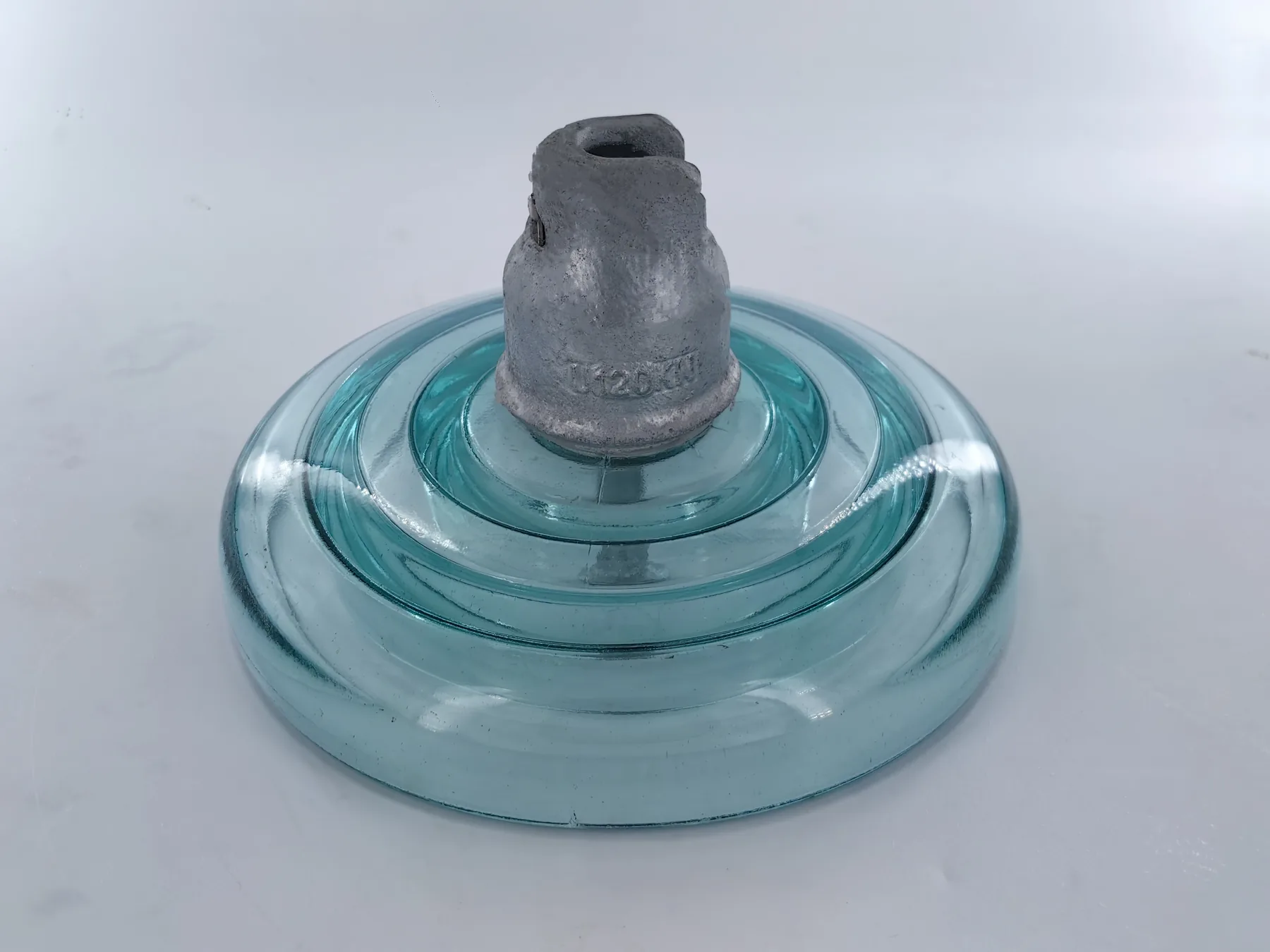
A glass disc quoted at 210 kN is stating its mechanical failing load, the destructive type test result. The figure to design against is the routine proof value applied to every unit, 105 kN in that case. On ANSI porcelain discs the equivalent pair is combined M&E strength, 67 kN on a 52-3, against a 33.3 kN routine proof test load and maximum working load.
Creepage, Spacing and Shed Diameter
Creepage per unit drives the unit count for your pollution class. Spacing drives total string length and therefore the tower window check. Shed diameter drives the swing envelope and, in substations, enclosure clearance. All three are published per type, and all three have to pass.
Dry and Wet Withstand Figures
Dry and wet power-frequency withstand voltages are quoted separately because the wet value is measured under standard artificial rain, which shorts part of the leakage path. For exposed line work the wet figure is the conservative reference. Impulse withstand and, on some designs, polarity-dependent critical impulse flashover values are given alongside.
Related Questions
Which number goes into the string load calculation?
The routine proof value, with your own safety factor applied on top. Failing load and combined M&E strength are destructive test results, not design values.
Why do positive and negative impulse figures differ?
Flashover behaviour is polarity dependent. Both are published on the ANSI types so the value your specification calls for is available.
Designs Referenced Above
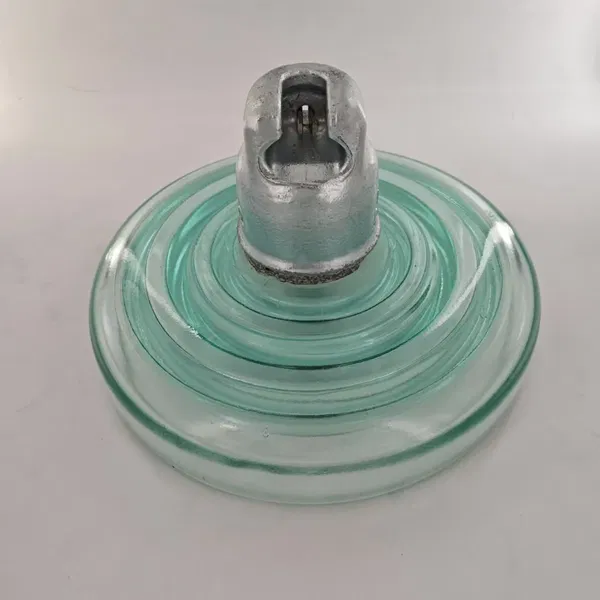
Glass Fog Profile Suspension Insulators LXHP-120 / U120BP
120 kN Fog Profile Glass Disc With 450 mm Creepage
View specifications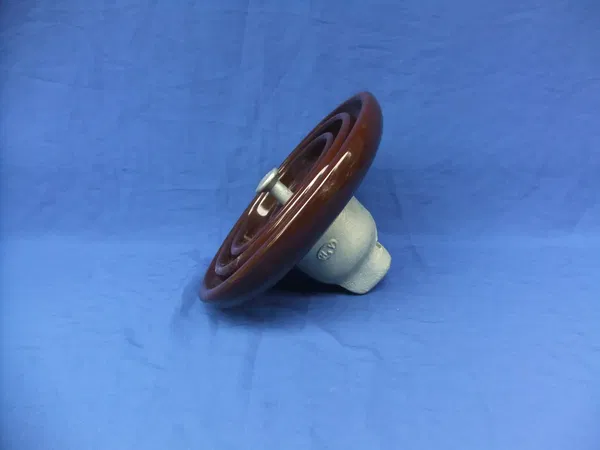
Ball and Socket Type Suspension Insulators ANSI 52-3
ANSI 52-3 Porcelain Disc With 67 kN Combined M&E Strength
View specificationsRelated Categories
Other Guides
- What the Black RF Glaze on an Insulator Actually Does
- Which Defects Are Acceptable in a Porcelain Insulator
- How Insulator Glaze Colour Is Determined
- How to Dispose of Porcelain Insulators Removed From Service
- Glass or Porcelain Suspension Insulators
- Choosing a Shed Profile for Contaminated Sites
- How Electric Porcelain Is Made in Shangbu
Questions This Guide Did Not Answer
Our engineers answer specification questions directly by email.