
Glass or Porcelain Suspension Insulators
Both materials meet the same electrical ratings. The decision usually comes down to how a failed unit is detected in service.
The Ratings Are Set by the Design
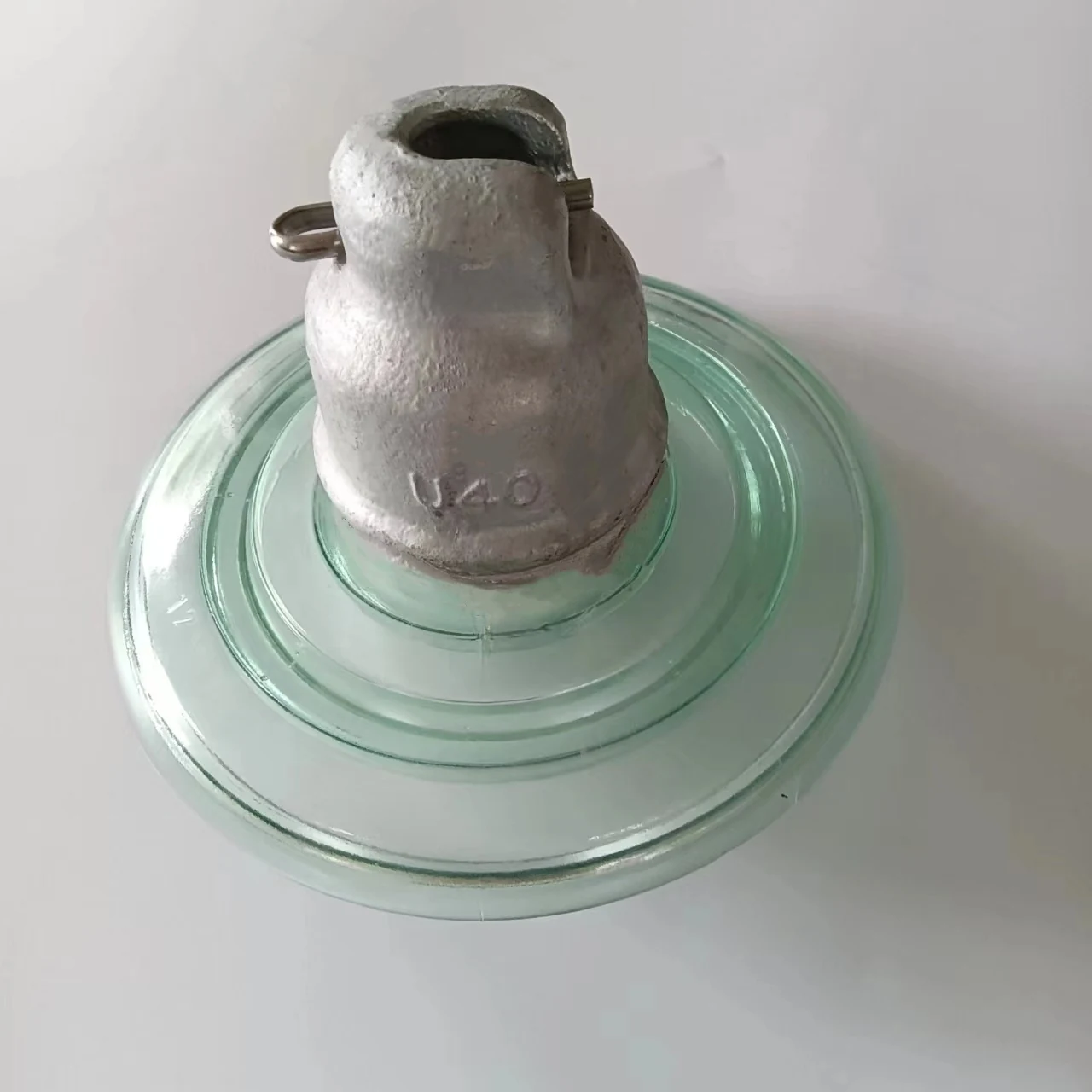
Mechanical failing load, creepage, withstand voltage and RIV are properties of the design, not of the material. Zhaotong produces both technologies across overlapping strength ranges, from 40 kN glass discs up to 210 kN, and porcelain discs at 44 kN and 67 kN combined M&E strength.
Failure Detection Is the Real Difference
When a toughened glass shell is punctured it shatters, leaving the cap, pin and stub in place. The string keeps its mechanical integrity and the failed unit is visible from the ground. A punctured porcelain cap and pin disc looks intact, which is why utilities run buzz stick, tester or infrared surveys on porcelain strings of unknown age.
Where Porcelain Still Wins
Where a network is built to ANSI string geometry, matching porcelain discs keeps the hardware unchanged. Solid-core porcelain long-rods remove the puncture failure mode altogether, because there is no cement joint inside the dielectric path at all.
Related Questions
Can we mix glass and porcelain in one string?
No. A string should use one technology, one mechanical rating and one coupling throughout.
Does glass survive vandalism better?
A shattered glass shell keeps the string mechanically intact through the cap, pin and stub, whereas a shattered porcelain shell can compromise the assembly. Neither material should be relied on as a security measure.
Designs Referenced Above
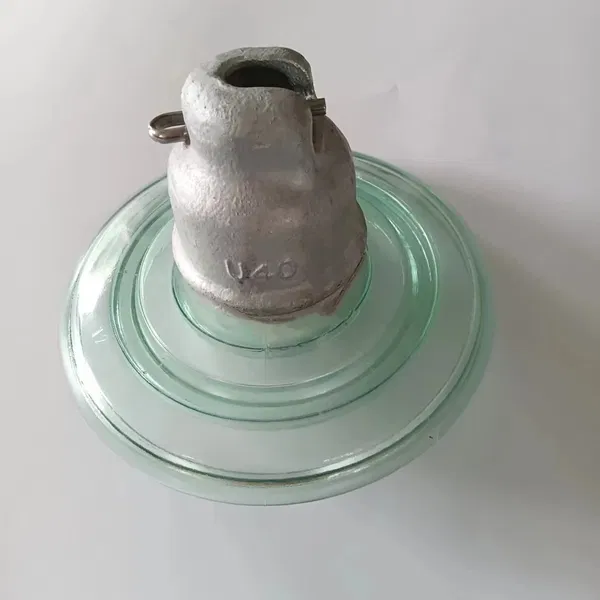
Glass Standard Profile Suspension Insulators LXP-120/ U120BL
120 kN Standard Profile Glass Disc for Clean Environment Lines
View specifications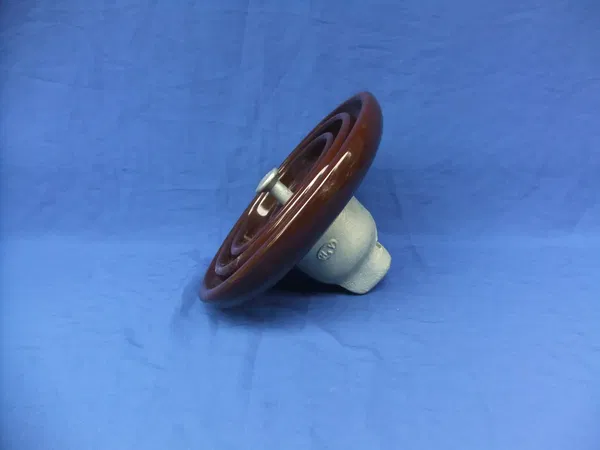
Ball and Socket Type Suspension Insulators ANSI 52-3
ANSI 52-3 Porcelain Disc With 67 kN Combined M&E Strength
View specifications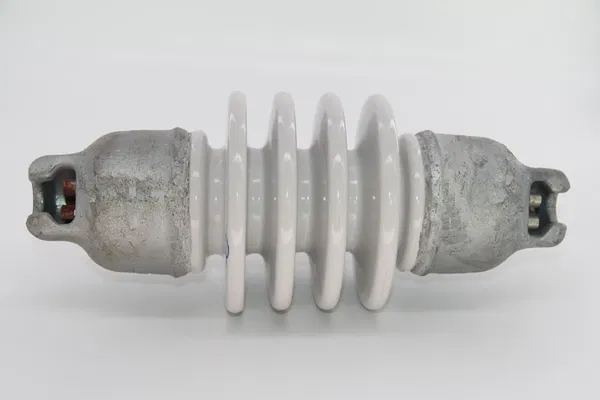
Long-Rod Type Suspension Insulators SL-22/70
70 kN Long-Rod Porcelain Insulator for Higher Line Tension
View specificationsRelated Categories
Other Guides
- What the Black RF Glaze on an Insulator Actually Does
- Which Defects Are Acceptable in a Porcelain Insulator
- How Insulator Glaze Colour Is Determined
- How to Dispose of Porcelain Insulators Removed From Service
- Choosing a Shed Profile for Contaminated Sites
- How Electric Porcelain Is Made in Shangbu
- Reading an Insulator Datasheet Before You Order
Questions This Guide Did Not Answer
Our engineers answer specification questions directly by email.