
Which Defects Are Acceptable in a Porcelain Insulator
Incoming inspection criteria for glazed and unglazed surfaces, based on the definitions used in international standards such as IEC.
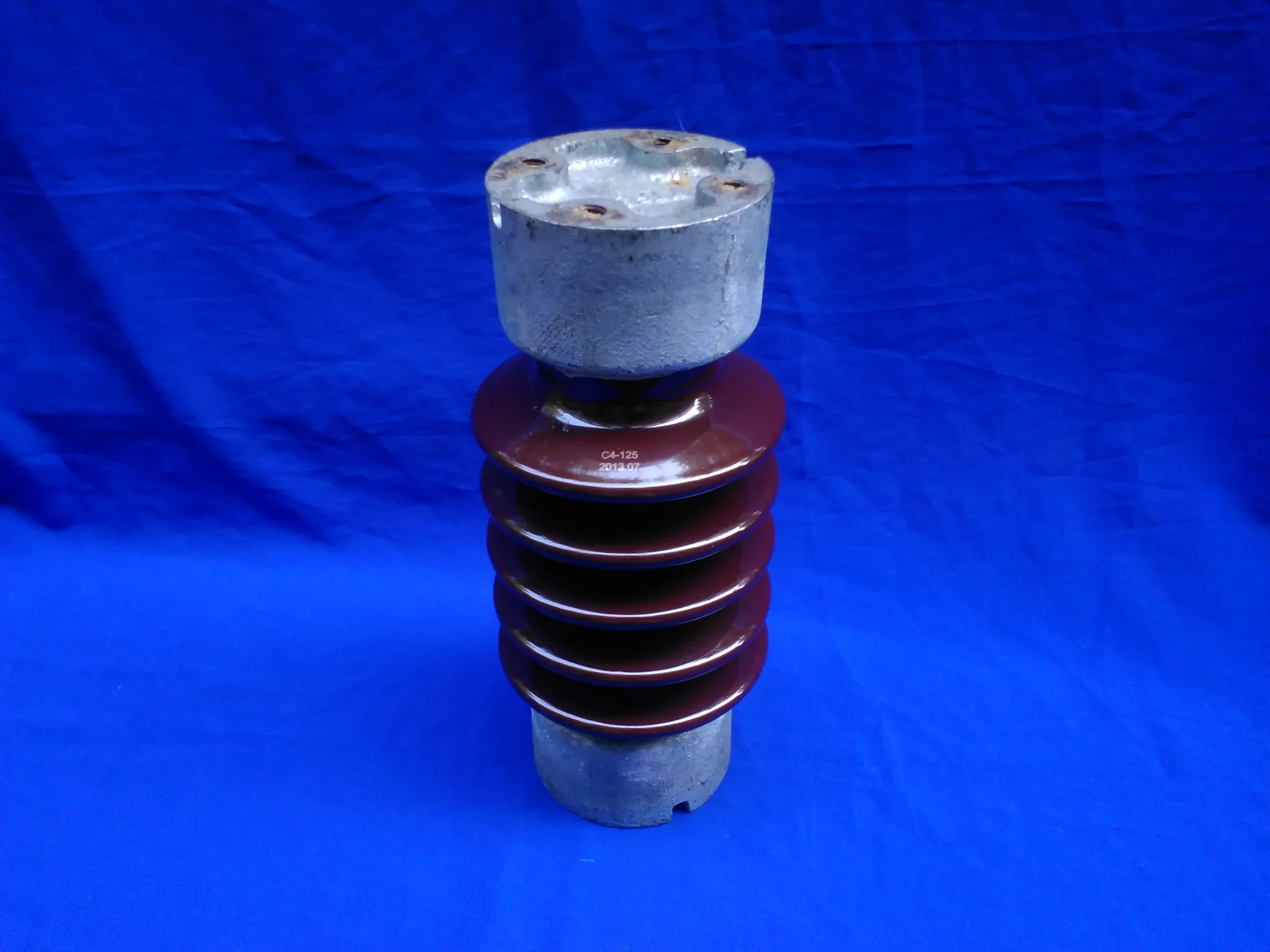
Surface Appearance
The glaze must be smooth, shiny and resistant. Surfaces must be free of cracks, scratches, wrinkles, bubbles, glaze inclusions or other defects detrimental to satisfactory operating performance. These are treated as simple glazing defects when assessing allowable defect sizes. Glaze chipping at an edge to be polished, and on chamfered surfaces, is not allowed.
External and Internal Surfaces
On external surfaces, glaze inclusions must not protrude more than 2 mm from the surface. On internal surfaces no bulges or depressions are allowed, while small holes or tool marks up to 2 mm deep are acceptable. The presence of cement on internal or external surfaces of the insulator is not allowed.
What Counts as a Glazing Defect
Glazing defects include unglazed spots, chipped surfaces, glaze inclusions and holes. Setting these criteria out in the purchase specification is what makes an incoming inspection decision objective rather than a negotiation on the day of delivery.
Related Questions
Can a chipped porcelain insulator be repaired?
If there is a crack or fissure in the porcelain the unit must be replaced, because the dielectric has been pierced. If the problem is a chipped surface on a bell or at the base of a bushing, it can be repaired with an epoxy resin of 100 parts ARALDIT GY 6010 to 22 parts hardener HY 956. This is a temporary solution until replacement units are procured and installed, and such repairs cannot be guaranteed long-term.
Can the repair mix be made easier to apply?
Alumina or powdered silica sand to an ASTM 270 sieve may be added to raise viscosity and make the mix more paste-like. The resin is corrosive and can cause severe skin and eye irritation, so it must be handled with caution and hands washed thoroughly after use.
Designs Referenced Above
Station Post Insulators C4-125
C4-125 Station Post for Medium Voltage Busbar Support
View specifications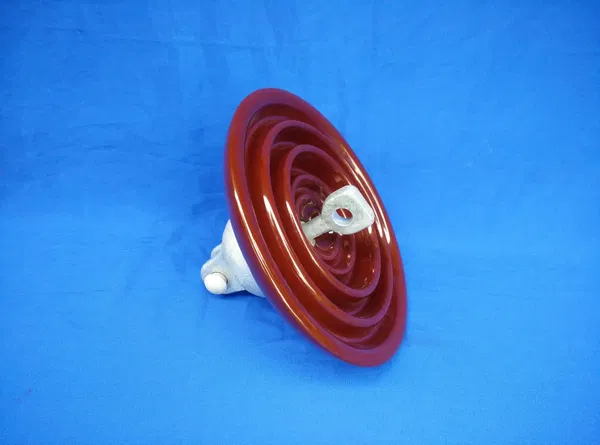
Clevis Type Suspension Insulators ANSI 52-1
ANSI 52-1 Compact Porcelain Disc for Distribution Strings
View specificationsRelated Categories
Other Guides
- What the Black RF Glaze on an Insulator Actually Does
- How Insulator Glaze Colour Is Determined
- How to Dispose of Porcelain Insulators Removed From Service
- Glass or Porcelain Suspension Insulators
- Choosing a Shed Profile for Contaminated Sites
- How Electric Porcelain Is Made in Shangbu
- Reading an Insulator Datasheet Before You Order
Questions This Guide Did Not Answer
Our engineers answer specification questions directly by email.