
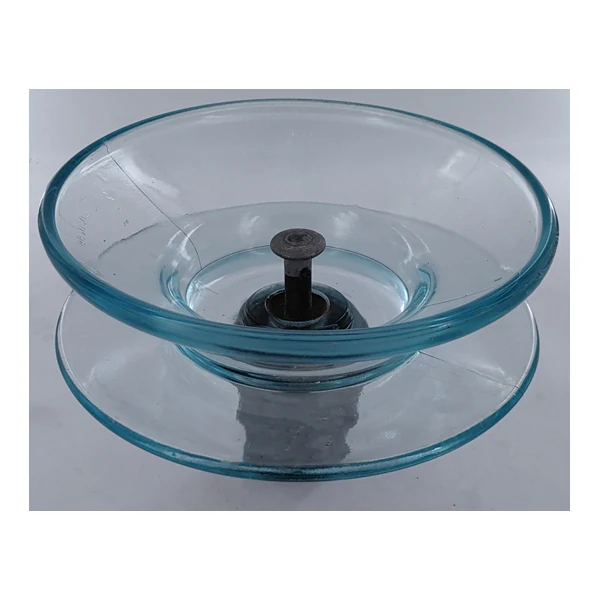
Glass Insulators
Toughened glass suspension discs from 40 kN to 210 kN in standard, fog, aerodynamic and double umbrella profiles.
Request A QuoteGlass Insulators We Manufacture
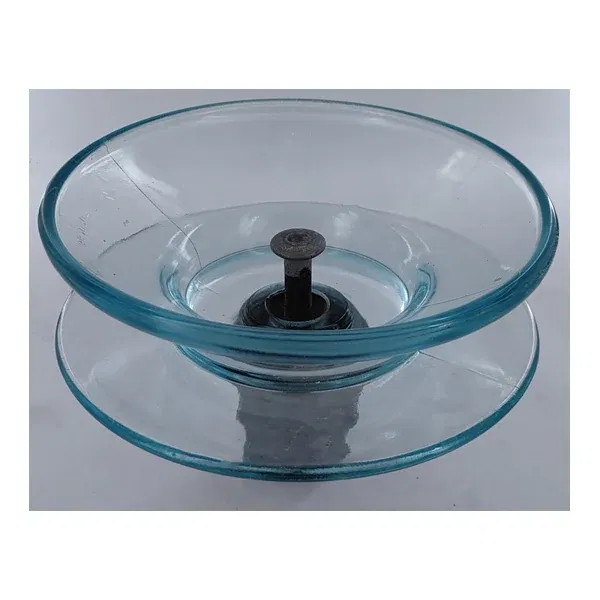
Double umbrella disk Suspension Insulators UG120B146/450D 16R
120 kN Double Umbrella Disc for Heavy Contamination
View specifications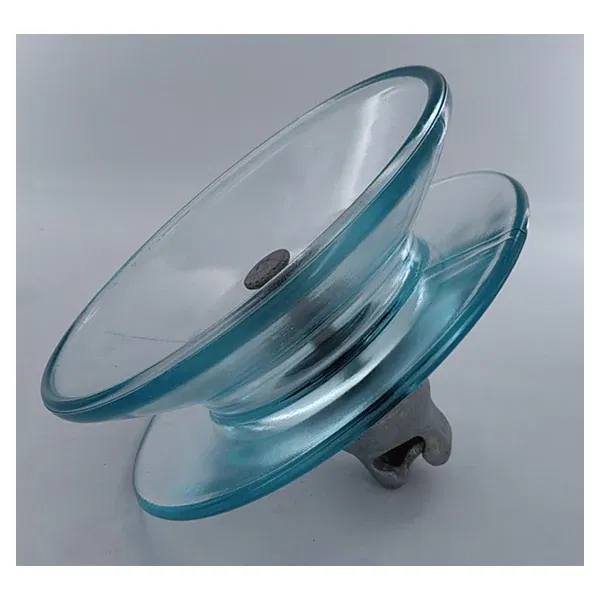
Double umbrella disk Suspension Insulators UG70B146/450D 16R
70 kN Double Umbrella Disc for Dust and Dew Conditions
View specifications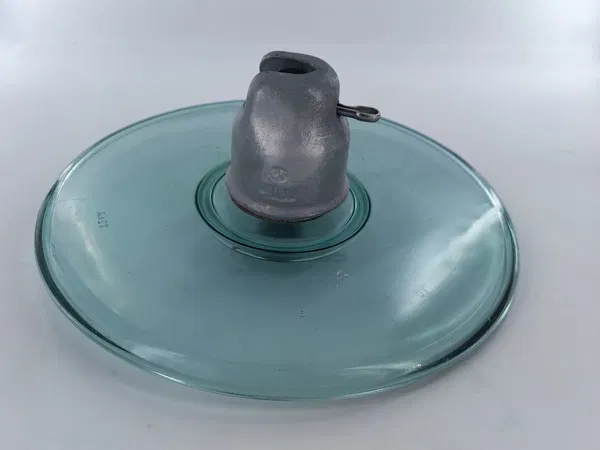
Glass Aerodynamic Profile Suspension Insulators LXAP-160 / U160A
160 kN Aerodynamic Glass Disc With a Self-Cleaning Shed
View specifications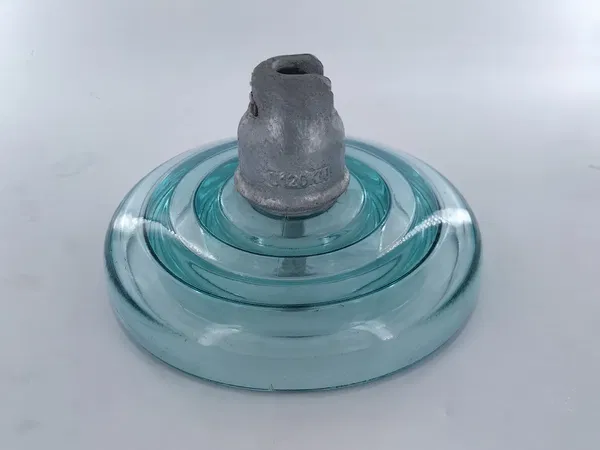
Glass Fog Profile Suspension Insulators LXHP-210 / U210BP
210 kN Fog Profile Glass Disc for Long Tension Strings
View specifications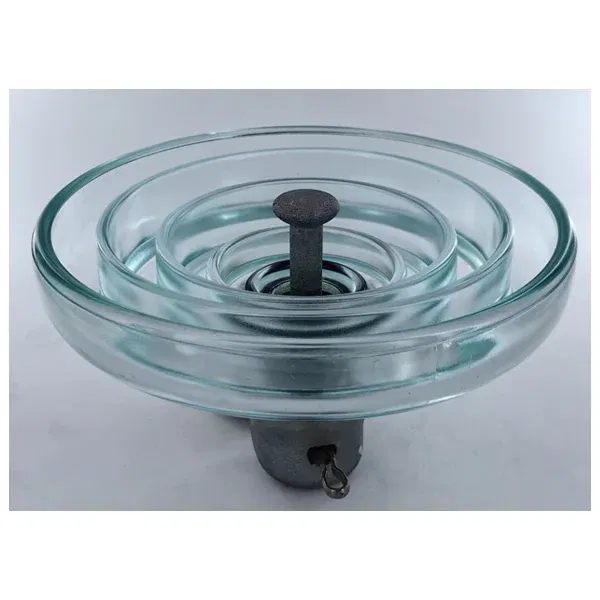
Glass Fog Profile Suspension Insulators U160BP / 155
160 kN Fog Disc With 550 mm Creepage on a 155 mm Spacing
View specifications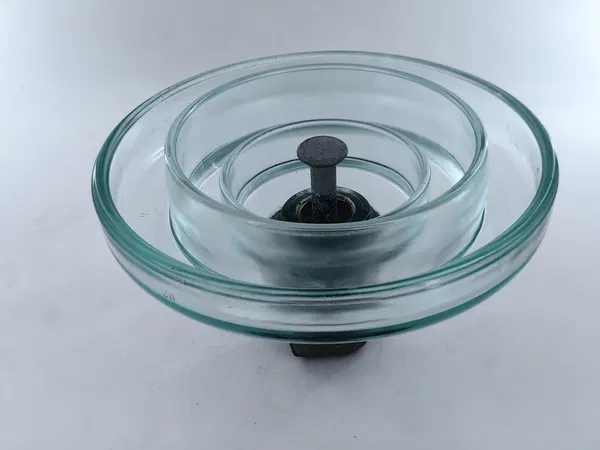
Glass Fog Profile Suspension Insulators U160BP/170
160 kN Fog Disc on a 280 mm Shed With 20 mm Coupling
View specifications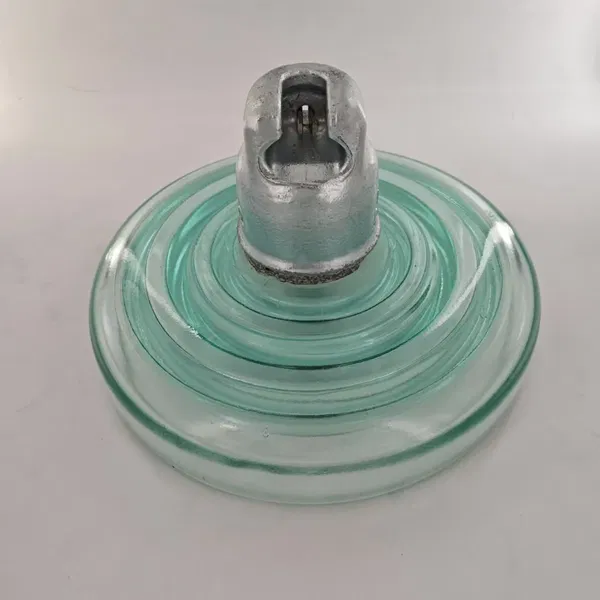
Glass Fog Profile Suspension Insulators LXHP-120 / U120BP
120 kN Fog Profile Glass Disc With 450 mm Creepage
View specifications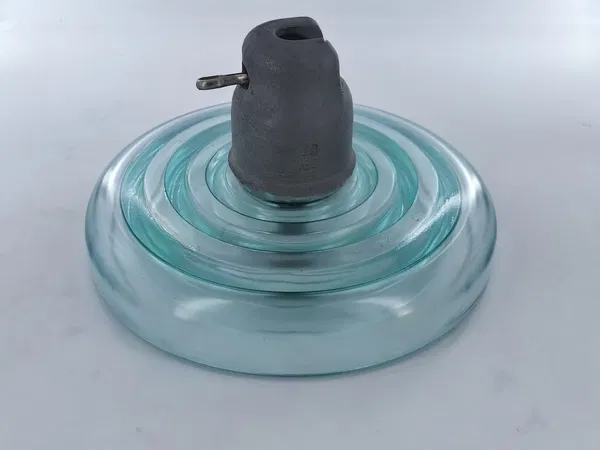
Glass Fog Profile Suspension Insulators LXHP-70 / U70BP/ U70BLP
70 kN Fog Disc Available in 255 mm and 280 mm Sheds
View specifications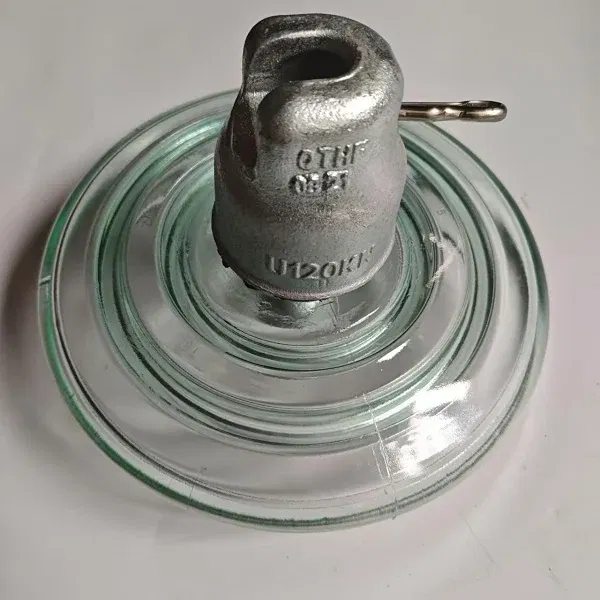
Glass Standard Profile Suspension Insulators LXP-40 / U40B
40 kN Standard Profile Glass Disc for Light Distribution Strings
View specifications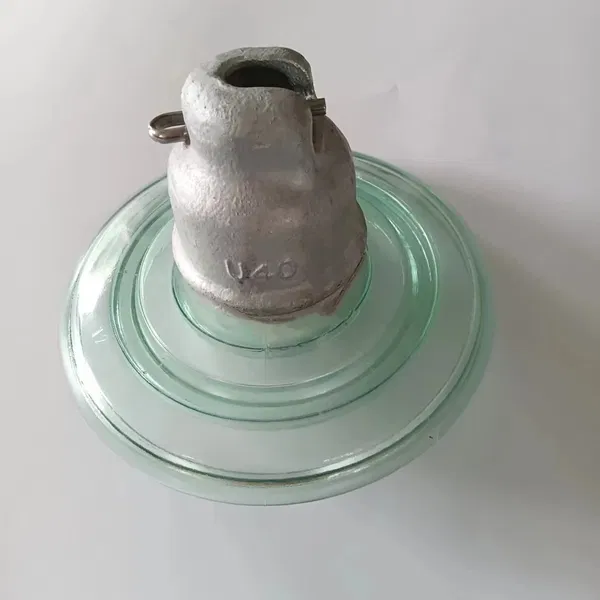
Glass Standard Profile Suspension Insulators LXP-120/ U120BL
120 kN Standard Profile Glass Disc for Clean Environment Lines
View specifications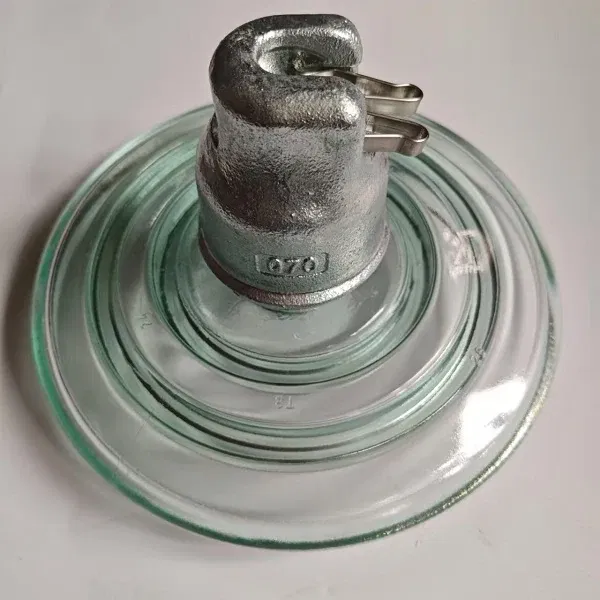
Glass Standard Profile Suspension Insulators LXP-70 / U70BL
70 kN Standard Profile Glass Disc LXP-70 / U70BL
View specificationsWhy Buyers Specify Glass Insulators
Disc strings in polluted or coastal air lose withstand margin as deposit builds up, and punctured porcelain units cannot be found on a line patrol. Toughened glass answers both: profiles that hold creepage under contamination, and a shell that shatters visibly when the dielectric is pierced.
Who It Is For
- Transmission and sub-transmission utilities
- Line EPC contractors building suspension and tension strings
- Distributors supplying line construction projects
Core Advantages
- Creepage from 190 mm to 550 mm per unit across the range
- Failing loads of 40, 70, 120, 160 and 210 kN on 11, 16 and 20 mm couplings
- Failed units are visible from the ground, so no puncture testing programme is needed
- Four shed profiles covering clean, polluted, dusty and wind-cleaned sites
Where It Is Used
- Coastal and industrial transmission corridors
- Desert routes where line washing is impractical
- Clean inland lines where a standard profile is sufficient
Related Industries and Guides
Glass Insulators Questions
How do we choose between standard, fog, aerodynamic and double umbrella profiles?
Standard profiles suit clean air. Fog profiles add creepage through deep under-ribs for salt and industrial fallout. Double umbrella profiles stack two skirts so fine dust cannot bridge the leakage path. Aerodynamic profiles keep an open shed that wind cleans, for remote sites where washing is impossible.
Is glass stronger than porcelain?
Mechanical ratings come from the design, not the material; both are made here from 40 kN up. The practical difference is the failure mode. Toughened glass shatters when punctured and the failure is visible, while a punctured porcelain disc looks intact.
Can glass discs be mixed with porcelain in one string?
No. A string should use one technology, one rating and one coupling throughout, because it is rated by its weakest element.
What creepage should we specify?
It comes from your site pollution class expressed in mm per kV. We publish creepage per unit for every type so you can complete that calculation and fix the unit count.
What documentation ships with an order?
Routine test records for the production lot ship with the goods, and type test reports against the applicable GB or IEC standard are available on request before the order is placed.
Send Your Specification for Glass Insulators
Quote requests go straight to our engineering desk. Include quantity, destination port and the standard you buy against.