
What the Black RF Glaze on an Insulator Actually Does
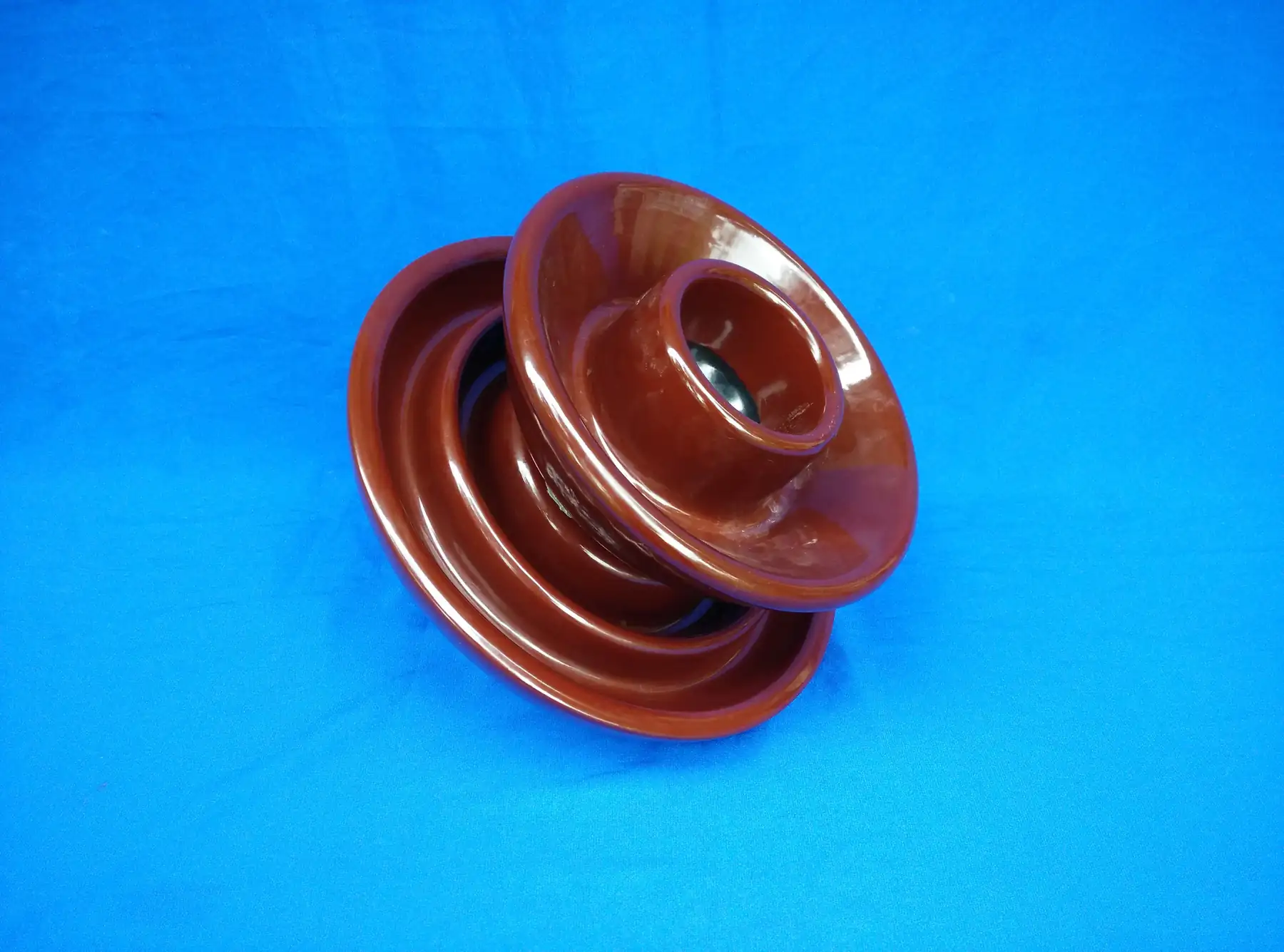
Semiconductor RF glaze standardises the potential gradient across the insulator surface so capacitive arcs do not generate radio frequency noise.
The Problem RF Glaze Was Developed to Solve
One of the long-running problems in insulator manufacturing and use is the irregular behaviour of insulating parts with respect to noise signals that affect communications while the unit is operating at its normal service voltage. A great deal of development effort has gone into glazes whose properties improve the electrical behaviour of the insulator surface rather than only protecting it.
How the Semiconductor Glaze Works
The principle behind the RF semiconductor glaze is standardising the potential gradient across the surface. Excessive concentrations of gradient give rise to capacitive arcs, and those arcs generate noise at radio communication frequencies. By improving conductivity in those areas the glaze improves the distribution of the electric field and the arcing is suppressed.
Where It Matters in Practice
Radio influence voltage is measured and published per design. Our pin type and line post units are rated at 100 uV or 200 uV maximum RIV at 1000 kHz depending on type, with the test voltage to ground stated alongside. Where a line runs close to telecommunications infrastructure those figures are what the specification should be written against.
Related Questions
Is there a standard RIV value for each voltage level?
Each insulator design has a standard radio-influence value rather than there being one figure per voltage level. Check the value for the specific ANSI model in the catalogue. A lower value means less noise generated and less interference in telecommunications.
Does glaze colour relate to RF performance?
No. Grey and brown glaze are cosmetic choices. Semiconductor RF glaze is a functional specification and is called out separately.
Designs Referenced Above
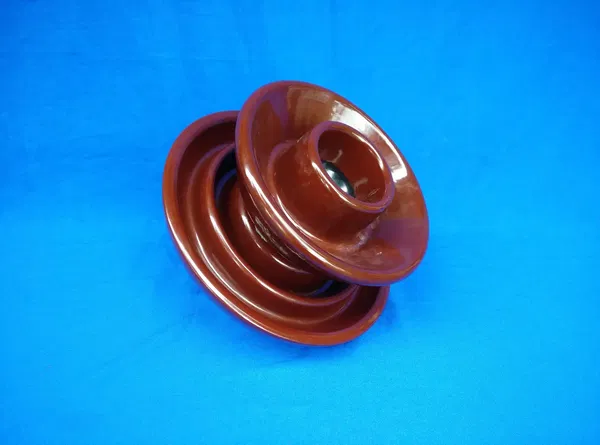
Pin Type Insulators ANSI 56-3
ANSI 56-3 Pin Type Insulator for 34.5 kV Lines
View specifications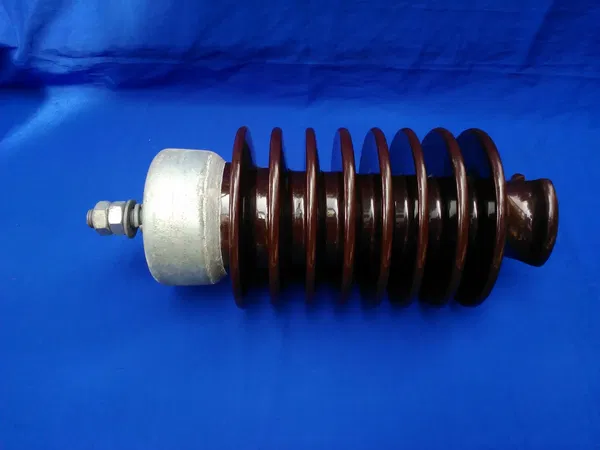
Line Post Insulators ANSI 57-3
ANSI 57-3 Line Post With 737 mm Leakage Distance
View specificationsRelated Categories
Other Guides
- Which Defects Are Acceptable in a Porcelain Insulator
- How Insulator Glaze Colour Is Determined
- How to Dispose of Porcelain Insulators Removed From Service
- Glass or Porcelain Suspension Insulators
- Choosing a Shed Profile for Contaminated Sites
- How Electric Porcelain Is Made in Shangbu
- Reading an Insulator Datasheet Before You Order
Questions This Guide Did Not Answer
Our engineers answer specification questions directly by email.