
How to Dispose of Porcelain Insulators Removed From Service
Withdrawn porcelain can be reused as fill or ground for refractory and mortar filler once the metal hardware is separated.
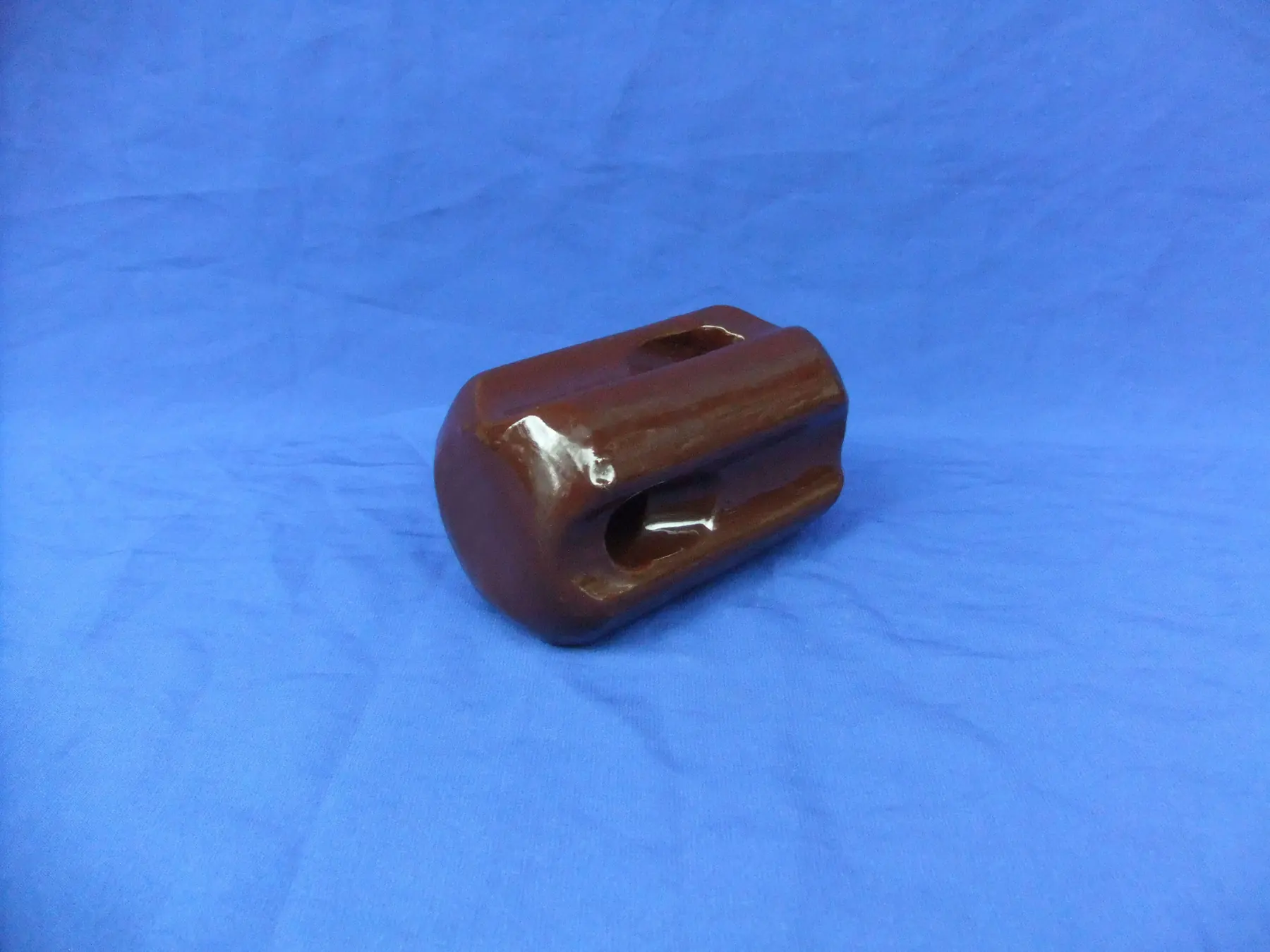
Reuse Routes for the Porcelain
Insulators removed from distribution or transmission lines can be used as landfill. They can also be ground or milled for use as filler in refractory material, in mortars, or as construction fill, which is possible because of the high stability characteristics of the porcelain.
Separating the Hardware
For insulators containing metal parts, the metal hardware must be separated first. The porcelain is then handled as above and the hardware can be used as scrap metal in iron-melting processes.
Planning It Into a Replacement Programme
Disposal is simplest to organise when the replacement programme is planned, because the volume and the split between porcelain and hardware are known in advance. Where a whole route is being re-insulated, the scrap value of the hardware is worth putting into the project budget.
Related Questions
Is there any hazardous material in a porcelain insulator?
The porcelain body is chemically stable, which is what makes it suitable for grinding into filler. Metal hardware should be separated and treated as scrap metal.
Can removed insulators be resold for reuse?
Units withdrawn from service have an unknown loading and contamination history, and porcelain punctures are not visible. Reuse on an energised line is not recommended.
Designs Referenced Above
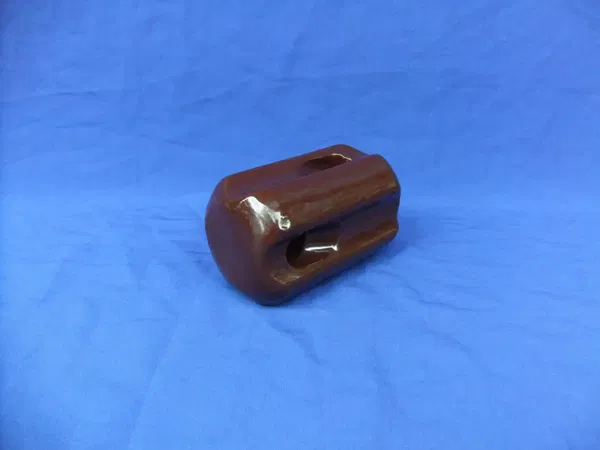
Strain/Guy Insulators ANSI 54-2
ANSI 54-2 Strain Insulator for Distribution Guys
View specifications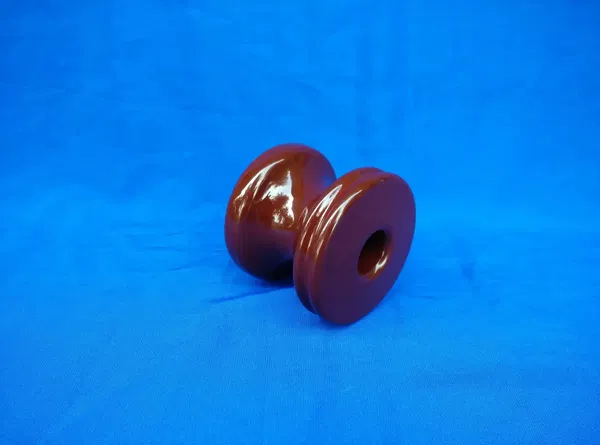
Spool Insulators ANSI 53-2
ANSI 53-2 Spool Insulator for Secondary Racks
View specificationsRelated Categories
Other Guides
- What the Black RF Glaze on an Insulator Actually Does
- Which Defects Are Acceptable in a Porcelain Insulator
- How Insulator Glaze Colour Is Determined
- Glass or Porcelain Suspension Insulators
- Choosing a Shed Profile for Contaminated Sites
- How Electric Porcelain Is Made in Shangbu
- Reading an Insulator Datasheet Before You Order
Questions This Guide Did Not Answer
Our engineers answer specification questions directly by email.