
Selection Quality and Maintenance Guides
Technical notes drawn from our own production, inspection and field experience, written for engineers who have to justify a specification rather than browse a brochure.
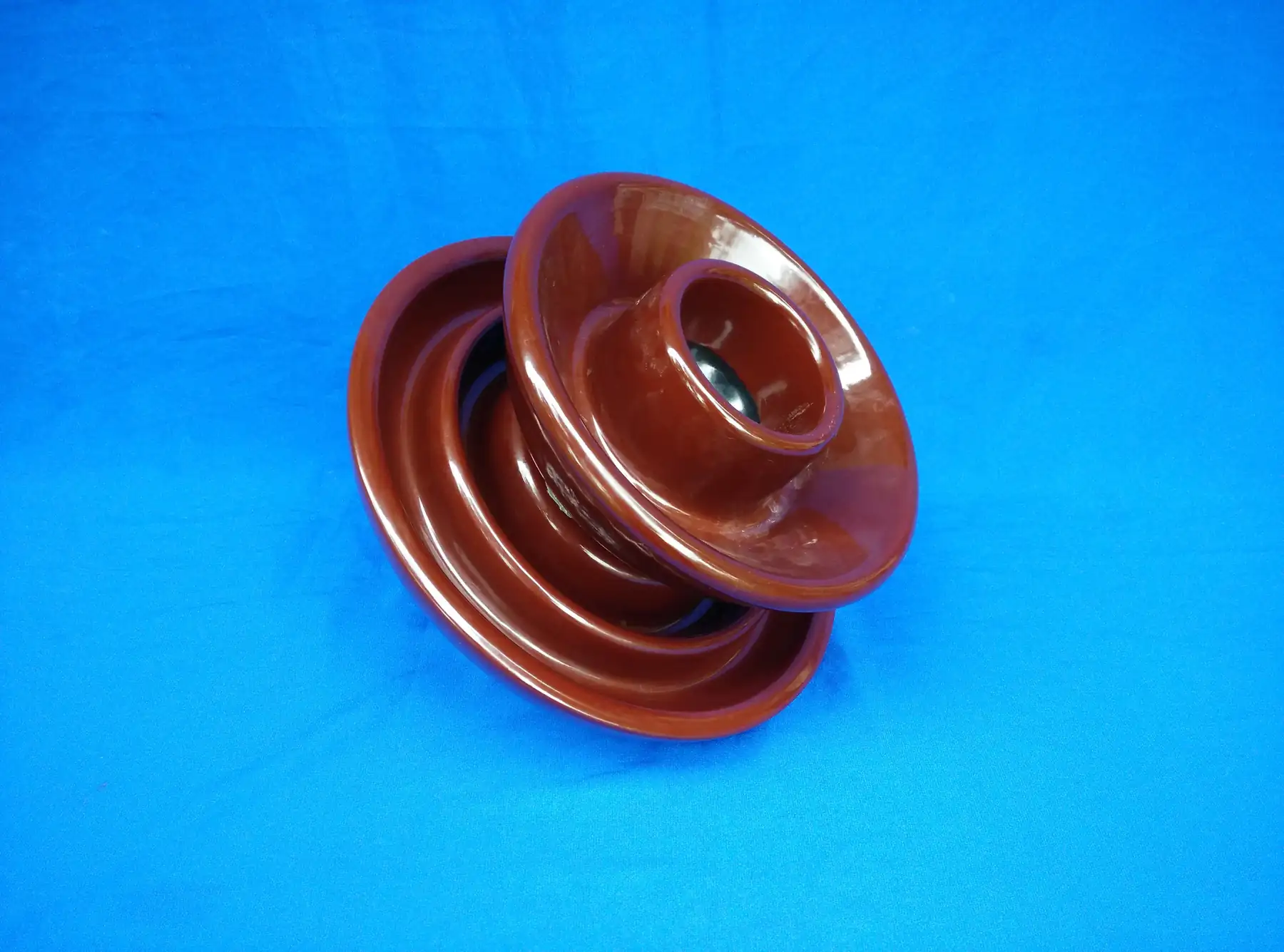
What the Black RF Glaze on an Insulator Actually Does
Semiconductor RF glaze standardises the potential gradient across the insulator surface so capacitive arcs do not generate radio frequency noise.
Read the guide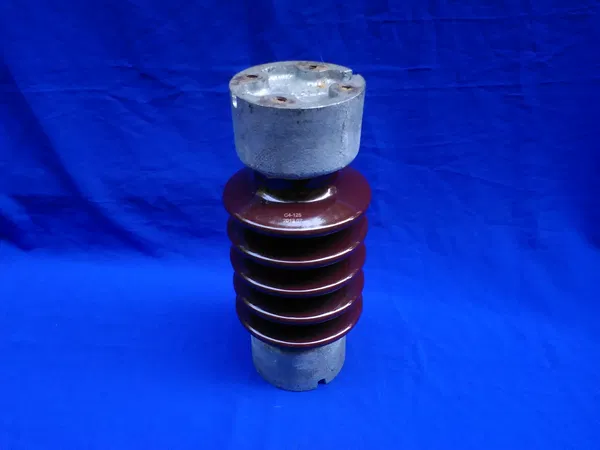
Which Defects Are Acceptable in a Porcelain Insulator
Incoming inspection criteria for glazed and unglazed surfaces, based on the definitions used in international standards such as IEC.
Read the guide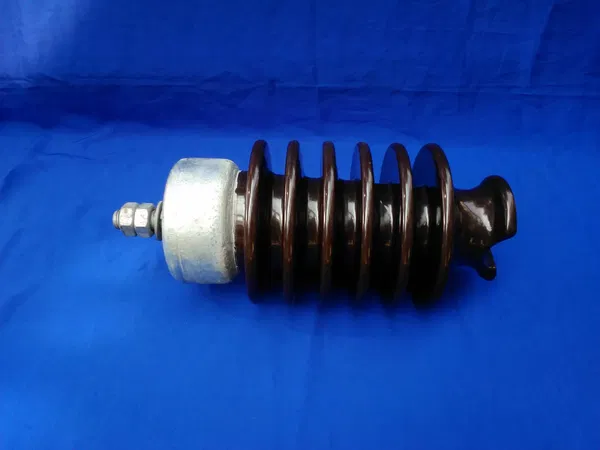
How Insulator Glaze Colour Is Determined
Colour has no effect on electrical or mechanical performance, but ANSI grey is defined to a Munsell notation with stated tolerances.
Read the guide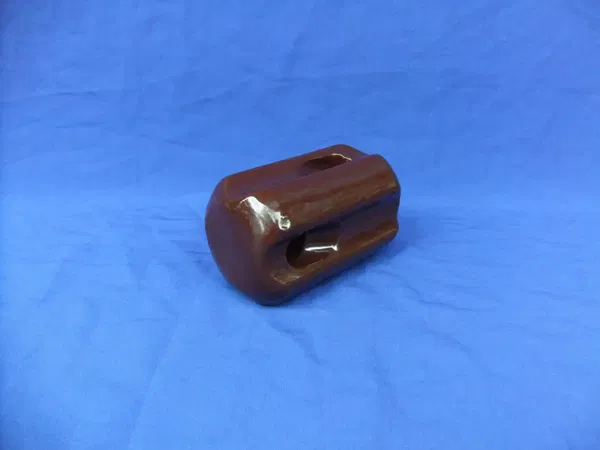
How to Dispose of Porcelain Insulators Removed From Service
Withdrawn porcelain can be reused as fill or ground for refractory and mortar filler once the metal hardware is separated.
Read the guide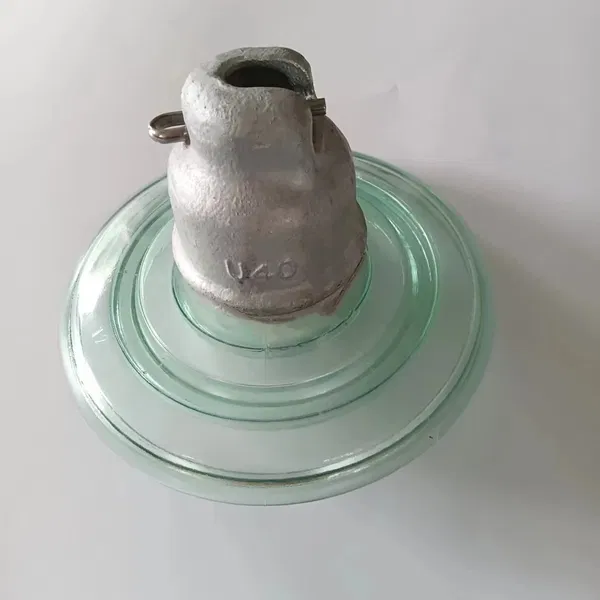
Glass or Porcelain Suspension Insulators
Both materials meet the same electrical ratings. The decision usually comes down to how a failed unit is detected in service.
Read the guide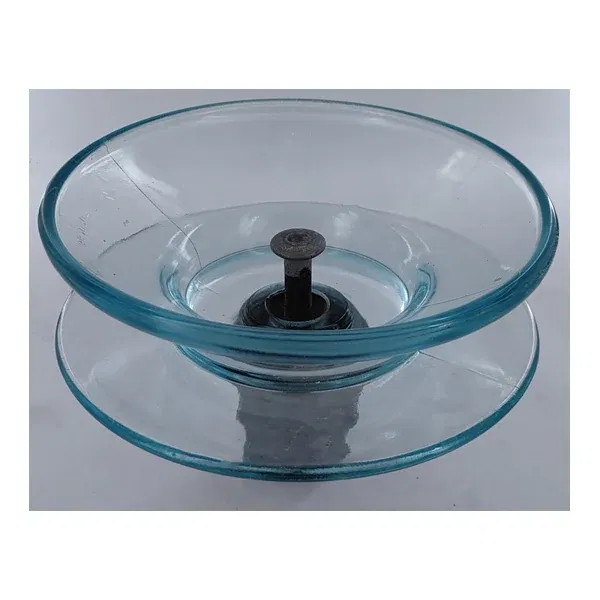
Choosing a Shed Profile for Contaminated Sites
Standard, fog, double umbrella and aerodynamic profiles each answer a different kind of deposit. Nominal creepage alone does not decide the choice.
Read the guide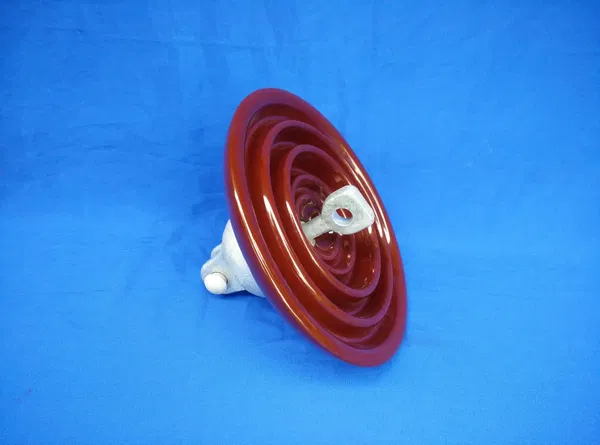
How Electric Porcelain Is Made in Shangbu
The production sequence that has run in Shangbu Town, Luxi County, for generations, from raw material store to finished insulator.
Read the guide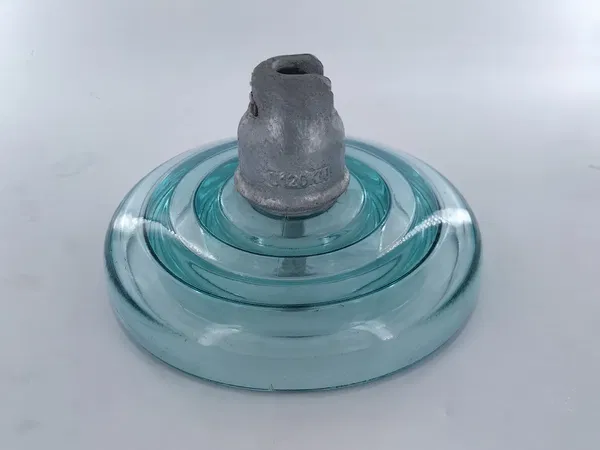
Reading an Insulator Datasheet Before You Order
Which figure to design against, which one is a type test result, and which dimensions decide whether the unit fits your structure.
Read the guideStill Deciding Between Two Designs
Send the two type designations and the site conditions. We will tell you what the published figures mean for your case.