
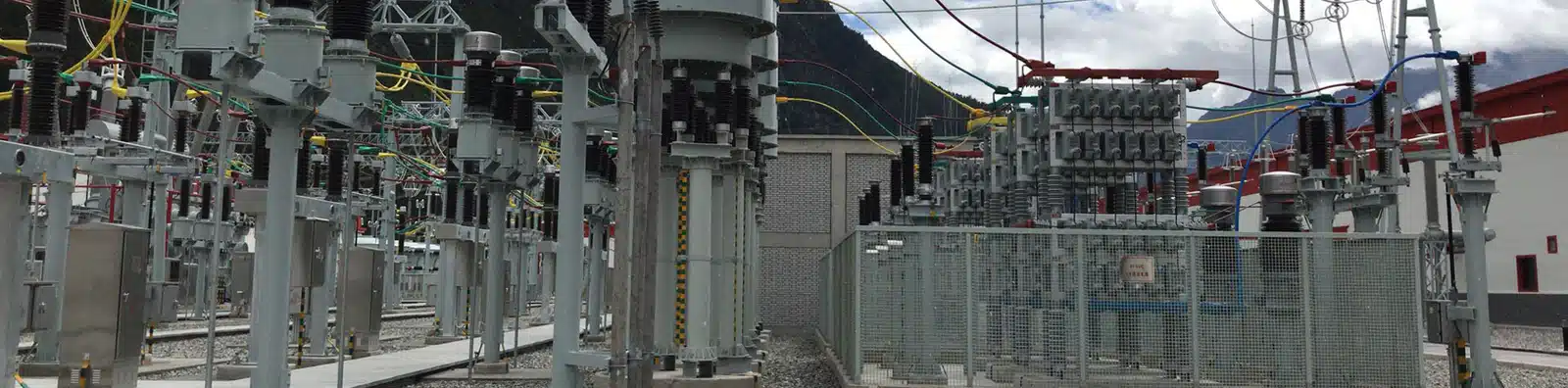
Insulators for Substations and Switchyards
In a substation the insulator is a structural component as much as an electrical one. It holds a rigid busbar against short-circuit forces and takes the reaction torque every time a disconnector is operated.
Talk To An EngineerWhat Goes Wrong on These Assets
- Busbar supports selected on voltage without a short-circuit force check
- Posts that crack when a mounted disconnector is operated
- Creepage shortfalls on outdoor posts in polluted air
- Shed diameters that do not fit inside switchgear enclosures
What Buyers Need From a Supplier
- Cantilever and torsion ratings published per type
- Creepage figures for the substation pollution class
- Compact posts for medium voltage panel work
- Fitting arrangements that match existing drilling patterns
Designs Used on These Assets
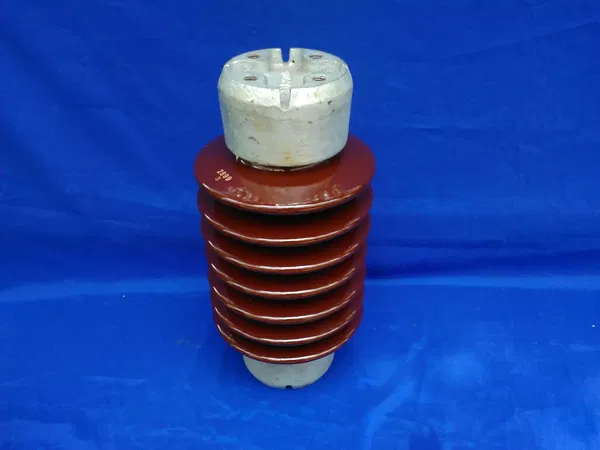
Station Post Insulators C6-170
C6-170 Station Post With 46 kN Cantilever Strength
View specifications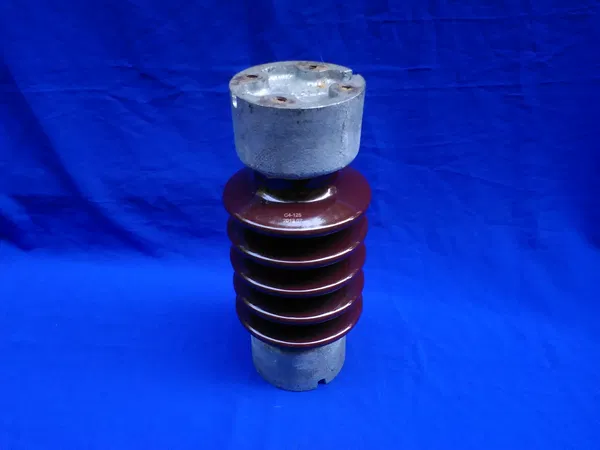
Station Post Insulators C4-125
C4-125 Station Post for Medium Voltage Busbar Support
View specifications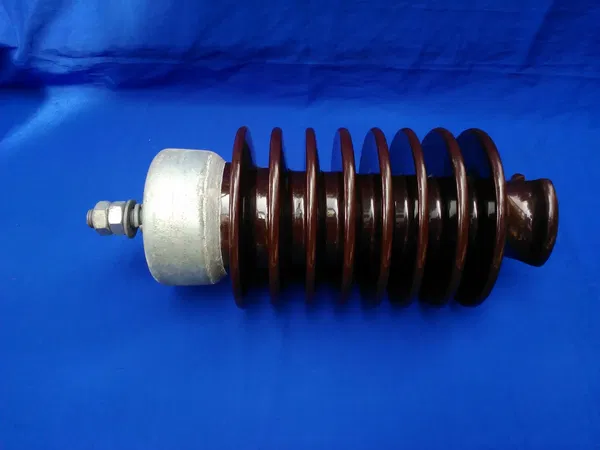
Line Post Insulators ANSI 57-3
ANSI 57-3 Line Post With 737 mm Leakage Distance
View specificationsWhere These Units Are Installed
- Rigid busbar support in air-insulated substations
- Disconnector and earthing switch bases
- Medium voltage switchgear panel busbars
Questions About This Application
Which post do we use as a disconnector base?
The C6-170, rated at 1500 N-m torsion and 46 kN cantilever. The C4-125 at 800 N-m and 4 kN is the medium voltage panel post.
Can flange drilling match our existing pattern?
Send the fitting and drilling drawing with the enquiry and we will confirm what can be supplied.
How is creepage decided for a substation?
From the site pollution class in mm per kV, the same method used for lines. Per-unit creepage of 500 mm and 850 mm is published so the count and height can be fixed.
Send Us the Line or Substation Details
Give us the system voltage, the loads and the site conditions and we will point to the catalogued designs that match.