
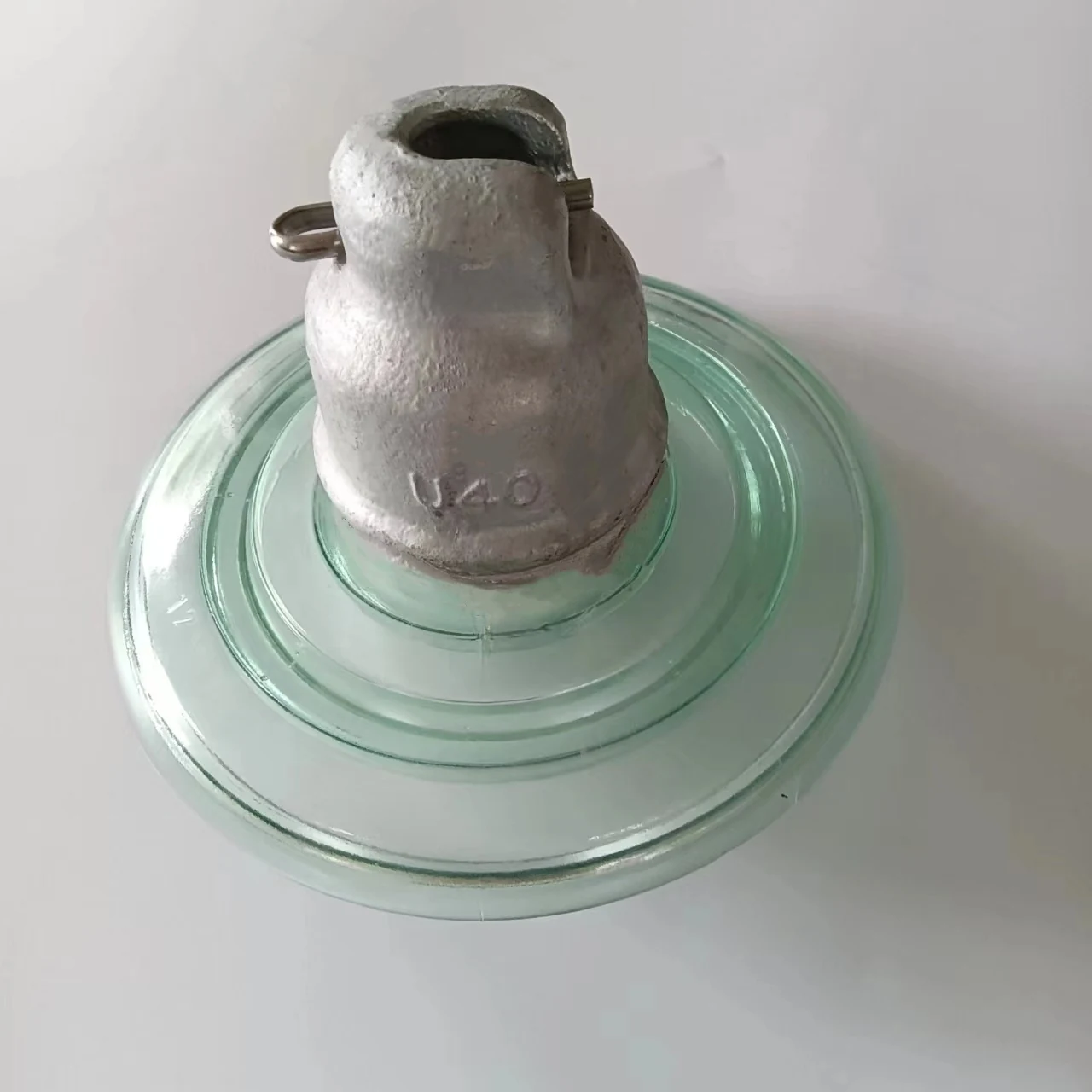
Glass Standard Profile Suspension Insulators LXP-120/ U120BL
120 kN Standard Profile Glass Disc for Clean Environment Lines
LXP-120 / U120BL is a 120 kN toughened glass disc on a 255 mm standard-profile shed, with 320 mm creepage, 146 mm spacing and a 16 mm coupling. It is the working unit for transmission strings in clean or lightly polluted air, where the extra creepage of a fog profile is not required and the 3.7 kg unit weight speeds up string assembly.
Key Benefits
- 120 kN failing load at only 3.7 kg per unit
- 255 mm shed keeps wind area and swing low on long strings
- 16 mm coupling matches common transmission hardware
- 100 kV dry lightning impulse withstand voltage
Technical Features
- 255 mm standard profile shed with 320 mm creepage
- 146 mm spacing, 16 mm ball and socket coupling
- 70 kV dry and 40 kV wet power-frequency withstand voltage
- 60 kN routine tension proof load
Published Figures for This Design
The values below are the catalogued figures for this type. Where a figure your specification needs is not listed, ask and we will confirm it in writing rather than estimate it.
| Diameter (D) | 255mm |
|---|---|
| Spacing (H) | 146mm |
| Creepage Distance | 320mm |
| Coupling Size | 16mm |
| Net Weight Each | 3.7kg |
| Mechanical Failing Load | 120kN |
|---|---|
| Tension Proof | 60kN |
| Dry Power-frequency Withstand Voltage | 70kV |
|---|---|
| Wet Power-frequency Withstand Voltage | 40kV |
| Dry Lightning Impulse Withstand Voltage | 100kV |
| Puncture Withstand Voltage | 130kV |
| Test Voltage RMS to Ground | 10kV |
|---|---|
| Maximum RIV at 1000 kHz | 50μV |
Application Scenarios
- 110 kV and 220 kV suspension strings in inland clean-air corridors
- Mountain and forest routes away from industrial fallout
- New line construction where pollution class is low
Who It Is For
- Transmission EPC contractors on inland routes
- Utilities standardising a clean-environment disc
- Distributors supplying line construction projects
Problems It Solves
- Fog profile discs paid for on routes that never see salt or heavy dust
- String weight on long suspension sets
- Punctured units that stay hidden in a porcelain string
How This Design Differs From the Alternatives
Compared With LXHP-120 / U120BP fog profile
Identical 120 kN rating and coupling, but 320 mm creepage instead of 450 mm; choose this one only where pollution is genuinely low.
Compared With LXP-70 / U70BL
Same shed and creepage at 120 kN instead of 70 kN, for heavier conductors on the same tower family.
Specifying and Installing This Unit
- Confirm the site pollution class before choosing a standard profile over a fog profile
- Size the string against the 60 kN tension proof value
- Keep sheds clean during storage so grit does not scratch the glass
- Inspect after the first winter and replace shattered shells
Questions About This Product
When should we not use a standard profile disc?
Where the site pollution class calls for a specific creepage that 320 mm per unit cannot meet within the available string length. In that case move to the fog profile equivalent.
Is the coupling the same as our existing 120 kN porcelain string?
If that string uses a 16 mm ball and socket, yes. Send the string drawing and we will confirm before you order.
What is the unit spacing?
146 mm, which is the figure to use when calculating total string length and tower window clearance.
How long do glass discs last in service?
Service life depends on loading and environment rather than on a fixed figure. What glass gives you is visible failure, so degraded units are removed on schedule instead of being found after an outage.
Can you supply to a GB or an IEC specification?
Yes. The design is catalogued under both LXP-120 and U120BL designations and we can quote against either specification.
Other Designs Buyers Compare With This One
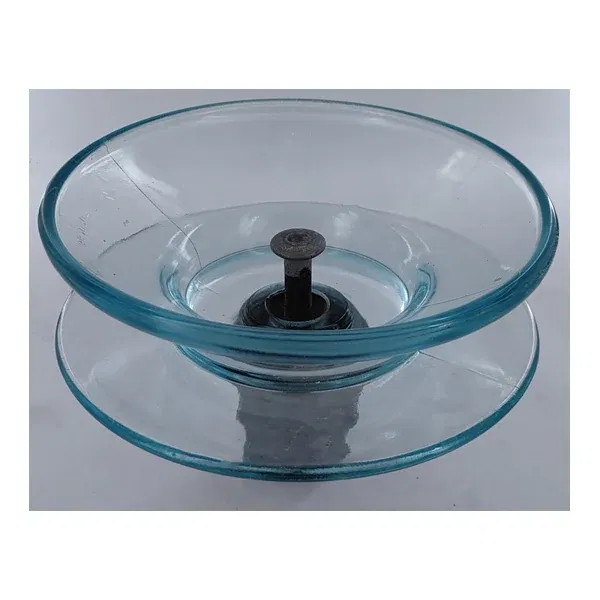
Double umbrella disk Suspension Insulators UG120B146/450D 16R
120 kN Double Umbrella Disc for Heavy Contamination
View specifications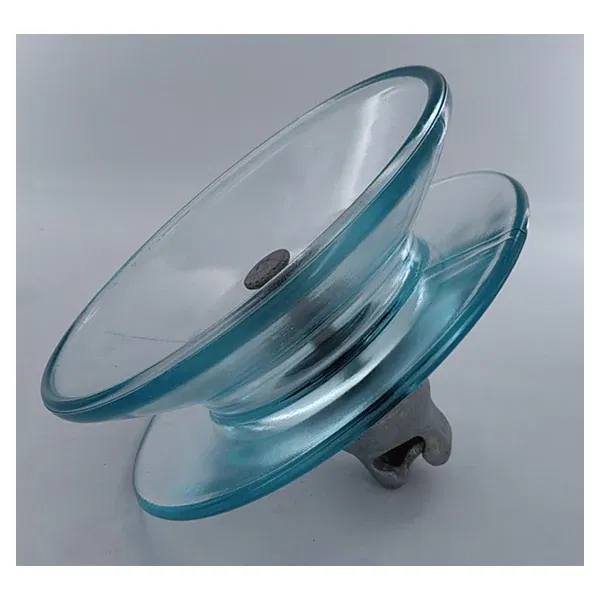
Double umbrella disk Suspension Insulators UG70B146/450D 16R
70 kN Double Umbrella Disc for Dust and Dew Conditions
View specifications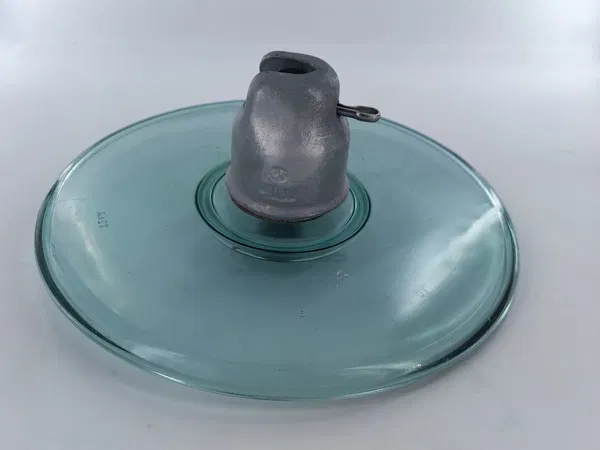
Glass Aerodynamic Profile Suspension Insulators LXAP-160 / U160A
160 kN Aerodynamic Glass Disc With a Self-Cleaning Shed
View specificationsRelated Industries
Related Guides
Request A Quote for Glass Standard Profile Suspension Insulators LXP-120/ U120BL
Send the quantity, the destination port and the standard you buy against. Routine test records ship with the goods and type test reports are available on request.