
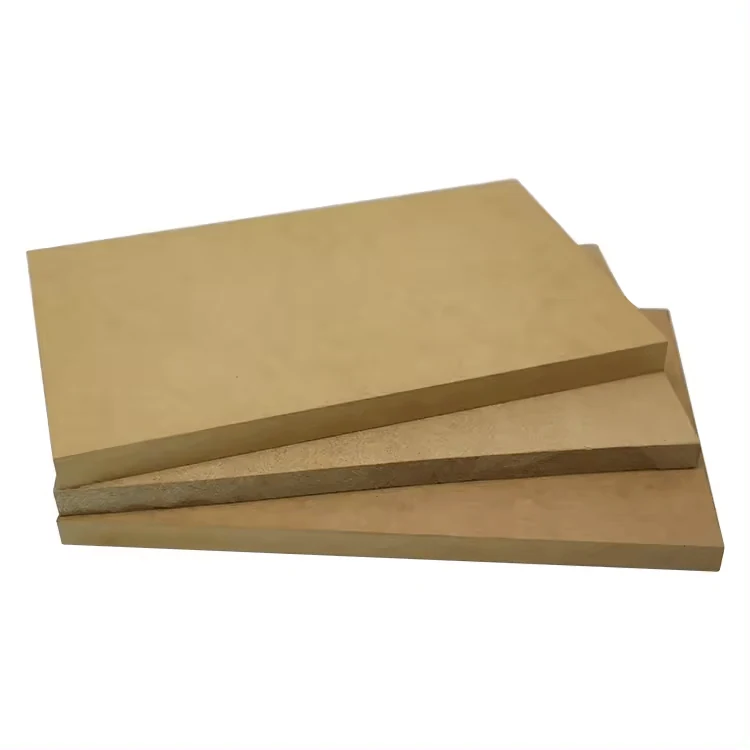
Is Medium-density Fiberboard (MDF) Strong Enough for Use in Furniture?
Many buyers compare medium-density fiberboard (MDF) and high-density fiberboard (HDF) when choosing furniture, cabinets, wall panels, or interior finishing materials. At first glance, these...
Overview
Many buyers compare medium-density fiberboard (MDF) and high-density fiberboard (HDF) when choosing furniture, cabinets, wall panels, or interior finishing materials. At first glance, these two products seem very similar. They both use wood fibers, offer a smooth surface, and are found in furniture factories worldwide. However, their internal structures differ significantly in performance, durability, and processing capabilities. Many buyers make the wrong choice here. Some focus only on price, others only compare density figures. But in actual projects, the application scenario is far more important than simple specifications. These differences become more apparent once production begins. The Real Meaning of MDF and HDF MDF stands for Medium-Density Fiberboard, and HDF stands for High-Density Fiberboard. Both products belong to engineered wood panels. Manufacturers produce them by compressing wood fibers with resin under high temperature and pressure. Although the manufacturing process may seem similar, the final board density differs, resulting in different properties.
What This Means In Practice
High-density fiberboard (HDF) uses finer fibers and higher compression pressure during production, resulting in a denser and harder board. Medium-density fiberboard (MDF), on the other hand, uses a lower density, making it easier to process and less expensive. Consumers often initially focus only on the surface appearance of the board, but in the long run, the internal structure becomes more important. Medium-Density Fiberboard Structure MDF uses medium-density wood fibers to form a stable and uniform board structure. Its smooth surface facilitates subsequent painting, veneering, and cutting. Furniture manufacturers often choose MDF because it is easy to process and allows for the creation of smooth and aesthetically pleasing decorative surfaces. In many interior furniture applications, MDF achieves a good balance between cost and practicality. HDF Structure High-density fiberboard (HDF) uses finer fibers and higher compression pressure, resulting in a denser internal structure and higher surface hardness. Due to its high density, HDF can withstand wear and surface stress more effectively. However, the higher density also increases the weight of the board and makes processing more difficult. Density Differences and Their Importance Density affects almost every aspect of board performance. Many buyers only compare thickness, but density often plays a more significant role in strength and durability.
How To Apply It
This is especially important in furniture production and long-term use. Higher density generally increases hardness and abrasion resistance, but it also increases weight and processing difficulty. Therefore, buyers should evaluate density in light of their specific application, rather than assuming that higher density is always better. In reality, high-density fiberboard (HDF) feels more compact and robust in use. However, its additional weight can sometimes increase transportation costs and handling difficulty. Medium-density fiberboard (MDF) remains easier to cut, drill, and shape during furniture manufacturing. Medium-density fiberboard (MDF) and high-density fiberboard (HDF) use similar raw materials, but their properties differ. MDF is easier to process and has a smoother surface; while HDF, with its higher density, has a more durable surface. Neither material is perfect for every project. The better choice depends on how you plan to use the board and which properties you value most.
Products Covered By This Guide
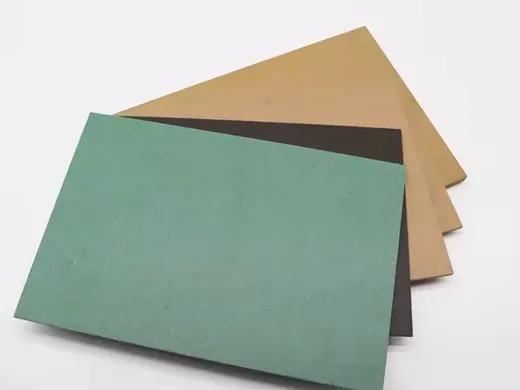
E2 Glue MDF Board
E2 Glue MDF Board is supplied at Tolerance +/-0.2mm (thickness<6mm), +/-0.3~0.5mm... thick, with MDF Board Size(mm)...
View Specification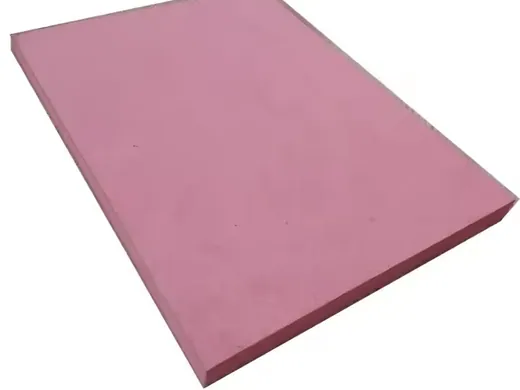
Red MDF Board
Red MDF Board is supplied at Tolerance +/-0.2mm (thickness<6mm), +/-0.3~0.5mm... thick, with WR,WBP,E0,E1,E2 glue...
View Specification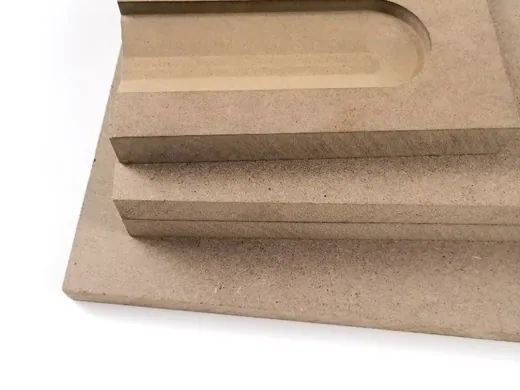
Fiberboard HDF
Fiberboard HDF is supplied at Tolerance +/-0.2mm (thickness<6mm), +/-0.3~0.5mm... thick, with WR,WBP,E0,E1,E2 glue...
View Specification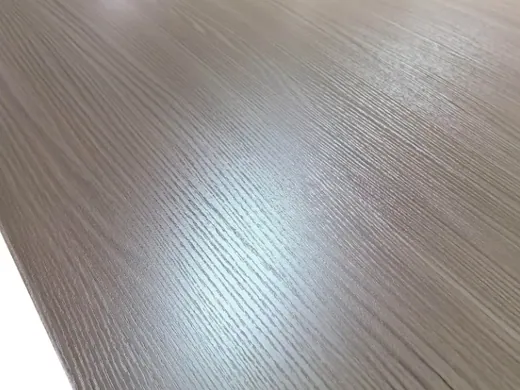
Melamine faced high density fiberboard
Melamine faced high density fiberboard is supplied at Tolerance +/-0.2mm (thickness<6mm), +/-0.3~0.5mm... thick, with...
View SpecificationHave A Question This Guide Did Not Answer
Send the application and the conditions the material has to handle, and you will get a specific answer rather than a brochure.