A spare bearing is only useful if it is still in specification when it is needed. Storage damage is common and entirely avoidable.
Leave It In The Packaging
The preservative film and the wrapping are the protection. Opening a bearing to look at it, then putting it back on the shelf, removes both. Open it at the machine, not in the store.
Humidity And Temperature
Store in a dry area at a stable temperature. Condensation is the enemy, and it forms when a cold part is brought into a warm humid room. Where the store is unheated, keep parts in sealed packaging with a desiccant.
Vibration
A stationary bearing subjected to vibration develops false brinelling at rolling element pitch. Do not store bearings on racking attached to a wall shared with compressors or presses, and do not leave them in a vehicle for long periods.
Position
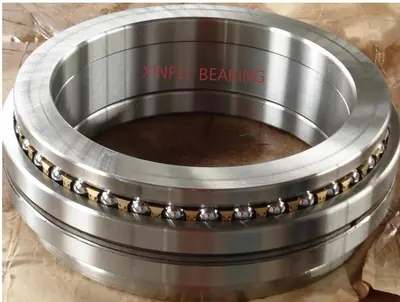
Store large bearings flat and fully supported, not standing on edge. A large ring resting on a point deforms over time.
Shelf Life
Ungreased bearings in intact preservative packaging keep for years. Greased and sealed bearings are limited by the grease, which ages whether the bearing runs or not. Rotate stock so the oldest is used first.
Packing As Delivered
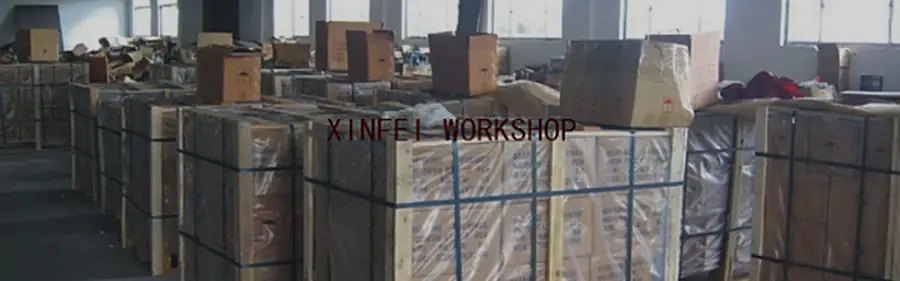
Consignments here are packed in wood boxes for heavy and large bore items and paper boxes for smaller parts, with rust preventive wrapping inside. Keeping that inner wrapping intact in your own store is the simplest preservation measure available.