Buying industrial parts across borders fails on specification and paperwork far more often than on manufacturing. This checklist covers what to confirm before the order and what to expect after it.
Confirm The Part In Writing
Agree the full designation including suffixes, the dimensions in millimetres or inches, the material, the cage, the precision class and the internal clearance group. A designation without suffixes is not a specification. Every product page on this site lists the specification rows recorded for that item, and anything not listed should be asked about rather than assumed.
Ask What Is Actually In Stock
Stock and made to order are different lead times and should be quoted as different lines. The standard delivery statement in the specification tables here is stock in about three days and non stock in about twenty to twenty five days. Ask which one applies to your line.
Agree Marking And Packing
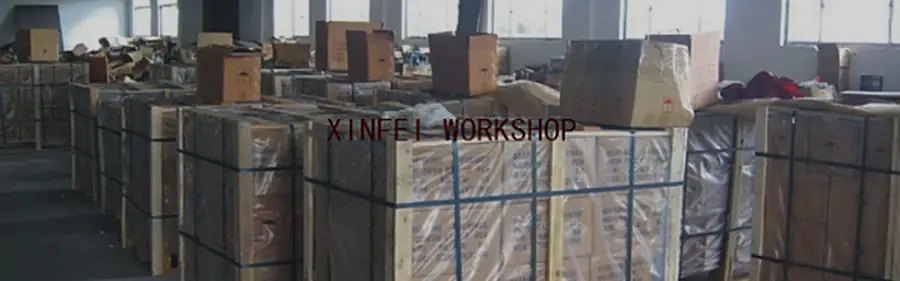
Decide whether the parts carry the AFA brand, neutral packing, or your own marking, and whether they ship in wood boxes or paper boxes. Wood boxes are used for heavy and large bore items and paper boxes for small parts.
Payment And Documents
L/C, T/T and Western Union are the standard terms, with PayPal available on small orders. Confirm before shipping which documents your customs office requires, and have the commercial invoice and packing list prepared in advance.
Choose The Freight Mode Deliberately
Express through DHL, TNT, FedEx or a similar service suits small urgent items. Air suits medium consignments. Sea and rail suit heavy or large volume orders where the lead time is planned. On a mixed order it is often cheaper to split urgent lines onto express and let the rest follow.
Keep A Record For The Repeat Order
Record the designation, the supplier reference and the specification you agreed. A repeat order against a recorded specification arrives the same as the first one; a repeat order against a description does not.