The cage does not carry load, so it is easy to overlook. It does set the speed limit, the temperature limit and how the bearing behaves when it is briefly unloaded, which makes it one of the more consequential lines in a specification.
What The Cage Actually Does
It keeps the rolling elements evenly spaced, stops them touching each other, guides them through the unloaded zone, and on separable designs holds the roller set together during handling. Cage failure is usually a symptom of something else, most often misalignment, insufficient load or contaminated lubricant.
Brass
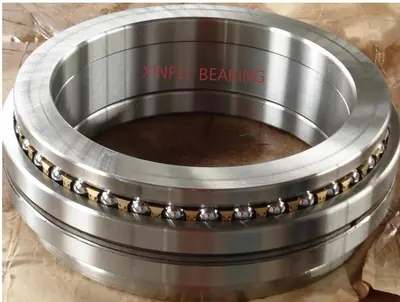
Machined brass cages tolerate high temperature, resist most lubricant additives and survive shock and vibration better than pressed alternatives. They are the usual choice in large bore, high load and high temperature positions, and are visible as the golden rings in the production photographs on this site.
Steel
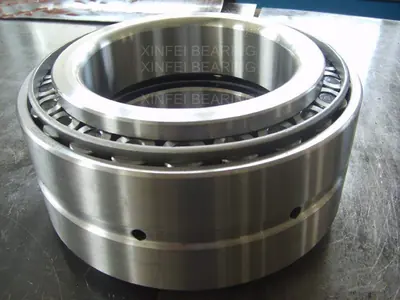
Pressed steel cages are light, inexpensive and suitable for a very wide range of ordinary applications. Machined steel cages are used in large tapered and thrust assemblies where strength matters more than weight.
Polyamide And Bakelite
Polyamide cages run quietly, weigh little and tolerate momentary misalignment well. Their limit is temperature; sustained operation above roughly 120 degrees Celsius ages the material, and some synthetic lubricants accelerate that. Bakelite is used in some spindle and high speed positions.
Choosing
| Cage | Speed | Temperature | Shock | Typical use |
|---|---|---|---|---|
| Machined brass | High | High | Good | Large bore, mill, extruder |
| Pressed steel | Medium | Medium | Fair | General purpose |
| Machined steel | Medium | High | Very good | Four row tapered, thrust |
| Polyamide | High | Limited | Good | Motors, quiet running |