
Published 2026-07-07
Colour Difference in Webbing Production and How to Control It
The five types of colour difference in narrow fabric, what causes each one, and the controls that prevent them.
Color difference in webbing/tape during production and application is a common quality pain point in the textile industry. The following analysis covers three dimensions: Types, Causes, and Prevention & Control Measures.
I. Common Types of Color Difference
| Type | Description |
| Inter-batch Variation (Batch/Lot Difference) | Inconsistency in shade depth or hue between different dyeing batches (vats). |
| Intra-batch Variation (End-to-End/Sectional Difference) | Chromatic aberration occurring at the beginning vs. end, left vs. right sides, or between layers of the same roll of webbing. |
| Side-to-Center Difference | Color inconsistency between the edges and the center of the webbing (common in wide webbing). |
| Face-to-Back Difference | Different dye uptake on the front versus the back side of plain weave or rib weave webbing. |
| Storage/Aging Discoloration | Yellowing or fading caused by light exposure, humidity, or acidic/alkaline environments over time. |
II. Main Causes
1. Raw Material Factors
- Variations in yarn lot numbers (e.g., Polyester/Nylon/Cotton) lead to different dye absorption rates.
- Inconsistent whiteness of yarn, especially critical when dyeing light colors after bleaching.
2. Dyeing Process
- Fluctuations in dyeing temperature, duration, and pH levels.
- Errors in weighing dyestuffs/auxiliaries or drift in color matching formulas.
- Uneven temperature distribution or flow rate inside the dye vat (common in overflow/jet dyeing machines).
- Inconsistent temperatures between pre-setting and heat-setting processes.
3. Weaving Factors
- Uneven tension inconsistent fabric density varied dye uptake.
- Wide webbing is prone to side-to-center shading issues due to tension variations across the width.
4. Finishing
- Application of sizing agents, softeners, or water-repellent finishes affecting surface color appearance.
- Excessive heat-setting duration causing slight yellowing (particularly in light-colored polyester).
5. Inspection Environment
- Visual discrepancies under different light sources (natural daylight vs. fluorescent lamps vs. UV light), known as metamerism.
III. Prevention & Control Measures
✦ Customer / Order Placement Stage
- Confirm Standard Color Standards:
Approve and seal Lab Dips / Salesman Samples with signatures. Specify:
- Permissible ∆E Tolerance (Typically ∆E ≤ 0.8–1.0 for light shades; ∆E ≤ 1.0–1.5 for dark shades).
- Light Source Conditions (D65 / TL84 / CWF, etc.).
- Acceptance of Metamerism.
- Consolidate Orders: Place orders for the full quantity required in one batch to minimize multi-batch dyeing.
✦ Production Control
- Require the factory to:
- Combine Orders in One Vat: Use the same dyeing machine and temperature curve for the entire order.
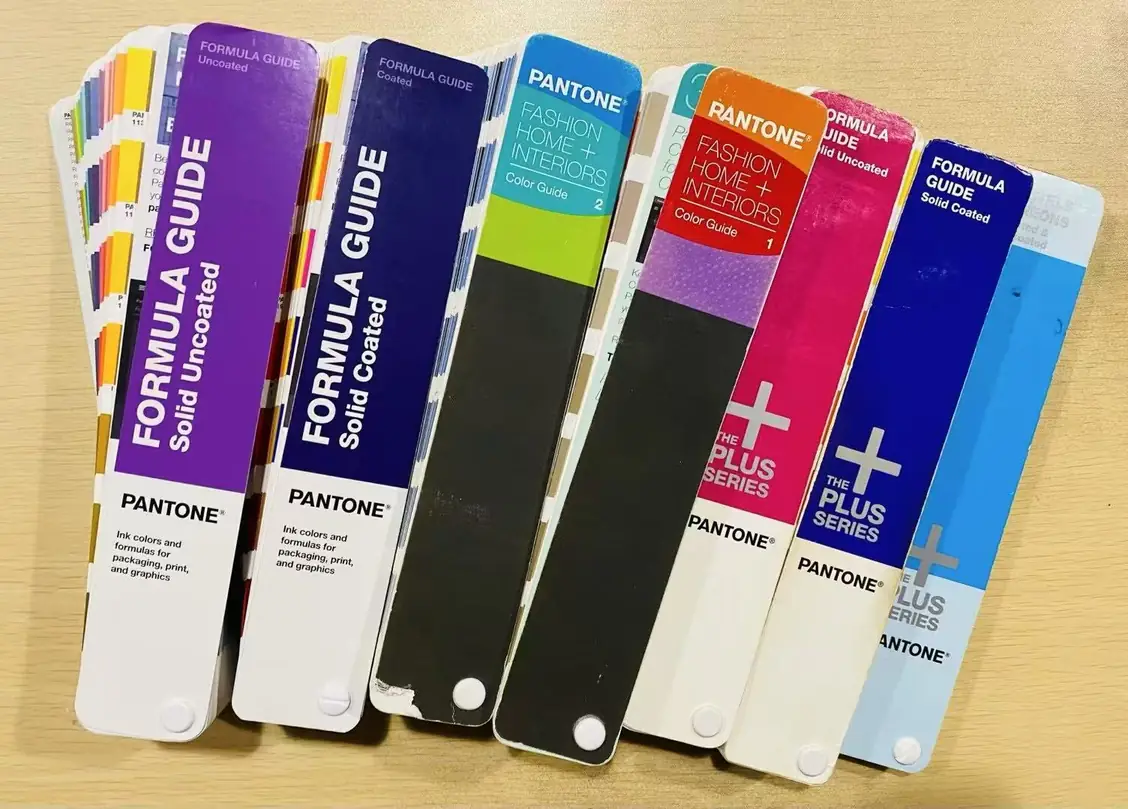
- Pre-production Sampling: Conduct bulk trials (Lab Dips) before bulk dyeing and measure ∆E using a spectrophotometer.
- Optimize for Width: Select appropriate dyeing machines for wide webbing; adjust fabric speed/nozzle pressure to reduce side-to-center differences.
- Cooling Protocol: Ensure adequate cooling after heat-setting to prevent thermal residual yellowing.
- https://weiyewebbing.com/?p=1432
Related Range
More Articles
Put This Into A Specification
If you are choosing between two fibres for a strap, tell us the application and we will say which one we would weave and why.