
Polypropylene Webbing
The lightest webbing in common use, dope dyed for colour that cannot wash out and priced for high volume assembly.
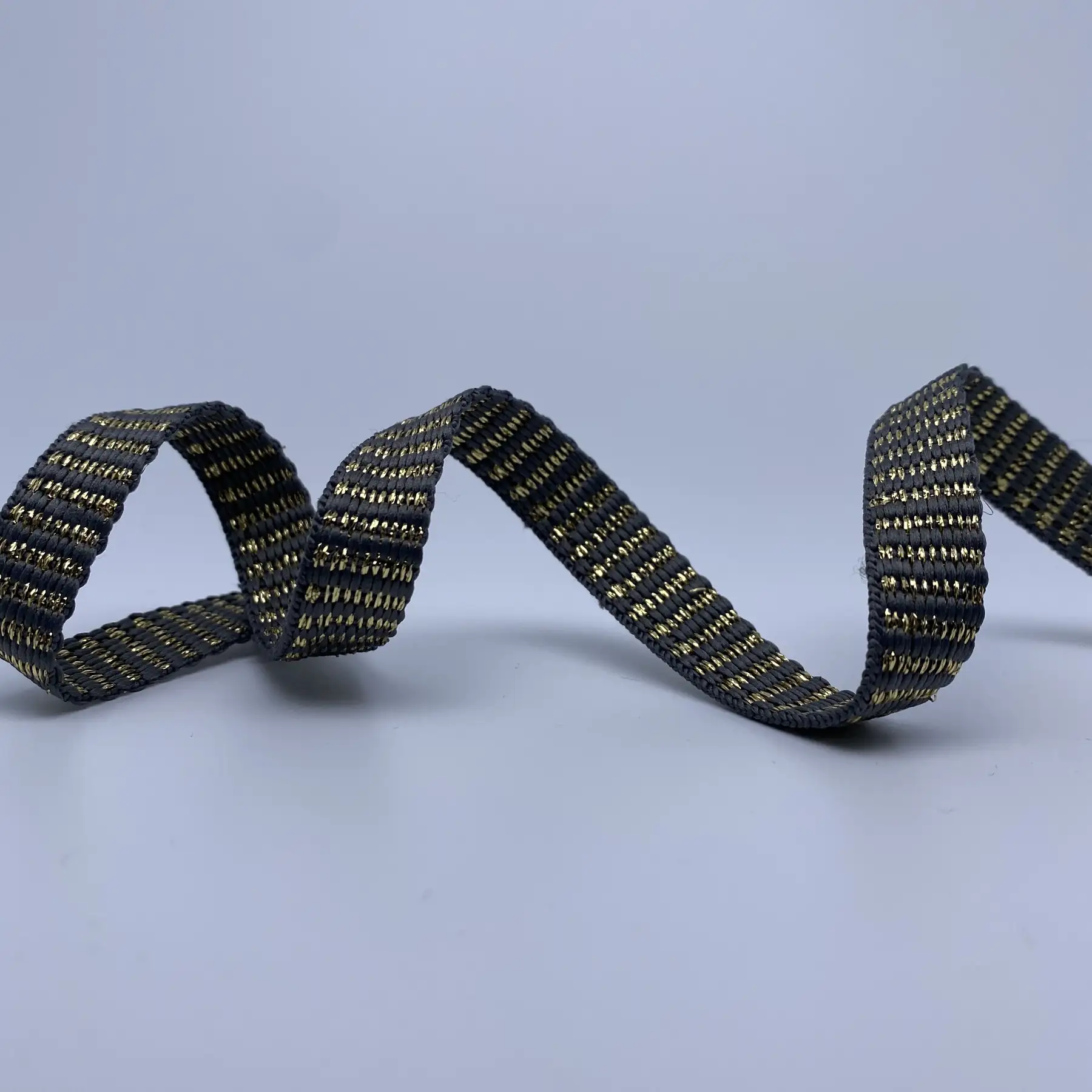
Every PP Tape Reference We Weave
Polypropylene is the lightest of all chemical fibres at 0.90 to 0.92 grams per cubic centimetre, around 20 per cent lighter than nylon and 30 per cent lighter than polyester. For bags, pet goods and packaging straps shipped by air, that difference shows up on the freight invoice.
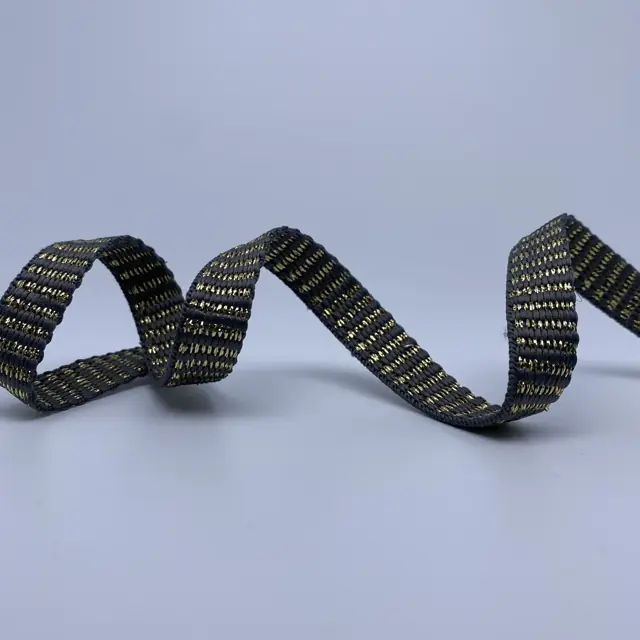 PP Tape
Polypropylene Webbing Tape No 1
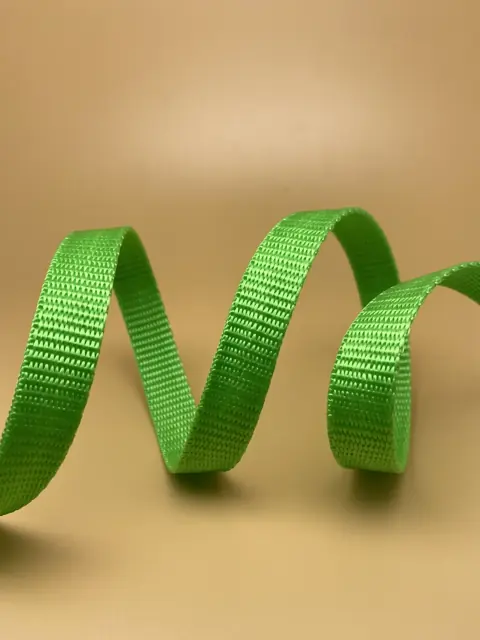 PP Tape
Polypropylene Webbing Tape No 2
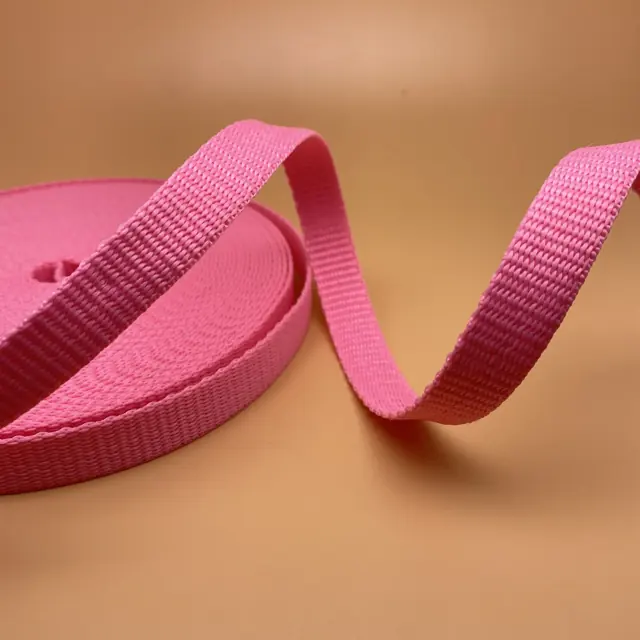 PP Tape
Polypropylene Webbing Tape No 3
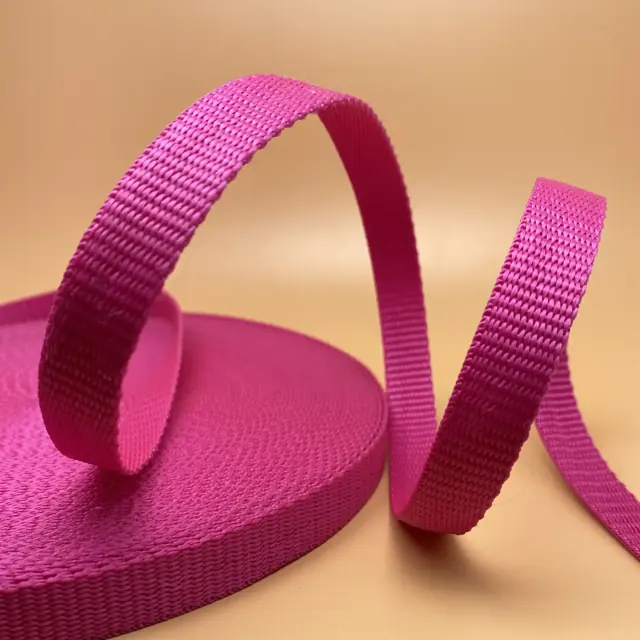 PP Tape
Polypropylene Webbing Tape No 4
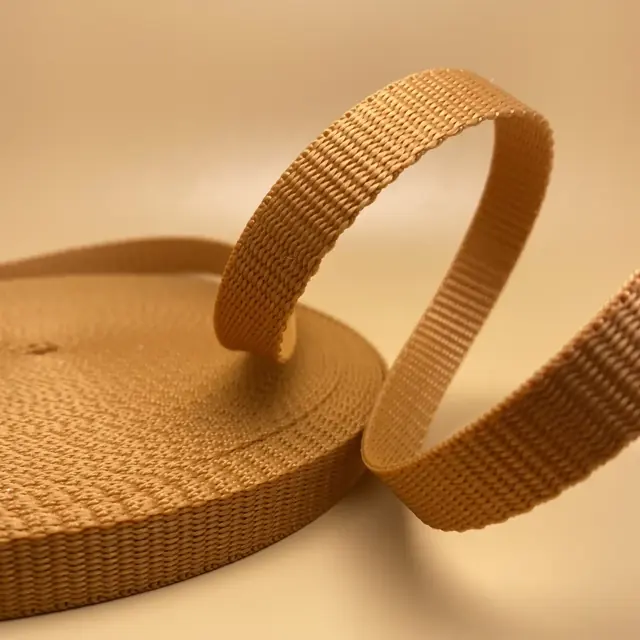 PP Tape
Polypropylene Webbing Tape No 5
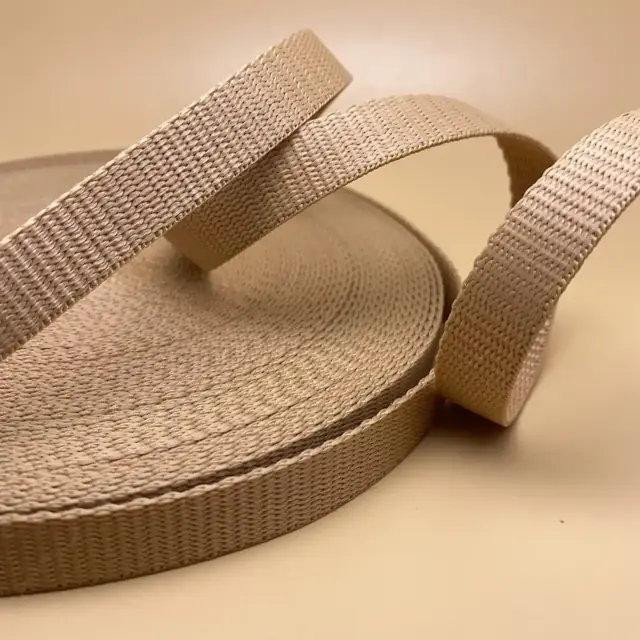 PP Tape
Polypropylene Webbing Tape No 6
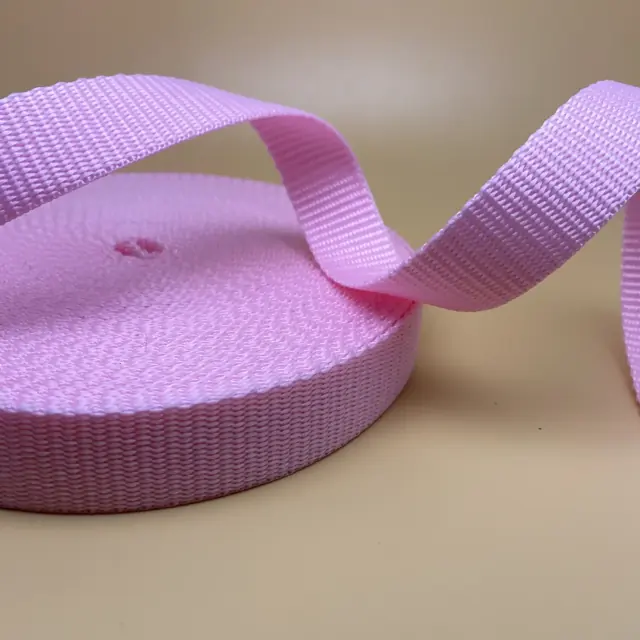 PP Tape
Polypropylene Webbing Tape No 7
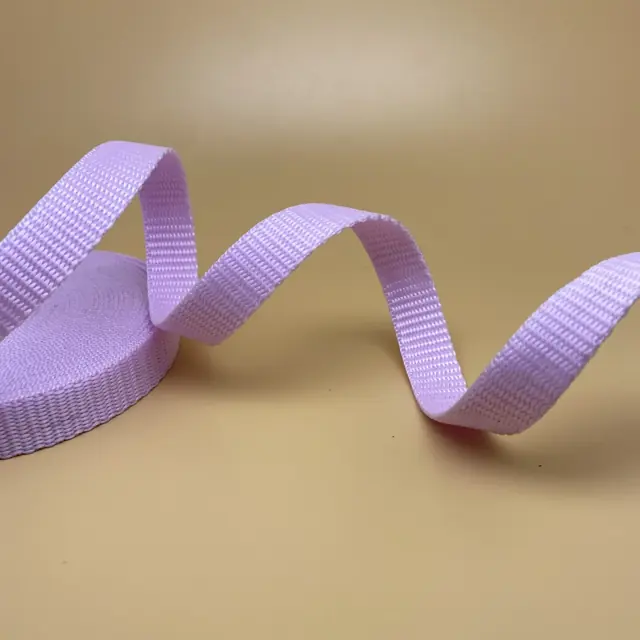 PP Tape
Polypropylene Webbing Tape No 8
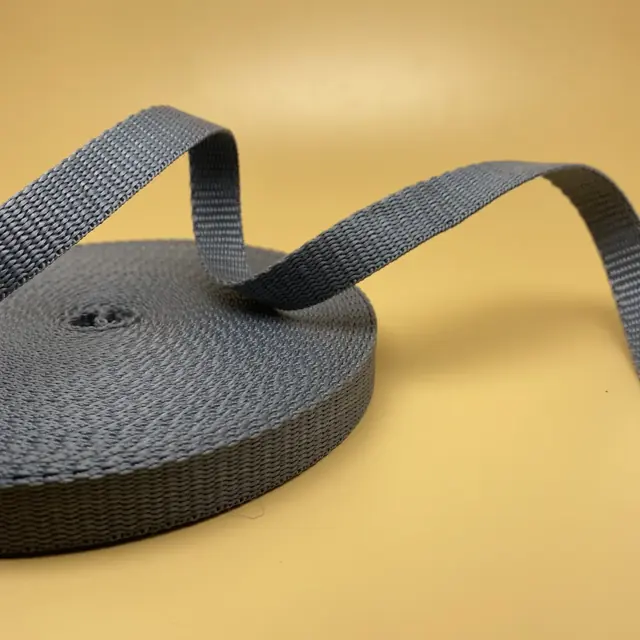 PP Tape
Polypropylene Webbing Tape No 9
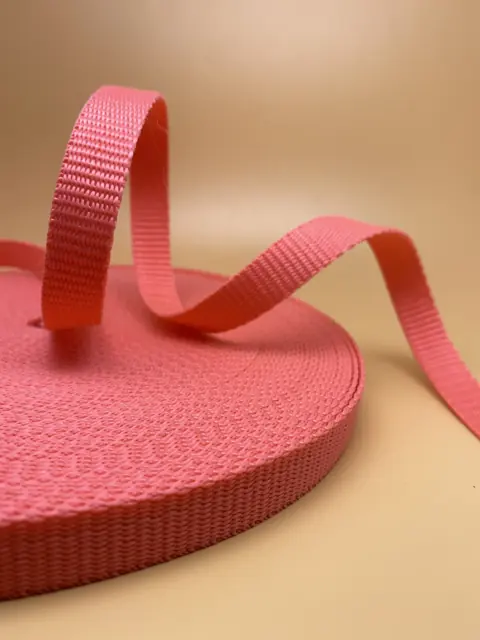 PP Tape
Polypropylene Webbing Tape No 10
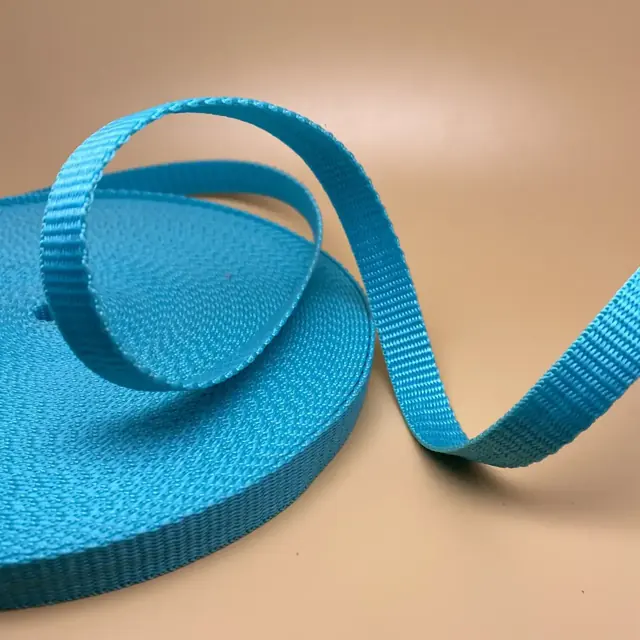 PP Tape
Polypropylene Webbing Tape No 11
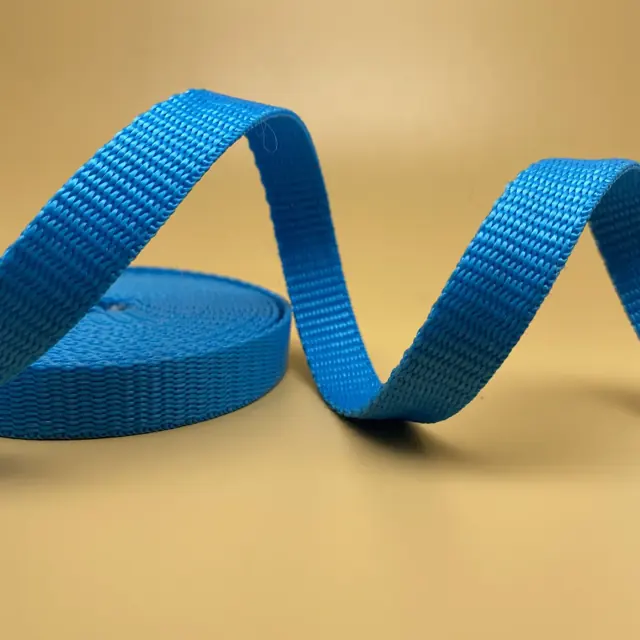 PP Tape
Polypropylene Webbing Tape No 12
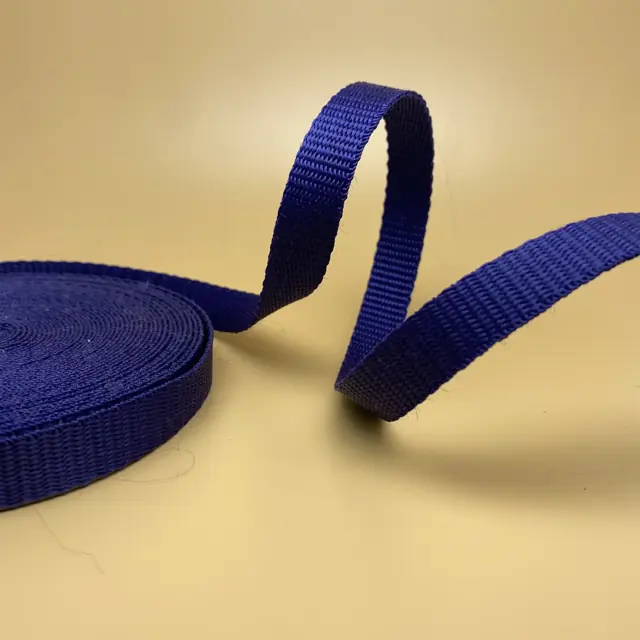 PP Tape
Polypropylene Webbing Tape No 13
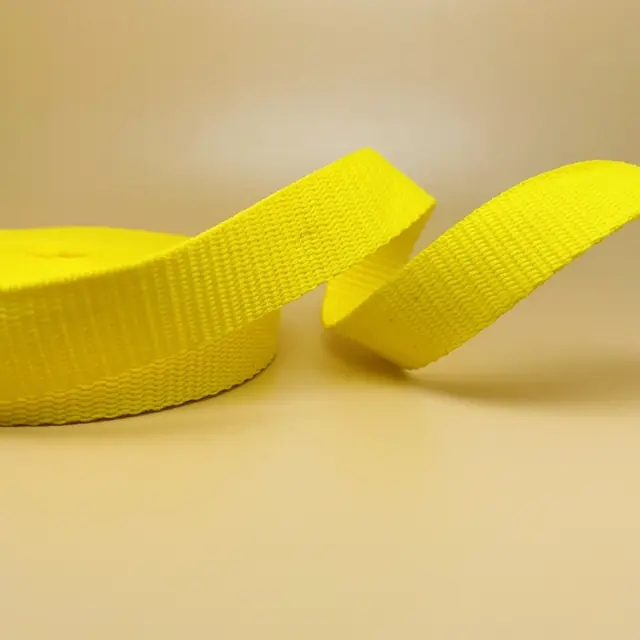 PP Tape
Polypropylene Webbing Tape No 14
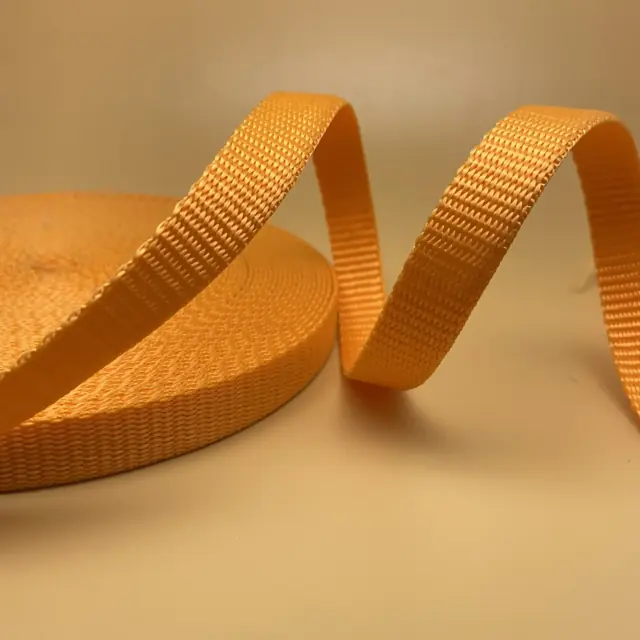 PP Tape
Polypropylene Webbing Tape No 15
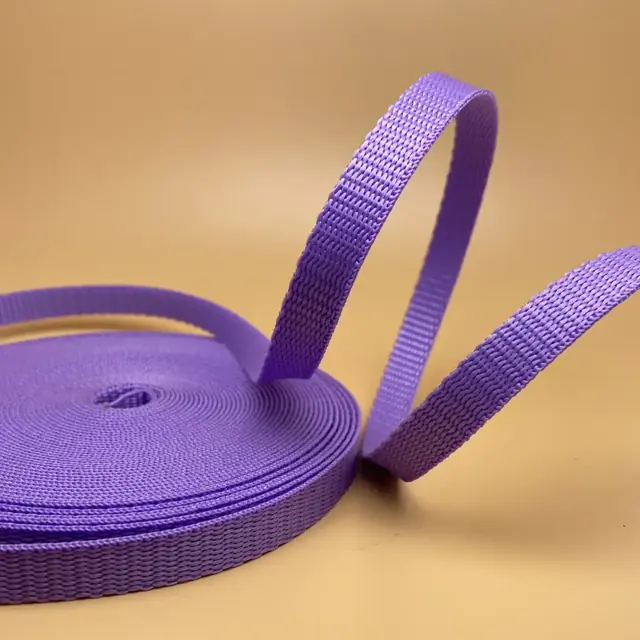 PP Tape
Polypropylene Webbing Tape No 16
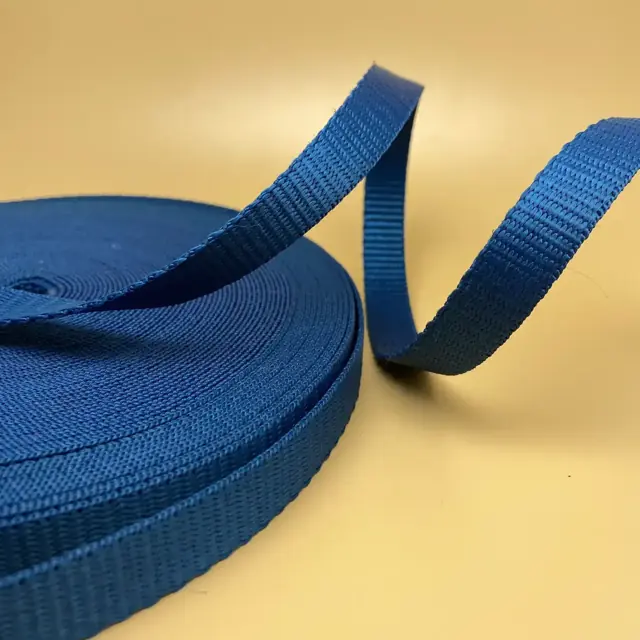 PP Tape
Polypropylene Webbing Tape No 17
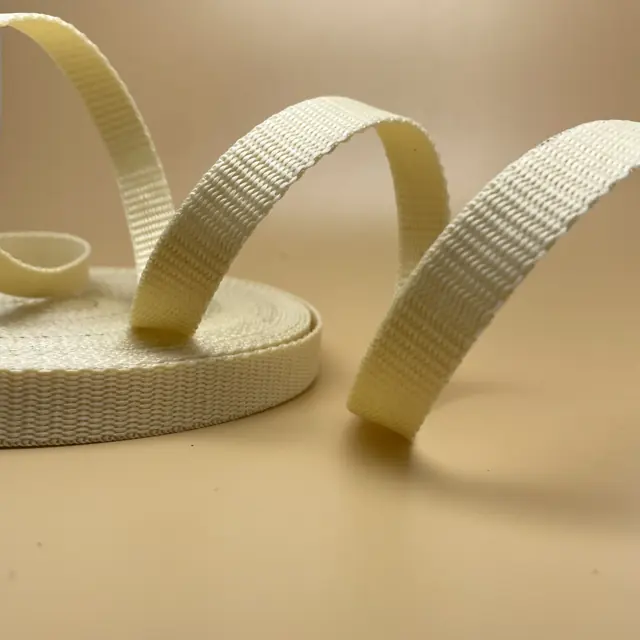 PP Tape
Polypropylene Webbing Tape No 18
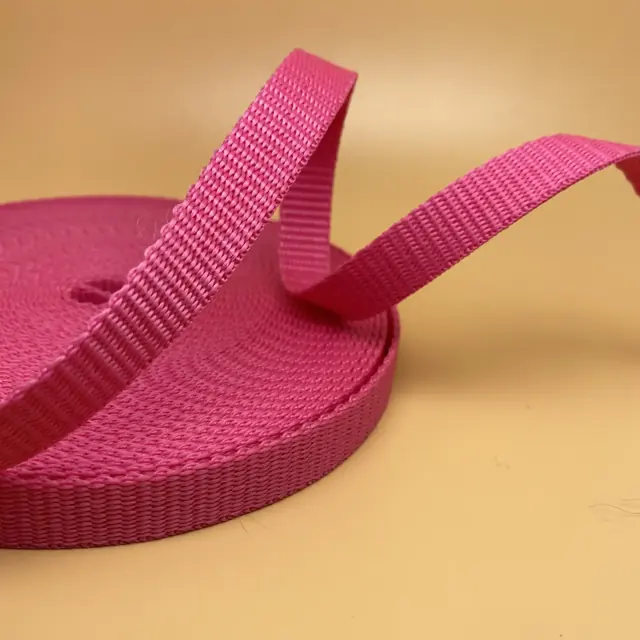 PP Tape
Polypropylene Webbing Tape No 19
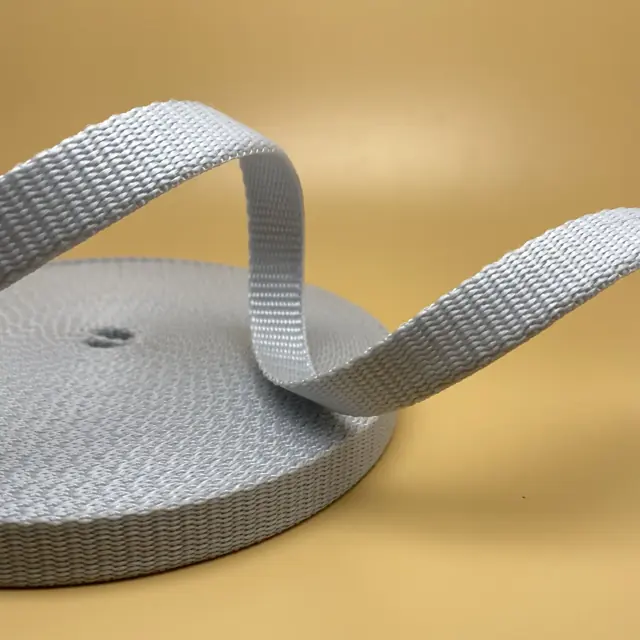 PP Tape
Polypropylene Webbing Tape No 20
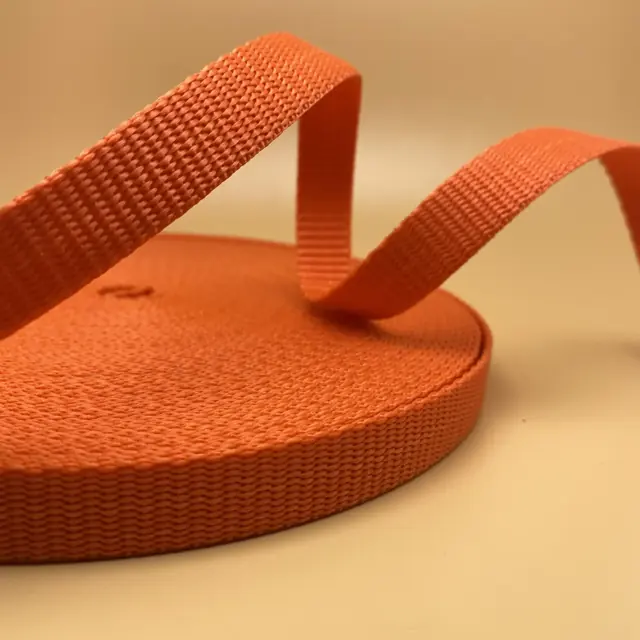 PP Tape
Polypropylene Webbing Tape No 21
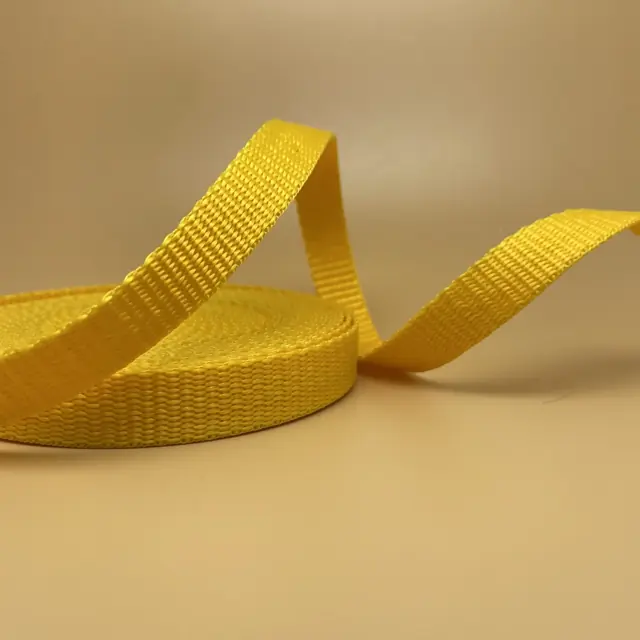 PP Tape
Polypropylene Webbing Tape No 22
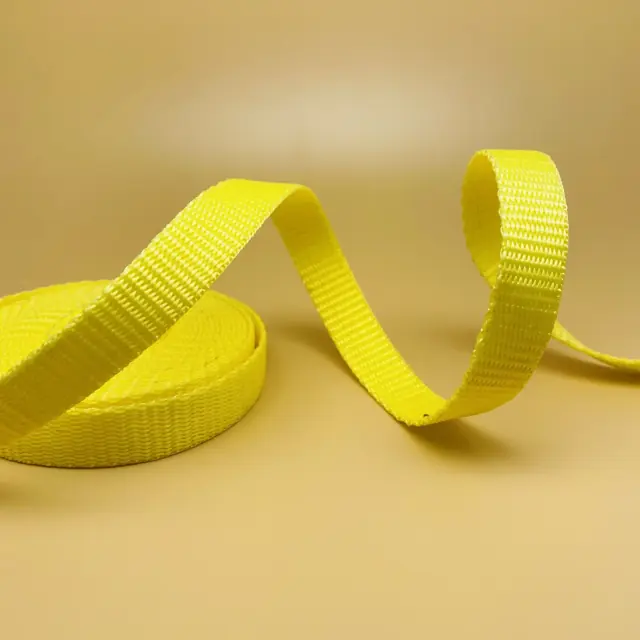 PP Tape
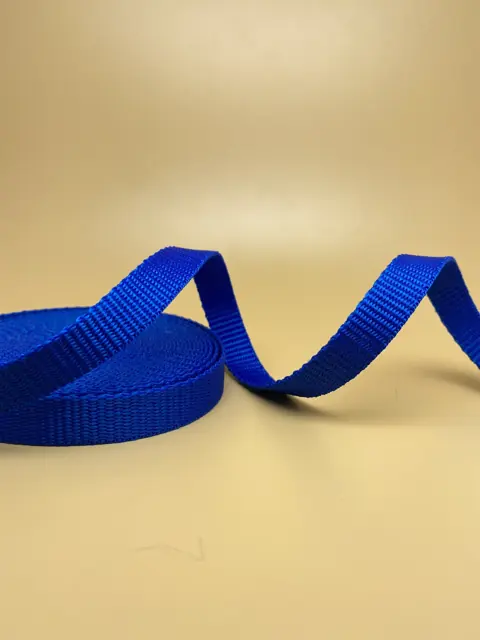
Polypropylene Webbing Tape No 24
 PP Tape
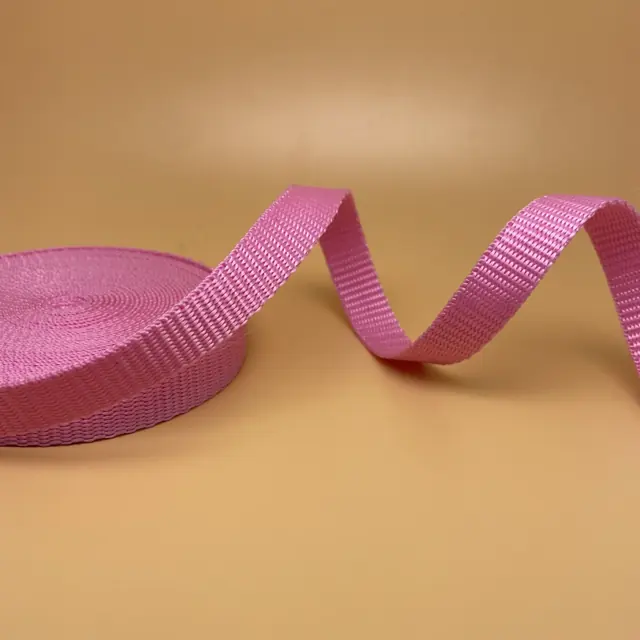
Polypropylene Webbing Tape No 25
 PP Tape
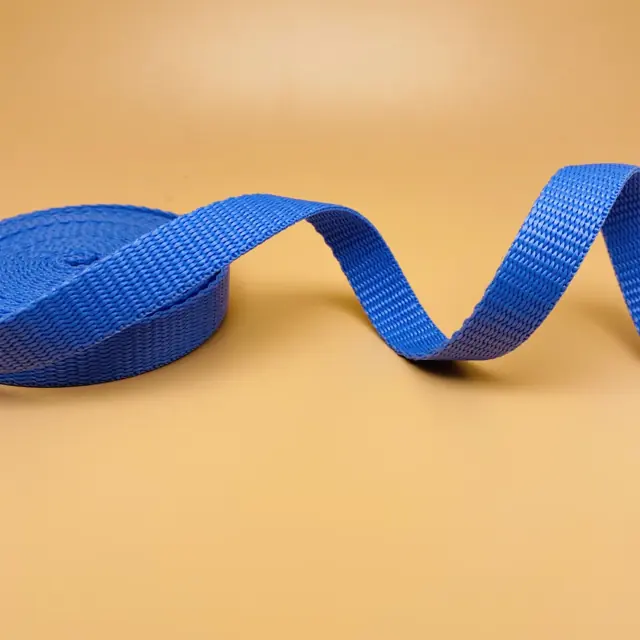
Polypropylene Webbing Tape No 26
 PP Tape
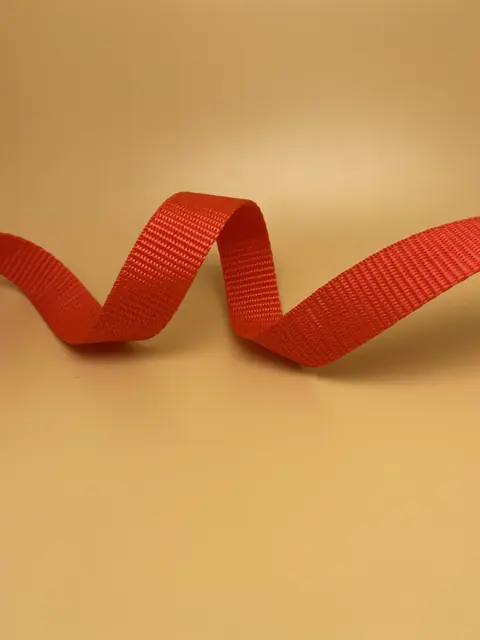
Polypropylene Webbing Tape No 27
 PP Tape
Polypropylene Webbing Tape No 28
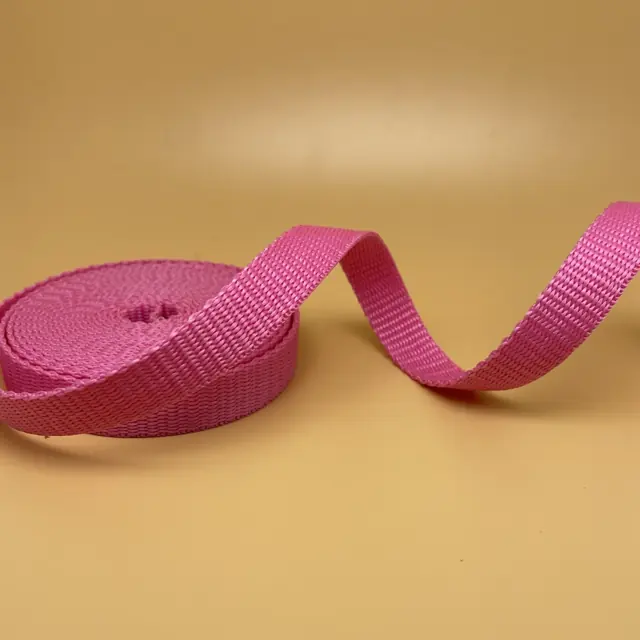 PP Tape
Polypropylene Webbing Tape No 29
Problems This Range Solves
- Freight cost driven up by heavy hardware and heavy webbing
- Straps that rot or mildew in damp storage or outdoor use
- Dyed tape that bleeds colour onto a light coloured shell fabric
- Chemical exposure that degrades ordinary webbing on the line
Who Specifies It
- Bag and case factories controlling shipped weight per unit
- Packaging and strapping converters buying by the tonne
- Pet product brands needing tape that washes and dries fast
- Furniture and garden goods assemblers working outdoors
Where It Is Used
- Tote and shopping bag handles
- Packaging and bundling straps
- Pet leads, harnesses and collars
- Garden furniture and deckchair webbing
- Low cost lanyards and promotional straps
- Cargo and luggage tie-downs
Why This Construction
- Density of 0.90 to 0.92 g per cubic centimetre, the lightest of all chemical fibres
- Equal strength wet and dry, which is why the fibre is used for fishing net and cable
- Resilience comparable to nylon and wool, well above polyester and viscose
- Naturally resistant to microbial attack and immune to wormhole damage
- Chemical resistance better than ordinary textile fibres
- Moisture regain under 0.03 per cent, so the tape is quick to wash and quick to dry
Materials We Weave It From
- Polypropylene filament, dope dyed with pigment added to the melt
- Anti-ageing agent added at spinning where the strap will live outdoors
- Fine denier polypropylene where wicking and fast drying matter
What You Can Change
- Any width to your drawing, thickness 0.65 mm to 2.5 mm
- Dope dyed colour matched to a Pantone reference
- Computer jacquard logo or post-weave silk screen printing
- Soft or firm hand set during finishing
- Bulk packing to your carton and roll specification
How A PP Tape Order Runs
- Pigment selection and melt dyeing
- Filament spinning and drawing
- Warping and weaving
- Controlled heat setting below the melt point
- Width and tensile check
- Rolling, measuring and packing
How It Compares
Polypropylene saves roughly 30 per cent of the weight and costs less, but its melting point is only 165 to 173 degrees Celsius and its light and heat ageing resistance is poorer. Choose polyester where the strap lives in sunlight.
Polypropylene will not mildew and dries almost instantly, which cotton cannot do. Cotton still wins where a natural hand or later garment dyeing is required.
Polypropylene is 20 per cent lighter and far cheaper, with similar wet strength. Nylon has the better abrasion life and takes conventional dye.
Quality Control On This Range
- Heat setting held well below the 165 to 173 degree melting range to protect the hand
- Tensile checked on the finished tape rather than on the yarn alone
- Pigment lot recorded against your order so a repeat matches the first run
- SGS testing arranged on request before shipment
Using It Well
- Do not iron or hot press the tape; the fibre softens close to 165 degrees Celsius
- Specify an anti-ageing additive when the strap will be permanently outdoors
- Expect some static during cutting and sewing and earth your equipment accordingly
- For light shell fabrics ask for dope dyed rather than surface dyed tape
Industries
Background Reading
Orders That Ran Through This Range
A Holiday Order Sprint Air Freighted to Cambodia
An urgent order landed days before a national holiday with a fixed 10 May deadline and an air freight booking already made. The factory rescheduled the break rather than move the date.
Honouring Quoted Prices Through a Raw Material Spike
First quarter polyester webbing orders were accepted before the New Year. Yarn prices moved sharply afterwards. The quoted prices stood.
Questions Buyers Ask About Polypropylene Webbing
How much lighter is polypropylene webbing than polyester
About 30 per cent. Polypropylene sits at 0.90 to 0.92 grams per cubic centimetre against polyester at roughly 1.38 to 1.40, which is why it is the lightest fibre in general textile use.
Will polypropylene webbing fade outdoors
Its light and heat ageing resistance is weaker than polyester. Adding an anti-ageing agent during spinning improves it considerably, and we do that as standard for straps you tell us will live outside.
Can polypropylene webbing be dyed after weaving
Not reliably. The fibre has almost no moisture regain, under 0.03 per cent, and is the hardest of the chemical fibres to dye conventionally. We colour it by adding pigment to the melt before spinning, which is why the colour cannot wash out.
Is polypropylene webbing strong enough for load bearing straps
Its strength is similar to polyester and nylon and it is the same wet as dry, which is why the fibre is used for fishing net and cable. Dimensional stability is the weaker point, so we do not recommend it where a fixed length under tension is critical.
Quote Us A Width And We Will Quote You A Date
Polypropylene Webbing is made to order. Send the width, the thickness and a colour reference and the quotation comes back with a delivery date attached.