
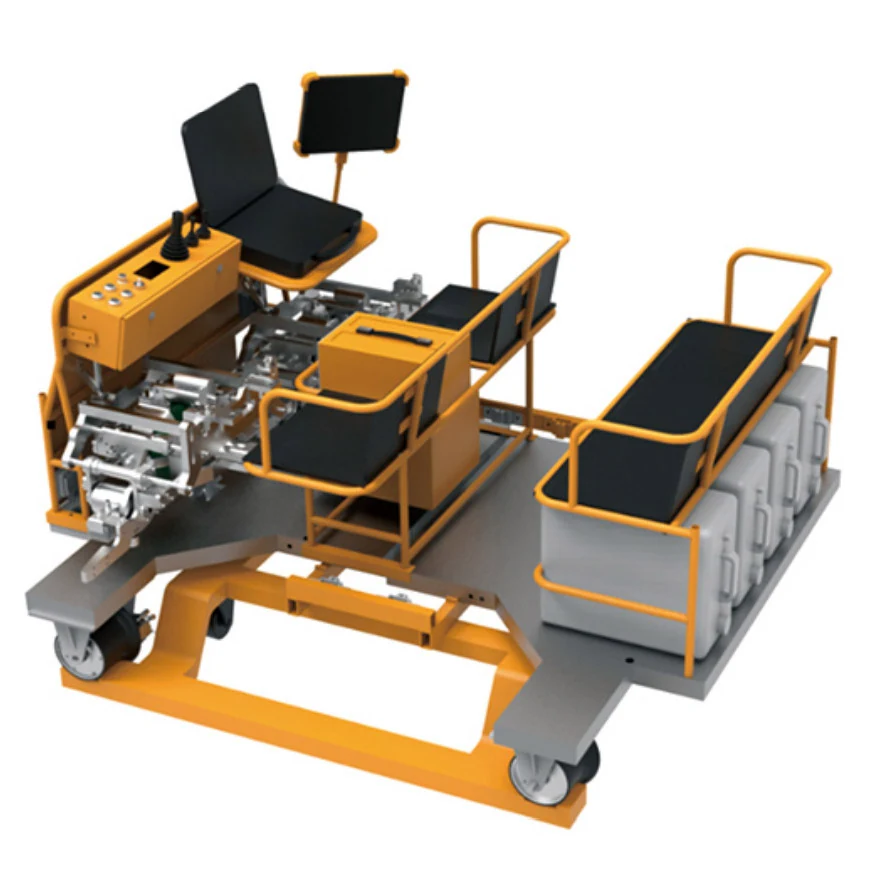
RS-20 Integrated Rail State Inspection Vehicle
The RS-20 is a portable, integrated rail state inspection vehicle designed to replace manual track patrols with automated image-based detection. It captures high-speed HD images of the rail surface and surround
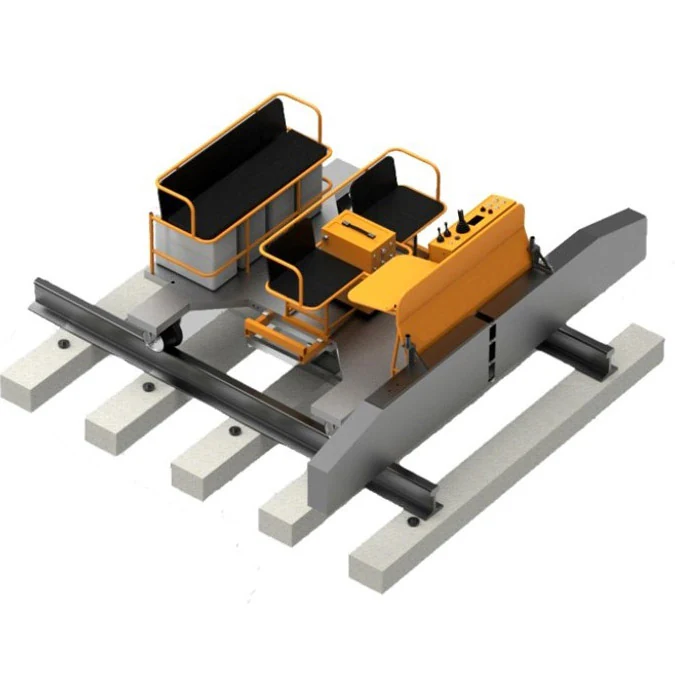
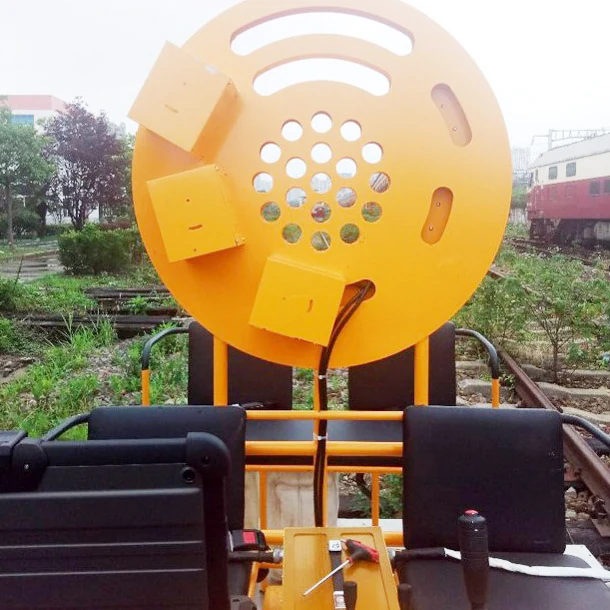
RS-20 Integrated Rail State Inspection Vehicle
The RS-20 is a portable, integrated rail state inspection vehicle designed to replace manual track patrols with automated image-based detection. It captures high-speed HD images of the rail surface and surrounding track environment from three angles using a wire-array camera system. The system processes images in real time to identify visible abnormalities and supports playback for expert review. It operates on a 1200W motor with lithium battery power, has a 60 km or 4 hour endurance, and can be assembled by four people in under five minutes.
- Automatically detects visible track surface and substructure abnormalities without manual walking
- Captures continuous, undistorted HD images from three angles using wire-array cameras
- Image processing software identifies anomalies and supports playback for expert review
- Assembled weight under 131 kg with no single module exceeding 48 kg
- Assembly time under five minutes by four people, no lifting equipment required
- Endurance of not less than 60 km or 4 hours of continuous operation per shift
Problems It Solves
- Manual walking inspection is slow, inconsistent and cannot cover long distances in one shift
- Visible track defects such as rail surface spalling, misalignment, or debris are missed during visual checks
- Paper-based or unstructured inspection records cannot be replayed or verified later
- Tunnel and under-bridge sections are difficult to inspect thoroughly with manual methods
- Lack of standardized image data prevents comparison across inspections or teams
Who It Is For
Railway bureaus seeking to automate track patrol and reduce reliance on walking inspections
Metro operators requiring consistent, repeatable inspection data during short night windows
Rail maintenance contractors covering multiple lines with limited on-site personnel
Port and mine operators maintaining heavy haul industrial tracks with frequent wear
Application Scenarios
- Routine automated inspection of state-owned main line track during scheduled possession windows
- Periodic monitoring of private and industrial railway lines where manual inspection is slow
- Track condition assessment in tunnels and under bridges where visibility is limited
- Urban metro track inspection during night maintenance hours with minimal crew
- Follow-up verification after rail grinding, welding or track replacement
Technical Features
- Wire-array camera system captures undistorted rail images from three angles
- Rail monitoring system includes image acquisition box and software for collection and playback
- Rail bed patrolling system uses tunnel detection image collection box for substructure imaging
- Software includes image collection control, playback, automatic identification, and data management
- Tunnel inspection software supports image data analysis and management
- Battery protection system includes over current, over pressure, under pressure, and short circuit protection
- Speed cruise function maintains consistent detection speed during operation
- Mileage accuracy of 1‰ ensures reliable distance tracking for defect location
- Parking slope capability of up to 35‰ with water tank filled for stability
Technical Specifications
| Assembled Size | 1800 * 1800 * 900 mm |
|---|---|
| Total Assembled Weight | 131 kg |
| Single Module Weight | Less than 48 kg |
| Assembly Time | Less than 5 minutes (4 persons) |
| Slope Capacity | Maximum 35‰ |
| Motor Power | 1200W |
| Endurance | Not less than 60 km or 4 hours continuous operation |
| Maxim Running Speed | 20 km/h |
| Speed Cruise | Included |
| Mileage Accuracy | 1‰ |
| Parking Slope | Less than 35‰ with water tank filled |
| Battery Protection | Over current, over pressure, under pressure, short circuit protection |
| Camera Type | Wire-array camera for non-deformed image capture |
| Image Capture Angles | Three angles for rail and surrounding track |
How It Is Operated
Assemble the vehicle modules on track using four personnel within five minutes
Fill the coupling water tank and power on the system
Start the image acquisition software and begin inspection at cruising speed
The system captures rail surface and substructure images from three angles
Anomalies are flagged automatically and recorded with location data
Quality Control
- Image data is captured continuously and undistorted using wire-array cameras
- Automatic anomaly detection is supported by software algorithms and verified by playback
- Mileage accuracy of 1‰ ensures consistent defect location tracking across inspections
- Battery protection system prevents damage during operation
Customization Options
- Camera angle and image resolution adjusted to match rail profile and track environment
- Software interface and report format adapted to the operating railway’s standards
- On-site commissioning and operator training provided with delivery
How It Compares With Other Options
| Manual walking inspection | The RS-20 covers more track per shift, records data for replay, and detects visible defects consistently without fatigue |
|---|---|
| RT10-C hand push trolley | The RS-20 is faster and captures images for automated analysis, while the trolley is limited to manual inspection and lacks image processing |
| UR18-D dual-rail flaw detection vehicle | The RS-20 focuses on visible track state and surface defects, while the UR18-D detects internal rail flaws using ultrasonic waves |
Use Guide
- Confirm possession window before assembling on track
- Check water tank level and battery charge before starting the inspection run
- Verify camera alignment and image quality on a known section before full operation
- Maintain speed within cruise range to ensure consistent image quality and mileage accuracy
- Back up image and data files after each inspection before charging the battery
Related Products
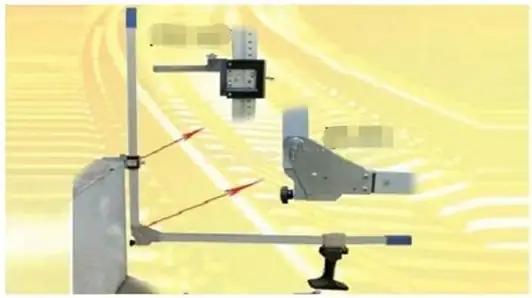
RAILWAY PLATFORM GAUGE
The Railway Platform Gauge is a portable measuring tool designed for precise measurement of the horizontal distance...
View Product →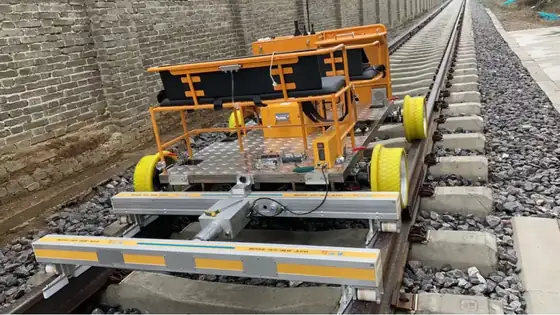
Track Geometry Measurement
The GJY-H-CK-22CM Track Geometry Measurement system is integrated into an electric flaw detection vehicle and runs at a...
View Product →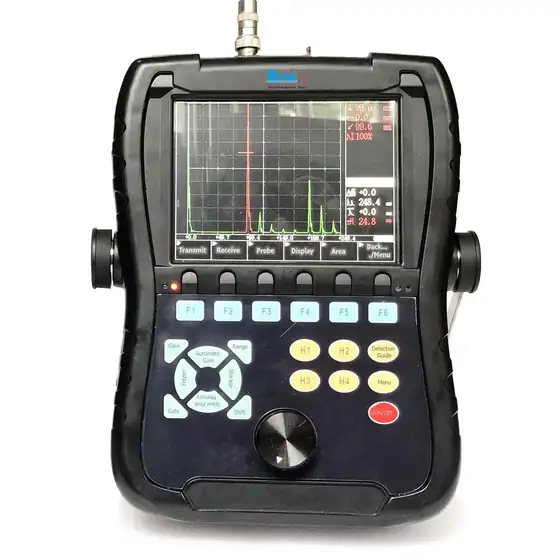
CK2108 Ultrasonic Flaw Detector
The CK2108 is a portable handheld ultrasonic flaw detector designed for rapid, accurate detection and evaluation of...
View Product →Frequently Asked Questions
How many people are needed to assemble the RS-20?
Four. The vehicle is designed for modular transport and assembly, with no single module exceeding 48 kg, allowing a four-person crew to assemble or disassemble it in under five minutes.
What types of defects does it detect?
It detects visible track surface and substructure abnormalities such as rail spalling, misalignment, debris, and tunnel wall damage using HD image capture and automatic identification software.
How much track can one shift cover?
Endurance is not less than 60 km or 4 hours of continuous operation, with consistent speed and image capture.
Can it be used in tunnels?
Yes. The RS-20 includes a tunnel detection image collection box and software for tunnel inspection, with image capture and analysis capabilities in low-light environments.
How is the inspection data reviewed?
The system records and stores images and location data. Playback software allows experts to review images, verify anomalies, and generate reports for maintenance planning.
Do you provide operator training?
Yes. We provide on-site commissioning, operator training, and technical support as part of pre-sales, in-sales, and after-sales service.
How do I get a quotation?
Email [email protected] with your rail profile, line type, and annual inspection distance. Our engineers will provide a configuration and price based on your needs.
Get a Configuration for the RS-20 Integrated Rail State Inspection Vehicle
Send the rail profile, line type and annual inspection kilometres. Our engineers reply with a configuration and a price, not a brochure.