
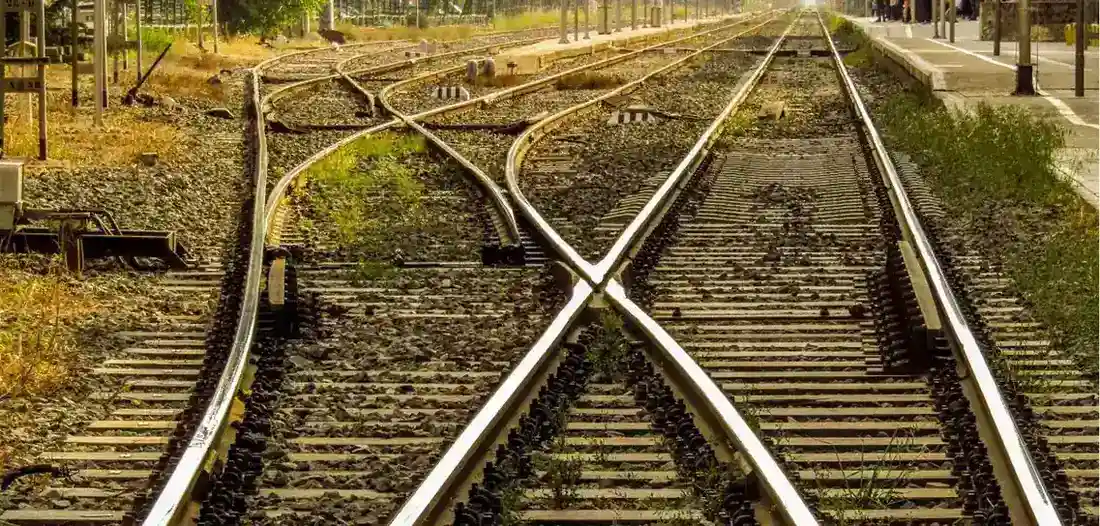
Analysis of Effective Ways to Improve the Quality of Rail Flaw Detection
Establishing a dedicated rail flaw detection organization is essential for consistent inspection quality. Each track maintenance section or machinery section should have a designated workshop with qualified engineering and technical staff. Senior leaders must participate in on-site operations to understand challenges and resolve issues promptly.
A centralized inspection, maintenance, and repair center for rail flaw detection instruments ensures equipment reliability. Regular and irregular checks, including annual inspections, are required to maintain optimal performance and support smooth operation across all sections.
Strict adherence to rules and regulations is critical. Routine audits of work records, instrument maintenance logs, and operational statements must be conducted. Personnel evaluations should be rigorous, and ongoing training is necessary to strengthen technical competence and post responsibility.
Adjusting the flaw detection cycle according to seasonal conditions and high-risk areas improves effectiveness. During winter, inspection frequency increases, especially in bridges, tunnels, small radius curves, steep gradients, and sections with poor rail condition. Any rail damage detected in two consecutive cycles should trigger a shortened inspection interval to prevent missed defects.
Three-level data playback management enhances defect detection accuracy. Digital flaw detectors must be used to replay inspection data, enabling early identification of safety-threatening flaws. All rail damage, including minor defects, must be recorded and monitored to support long-term trend analysis and preventive maintenance.
Equipment Referenced in This Article
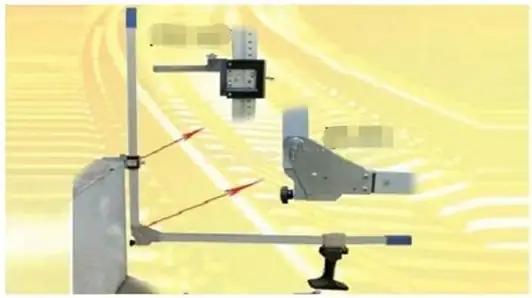
RAILWAY PLATFORM GAUGE
The Railway Platform Gauge is a portable measuring tool designed for precise measurement of the horizontal distance...
View Product →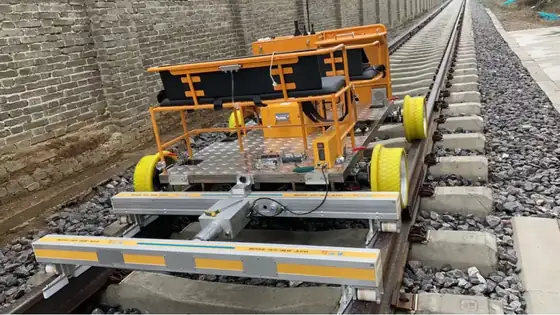
Track Geometry Measurement
The GJY-H-CK-22CM Track Geometry Measurement system is integrated into an electric flaw detection vehicle and runs at a...
View Product →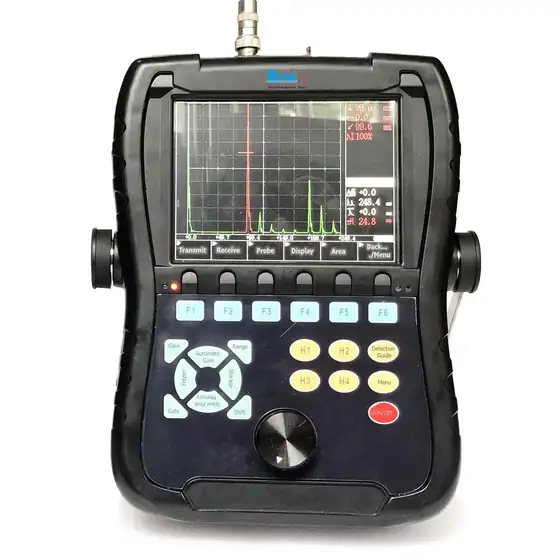
CK2108 Ultrasonic Flaw Detector
The CK2108 is a portable handheld ultrasonic flaw detector designed for rapid, accurate detection and evaluation of...
View Product →Frequently Asked Questions
What is the recommended frequency for inspecting rail flaw detection equipment?
Annual inspection is essential, with additional irregular checks conducted to ensure equipment remains in optimal working condition.
How should inspection cycles be adjusted in winter?
Winter inspection cycles should be shortened, especially in high-risk areas such as bridges, tunnels, small radius curves, and sections with poor rail status.
What types of rail damage require a shortened inspection interval?
Fatigue damage such as nuclear damage, fish scale damage, screw hole cracks, and horizontal cracks detected in two consecutive flaw detection cycles must trigger a shortened inspection interval.
Why is three-level data playback important?
It allows for the replay of inspection data to identify safety-threatening defects early, supports verification of suspected flaws, and enables long-term monitoring of minor damage.
Who should be responsible for rail flaw detection operations?
Each track maintenance section or machinery section should have a dedicated rail flaw detection workshop with qualified engineering and technical personnel.
How can leadership support rail flaw detection quality?
Senior leaders should participate in on-site inspections to understand operational challenges and resolve issues in real time.
What training is needed for rail flaw detection personnel?
Ongoing training and education are required to improve technical understanding and strengthen the sense of responsibility for the inspection post.
Ask Our Engineers About This Topic
If this article raised a question about your own track, send it to our engineering team.