
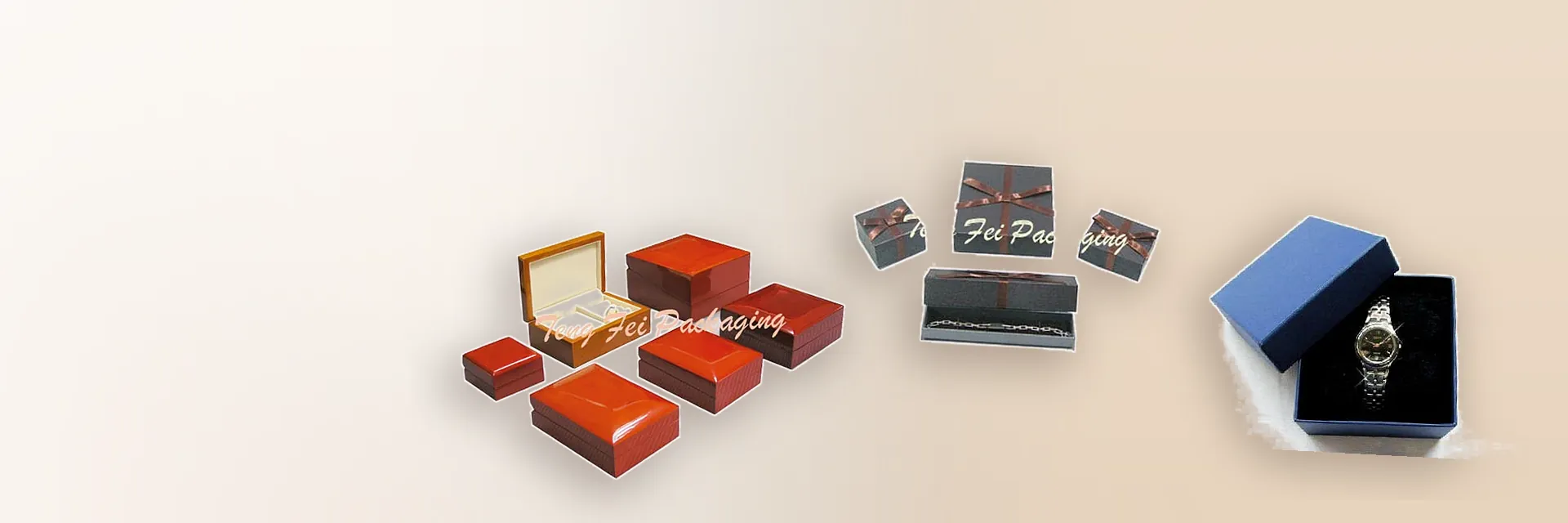
Eight guides to specifying gift packaging
Construction, inserts, closures, board, sizing and freight — the decisions that decide what a gift box actually costs you, written plainly and without a sales pitch.
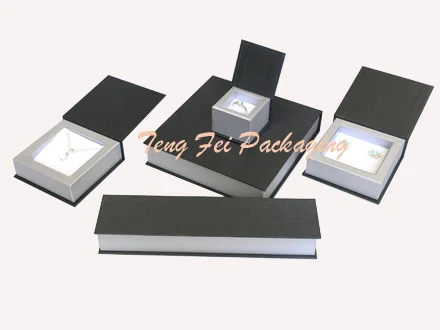
Rigid box or folding carton: which one your jewellery line needs
The two constructions look similar in a photograph and behave completely differently in the hand, on the shelf and on the freight invoice.
Read the guide →Velour, satin, foam and PU: choosing what goes inside the box
The insert is the part the customer touches and the part that decides whether the piece is presented or just contained.
Read the guide →Board, wrap and weight: how a gift box is actually specified
Most specification arguments with a packaging supplier come from describing a box in adjectives instead of components.
Read the guide →How a lacquered wooden box is finished, and what that costs you in lead time
Wooden boxes are priced and scheduled differently from card, and the difference is almost entirely in the finishing.
Read the guide →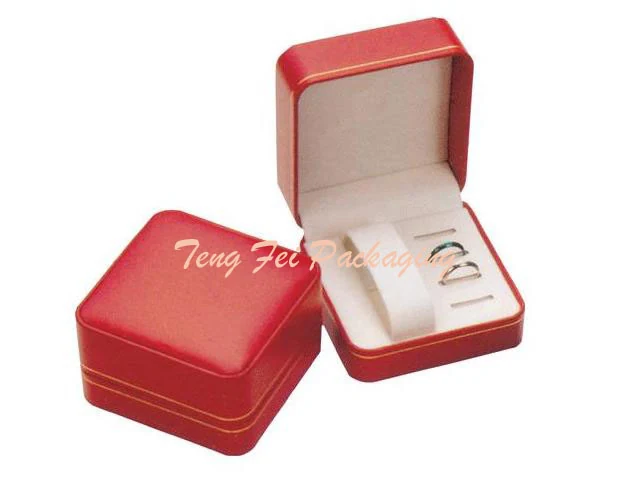
Sizing a watch box around the cushion, not around the watch
The single most common watch packaging failure is a lid that will not close on a case the box was supposed to fit.
Read the guide →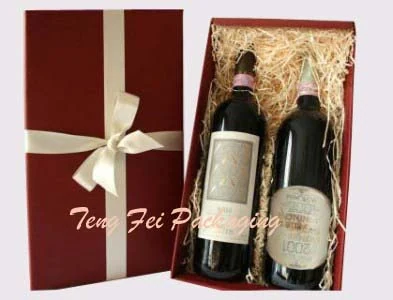
One bottle, two bottles or a sleeve: comparing wine box formats
Wine packaging formats are usually chosen by appearance and then regretted on the freight and filling line.
Read the guide →Ribbon, tab, drawer or hinge: how a box should open
The closure decides what the customer feels in the first second and how much labour the pack costs at the till.
Read the guide →
Packing, cartonisation and getting gift boxes there undamaged
Rigid gift boxes are mostly air, and air is what makes them expensive to move and easy to crush.
Read the guide →Still not sure which construction you need?
Describe the product and how it is sold, and we will tell you which family in the catalogue fits — including when the answer is the cheaper one.