Ribbon, tab, drawer or hinge: how a box should open
The closure decides what the customer feels in the first second and how much labour the pack costs at the till.
Lift-off lids
The simplest and flattest to ship, with nothing mechanical to fail. A lid-and-base box is the default for anything that is opened once, and the best surface for a foil stamp because the lid is an uninterrupted field.
Hinged lids
A hinge means one-handed opening and a lid that cannot be mislaid, which matters on display stock that is opened repeatedly. It also means the lid must clear the contents, so hinged boxes need more internal height than a lift-off box for the same piece.
Drawers
A sliding inner tray keeps the contents seated even when the pack is opened at an angle, and it gives a slower, more deliberate reveal. It is the usual choice for small-count chocolate assortments for exactly that reason.
Ribbon and tabs
A fixed ribbon bow means the item leaves the shop looking wrapped with no wrapping labour at the counter — a real saving in a busy season. A folded tab closure is the cheapest closure available that still holds, and it suits printed confectionery packs where the decoration is doing the work.
Where this shows up in the catalogue
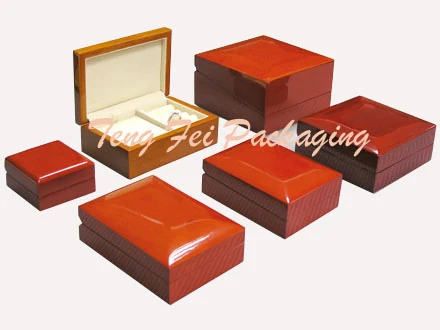
The guidance above is general. If you want to see it applied, the jewellery boxes family is where these decisions bite hardest in this range.